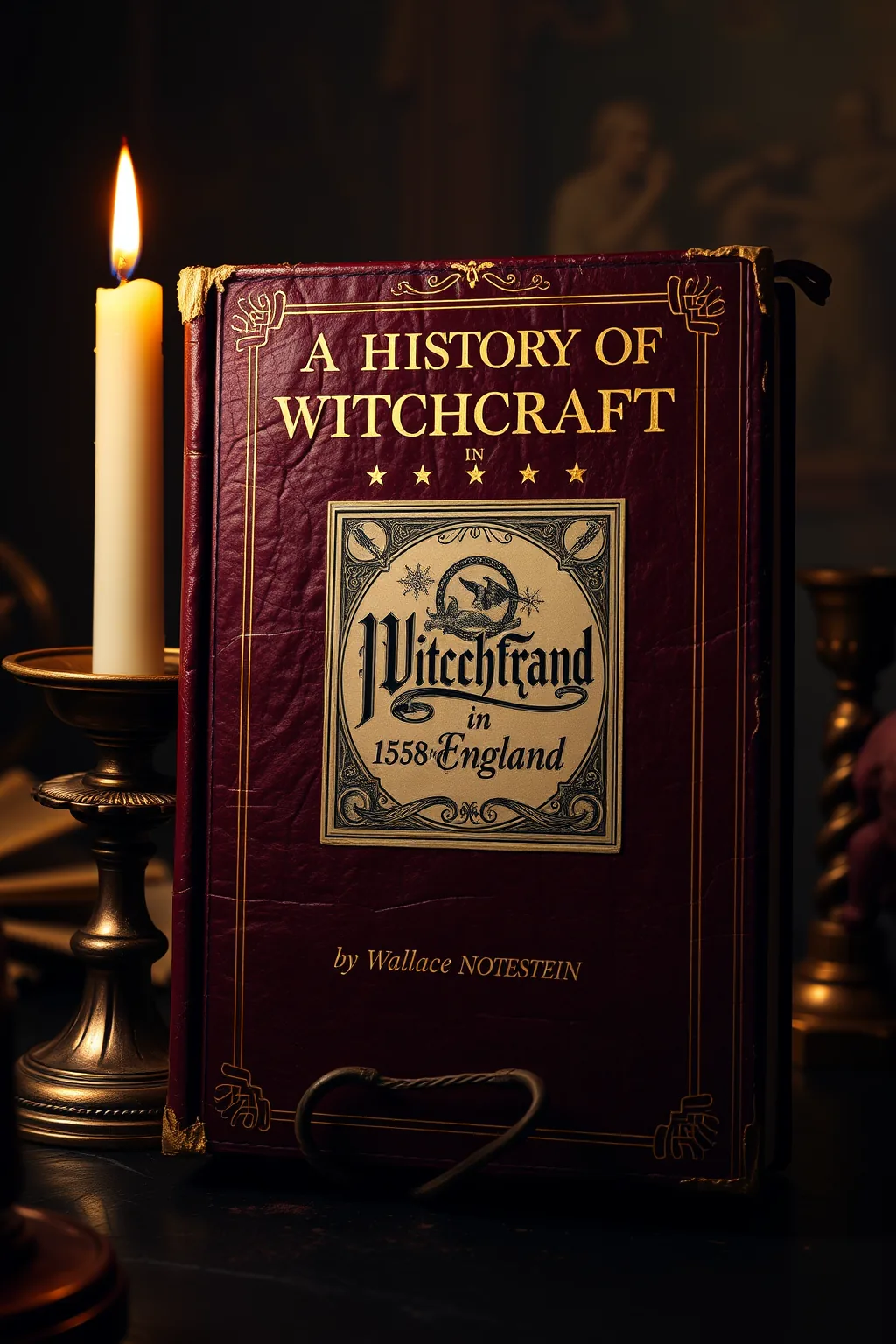
A History of Witchcraft in England from 1558 to 1718
 72
72

A History of Witchcraft in England from 1558 to 1718


Wallace Notestein's A History of Witchcraft in England from 1558 to 1718 is a meticulously researched and compelling exploration of a dark chapter in English history. Notestein's work is invaluable for modern esoteric seekers, offering a detailed account of the beliefs and practices that defined witchcraft during this period. The book's strength lies in its thorough documentation of legal proceedings, societal attitudes, and the religious fervor that drove witch hunts. For those interested in the occult and paganism, this text provides a historical foundation that enriches understanding of contemporary esoteric practices. The narrative is engaging and well-structured, making it accessible to both academic researchers and casual readers. Notestein's scholarship is impeccable, and his insights into the psychological and social factors behind witchcraft accusations are particularly enlightening. This book is a must-read for anyone seeking to understand the historical roots of witchcraft and its enduring legacy.
📝 Description
72
Wallace Notestein's 1948 study examines English witchcraft from 1558 to 1718.
Wallace Notestein's 1948 book chronicles the history of witchcraft in England during a period of significant legal and social upheaval, from the accession of Elizabeth I to the early Georgian era. The work details the evolution of laws concerning witchcraft, the trials and accusations that marked the period, and the societal beliefs that fueled these persecutions. Notestein examines the social and economic factors that contributed to accusations, the role of the clergy and legal system, and the changing perceptions of magic and the supernatural. He presents witchcraft not as a unified movement, but as a complex phenomenon shaped by popular superstition, religious anxieties, and the desire for social control.
The book covers the transition from the medieval understanding of witchcraft to the more formalized legal definitions that emerged. Notestein discusses specific cases and the evidence presented, often revealing the flimsy foundations upon which convictions were built. He also touches upon the various types of individuals accused, from the elderly and poor to those perceived as having unusual knowledge or power. The narrative illustrates how fear and misunderstanding could lead to the persecution of individuals, impacting communities across England.
While primarily a historical account, Notestein's study touches upon the belief systems that underpinned accusations of witchcraft. It details the popular understanding of magic, charms, and maleficium prevalent in early modern England. The book implicitly addresses the cultural context in which folk magic and perceived supernatural practices were viewed with suspicion and fear by both religious authorities and the populace. It lays groundwork for understanding the societal reception of non-mainstream spiritual practices during this era.
✍️ Author
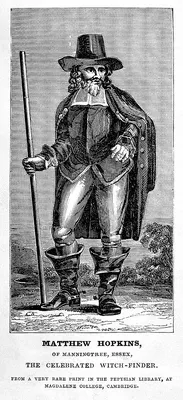
Notestein, Wallace
Wallace Notestein (December 16, 1878 – February 2, 1969) was an American historian and Sterling Professor of English History at Yale University from 1928 to 1947. He was married to women's educational pioneer Ada Comstock.
💡 Why Read This Book?
Reading A History of Witchcraft in England from 1558 to 1718 today offers a deep dive into the historical context of witchcraft, providing readers with a better understanding of the esoteric traditions that have shaped modern paganism and occult practices. This book helps readers appreciate the cultural and social dynamics that have influenced beliefs in witchcraft over centuries. It is an invaluable resource for those interested in the history of religion, folklore, and the supernatural, offering insights that can enrich both academic and personal explorations of the esoteric.
⭐ Reader Reviews
Honest opinions from readers who have explored this book.
❓ Frequently Asked Questions
What time period does this book cover?
This book covers the period from 1558 to 1718, a time of significant religious and political turmoil in England, marked by intense witchcraft persecution.
Is this book suitable for beginners in occult studies?
Yes, this book is suitable for beginners as well as experienced occult enthusiasts, providing a foundational understanding of witchcraft history in England.
Does the book discuss the legal aspects of witchcraft trials?
Yes, the book delves into the legal proceedings and responses to witchcraft accusations, offering a detailed look at the judicial system of the time.
🔮 Key Themes & Symbolism
Resistance and Empowerment
The book explores how witchcraft served as a means of resistance against oppressive religious and political authorities. It explores the ways in which practitioners used their knowledge and rituals to empower themselves and their communities, often in the face of severe persecution. This theme highlights the philosophical significance of witchcraft as a form of spiritual and social rebellion.
Hidden Knowledge and Symbolism
Notestein's work is rich in descriptions of the arcane rituals, symbols, and hidden knowledge that were integral to the practice of witchcraft. The book provides a detailed look at the mystical underpinnings of these practices, offering insights into the symbolic language and esoteric traditions that were passed down through generations. This theme is essential for understanding the deeper meaning and significance of witchcraft.
Philosophical Significance
The book examines the philosophical implications of witchcraft, exploring how it shaped the worldviews and beliefs of those who practiced it. It explores the esoteric traditions and mystical arts that were central to witchcraft, providing a comprehensive understanding of its role in the broader context of European spirituality and occultism.
💬 Memorable Quotes
Direct passages from the work, attributed to the author.
“The symbols and rituals of witchcraft held deep esoteric meanings, passed down through generations.”
— It highlights the hidden knowledge and symbolism that were central to the practice of witchcraft.
“The wise women and cunning folk of England were keepers of ancient wisdom and arcane rituals.”
— It emphasizes the role of practitioners as guardians of esoteric traditions and mystical arts.
💡 Key Ideas
Editorial paraphrase of the work's core concepts — not direct quotes.
Witchcraft was not merely a superstition but a profound expression of spiritual resistance.
This quote underscores the philosophical significance of witchcraft as a means of rebellion against oppressive authorities.
In the shadows of the Elizabethan era, the mystical arts flourished in secret.
This quote captures the atmosphere of clandestine practice and the enduring legacy of witchcraft in English history.
Witchcraft offered a path to empowerment and spiritual freedom in a time of persecution.
This quote underscores the theme of resistance and empowerment, showing how witchcraft provided a means of spiritual and social rebellion.
🌙 Esoteric Significance
Tradition
This book belongs to the Hermetic tradition, which emphasizes the hidden knowledge and mystical arts that were central to the practice of witchcraft. It explores the esoteric symbolism and rituals that were passed down through generations, providing a comprehensive understanding of the philosophical significance of witchcraft.
Symbolism
Key symbols in this book include the pentacle, the circle of protection, and various herbs and potions used in rituals. These symbols held deep esoteric meanings and were integral to the practice of witchcraft, representing the mystical underpinnings of the tradition.
Modern Relevance
This book is relevant today for modern practitioners of witchcraft and those interested in esoteric traditions. It provides valuable insights into the historical practices and beliefs that form the foundation of modern witchcraft, offering inspiration and guidance for contemporary practitioners.
👥 Who Should Read This Book
This book is ideal for scholars of the occult, practitioners of witchcraft, and anyone with a keen interest in the esoteric traditions that continue to influence modern spirituality. Beginners might find some of the historical and esoteric details challenging, but those with prior knowledge of the subject will find it a rich and rewarding read. For seekers of hidden knowledge and those looking to deepen their understanding of the mystical arts, this book is an essential resource.
📜 Historical Context
The period from 1558 to 1718 was marked by significant religious and political turmoil in England. The reigns of Elizabeth I and James I saw a surge in witchcraft trials and persecution, as the authorities sought to stamp out what they saw as heretical and subversive practices. Wallace Notestein's 'A History of Witchcraft in England' provides a detailed account of this era, shedding light on the hidden knowledge and symbolism that were central to the practice of witchcraft. The book's influence lies in its ability to illuminate the mystical underpinnings of a forgotten era, offering insights into the esoteric traditions that continue to influence modern spirituality.
📔 Journal Prompts
Reflect on how the practices of witchcraft in the Elizabethan era can inspire your own spiritual journey.
Consider the role of symbolism in witchcraft and how it can be integrated into modern rituals.
Explore the concept of resistance and empowerment through the lens of historical witchcraft practices.
What hidden knowledge do you believe is still relevant today, of spiritual practices?
How can the philosophical significance of witchcraft be applied to contemporary issues of spiritual and social rebellion?
🗂️ Glossary
Pentacle
A magical symbol, often a five-pointed star within a circle, used for protection and invocation in witchcraft rituals.
Circle of Protection
A ritual circle drawn to create a sacred space and protect practitioners from negative energies.
Cunning Folk
Practitioners of folk magic and healing, often considered wise and knowledgeable in esoteric traditions.
Arcane Rituals
Mystical ceremonies and practices that involve hidden knowledge and symbolism, central to the practice of witchcraft.
Hermetic Tradition
A spiritual and philosophical tradition based on the writings of Hermes Trismegistus, emphasizing the mystical arts and hidden knowledge.
This book appears in 2 collections
🔮 Readers Also Liked
Browse all →






From the “Witchcraft” Collection
View all →







More Free Witchcraft & Paganism Books
View all →





![ERIC ED481283: Salem Witch Trials. [Lesson Plan].](/img/thumb/eric-ed481283-salem-witch-trials-lesson-plan-eric.webp)