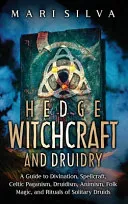
The Complete Book of Amulets & Talismans
 76
76

The Complete Book of Amulets & Talismans
Migene González-Wippler’s 1991 compendium, The Complete Book of Amulets & Talismans, attempts to catalogue the vast landscape of objects used for magical and protective purposes. Its strength lies in its sheer breadth, attempting to connect disparate cultures—from ancient Egypt to modern folk magic—through the common thread of imbued artifacts. The author’s exploration of the distinction between passive amulets and active talismans, particularly her discussion on the principles of sympathetic magic, provides a solid theoretical framework. However, the work occasionally feels encyclopedic rather than deeply analytical. For instance, the section on talismans for wealth, while providing numerous examples, could benefit from a more nuanced examination of the socio-economic contexts that fostered such beliefs. Despite this, the book remains a foundational text for anyone seeking a broad overview of how humanity has historically sought to materialize spiritual power through tangible objects.
📝 Description
76
Migene González-Wippler's 1991 book examines the construction and use of amulets and talismans.
The Complete Book of Amulets & Talismans details the construction, purpose, and cultural significance of protective and power-imbued objects throughout human history. González-Wippler explains the principles behind creating and using charms, talismans, and fetishes, showing their roles in various societies and spiritual pursuits. The book is useful for anyone interested in the history of magical objects, comparative religion, or practical occultism. It offers historical context and practical knowledge for beginners and experienced practitioners alike.
It addresses the core difference between amulets, which provide passive protection, and talismans, which are actively charged with specific energies. The text covers the importance of sympathetic magic, the selection of materials, symbols, and spoken words used in consecrating these items. González-Wippler also connects the psychological and spiritual reasons people believe in these objects to the ongoing human desire for meaning and control.
Published in 1991, this work appeared during a resurgence of interest in occult and esoteric studies. It built on earlier anthropological and occult research, offering a more accessible approach. The book synthesizes information from global traditions, presenting a broad perspective on the human impulse to harness spiritual forces for protection, prosperity, or connection.
💡 Why Read This Book?
• Learn the historical evolution of amulets and talismans, tracing their origins from ancient civilizations like Egypt to their presence in 20th-century folk practices, offering concrete examples not found in generalized histories. • Understand the practical differences and applications of amulets versus talismans, including the methods of consecration and the principles of sympathetic magic as detailed by González-Wippler. • Discover specific creation techniques and symbolic meanings for various objects, such as the use of metals and gemstones for specific purposes, providing actionable knowledge for personal practice.
⭐ Reader Reviews
Honest opinions from readers who have explored this book.
❓ Frequently Asked Questions
What is the difference between an amulet and a talisman according to this book?
The Complete Book of Amulets & Talismans differentiates amulets as objects offering passive protection against harm or evil. Talismans, conversely, are described as objects actively charged with specific energies or intentions, designed to attract certain forces or bring about desired outcomes.
Does the book explain how to make your own talismans?
Yes, the book provides guidance on the principles and methods for creating and consecrating talismans. It covers aspects like selecting appropriate materials, inscribing symbols, and performing rituals to imbue the object with magical intent.
What historical periods does the book cover regarding amulets and talismans?
The book spans a vast historical range, examining charms and fetishes from ancient civilizations, including Egypt and Rome, through the medieval period, and into the 20th century, demonstrating the enduring presence of these objects across diverse cultures.
What kind of spiritual forces are associated with these objects?
The work discusses how amulets and talismans are used to connect with spiritual forces for protection, healing, prosperity, love, and guidance. It explores various cultural beliefs regarding these energies and their manipulation.
Are there illustrations in The Complete Book of Amulets & Talismans?
Yes, the book is noted for containing hundreds of illustrations that depict various types of amulets, talismans, symbols, and magical diagrams, aiding in the visual understanding of the objects discussed.
Is this book suitable for beginners in occult studies?
Absolutely. While comprehensive, the book is written accessibly, making it an excellent resource for beginners seeking to understand the history and practical application of amulets and talismans in esoteric traditions.
🔮 Key Themes & Symbolism
Amulets vs. Talismans
The work meticulously distinguishes between amulets and talismans, a core concept in object-based magic. Amulets are presented as primarily defensive, warding off negative influences or harm, drawing parallels to ancient apotropaic devices. Talismans, in contrast, are defined by their active, intentional nature; they are imbued with specific energies to attract desired outcomes, such as wealth, love, or success. This distinction is crucial for understanding the varied applications of magical objects across cultures and historical periods, highlighting the intent behind their creation and use.
Sympathetic Magic and Consecration
González-Wippler explains the underlying principles of sympathetic magic, where like affects like and the done to one can be done to another. This concept is central to the creation of effective talismans. The book details the process of consecration, emphasizing the importance of aligning the object with specific planetary influences, astrological timings, and symbolic representations. The use of specific materials, herbs, metals, and inscribed sigils is explored as a means of channeling and focusing spiritual power into the object, making it a conduit for magical forces.
Cultural Universality of Objects
A significant theme is the near-universal presence of charms and fetishes across virtually every civilization throughout history. The book highlights how different cultures, despite geographical separation and distinct belief systems, have independently developed similar object-based magical practices. This universality is presented as evidence of a shared human need to connect with spiritual forces and exert influence over one's destiny through tangible means, linking diverse traditions through the common practice of creating and using sacred or empowered items.
Practical Application and Personal Power
Beyond historical survey, the book offers practical instruction. It empowers readers by explaining the creation and use of amulets and talismans. By explaining the 'how-to,' González-Wippler encourages an active engagement with esoteric principles. This focus on practical application underscores the belief that individuals can harness spiritual energies for personal well-being and empowerment, moving beyond passive observation to active participation in the magical arts through the careful crafting and intentional use of these objects.
💬 Memorable Quotes
Direct passages from the work, attributed to the author.
“The power of a talisman comes from the intent and the energy infused into it during its creation.”
— This highlights the crucial role of the practitioner's will and focused energy in the efficacy of a talisman, suggesting that the object itself is a conduit for consciously directed spiritual force.
“Every civilization has sought ways to connect with spiritual forces through charms and fetishes.”
— This statement underscores the book's central thesis regarding the universality of magical object use, suggesting that this practice is an inherent aspect of the human search for meaning and spiritual connection across all cultures.
“Understanding sympathetic magic is key to comprehending how talismans are believed to function.”
— This interpretation points to a fundamental esoteric principle discussed in the book, framing it as essential knowledge for anyone wishing to grasp the theoretical underpinnings of how magical objects are thought to operate.
💡 Key Ideas
Editorial paraphrase of the work's core concepts — not direct quotes.
Amulets are designed to protect the wearer from evil, while talismans are created to attract specific energies.
This quote succinctly captures the fundamental distinction González-Wippler draws between two primary categories of magical objects, emphasizing the passive defensive nature of amulets versus the active attractor function of talismans.
The history of these tools is geographically diverse, appearing in every corner of the world.
This paraphrased concept emphasizes the global scope of the book's research, indicating that the study of amulets and talismans is not confined to a single region or tradition but is a worldwide phenomenon.
🌙 Esoteric Significance
Tradition
This work draws heavily from Western esoteric traditions, particularly Hermeticism and folk magic, while also incorporating elements from broader comparative mythology and religious studies. It bridges the gap between academic observation of magical practices and their direct application. While not strictly adhering to a single lineage like Kabbalah or Gnosticism, it synthesizes principles common across many systems that seek to manipulate subtle energies and spiritual forces through material objects.
Symbolism
Key symbols explored include planetary sigils, astrological signs, and divine names, which are used to imbue talismans with specific cosmic influences. The use of specific materials, such as certain metals (e.g., silver for the Moon, gold for the Sun) and gemstones (e.g., amethyst for protection, rose quartz for love), is discussed in terms of their inherent energetic properties and symbolic associations within esoteric lore.
Modern Relevance
González-Wippler's work continues to be relevant for contemporary practitioners of modern witchcraft, paganism, and various forms of ritual magic. Its comprehensive approach makes it a foundational text for those interested in creating their own magical tools. Thinkers and practitioners focused on object-based magic, sigil craft, and the psychology of belief in ritual efficacy often reference or build upon the principles outlined in this book.
👥 Who Should Read This Book
• Aspiring practitioners of Western esotericism seeking a foundational understanding of magical object creation and use. • Students of comparative religion and anthropology interested in the global phenomenon of charms, fetishes, and protective artifacts. • Individuals looking for practical techniques to craft personal amulets and talismans for protection or to attract specific energies into their lives.
📜 Historical Context
Published in 1991, Migene González-Wippler's *The Complete Book of Amulets & Talismans* arrived during a resurgence of interest in occultism and esoteric studies, a trend amplified by the New Age movement and increased accessibility to historical texts. The book positioned itself as a comprehensive guide, synthesizing anthropological observations with practical occult traditions. It implicitly engaged with scholarly works like Sir James Frazer's *The Golden Bough* (first published 1890) by exploring the widespread use of magical objects, but offered a more direct, practitioner-oriented approach. Unlike purely academic studies, González-Wippler aimed to provide actionable knowledge for personal use. Its reception was generally positive within esoteric circles, seen as a valuable compilation, though some academic circles might have viewed its synthesis of diverse traditions with skepticism regarding methodological rigor. The 1990s saw a growing public appetite for such works, moving them from fringe curiosities to more mainstream interest.
📔 Journal Prompts
The historical prevalence of amulets across civilizations.
Personal beliefs regarding the efficacy of talismans for attraction.
The symbolic meaning of specific gemstones in amulet construction.
Reflecting on the concept of sympathetic magic in daily life.
Identifying personal spiritual needs that might be addressed by a custom talisman.
🗂️ Glossary
Amulet
An object believed to offer passive protection against harm, evil influences, or bad luck. It typically wards off negativity without requiring active charging.
Talisman
An object specifically consecrated or inscribed with symbols to attract certain energies, grant powers, or bring about desired outcomes, such as wealth or love.
Consecration
The ritual act of dedicating an object to a specific purpose or deity, imbuing it with magical power and intent through prayers, incantations, and symbolic actions.
Sympathetic Magic
A principle of magic based on the belief that like affects like (law of similarity) and that objects once in contact continue to be connected (law of contagion).
Sigil
A symbol created to represent a specific magical intention or spirit, often used in the consecration of talismans to focus energy.
Apoptropaic
Having the power to ward off evil or bad luck; a characteristic often attributed to amulets.
Fetish
An object regarded with reverence or awe, believed to possess magical powers or be inhabited by a spirit, often used in a broad sense to include charms and talismans.
This book appears in 2 collections
🔮 Readers Also Liked
Browse all →







From the “Talismans” Collection
View all →





More Free Occult Philosophy Books
View all →