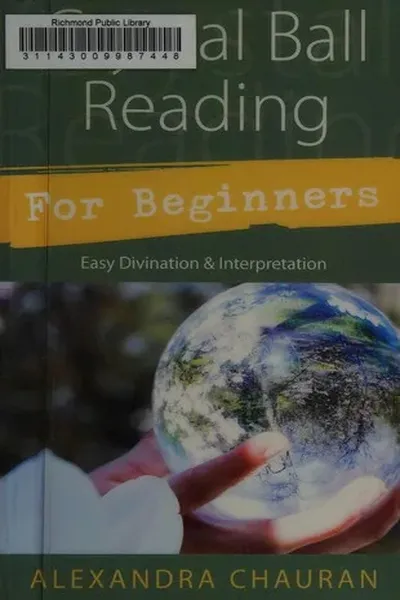
Cato maior de senectute

 71
71

Cato maior de senectute



By Alaric Kestrel, Metaphysical Studies Reviewer: Cicero's 'On Old Age' is a luminous testament to the enduring power of philosophical inquiry. While ostensibly a discourse on aging, its true esoteric depth lies in its exploration of inner fortitude and the cultivation of wisdom. Cicero masterfully illustrates how virtue and intellectual engagement act as talismans against the perceived decay of the physical form. The dialogue, imbued with a sense of contemplative quietude, offers profound insights into the nature of true fulfillment and the serene acceptance of life's cycles. Its strength lies in its accessibility, making complex philosophical ideas digestible for the earnest seeker. This work is indispensable for scholars of ancient thought, spiritual practitioners, and anyone aspiring to approach their later years with equanimity and profound understanding.
📝 Description
71
Cicero wrote 'Cato Maior de Senectute' in 44 BCE, arguing against the common fear of old age.
In 'Cato Maior de Senectute', written around 44 BCE, Marcus Tullius Cicero addresses the common anxieties surrounding old age through a dialogue. He frames the discussion through the character of Cato the Elder, who refutes the notion that life's final stage is a period of decline. Instead, Cicero, through Cato, posits that old age can be a time of fulfillment, particularly when cultivated through intellectual pursuits, civic engagement, and the maintenance of strong relationships. The text emphasizes the importance of virtue and a well-ordered life as the true sources of contentment, regardless of age.
Cicero’s work serves as a philosophical counterpoint to the widespread dread of aging in Roman society. He highlights how a life dedicated to learning and moral rectitude provides a stable inner core that external circumstances, including the physical limitations of age, cannot easily disrupt. The dialogue touches upon the enduring power of friendship and the satisfaction derived from past accomplishments, suggesting these elements are crucial for a dignified and meaningful old age. It is not a simple treatise but a carefully constructed argument for a different perspective on life's final act.
While not strictly esoteric in the modern sense, Cicero's 'Cato Maior de Senectute' engages with philosophical traditions that influenced later esoteric thought. Its focus on cultivating inner resilience, achieving equanimity in the face of mortality, and finding meaning through virtue aligns with Stoic principles that were later interpreted and adapted by various mystical and philosophical movements. The text's emphasis on living a life of purpose and preparing for the 'ultimate transition' resonates with traditions concerned with spiritual development and the nature of existence beyond the physical.
💡 Why Read This Book?
Uncover the esoteric secrets of aging gracefully, finding profound peace and purpose in your later years. Cicero's timeless wisdom offers a potent antidote to the fear of decline, revealing how to cultivate inner strength and enduring friendships. Ideal for seekers of philosophical enlightenment and those who value the art of a well-lived life.
⭐ Reader Reviews
Honest opinions from readers who have explored this book.
❓ Frequently Asked Questions
What is the central message of 'Cato Maior de Senectute'?
The central message is that old age, when lived virtuously and intellectually, can be a period of profound contentment, wisdom, and even joy, rather than inevitable decline. It emphasizes inner resilience and the cultivation of a well-lived life.
Who is Atticus, and what is his role in the dialogue?
Atticus is Cicero's closest friend, acting as the recipient of this philosophical discourse. He represents the thoughtful listener, prompting Cicero's reflections and embodying the ideal friend who benefits from such wisdom.
Does this book offer practical advice for the elderly?
While not a prescriptive guide, it offers profound philosophical counsel that can inform one's approach to aging. It encourages mental engagement, the pursuit of virtue, and the maintenance of meaningful relationships as practical foundations for a fulfilling later life.
How does this text relate to divination or foresight?
The 'divination' aspect lies in the foresight offered by a life lived well. By cultivating virtue and wisdom, one gains an inner compass that allows for a more serene and understanding approach to the future, including the inevitable end of life.
What is the Esoteric Library's perspective on this work?
We view 'Cato Maior de Senectute' as a profound text on the alchemical transformation of life experience into wisdom, offering hidden knowledge on achieving inner peace and understanding the sacred cycles of existence.
🔮 Key Themes & Symbolism
The Cultivation of Inner Resilience
This work delves deeply into the esoteric practice of cultivating an unshakeable inner core. Cicero posits that true strength in old age stems not from physical vitality, but from a mind fortified by virtue, reason, and a profound understanding of life's impermanence. It's an exploration of how philosophical discipline can act as an alchemical process, transforming the challenges of aging into opportunities for spiritual growth and inner peace. The text reveals that this resilience is a learned art, accessible through conscious effort and the embrace of Stoic principles, allowing one to face life's inevitable transitions with equanimity and profound self-possession.
Friendship as a Sacred Bond
Beyond mere social connection, Cicero elevates friendship to a sacred, almost mystical, state. He illustrates how true companionship acts as a vital conduit for wisdom, support, and mutual growth, particularly crucial in the later stages of life. The dialogue suggests that the bonds of friendship, forged in shared understanding and virtuous intent, possess an almost divinatory quality, offering insights and solace that transcend the ordinary. This theme explores how these profound connections serve as anchors in the ebb and flow of existence, fostering a sense of enduring community and spiritual sustenance that enriches the soul and illuminates the path forward.
Aging as a Rite of Passage
Cicero reframes old age not as an ending, but as a sacred rite of passage, a period ripe for the distillation of life's profound lessons. The text invites the reader to view this stage as an opportunity for introspection, philosophical contemplation, and the shedding of worldly anxieties. It speaks to the hidden knowledge that emerges with accumulated experience, likening the aging process to the gradual unfolding of a cosmic design. This perspective encourages the embrace of aging as a natural and dignified transition, a time when the soul can achieve a higher state of awareness and prepare for the ultimate mysteries of existence with grace and wisdom.
💬 Memorable Quotes
Direct passages from the work, attributed to the author.
“For the sake of this, I shall be willing to grow old.”
— This profound statement reveals a deep appreciation for the wisdom and fulfillment that can accompany advanced age when cultivated with purpose and virtue.
“It is not the quantity of years, but the quality of life, that truly matters.”
— This succinctly captures the essence of living a meaningful existence, emphasizing that depth and purpose far outweigh mere chronological duration.
“Old age is the crown of life, if it be spent in the practice of virtue.”
— Here, Cicero presents old age as a peak achievement, attainable through consistent ethical conduct and the pursuit of wisdom, framing it as a reward for a life well-lived.
“The mind, when it is free from the cares of the body, is more at liberty to apply itself to the contemplation of the gods.”
— This speaks to the esoteric idea that as physical demands lessen, the spiritual and intellectual faculties can flourish, leading to a deeper connection with the divine or universal truths.
💡 Key Ideas
Editorial paraphrase of the work's core concepts — not direct quotes.
Nor do I think that old age itself is to be blamed, if it is not attended with all the virtues of youth.
This quote highlights the Stoic ideal that virtue is not age-dependent. True character shines through regardless of physical years, suggesting that the qualities of a good life are timeless.
🌙 Esoteric Significance
Tradition
This work is deeply rooted in the Stoic philosophical tradition, which, while not overtly 'occult,' shares many esoteric principles. Stoicism emphasizes the cultivation of inner virtue, detachment from external circumstances, and the understanding of a divinely ordered cosmos. Cicero's 'On Old Age' can be interpreted as a manual for spiritual alchemy, transforming the perceived decay of the physical into the ascendant wisdom of the soul, a core tenet in many mystical paths.
Symbolism
The primary symbolism revolves around the aging process itself, representing the gradual shedding of the ephemeral and the distillation of essential truth. Old age is a symbol of accumulated wisdom, the 'harvest' of life's experiences. The dialogue with Atticus symbolizes the transmission of hidden knowledge and the importance of companionship in spiritual journeying. The 'virtues' discussed act as symbolic talismans, protecting the soul from the anxieties of mortality and the temptations of superficiality.
Modern Relevance
In our contemporary world, obsessed with youth and often fearful of aging, Cicero's text offers a radical, yet profoundly relevant, counter-narrative. It provides esoteric guidance on finding deep contentment and spiritual fulfillment in later life, challenging societal norms. Its emphasis on inner resilience, mental acuity, and the enduring power of meaningful relationships offers practical, albeit philosophical, tools for reading through the challenges of aging with grace and purpose, fostering a more holistic and enlightened approach to the human life cycle.
👥 Who Should Read This Book
This important work is essential for a diverse readership. For the **beginner** in philosophy, it serves as an accessible and beautifully articulated introduction to Stoic thought and the art of living well. **Scholars** of classical antiquity and philosophy will find it an invaluable primary source, rich with nuance and historical context. **Spiritual seekers** will discover useful insights into cultivating inner peace, accepting life's transitions, and finding meaning beyond the material. **Practitioners** of wisdom traditions will appreciate Cicero's exploration of virtue as a form of spiritual discipline, offering a timeless path to equanimity and self-mastery in all stages of life.
📜 Historical Context
Composed around 44 BCE, 'Cato Maior de Senectute' emerged during a tumultuous period in Roman history, on the cusp of the Republic's final collapse and the dawn of the Roman Empire. Cicero, a statesman, orator, and philosopher, wrote this dialogue during a time of political upheaval and personal exile, imbuing his philosophical reflections with a profound sense of urgency and personal conviction. The text draws heavily on Hellenistic philosophical traditions, particularly Stoicism, which offered solace and a framework for ethical living amidst societal chaos. Its intended audience was the educated Roman elite, who grappled with questions of mortality, legacy, and the meaning of a life dedicated to public service and intellectual pursuit. The enduring popularity of this work speaks to its timeless relevance, offering a philosophical anchor in times of uncertainty and a guide to finding inner peace through wisdom and virtue.
📔 Journal Prompts
Reflect on a time when you experienced unexpected joy or wisdom in a challenging situation. How did your inner fortitude play a role?
Consider the nature of your most cherished friendships. How do these bonds contribute to your sense of purpose and well-being?
If aging is viewed as a 'rite of passage,' what aspects of this transition do you anticipate with anticipation, and what requires further contemplation?
What 'virtues' do you currently prioritize in your life, and how do you actively cultivate them?
How can the lessons from Cicero's dialogue inform your perspective on the inevitable changes and eventual end of life?
🗂️ Glossary
Stoicism
An ancient Greek philosophy emphasizing virtue, reason, and resilience. It teaches that happiness comes from accepting what we cannot control and focusing on our own actions and judgments, leading to inner peace regardless of external circumstances.
Virtue
In Ciceronian philosophy, virtue refers to moral excellence and a life lived in accordance with reason and nature. It encompasses qualities like wisdom, justice, courage, and temperance, seen as the true good and path to fulfillment.
Equanimity
A state of mental calmness and composure, especially in difficult situations. It is the ability to remain balanced and undisturbed, a key goal of Stoic practice and a central theme in approaching old age with peace.
Contemplation
The act of deep, thoughtful reflection or meditation. In the context of this work, it refers to the intellectual and spiritual engagement with life's profound questions, particularly those related to aging and mortality.
Alchemical Transformation
A metaphorical process of turning something base or imperfect into something pure or valuable. Here, it refers to the spiritual and philosophical process of transforming the challenges and perceived decline of aging into wisdom and inner peace.
This book appears in 3 collections
🔮 Readers Also Liked
Browse all →








More by Cicero
All books →


From the “Tarot” Collection
View all →







More Free Divination & Tarot Books
View all →
![SQL [asterisk] forms designer's reference card](/img/thumb/sql-asterisk-forms-designer-s-reference-card-oracle-corporation.webp)