Real Witchcraft
 83
83

Real Witchcraft
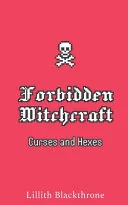
Lilith Blackthorne’s *Real Witchcraft* cuts through the saccharine pronouncements common in contemporary occult literature, offering a starkly practical, almost utilitarian guide to the shadow aspects of spellcraft. The strength of the book lies in its directness; it doesn't equivocate on the necessity and application of curses, hexes, and bindings, framing them as tools for justice and self-preservation. Blackthorne’s methodical approach to curse-breaking, for instance, provides a clear, step-by-step process that feels grounded in tangible magical theory, moving beyond mere incantation. However, the book’s unwavering focus on darker arts, while its primary appeal, might alienate those seeking a broader spectrum of magical practice. The assertion that "not all magic is love and light" is the work’s central thesis, and it pursues this with a singular, uncompromising vision. It is a potent addition for the witch unafraid of the shadows.
📝 Description
83
Real Witchcraft, published in 2021, details potent, often avoided magical practices.
This book presents a direct approach to witchcraft, moving past idealized notions to address potent, sometimes avoided practices. It covers methods for curse-breaking, binding adversarial energies, and banishing negative influences. The text focuses on personal empowerment through specific magical techniques, including ritual, herbs, and lunar cycles.
Readers seeking an unfiltered perspective will find this book valuable. It is for those ready to confront challenging aspects of spellcraft, including defensive and offensive magic, desiring actionable knowledge over abstract theory. The audience includes serious practitioners, occult students, and individuals interested in the practical applications of darker magical arts.
The work engages with historical currents of folk magic and witchcraft often marginalized in favor of more sanitized interpretations. It draws upon traditions emphasizing protective and retributive magic, present in European folk practices before the 19th-century occult revivals. The book implicitly challenges the modern tendency to dilute potent magical traditions.
The book draws upon historical currents of folk magic and witchcraft, particularly European traditions that emphasized protective and retributive magic. These practices predate the widespread influence of 19th-century occult revivals and often contrast with more sanitized or spiritualized interpretations of witchcraft. It engages with concepts like sympathetic and contagious magic, integral to many folk practices for constructing and dismantling magical effects.
💡 Why Read This Book?
• Gain practical, unvarnished techniques for curse-breaking and banishing, directly applicable to personal defense as detailed in the 'Curse Lore' section. • Understand the strategic use of herbs and lunar phases for specific outcomes, moving beyond general correspondences to actionable spellcraft as presented in the ritual instructions. • Learn methods for binding and hexing for justice, a facet of witchcraft often omitted, providing tools for empowerment through direct magical intervention as described in the hexing chapters.
⭐ Reader Reviews
Honest opinions from readers who have explored this book.
❓ Frequently Asked Questions
What kind of witchcraft does 'Real Witchcraft' focus on?
The book concentrates on the 'darker' or more potent aspects of witchcraft, including curse-breaking, hexing, binding, and banishing. It moves away from idealized or purely benevolent magical practices towards those focused on justice, protection, and power.
Is 'Real Witchcraft' suitable for beginners?
While it offers step-by-step guidance, the subject matter deals with challenging magical arts. Beginners should approach with caution and a solid understanding of ethical considerations in magic, though the no-nonsense approach can be illuminating.
What historical traditions does 'Real Witchcraft' draw from?
The book taps into historical currents of folk magic and witchcraft that historically included practices for protection, retribution, and binding. It reflects a lineage of practical, often unwritten, magical traditions.
Does the book cover protection spells?
Yes, protection is a key theme, addressed through banishing rituals and defensive magic. The book provides methods to ward off negative influences and bind those who cause harm.
What makes this book different from other witchcraft guides published in 2025?
Unlike many guides that focus on light magic or general spirituality, 'Real Witchcraft' directly confronts and details the use of curses, hexes, and bindings, offering practical instruction on these often-taboo subjects.
Are there specific rituals or spells included?
Yes, the book contains detailed instructions for various rituals, including step-by-step hexes for justice, protection, and power, as well as methods for binding and banishing.
🔮 Key Themes & Symbolism
Shadow Spellcraft
This theme explores the necessity and efficacy of magical practices often deemed 'dark' or taboo. It argues that these methods, including hexes and bindings, are vital tools for justice, protection, and reclaiming power. The book moves beyond simplistic good/evil dichotomies, presenting these techniques as practical applications of magical force, essential for confronting adversity and adversarial energies in the world.
Curse Lore and Counter-Magic
Focuses on the historical and practical understanding of curses – how they are cast and, crucially, how they can be broken. This section offers detailed lore and actionable methods for dismantling hexes and protective enchantments, providing practitioners with the knowledge to defend themselves against magical attacks and to cleanse lingering negative energies from themselves or their environment.
Binding and Banishment
This theme details the potent arts of magically restraining entities or individuals who cause harm and expelling unwanted influences. It covers the principles behind binding spells, designed to neutralize threats, and banishing rituals, which cleanse spaces and individuals of negative forces, emphasizing control and energetic purification.
Practical Herb and Lunar Magic
Highlights the pragmatic application of natural elements and celestial timing in spellcraft. The book details specific herbs and their properties for magical work and outlines how to leverage moon phases to amplify the power and effectiveness of rituals, curses, hexes, and protective workings, grounding the magic in tangible components.
💬 Memorable Quotes
Direct passages from the work, attributed to the author.
“Not all magic is love and light.”
— This statement serves as the book's foundational assertion, challenging the sanitized or overly spiritualized perceptions of witchcraft prevalent in some modern circles. It argues for the necessity and validity of darker, more forceful magical practices.
“This book opens the door to the darker side of spellcraft that most witches won't talk about.”
— This highlights the book's controversial yet essential subject matter. It promises to reveal hidden or suppressed knowledge concerning potent, potentially aggressive forms of magic often avoided in mainstream occult discourse.
“Learn to bind those who harm, banish what holds you back, and even break curses that others cast.”
— This outlines the key actionable skills the reader will acquire. It focuses on direct intervention in one's life and the lives of others, offering methods for control, liberation, and rectification of magical grievances.
“Guided by a wise, no-nonsense witch, you'll examine rituals, herbs, and moonlit tim[es].”
— This describes the instructional approach, emphasizing a direct, experienced, and pragmatic mentorship. It points to the integration of ritual, natural elements (herbs), and celestial timing (moon) as integral components of the magical system taught.
💡 Key Ideas
Editorial paraphrase of the work's core concepts — not direct quotes.
Ancient curse lore to step-by-step hexes for justice, protection, and power.
This summarizes the core content, emphasizing both theoretical knowledge ('curse lore') and practical application ('step-by-step hexes'). It frames these potent spells as tools for specific, justifiable ends: justice, defense, and personal empowerment.
🌙 Esoteric Significance
Tradition
This work draws from the practical, often unnamed, traditions of European folk magic and what might be termed 'kitchen witchery' or 'hedge witchery,' which historically focused on tangible results and direct intervention. It sidesteps the more structured, philosophical lineages like Golden Dawn Hermeticism or ceremonial magic, instead emphasizing a raw, results-oriented approach to spellcraft that predates much of the modern occult revival.
Symbolism
Key symbols include the moon, representing cyclical power, intuition, and the hidden aspects of magic, particularly potent during its dark and waxing phases for curses and bindings. Herbs are treated not merely as ingredients but as potent symbolic and energetic allies, each carrying specific virtues for protection, banishment, or cursing. Shadows themselves function symbolically, representing the often-feared but necessary power found outside conventional morality.
Modern Relevance
Contemporary practitioners interested in practical, results-driven magic outside of mainstream neopaganism often turn to works like this. It speaks to individuals exploring shadow work, personal sovereignty, and the ethical complexities of wielding power, particularly those disillusioned with overly spiritualized or passive magical approaches. It informs discussions on modern defensive magic and the reclamation of 'baneful' practices.
👥 Who Should Read This Book
• Advanced practitioners seeking to expand their repertoire with potent, potentially controversial magical techniques for justice and defense. • Students of comparative witchcraft interested in understanding the historical spectrum of magical practices beyond modern neopaganism. • Individuals facing persistent energetic or interpersonal challenges who require direct magical intervention for protection and resolution.
📜 Historical Context
Published in 2025, *Real Witchcraft* emerges into a contemporary occult landscape often dominated by New Age spirituality and neopaganism, which frequently emphasize benevolent practices and ecological reverence. This book explicitly departs from such trends, aligning itself with older, less compromised traditions of folk magic and witchcraft that acknowledged and utilized darker arts for self-defense, justice, and retribution. While authors like Doreen Valiente in the mid-20th century worked to codify Wiccan practices, Blackthorne's work seems to actively reject that sanitization, engaging instead with a more primal, perhaps pre-Wiccan, understanding of witchcraft. Its focus on curses and hexes positions it against the more conciliatory approaches that gained prominence in the latter half of the 20th century, implicitly challenging the notion that all potent magic must be wielded with extreme caution or solely for positive outcomes.
📔 Journal Prompts
Reflect on the 'no-nonsense witch' archetype presented in the book; how does this contrast with other magical mentors you've encountered?
Analyze the concept of curse-breaking: what ethical considerations arise when dismantling another's magic?
Consider the specific power dynamics implied by binding spells; when is such intervention justified?
Explore the symbolic significance of shadows in witchcraft as presented in the text.
Map the lunar phases mentioned for specific spell types and consider their energetic implications for your practice.
🗂️ Glossary
Hexing
The practice of casting a spell intended to cause harm, misfortune, or ill will towards an individual or situation. Often employed for justice or retribution.
Binding
A magical technique used to restrain or immobilize an entity, person, or force. It is employed to prevent harm, stop unwanted actions, or contain negative energies.
Banishment
A ritualistic practice aimed at expelling unwanted energies, entities, or influences from a person, place, or object. It serves to cleanse and purify.
Curse Lore
The accumulated knowledge, understanding, and specific practices related to the casting and breaking of curses, including their origins, mechanisms, and countermeasures.
Spellcraft
The art and practice of creating and casting spells, encompassing the understanding of magical principles, the use of tools, and the intentional manipulation of energies.
Justice Spells
Magical workings specifically designed to rectify perceived wrongs, bring about fairness, or exact retribution upon those who have caused harm.
Protection Magic
Magical practices and spells intended to safeguard oneself, others, or a space from physical, emotional, or spiritual harm and negative influences.
This book appears in 1 collection
🔮 Readers Also Liked
Browse all →







From the “Spellcraft” Collection
View all →





More Free Occult Philosophy Books
View all →