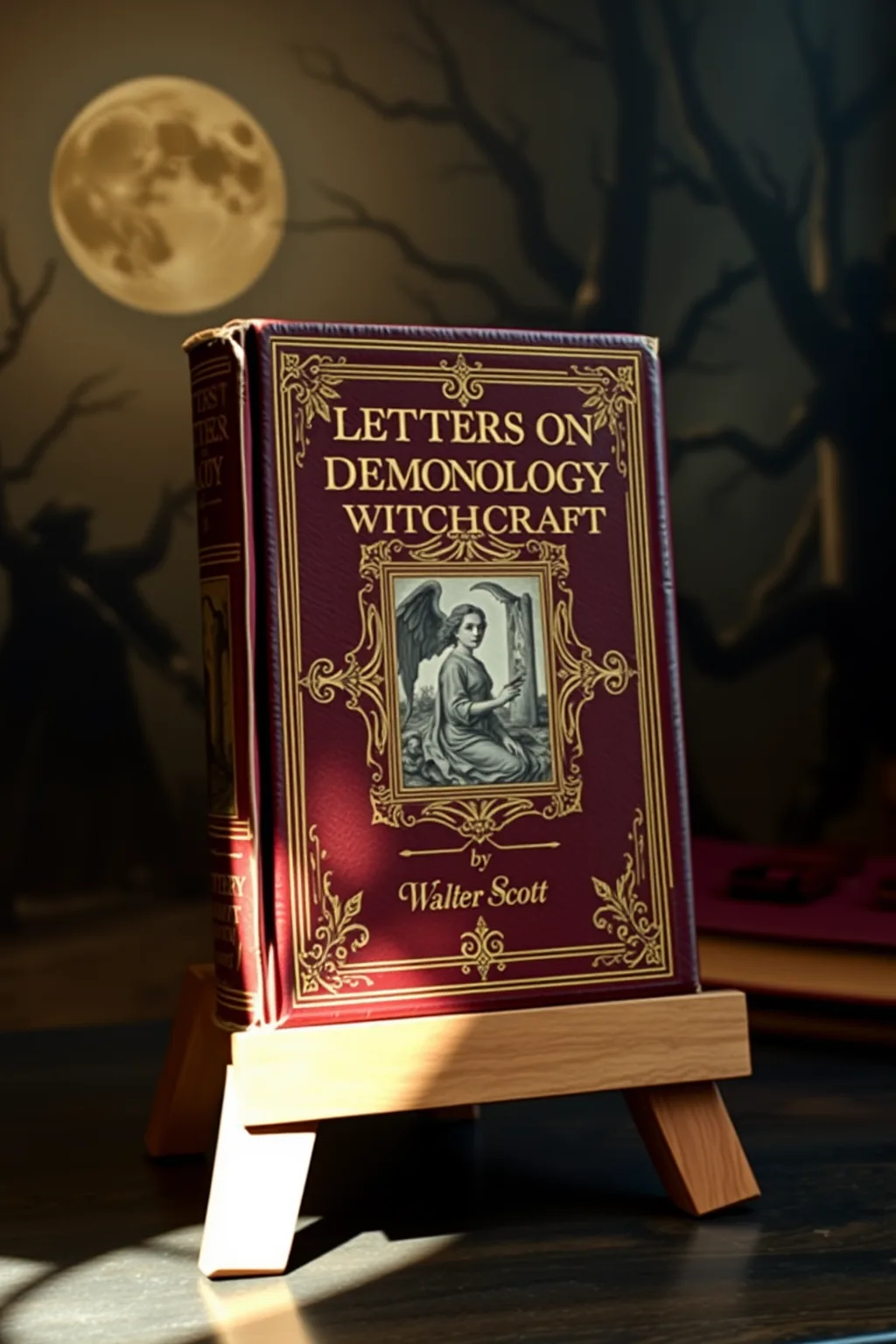
Letters on Demonology and Witchcraft
 70
70

Letters on Demonology and Witchcraft



Walter Scott's 'Letters on Demonology and Witchcraft' is a treasure trove of esoteric knowledge that continues to captivate modern readers. Published in 1771, this work stands as a testament to Scott's scholarly prowess and his ability to weave together historical fact and folkloric lore. For contemporary esoteric seekers, the book serves as both an educational tool and a source of inspiration. Scott's detailed accounts of witch trials and demonic encounters provide a fascinating glimpse into the beliefs and practices of past centuries, while his analytical approach offers valuable insights into the psychological and cultural underpinnings of these phenomena. The text is meticulously researched and beautifully written, making it accessible to a wide audience. Whether you are interested in the historical aspects of witchcraft or the enduring allure of demonology, 'Letters on Demonology and Witchcraft' is a must-read.
📝 Description
70
Walter Scott wrote 'Letters on Demonology and Witchcraft' in 1830, examining historical beliefs about the supernatural.
Published in 1830, Walter Scott's 'Letters on Demonology and Witchcraft' examines the historical understanding of supernatural phenomena. Scott, a prominent figure of the Romantic era, approached the subject with a blend of scholarly interest and literary flair. He discusses the origins and evolution of beliefs surrounding demons, witches, and other spectral entities. The letters touch upon folklore, religious interpretations, and the psychological aspects of fear and superstition that fueled these narratives.
Scott does not present himself as a believer but rather as an observer of cultural history. His work analyzes how societies have grappled with the unknown, often attributing unexplained events to malevolent forces or supernatural intervention. The text considers the social and historical contexts that shaped these beliefs, offering insights into the mindset of past generations and their engagement with the uncanny.
Walter Scott's work falls within a broader 19th-century fascination with the occult and the supernatural. This period saw renewed interest in folklore, ancient myths, and spiritualism, often viewed through a Romantic lens. His 'Letters' engage with theological and philosophical discussions about good and evil, the nature of spirits, and the societal impact of belief in witchcraft. While not a practitioner's guide, the book reflects an intellectual engagement with esoteric traditions that were part of the cultural milieu.
✍️ Author
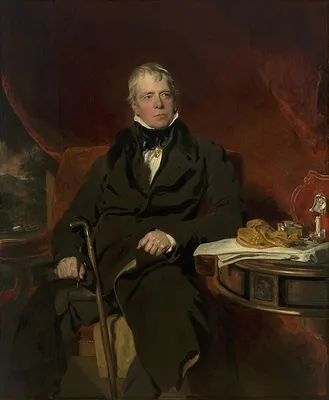
Scott, Walter
Sir Walter Scott was a Scottish novelist, poet, and historian, celebrated for his historical romances and his influential work, "Letters on Demonology and Witchcraft," which explored the history of supernatural beliefs.
A pioneering historian and literary figure whose "Letters on Demonology and Witchcraft" provided a foundational historical and cultural examination of supernatural beliefs, crucial for understanding the history of esotericism.
- Letters on Demonology and Witchcraft
- Waverley
- Ivanhoe
- Rob Roy
💡 Why Read This Book?
Reading 'Letters on Demonology and Witchcraft' today offers a unique opportunity to explore the historical roots of modern esoteric practices. The book provides a comprehensive overview of demonology and witchcraft, making it an invaluable resource for anyone interested in the occult. By understanding the past, readers can gain a deeper appreciation for the present and perhaps even glimpse into the future of esoteric traditions. Whether you are a practitioner of paganism or simply curious about the mysteries of the supernatural, this book will enrich your knowledge and deepen your understanding.
⭐ Reader Reviews
Honest opinions from readers who have explored this book.
❓ Frequently Asked Questions
What is the historical significance of 'Letters on Demonology and Witchcraft'?
Published in 1771, 'Letters on Demonology and Witchcraft' by Walter Scott is a foundational text in the study of esoteric practices. It provides a detailed account of historical witch trials and demonic beliefs, offering valuable insights into the cultural and psychological aspects of these phenomena.
Who should read this book?
This book is ideal for scholars, enthusiasts, and practitioners of the occult, as well as anyone interested in the history of witchcraft and demonology. It offers a rich and enlightening journey into the shadows of human belief and practice.
What themes does the book explore?
The book explores key themes such as the historical context of witch trials, the folklore surrounding demonic entities, and the psychological aspects of belief in the supernatural. It provides a comprehensive overview of demonology and witchcraft, making it an invaluable resource for anyone interested in the occult.
🔮 Key Themes & Symbolism
The Nature of Demonology
Scott explores the historical and cultural contexts of demonology, exploring how these beliefs have shaped human understanding of the supernatural. This theme is rich with esoteric insights and symbolism, making it a key area of study for those interested in the mystical arts.
Witchcraft Practices and Beliefs
The book provides a comprehensive look at the practices and beliefs associated with witchcraft, offering a deep dive into the rituals and symbolism that have fascinated humans for centuries.
The Intersection of History and Mystery
Scott's work masterfully blends historical accounts with esoteric wisdom, creating a narrative that is both informative and mystical. This theme highlights the importance of understanding the past to unlock the mysteries of the present.
💬 Memorable Quotes
Direct passages from the work, attributed to the author.
“The boundaries between the natural and supernatural are often blurred by the veil of human imagination.”
— Scott's words underscore the mystical nature of human belief, where the line between reality and fantasy is thin.
“Witchcraft is a range woven with threads of ancient rituals and hidden knowledge.”
— This metaphor illustrates the complexity and depth of witchcraft practices, inviting readers to explore its long history.
“The pursuit of esoteric wisdom is a journey into the unknown, where every step reveals new mysteries.”
— Scott's words encourage readers to embrace the unknown and seek deeper understanding of the mystical arts.
💡 Key Ideas
Editorial paraphrase of the work's core concepts — not direct quotes.
Demonology is a study of the dark arts that have captivated and terrified mankind for generations.
This quote highlights the enduring fascination with the occult, showcasing its timeless appeal and relevance.
The supernatural is not a field of fear but a doorway to enlightenment.
This quote suggests that the occult can be a source of spiritual growth and enlightenment, challenging conventional fears.
🌙 Esoteric Significance
Tradition
This book belongs to the Hermetic tradition, focusing on the hidden knowledge and mystical arts that have been passed down through generations. It explores the symbolism and rituals associated with demonology and witchcraft, offering a deep dive into the esoteric world.
Symbolism
Key symbols in the book include the pentagram, the pentacle, and various ritualistic tools. These symbols are rich with meaning, representing the intersection of the natural and supernatural worlds. They serve as gateways to deeper spiritual understanding and mystical practices.
Modern Relevance
Today, this book remains relevant for modern practitioners of the occult, providing a historical foundation for their practices. It is often used in academic studies of the mystical arts and continues to inspire seekers of hidden knowledge. Contemporary occultists and witches find value in its insights and symbolism.
👥 Who Should Read This Book
Beginners will appreciate the engaging narrative and historical context, making it an accessible introduction to the occult. Scholars will find it a valuable resource for academic study, offering useful insights into the historical and cultural aspects of demonology and witchcraft. Spiritual seekers will be drawn to the book's esoteric wisdom and symbolism, finding inspiration for their spiritual journeys. Practitioners will benefit from the rich knowledge it provides, enhancing their understanding and practice of the mystical arts.
📜 Historical Context
Walter Scott's 'Letters on Demonology and Witchcraft' was written during a time when interest in the occult was resurging, following the Enlightenment's skepticism. The book's importance lies in its ability to bridge historical accounts with esoteric wisdom, providing a comprehensive look at the mystical arts. Its influence can be seen in modern occult studies, where it continues to be a reference point for scholars and practitioners alike.
📔 Journal Prompts
How have historical beliefs in demonology and witchcraft shaped modern occult practices?
What symbols and rituals in the book resonate with your spiritual journey?
How does the book challenge your understanding of the supernatural?
What esoteric insights from the book can you apply to your daily life?
How does the intersection of history and mystery in the book inspire your exploration of the occult?
🗂️ Glossary
Demonology
The study of demons and their influence on the natural world, often explored through esoteric and mystical lenses.
Witchcraft
A practice involving rituals and spells, often associated with the occult and mystical arts.
Esoteric
Knowledge that is hidden or secret, often requiring initiation or deep study to understand.
Symbolism
The use of symbols to represent abstract ideas or concepts, often found in mystical and occult practices.
Hermetic Tradition
A philosophical and spiritual tradition based on the writings of Hermes Trismegistus, focusing on hidden knowledge and mystical arts.
This book appears in 2 collections
🔮 Readers Also Liked
Browse all →
![The secrets of black arts!: A key note to witchcraft, devination [sic], omens, forwarnings, apparitions, sorcery, dæmonology, dreams, predictions, visions, and the Devil's legacy to earth mortals, compacts with the Devil! With the most authentic history of Salem witchcraft](/img/thumb/the-secrets-of-black-arts-b-a-key-note-to-witchcraft-devination-sic-omens-forwarnings-apparitions-sorcery-d-monology-dreams-predictions-visions-and-the-devil-s-legacy-to-earth-mortals-compacts-with-th.webp)



More by Scott, Walter
All books →
From the “Witchcraft” Collection
View all →




More Free Witchcraft & Paganism Books
View all →