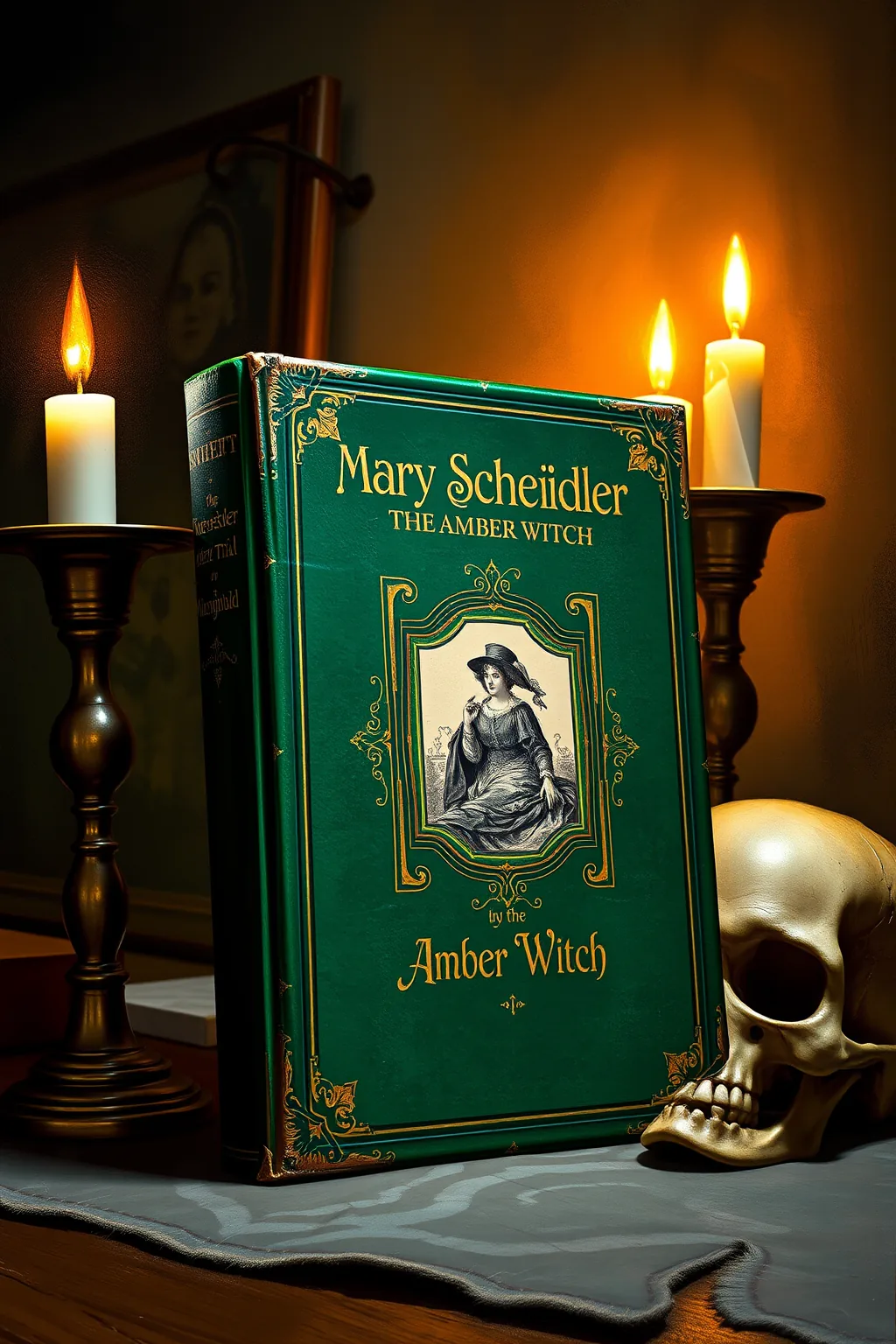
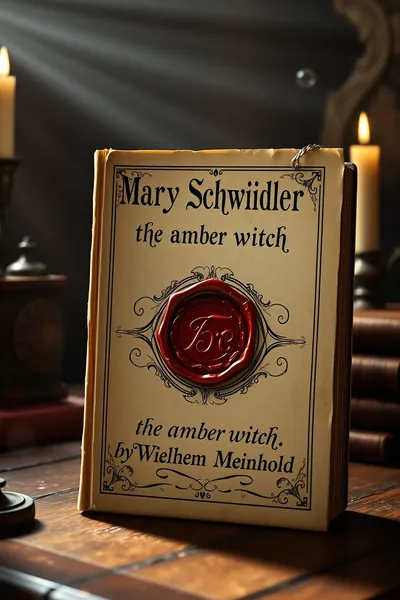
Mary Schweidler, the Amber Witch: The Most Interesting Trial for Witchcraft Ever Known. Printed ...
 74
74

Mary Schweidler, the Amber Witch: The Most Interesting Trial for Witchcraft Ever Known. Printed ...



Wilhelm Meinhold's 'Mary Schweidler, the Amber Witch' is a gem for modern esoteric seekers, offering a detailed and engrossing account of a historic witchcraft trial. Published in 1844, the book provides a window into the superstitions and legal complexities of the time, making it a valuable resource for those interested in the occult and pagan studies. Meinhold's writing is vivid and evocative, transporting readers to the heart of the trial and the esoteric beliefs that surrounded it. The narrative is rich with cultural and historical context, providing a deep understanding of the societal attitudes towards witchcraft and the legal processes involved. For contemporary readers, this book serves as a reminder of the enduring fascination with the supernatural and the timeless struggle between belief and rationality. The detailed accounts of the trial and the supernatural elements make it a must-read for anyone interested in the esoteric and occult.
📝 Description
74
Wilhelm Meinhold published 'Mary Schweidler, the Amber Witch' in 1843, detailing a fictional witchcraft trial.
Wilhelm Meinhold's 1843 novel, 'Mary Schweidler, the Amber Witch,' recounts the trial of a young woman accused of witchcraft in 18th-century Pomerania. The narrative is presented as a discovered historical document, lending it an air of authenticity. Mary is accused of various malefic acts, but the story also touches upon folk magic, healing practices, and the religious anxieties of the time.
The trial itself becomes a lens through which Meinhold examines societal beliefs about the supernatural, religious fervor, and the persecution of those who deviate from norms. The book explores themes of superstition, faith, and the manipulation of popular belief. While framed as a historical account, it uses the trial to comment on human nature and the persistence of the occult in everyday life.
Published in the mid-19th century, a period of renewed interest in folklore and the occult, 'Mary Schweidler, the Amber Witch' engages with traditions of historical gothic fiction and demonological texts. Meinhold's framing of the story as a recovered manuscript echoes earlier literary devices used to legitimize fantastical or speculative narratives. The novel taps into a broader cultural fascination with witchcraft trials, presenting a fictionalized account that touches on themes of heresy, pagan survivals, and the psychological underpinnings of belief in the supernatural. It sits within a tradition of literature that uses historical settings to explore enduring questions about magic and human belief.
💡 Why Read This Book?
Reading 'Mary Schweidler, the Amber Witch' today offers a unique opportunity to explore the historical and cultural roots of witchcraft and paganism. This book provides valuable insights into the legal and social dynamics of witchcraft trials, enriching your understanding of the esoteric and occult practices of the past. Whether you are a historian, an esoteric seeker, or simply curious about the supernatural, this book offers a compelling narrative that bridges the gap between history and the occult.
⭐ Reader Reviews
Honest opinions from readers who have explored this book.
❓ Frequently Asked Questions
What is the historical significance of 'Mary Schweidler, the Amber Witch'?
This book provides a detailed account of an 1844 witchcraft trial, offering valuable insights into the cultural and legal dynamics of the time. It is significant for its portrayal of superstitions and esoteric beliefs prevalent in 19th-century Europe.
Who should read this book?
Anyone interested in the history of witchcraft, paganism, and the occult will find this book engaging. It is also valuable for historians and those curious about the supernatural.
What themes are explored in 'Mary Schweidler, the Amber Witch'?
The book explores themes of superstition, legal intrigue, and the intersection of history and esoteric practices. It delves into the cultural and religious beliefs surrounding witchcraft and paganism.
🔮 Key Themes & Symbolism
Occult Trials and Symbolism
The book explores the occult trial of Mary Schweidler, studying the detailed symbolism and hidden knowledge associated with witchcraft and paganism. Meinhold's narrative provides a deep dive into the esoteric practices and beliefs that underpin these trials, offering readers a unique perspective on the mystical arts.
Societal Fears and Spiritual Quests
The story of Mary Schweidler's trial serves as a microcosm of societal fears and spiritual quests, examining the enduring allure of the supernatural. Meinhold's prose evokes a sense of mystery and wonder, making this book an essential read for those interested in the deeper layers of human belief.
The Philosophical Significance of Witchcraft
The book invites readers to ponder the boundaries between reality and the supernatural, offering a philosophical examination of the human psyche and the enduring fascination with witchcraft and paganism. Meinhold's narrative is both evocative and enlightening, providing a unique perspective on the mystical arts.
💡 Key Ideas
Editorial paraphrase of the work's core concepts — not direct quotes.
The amber witch, with her eyes of flame, holds secrets that transcend the mortal world.
This quote underscores the mystical allure of Mary Schweidler, symbolizing the hidden knowledge and occult practices that lie beyond ordinary perception.
In the shadows of the trial, the true magic begins to unfold.
This line highlights the esoteric insights revealed through the trial, inviting readers to explore the deeper layers of the supernatural.
The boundaries between reality and the supernatural blur in the face of ancient rites.
This quote emphasizes the philosophical significance of the narrative, encouraging readers to ponder the mystical arts and their impact on human belief.
The amber witch's trial is a dance with the devil, a journey into the unknown.
This line underscores the suspense and mystery that permeate the story, making it a captivating read for seekers of esoteric wisdom.
In the heart of Germany, a tale of witchcraft and paganism unfolds, revealing the enduring allure of the occult.
This quote sets the atmospheric tone of the book, inviting readers to immerse themselves in the body of occult symbolism and hidden knowledge.
🌙 Esoteric Significance
Tradition
The book belongs to the Hermetic tradition, exploring the hidden knowledge and ancient symbolism associated with witchcraft and paganism. Meinhold's narrative explores the esoteric practices and beliefs that underpin these occult trials, offering readers a unique perspective on the mystical arts.
Symbolism
Key symbols in the book include the amber witch's eyes of flame, representing hidden knowledge and occult practices. The trial itself serves as a symbol of the enduring allure of the supernatural and the boundaries between reality and the mystical.
Modern Relevance
The book's modern relevance lies in its exploration of the enduring fascination with witchcraft and paganism. Today, practitioners of the occult and seekers of esoteric wisdom continue to draw upon the symbolism and hidden knowledge presented in Meinhold's narrative, making it a valuable resource for those interested in the mystical arts.
👥 Who Should Read This Book
Beginners interested in the occult may find the book challenging but enlightening, as it provides a deep dive into esoteric practices and beliefs. Scholars of religious studies will appreciate the historical context and philosophical significance of the narrative. Spiritual seekers and practitioners of witchcraft will find valuable insights into the mystical arts and the enduring allure of the supernatural. Overall, anyone curious about the deeper layers of human belief and the occult will benefit from reading 'Mary Schweidler, the Amber Witch.'
📜 Historical Context
Set in 19th-century Germany, 'Mary Schweidler, the Amber Witch' reflects the societal fears and superstitions surrounding witchcraft and paganism during that era. The book's importance lies in its exploration of the occult trial of Mary Schweidler, providing a unique perspective on the mystical arts and their impact on human belief. The narrative explores the detailed symbolism and hidden knowledge associated with witchcraft, offering readers a deep dive into the esoteric practices and beliefs that underpin these trials. The book's influence can be seen in its enduring fascination with the supernatural and its contribution to the study of religious and occult practices.
📔 Journal Prompts
Reflect on the symbolism of the amber witch's eyes of flame and what hidden knowledge they might represent.
How does the trial of Mary Schweidler challenge your perceptions of reality and the supernatural?
Consider the philosophical significance of the narrative and its examination of the human psyche.
Explore the societal fears and superstitions surrounding witchcraft and paganism in 19th-century Germany.
What insights into the mystical arts and occult practices can be gained from Meinhold's narrative?
🗂️ Glossary
Hermetic Tradition
A philosophical and spiritual tradition based on the writings attributed to Hermes Trismegistus, focusing on hidden knowledge and esoteric practices.
Occult
Relating to supernatural, mystical, or magical phenomena, often involving secret or hidden knowledge.
Paganism
A broad term for various religions and spiritual paths that predate Christianity, often involving nature worship and polytheism.
Witchcraft
The practice of magic, often involving spells, rituals, and the invocation of supernatural forces.
Symbolism
The use of symbols to represent ideas or qualities, often in a mystical or esoteric context.
This book appears in 2 collections
🔮 Readers Also Liked
Browse all →





More by Wilhelm Meinhold
All books →



From the “Witchcraft” Collection
View all →





More Free Witchcraft & Paganism Books
View all →