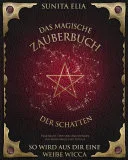
Das magische Zauberbuch der Schatten
 82
82

Das magische Zauberbuch der Schatten
Sunita Elia and Melanie Ilg’s Das magische Zauberbuch der Schatten offers a refreshingly direct approach to magical practice, eschewing arcane jargon for clear instruction. Its strength lies in its structured presentation of core concepts, particularly the explicit listing of thirteen commandments and the detailed exploration of elemental correspondences. The explanation of how magic possesses color, for instance, provides a concrete, sensory anchor for beginners. However, the work sometimes feels overly simplistic; while effective for novices, more experienced practitioners might find the foundational nature of the material lacking in nuanced exploration. A passage detailing the interaction between elemental energies feels particularly illustrative of the book's practical, albeit basic, methodology. The book serves as a solid primer, but its depth is limited by its introductory scope. It is a functional starting point for the curious neophyte.
📝 Description
82
Published in 2022, Das magische Zauberbuch der Schatten is a practical guide to witchcraft, not a theoretical text.
Das magische Zauberbuch der Schatten, released in 2022, functions as a practical manual for witchcraft, aiming to instruct readers in various magical forms and their uses. The book lays out thirteen specific commandments for practitioners, focusing on work with the four classical elements: fire, water, air, and earth. Its language and structure make it suitable for those new to magic or seeking a clear introduction to esoteric studies.
This book is intended primarily for "Junghexen," or young witches, and individuals beginning their path in the craft. It also serves as a resource for anyone wanting to grasp the core aspects of magic, irrespective of prior experience. The text emphasizes the concept of "magic having colors," suggesting a system of correspondences tied to magical practices or intentions. It details thirteen commandments, likely serving as ethical or operational directives for those who practice magic. The focus on elemental work grounds magical practice in the physical world, presenting the four elements as fundamental forces for spellcraft and ritual.
While published in 2022, the concepts in Das magische Zauberbuch der Schatten draw from long standing traditions in Western esotericism. The emphasis on the four elements and basic magical laws reflects enduring practices within these traditions. Its release coincides with a recent surge in interest in occult studies and personal magical development, often supported by online resources and communities.
💡 Why Read This Book?
• Gain a foundational understanding of elemental magic, including practical techniques for working with fire, water, air, and earth, as detailed in the book's core sections on the four elements. • Learn thirteen guiding principles for magical practice, offering a structured ethical and operational framework that moves beyond abstract theory. • Explore the concept of magic possessing colors, providing a sensory lens through which to perceive and apply different magical energies, as introduced by Elia and Ilg.
⭐ Reader Reviews
Honest opinions from readers who have explored this book.
❓ Frequently Asked Questions
What are the main subjects covered in Das magische Zauberbuch der Schatten?
The book covers fundamental aspects of witchcraft and magic, including different types of magic, their applications, basic magical principles, thirteen commandments for practitioners, and working with the four elements: fire, water, air, and earth.
Is this book suitable for experienced witches?
Das magische Zauberbuch der Schatten is primarily aimed at beginners or "young witches." While it provides a solid foundation, experienced practitioners might find its content to be introductory rather than offering advanced techniques or deeper theoretical explorations.
What is the significance of the thirteen commandments mentioned?
The thirteen commandments serve as guiding principles or rules intended for practitioners to follow in their magical work. They likely offer an ethical framework and practical advice for engaging with magical energies and practices safely and effectively.
How does the book explain working with the four elements?
The book provides guidance on interacting with and utilizing the energies of the four classical elements: fire, water, air, and earth. This likely involves understanding their properties and learning practical methods for incorporating them into rituals and spells.
What does the book mean by 'magic has colors'?
This concept suggests a system where different magical energies, intentions, or practices are associated with specific colors. It serves as a way to differentiate, categorize, and perhaps visualize or target magical effects.
Who are the authors of Das magische Zauberbuch der Schatten?
The book was written by Sunita Elia and Melanie Ilg, and it was first published on October 13, 2022.
🔮 Key Themes & Symbolism
Elemental Magic Foundations
The work systematically breaks down the practice of magic through the lens of the four classical elements: fire, water, air, and earth. It moves beyond mere theory to offer practical applications, suggesting methods for practitioners to actively engage with these primal forces. This approach grounds magical theory in tangible, observable aspects of the natural world, making it accessible for newcomers seeking to understand the building blocks of spellcraft and ritual.
The Thirteen Commandments
Central to the book's instruction are the thirteen commandments, presented as essential guidelines for anyone undertaking magical practice. These principles likely cover ethical considerations, operational procedures, and perhaps foundational beliefs necessary for effective and responsible witchcraft. Their explicit enumeration provides a clear, actionable code for readers working through the complexities of the magical arts.
The Energetics of Color in Magic
Das magische Zauberbuch der Schatten introduces the intriguing concept that magic possesses distinct colors. This suggests a sophisticated system of correspondences, where different hues represent specific energies, intentions, or elemental affiliations. Understanding these color associations allows practitioners to refine their magical work, enhancing their ability to visualize and direct energies with greater precision and intent.
Practical Witchcraft for Beginners
The book is explicitly designed as an introductory guide, targeting individuals new to witchcraft, referred to as "Junghexen." It prioritizes clarity and direct instruction over esoteric obscurity, aiming to clarify magical practices. By covering essential concepts like elemental work and ethical guidelines, it provides a supportive entry point for those eager to learn and practice witchcraft responsibly.
💬 Memorable Quotes
Direct passages from the work, attributed to the author.
“Dieses Buch ist ein wichtiger Ratgeber für alle Junghexen und Menschen beider Ge”
— This statement directly positions the book as an essential guide for neophyte practitioners of witchcraft and individuals exploring its tenets, emphasizing its role as a primary resource for learning.
“In diesem Buch lernst du die verschiedenen Arten von Magie und ihre Anwendungsformen kennen.”
— This highlights the book's comprehensive approach to introducing the diverse spectrum of magical practices and their practical applications, promising an educational overview for the reader.
“Weiters erfährst du alles über die Grundlagen der Magie, die 13 Gebote...”
— This points to the book's focus on foundational magical knowledge, specifically mentioning the thirteen commandments as a key component of its teachings for aspiring practitioners.
“wie du mit den 4 Elementen „Feuer“, „Wasser“, „Luft“ und „Erde“ arbeiten kannst.”
— This emphasizes the practical, hands-on aspect of the book, promising instruction on how to actively engage with and utilize the energies of the four classical elements in magical practice.
“Hast du gewusst, dass Magie Farben hat?”
— This rhetorical question introduces a specific, perhaps less common, concept within magical theory: the association of colors with magical energies, suggesting a unique perspective offered by the text.
🌙 Esoteric Significance
Tradition
This work draws from the broad tradition of Western Esotericism, specifically focusing on practical witchcraft rooted in elemental magic. It aligns with modern pagan and Wiccan practices that emphasize the four elements (fire, water, air, earth) as fundamental forces. While not strictly tied to a singular lineage like Hermeticism or Gnosticism, it incorporates foundational concepts common across many esoteric paths, presenting them in an accessible format for contemporary practitioners.
Symbolism
Key symbols in the book include the four classical elements (fire, water, air, earth), representing primal forces and states of being crucial for magical work. The concept of magic having colors suggests a symbolic language where hues denote specific energies, intentions, or correspondences, allowing for nuanced magical operations. The thirteen commandments themselves function symbolically, representing a structured ethical and practical framework for the witch's path.
Modern Relevance
Das magische Zauberbuch der Schatten speaks directly to contemporary practitioners seeking accessible entry points into witchcraft. Its emphasis on elemental work and practical application speaks to modern paganism, Wicca, and eclectic witchcraft. Thinkers and practitioners interested in the resurgence of occultism in the 21st century, particularly those exploring self-directed magical learning facilitated by digital resources, find value in its clear, structured guidance.
👥 Who Should Read This Book
• Aspiring witches and beginners in occult studies seeking a structured introduction to fundamental magical concepts and practices. • Individuals interested in learning practical techniques for working with the four classical elements (fire, water, air, earth) in a magical context. • Those looking for a clear set of ethical guidelines and operational principles, presented as the thirteen commandments for magical practitioners.
📜 Historical Context
Das magische Zauberbuch der Schatten emerged in 2022, a period marked by a significant and sustained public interest in witchcraft and esoteric practices, often amplified by online communities and social media platforms. While the book itself is contemporary, its subject matter—elemental magic, foundational principles, and ethical guidelines—echoes centuries-old traditions within Western esotericism. It taps into a lineage that includes figures like Agrippa and the Hermetic Order of the Golden Dawn, who codified many of these elemental and symbolic systems. The book's approach, prioritizing clear instruction for beginners, contrasts with more academic or historically dense grimoires. Its publication in the early 2020s positions it within a broader trend of accessible, self-study occult literature, catering to a generation seeking direct engagement with magical traditions outside of established, institutionalized orders. Unlike some earlier esoteric movements that faced significant public scrutiny or censorship, contemporary works like this often benefit from a more open, albeit sometimes skeptical, reception in the digital age.
📔 Journal Prompts
The thirteen commandments: Which principle requires the most personal reflection for your practice?
Elemental energies: How can the properties of fire be mirrored in your daily intentions?
The concept of magic having colors: Assign a color to a current personal challenge and explore its energetic implications.
Practical magic applications: Detail a simple ritual using one of the four elements you feel most drawn to.
Foundational magic: What aspect of the book's introduction to magic feels most intuitive to you?
🗂️ Glossary
Junghexen
A German term translating to 'young witches,' referring to individuals who are new to the practice of witchcraft or beginning their journey into magical studies.
Magie
The practice of influencing events, objects, people, or beings, or the environment by means of some supposed supernatural, material, or symbolic agency. In this context, it refers to practical witchcraft.
Die 4 Elemente
The four classical elements: fire, water, air, and earth. These are considered fundamental building blocks of the universe and are often used as foundational forces in magical rituals and spellwork.
Gebote
Commandments or precepts. In the context of this book, these are guiding principles or rules intended for practitioners to follow in their magical work.
Farben der Magie
The concept that magic possesses colors, suggesting a system of correspondences where different hues represent specific energies, intentions, or elemental associations.
Anwendungsformen
Forms of application or usage. This refers to the practical ways in which different types of magic can be employed or utilized by practitioners.
Grundlagen der Magie
The fundamentals or basics of magic. This encompasses the core principles, theories, and essential knowledge required to begin practicing magic.