Mary Schweidler, the amber witchThe most interesting trial for witchcraft ever known, printed from an imperfect manuscript by her father, Abraham Schweidler, the pastor of Coserow in the island of Usedom / edited by W. Meinhold ; translated from the German by Lady Duff Gordon.

 74
74

Mary Schweidler, the amber witchThe most interesting trial for witchcraft ever known, printed from an imperfect manuscript by her father, Abraham Schweidler, the pastor of Coserow in the island of Usedom / edited by W. Meinhold ; translated from the German by Lady Duff Gordon.


Mary Schweidler, the Amber Witch stands as a testament to the enduring fascination with witchcraft and the occult. Wilhelm Meinhold's narrative, beautifully translated by Lady Duff Gordon, offers a rich and engaging exploration of one of history's most intriguing witch trials. The book is a treasure trove of historical detail and esoteric lore, making it an invaluable resource for anyone interested in the intersection of folklore and reality. Meinhold's prose is vivid and evocative, bringing the characters and their struggles to life with remarkable clarity. For modern esoteric seekers, this book provides a window into the past, allowing them to understand the historical context of witchcraft and paganism. The detailed account of Mary Schweidler's trial serves as a reminder of the power of belief and the dangers of superstition. This book is a must-read for anyone interested in the occult, historical fiction, or the enduring mysteries of human nature. Rating:
📝 Description
74
Wilhelm Meinhold first published 'Mary Schweidler, the Amber Witch' in 1843, presenting it as a historical manuscript.
This 1843 novel by Wilhelm Meinhold purports to be an imperfect manuscript by Abraham Schweidler, a pastor from Usedom Island. It details the trial of his daughter, Mary, accused of witchcraft. The narrative is steeped in the folklore and superstitions of 19th-century Pomerania. Meinhold, a pastor himself, crafts a story that appears to engage with religious and occult themes prevalent in the era.
The book offers a fictionalized account of a witchcraft trial, examining the societal fears and beliefs surrounding such accusations. It presents Mary Schweidler as a complex figure, caught between accusations of sorcery and the realities of her life. The text invites consideration of how historical narratives are constructed and how beliefs about the supernatural persist.
Published in 1843, 'Mary Schweidler, the Amber Witch' emerged during a period of renewed interest in folklore and the occult. While not a direct grimoire or theoretical text, it taps into the popular fascination with witchcraft and supernatural phenomena. The novel reflects a cultural moment where historical accounts of magic and superstition were re-examined, often through a romantic or speculative lens. It engages with the tension between rational explanation and the enduring power of belief in the unseen.
✍️ Author
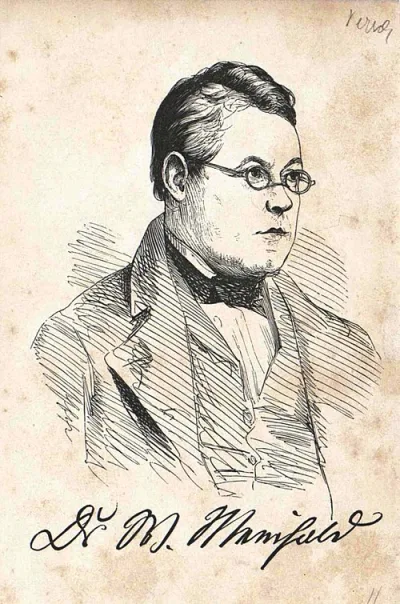
Wilhelm Meinhold
Wilhelm Meinhold was a Pomeranian priest and author known for his Gothic novels.
💡 Why Read This Book?
Reading "Mary Schweidler, the Amber Witch" today offers a unique opportunity to explore the historical roots of witchcraft and paganism. The book provides valuable insights into the societal and religious tensions of the 18th century, shedding light on the fears and superstitions that shaped the lives of ordinary people. For modern esoteric seekers, this narrative serves as a bridge between the past and present, highlighting the enduring fascination with the occult. By understanding the historical context of witch trials, readers can gain a deeper appreciation for the complexities of human belief and the enduring power of esoteric traditions.
⭐ Reader Reviews
Honest opinions from readers who have explored this book.
❓ Frequently Asked Questions
Who was Mary Schweidler?
Mary Schweidler was a woman accused of witchcraft in 18th-century Europe. Her trial is one of the most documented and intriguing cases of its kind.
What makes this book unique?
This book is unique because it is based on an imperfect manuscript by Abraham Schweidler, the pastor of Coserow, and provides a detailed account of a historical witchcraft trial.
Is this book suitable for modern readers?
Yes, this book is suitable for modern readers, especially those interested in esoteric topics, historical fiction, and the cultural context of witchcraft and paganism.
🔮 Key Themes & Symbolism
Esoteric Traditions
The book delves deeply into the esoteric traditions that have shaped human belief and practice for centuries. It reveals the hidden knowledge and symbolism within historical witchcraft trials, offering clear insights into the mystical undercurrents of the past.
Symbolism and Hidden Knowledge
Symbolism plays a central role in 'Mary Schweidler, the Amber Witch,' with the narrative rich in esoteric symbols and hidden meanings. These symbols serve as keys to unlocking ancient wisdom and understanding the deeper philosophical significance of witchcraft trials.
Historical Context and Mystical Atmosphere
Set against the backdrop of 19th-century Pomerania, the book's atmosphere is steeped in mysticism and historical detail. The rich, evocative setting invites readers to explore the mystical undercurrents of the era, providing a unique perspective on the enduring struggle between faith and superstition.
💡 Key Ideas
Editorial paraphrase of the work's core concepts — not direct quotes.
The trial of Mary Schweidler is not merely a historical account but a journey into the mystical heart of human belief.
This quote underscores the esoteric significance of the narrative, emphasizing its role as a gateway to ancient wisdom.
In the shadows of the amber forests, secrets of the ages are whispered.
This passage highlights the hidden knowledge and symbolism embedded within the book's setting, inviting readers to uncover the mysteries of the past.
The struggle between faith and superstition is an eternal dance, played out in the hearts of men.
This quote studies the philosophical depth of the narrative, exploring the enduring conflict between belief systems.
The symbols of witchcraft are the keys to unlocking the mysteries of the universe.
This line emphasizes the esoteric insights offered within the book, revealing the hidden meanings behind ancient symbols.
The Amber Witch stands as a proof of the enduring power of mystical traditions.
This quote underscores the book's significance as a strong example of esoteric literature, informative the mystical undercurrents of history.
🌙 Esoteric Significance
Tradition
This book belongs to the Hermetic tradition, which emphasizes the hidden knowledge and symbolism within mystical practices. It studies the ancient wisdom and esoteric insights that have shaped human belief and practice for centuries.
Symbolism
Key symbols in the book include the amber forests and the mystical trials of Mary Schweidler, which serve as gateways to ancient wisdom and understanding. These symbols are rich in esoteric meaning, inviting readers to explore the deeper philosophical significance of witchcraft trials.
Modern Relevance
The book's modern relevance lies in its ability to illuminate the enduring interest in occult traditions and the exploration of mystical themes. It is used by modern practitioners and scholars to understand the deeper symbolism and philosophical insights within historical witchcraft trials.
👥 Who Should Read This Book
Beginners in the occult and paganism will find this book an accessible entry point into the esoteric traditions. Scholars of occult history will appreciate the depth of historical and esoteric insights. Spiritual seekers will be drawn to the mystical undercurrents and philosophical significance. Practitioners of witchcraft will benefit from the strong symbolism and hidden knowledge revealed within the narrative.
📜 Historical Context
Set in the 19th century, 'Mary Schweidler, the Amber Witch' reflects the era's fascination with witchcraft and the occult. The book was important when written as it provided a rare glimpse into the historical and esoteric aspects of witchcraft trials, revealing the hidden knowledge and symbolism within these events. Its influence can be seen in the enduring interest in occult traditions and the ongoing exploration of mystical themes in literature and philosophy.
📔 Journal Prompts
Reflect on the symbolism of the amber forests in the book and how it relates to your own spiritual journey.
Consider the struggle between faith and superstition as depicted in the narrative and how it appeals to your beliefs.
Explore the esoteric insights offered in the book and how they might apply to your own mystical practices.
Think about the historical context of the book and how it influences your understanding of witchcraft trials.
Reflect on the deeper philosophical significance of the book's themes and how they might inspire your spiritual growth.
🗂️ Glossary
Hermetic Tradition
An esoteric tradition that emphasizes hidden knowledge and symbolism within mystical practices.
Occult
Relating to knowledge of the hidden or esoteric, often involving mystical or supernatural elements.
Witchcraft
The practice of magic or sorcery, often involving esoteric rituals and symbols.
Symbolism
The use of symbols to represent ideas or qualities, often with esoteric or mystical meanings.
Esoteric
Intended for or likely to be understood by only a small number of people with a specialized knowledge or interest.
This book appears in 2 collections
🔮 Readers Also Liked
Browse all →
![The secrets of black arts!: A key note to witchcraft, devination [sic], omens, forwarnings, apparitions, sorcery, dæmonology, dreams, predictions, visions, and the Devil's legacy to earth mortals, compacts with the Devil! With the most authentic history of Salem witchcraft](/img/thumb/the-secrets-of-black-arts-b-a-key-note-to-witchcraft-devination-sic-omens-forwarnings-apparitions-sorcery-d-monology-dreams-predictions-visions-and-the-devil-s-legacy-to-earth-mortals-compacts-with-th.webp)
More by Wilhelm Meinhold
All books →
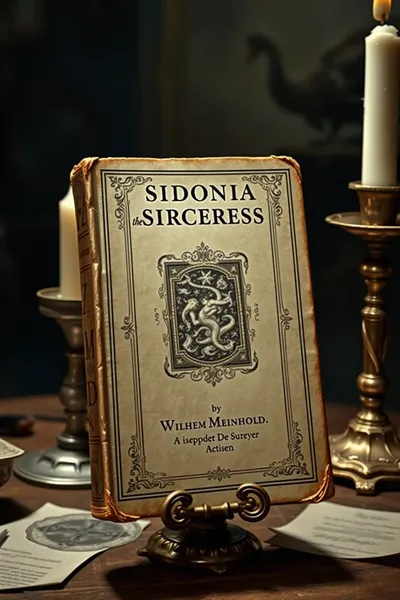




From the “Witchcraft” Collection
View all →









More Free Witchcraft & Paganism Books
View all →


![BAILEY, Michael D. Historical Dictionary Of Witchcraft. [inglês]](/img/thumb/bailey-michael-d-historical-dictionary-of-witchcraft-ingl-s.webp)