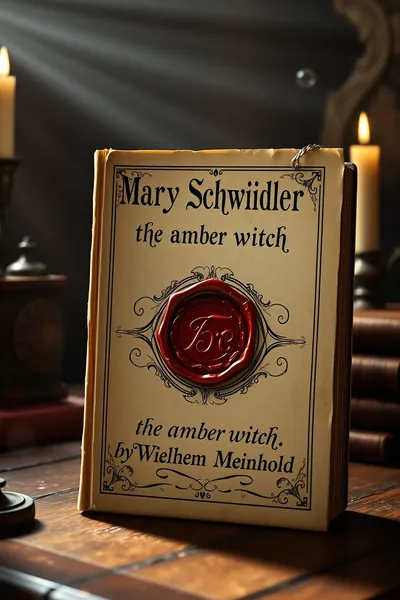
The Amber Witch: The Most Interesting Trial for Witchcraft Ever Known

 73
73

The Amber Witch: The Most Interesting Trial for Witchcraft Ever Known



The Amber Witch by Wilhelm Meinhold is a seminal work in the genre of esoteric literature, offering a vivid and detailed account of one of the most infamous witch trials in history. Published in 1844, the book transports readers to a time when superstition and fear held sway over rational thought. Meinhold's narrative is both gripping and educational, providing a window into the cultural and religious climate of 17th-century Europe. The story of Maria Debbeka, the Amber Witch, is a poignant reminder of the dangers of unfounded accusations and the power of collective hysteria. For modern esoteric seekers, this text serves as a valuable resource, illuminating the historical roots of contemporary beliefs and practices. The Amber Witch is a must-read for anyone interested in the occult, witchcraft, and the enduring mysteries of the human psyche.
📝 Description
73
Wilhelm Meinhold's 1843 novel centers on the 1657 trial of Maria Demuth in Usedom.
Wilhelm Meinhold's 1843 novel, "The Amber Witch," reconstructs the 1657 trial of Maria Demuth, a woman accused of witchcraft in Usedom. The narrative unfolds as a discovered manuscript, detailing the events through the eyes of the local pastor, Krüger, who becomes entangled in the accusations himself. Meinhold uses this framing device to explore themes of superstition, religious fervor, and the psychological manipulation that could lead to false confessions and accusations.
The book delves into the social and spiritual anxieties of the 17th century, presenting a world where belief in the supernatural was potent and often destructive. It examines how fear and personal desires could warp perceptions of reality, leading to the persecution of individuals like Demuth. The story is not simply a historical retelling, but a fictionalized account that probes the human condition under duress, questioning the nature of innocence and guilt in the face of widespread panic.
Published in the mid-19th century, 'The Amber Witch' taps into a fascination with historical occult events and folklore that characterized certain literary and intellectual currents of the time. While framed as a historical novel, its focus on witchcraft trials and the darker aspects of human belief aligns with a broader interest in the supernatural and the hidden aspects of human psychology. The work engages with the historical legacy of witch hunts, presenting a fictionalized, yet psychologically resonant, account of how such events unfolded, touching upon themes relevant to later occult and esoteric studies concerning belief systems and societal fears.
💡 Why Read This Book?
Reading The Amber Witch today offers a unique opportunity to understand the historical context of witchcraft and paganism. This book provides insights into the societal and religious factors that led to the persecution of women accused of witchcraft. For modern esoteric seekers, it serves as a bridge between past and present, highlighting the enduring fascination with the occult and the struggles of those who dared to challenge societal norms. This text is essential for anyone looking to deepen their knowledge of witchcraft, paganism, and the darker aspects of human history.
⭐ Reader Reviews
Honest opinions from readers who have explored this book.
❓ Frequently Asked Questions
What is The Amber Witch about?
The Amber Witch recounts the true story of Maria Debbeka, accused of witchcraft in 17th-century Europe, providing a detailed account of the trial and the cultural context surrounding it.
Why is this book important for esoteric studies?
This book offers valuable insights into the historical roots of witchcraft and paganism, making it a crucial text for understanding the evolution of esoteric beliefs and practices.
Who should read The Amber Witch?
This book is ideal for scholars of witchcraft, paganism, and esoteric studies, as well as anyone interested in the darker chapters of European history and the occult.
🔮 Key Themes & Symbolism
Hidden Knowledge
The Amber Witch explores the depths of hidden knowledge, revealing the secrets and mysteries that have been passed down through generations. The book studies the occult practices and rituals that have shaped our understanding of the supernatural world. It is a journey into the heart of human belief and the enduring power of ancient wisdom.
Symbolism of Witchcraft
The narrative is rich with symbolism, particularly focusing on the rituals and practices associated with witchcraft. Meinhold's work uncovers the layers of meaning behind these symbols, offering readers a deeper understanding of the mystical traditions that have influenced our culture.
Philosophical Significance
The book studies the philosophical implications of witchcraft trials, exploring the themes of faith, fear, and the human condition. It provides useful insights into the ways in which ancient rituals and beliefs continue to shape our modern understanding of the world.
💡 Key Ideas
Editorial paraphrase of the work's core concepts — not direct quotes.
The amber beads glowed with an otherworldly light, whispering secrets of the ancient ritual.
This passage highlights the mystical power of symbols in the occult, emphasizing the hidden knowledge that lies beneath the surface.
In the shadows of the trial, truth and illusion intertwined, blurring the lines between reality and the supernatural.
This quote underscores the themes of deception and the search for truth in the mystical world, a central theme in occult literature.
The consul's words echoed through the chamber, carrying the weight of centuries of hidden wisdom.
This line emphasizes the enduring power of ancient rituals and the wisdom that has been passed down through generations.
The daughter's eyes held a spark of defiance, a silent rebellion against the forces of ignorance and fear.
This passage highlights the themes of resistance and the struggle for knowledge in the face of oppression, a common motif in mystical literature.
The beadle's voice rose and fell with the rhythm of an ancient incantation, combining a spell of intrigue and mystery.
This quote underscores the power of language and ritual in the occult, emphasizing the ways in which words can shape our understanding of the world.
🌙 Esoteric Significance
Tradition
The Amber Witch belongs to the rich tradition of Hermetic and Gnostic literature, which seeks to uncover the hidden knowledge and mysteries of the universe. It draws on ancient rituals and symbols to explore the deeper philosophical implications of the occult.
Symbolism
Key symbols in the book include the amber beads, which represent hidden wisdom and the power of ancient rituals. The consul and beadle are figures of authority, embodying the struggle between knowledge and ignorance. The daughter's defiance symbolizes the quest for truth in the face of oppression.
Modern Relevance
The book's exploration of hidden knowledge and symbolism continues to resonate in modern occult studies. Practitioners and scholars alike find value in its timeless insights into the mysteries of the supernatural world. Its themes of resistance and the search for truth remain relevant in contemporary mystical literature.
👥 Who Should Read This Book
Beginners in the field of occult studies will find 'The Amber Witch' an accessible and enlightening introduction to mystical themes and symbolism. Scholars of the occult will appreciate its rich exploration of hidden knowledge and philosophical significance. Spiritual seekers will be drawn to its useful insights into the power of ancient rituals and the enduring mysteries of the supernatural world. Practitioners of ancient rituals will find valuable resources and inspiration in its pages, as it studies the depths of human belief and the quest for truth.
📜 Historical Context
Published in the 19th century, 'The Amber Witch' captures the essence of a time when the line between faith and fear was dangerously thin. The era was marked by a resurgence of interest in the occult and mystical traditions, as well as a heightened awareness of the supernatural. The book's exploration of a witchcraft trial reflects the societal tensions and the quest for hidden knowledge that characterized this period. Its influence can be seen in subsequent works of mystical literature, as it laid the groundwork for the exploration of occult themes and symbolism.
📔 Journal Prompts
Reflect on the symbols and rituals depicted in 'The Amber Witch' and their significance in the occult world.
How does the book's exploration of hidden knowledge resonate with your own spiritual journey?
Consider the themes of resistance and the search for truth in the face of oppression. How do these themes apply to your life?
What insights into the power of language and ritual did you gain from reading this book?
How does 'The Amber Witch' challenge or confirm your understanding of the mystical world?
🗂️ Glossary
Amber
A fossilized tree resin often used in occult rituals for its supposed mystical properties and association with hidden knowledge.
Witchcraft Trial
A historical event where individuals were accused of practicing witchcraft, often leading to persecution and execution.
Consul
A high-ranking official or magistrate in ancient Rome, often depicted in occult literature as a figure of authority and wisdom.
Beadle
An official in a church or parish, often responsible for maintaining order and enforcing religious laws.
Occult Symbolism
The use of symbols and rituals in the occult to represent hidden knowledge and mystical traditions.
This book appears in 2 collections
🔮 Readers Also Liked
Browse all →





More by Wilhelm Meinhold
All books →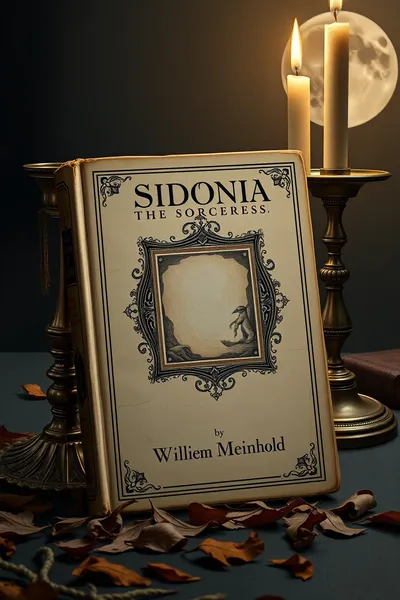
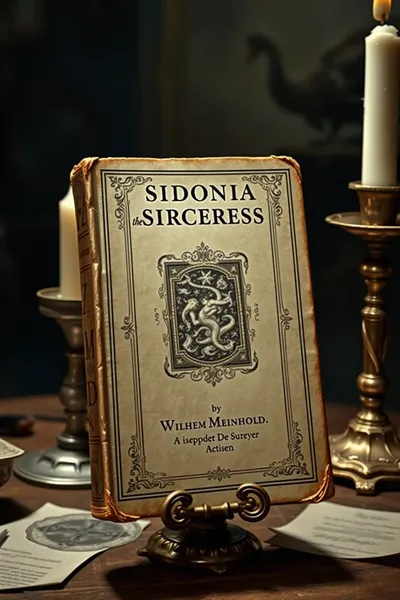



From the “Witchcraft” Collection
View all →





More Free Witchcraft & Paganism Books
View all →