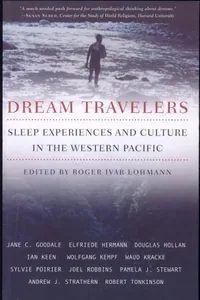
Qigong

 71
71

Qigong
Ken Cohen’s Qigong offers a comprehensive primer on this ancient energy cultivation system, moving beyond superficial exercise descriptions to explore its profound physiological and spiritual underpinnings. Cohen excels at explaining complex concepts like the circulation of qi through meridians and the significance of the Three Treasures (Jing, Qi, Shen) with clarity. His section on the historical development, tracing Qigong from its Daoist roots, provides essential context often missing in contemporary introductions. However, the original 2008 publication, while thorough, occasionally feels dense for the absolute novice. A reader might wish for more explicit visual aids or step-by-step movement breakdowns for certain advanced techniques discussed, such as those involving subtle energy manipulation. Despite this minor limitation, the book's strength lies in its scholarly yet accessible approach, grounding esoteric principles in observable effects and historical continuity. Cohen’s work remains a valuable resource for understanding Qigong’s place in Chinese culture and its potential for holistic well-being.
📝 Description
71
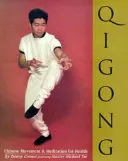
Ken Cohen's Qigong book details a practice rooted in ancient China for health and spiritual cultivation.
Ken Cohen's book explains Qigong, an ancient Chinese practice that combines gentle movement, breath control, and focused intention. It is more than physical exercise; it is a method for developing vital energy, called 'qi' or 'chi'. The goal is to balance the body, mind, and spirit, fostering health, vigor, and a connection to the natural world. Cohen's writing covers Qigong's uses in therapy, martial arts, and spiritual development.
This book is for anyone wanting to grasp Qigong's core ideas and uses. It will interest those drawn to mind-body methods, complementary healing, and the connection between old Chinese culture and modern well-being. Whether new to energy work or experienced in practice, Cohen's direct style gives useful knowledge. The book places Qigong within its long history, which began thousands of years ago with shamanistic and Daoist methods. Key developments occurred during the Han Dynasty and with later Daoist masters. Qigong's use in Chinese medicine and its spread worldwide in the late 20th century are significant points.
Qigong belongs to the Daoist tradition of internal cultivation, a lineage focused on transforming the body's fundamental energies to achieve longevity and spiritual awareness. It shares common ground with practices like Tai Chi and Neidan (internal alchemy), emphasizing the manipulation of qi through specific postures, breathing patterns, and mental focus. The concept of circulating vital energy through energetic pathways, or meridians, is central to its understanding within this broader esoteric framework. Cohen's work situates these practices within this ancient lineage.
💡 Why Read This Book?
• Gain a foundational understanding of 'qi' and its role in health, drawing from the historical context of Qigong's development in China, which Cohen meticulously outlines. • Learn about the 'Three Treasures' (Jing, Qi, Shen) and how their cultivation through specific practices can enhance vitality, a core concept explored in detail. • Appreciate Qigong not just as movement but as a sophisticated system of energy cultivation rooted in Daoist philosophy, as evidenced by Cohen's discussion of breathing techniques and intention.
⭐ Reader Reviews
Honest opinions from readers who have explored this book.
❓ Frequently Asked Questions
When was Ken Cohen's Qigong first published?
Ken Cohen's comprehensive work on Qigong was first published in 2008, offering a detailed exploration of this ancient Chinese practice.
What is the primary goal of Qigong practice as described by Cohen?
The primary goal is to cultivate and balance 'qi', or vital energy, within the body, mind, and spirit to promote health, vitality, and harmony.
What historical period is significant for the development of Qigong?
The Han Dynasty (206 BCE – 220 CE) was a significant period for the formalization of Qigong practices, evolving from earlier shamanistic and Daoist traditions.
What are the 'Three Treasures' mentioned in Qigong?
The 'Three Treasures' are Jing (essence), Qi (vital energy), and Shen (spirit). Their cultivation and balance are central to Qigong's holistic approach.
Does Cohen's book cover the martial applications of Qigong?
Yes, Cohen's work explores the multifaceted nature of Qigong, including its applications in martial arts alongside its therapeutic and spiritual dimensions.
Is Qigong related to Traditional Chinese Medicine (TCM)?
Indeed, Qigong has been an integral part of Traditional Chinese Medicine for centuries, used to prevent illness and support healing by balancing the body's energy systems.
🔮 Key Themes & Symbolism
Cultivation of Qi
At the heart of Cohen's exploration is the concept of 'qi'—the vital life force that permeates all things. The book details various methods for cultivating, circulating, and balancing this energy, emphasizing its direct impact on physical health, mental clarity, and spiritual well-being. Practices discussed range from gentle movements to specific breathing patterns, all designed to optimize the flow of qi through the body's energetic pathways, known as meridians.
The Three Treasures
Cohen elucidates the profound significance of the 'Three Treasures': Jing (essence), Qi (energy), and Shen (spirit). This framework highlights the interconnectedness of the physical, energetic, and conscious aspects of human existence. The book explains how Qigong practices aim to refine and strengthen each of these treasures, leading to greater vitality, emotional stability, and mental acuity.
Daoist Roots and Philosophy
The work firmly situates Qigong within its Daoist origins, exploring the philosophical underpinnings that inform its practice. Concepts such as alignment with the Dao (the Way), the balance of Yin and Yang, and the importance of natural rhythms are interwoven with the energetic practices. This connection provides a deeper appreciation for Qigong as a holistic system for living in harmony with oneself and the universe.
Holistic Health and Well-being
Cohen presents Qigong as a comprehensive approach to health that extends beyond mere physical fitness. By harmonizing the body's energetic systems, calming the mind, and nurturing the spirit, Qigong offers a pathway to profound well-being. The book details how these practices can aid in stress reduction, improve physical resilience, and foster a greater sense of inner peace and connectedness.
💬 Memorable Quotes
Direct passages from the work, attributed to the author.
“Qi is the fundamental life force, the energy that animates all existence.”
— This statement captures the core principle of Qigong: the understanding and manipulation of vital energy. It posits qi not just as a biological function but as a universal principle governing life itself.
“Intention (Yi) is the director of Qi.”
— This emphasizes the mental component of Qigong. It's not just about physical movement or breath, but the focused will and conscious direction that guides the flow of vital energy within the body.
“The practice of Qigong aims to restore the natural flow and balance of Qi.”
— This interpretation focuses on the therapeutic aspect of Qigong. It suggests that illness or imbalance arises from disruptions in the natural energetic pathways, and Qigong serves to correct these disruptions.
💡 Key Ideas
Editorial paraphrase of the work's core concepts — not direct quotes.
The body is a microcosm, reflecting the patterns and energies of the universe.
This quote highlights the Hermetic principle of 'As Above, So Below' within the context of Qigong. It suggests that by understanding and harmonizing the body's internal energetic landscape, one can achieve a greater connection to and understanding of the external cosmos.
Qigong integrates the physical, energetic, and spiritual dimensions of being.
This paraphrased concept summarizes the holistic nature of Qigong as presented in the book. It is a practice that simultaneously addresses the body, its subtle energy systems, and the deeper aspects of consciousness.
🌙 Esoteric Significance
Tradition
Cohen's work on Qigong is deeply rooted in the Daoist tradition, a central to Chinese esoteric philosophy and practice. It aligns with the Daoist pursuit of longevity, harmony with nature, and the cultivation of internal energy (qi). While distinct from Western Hermeticism or Kabbalah, Qigong shares the universal esoteric principle of working with subtle energies and correspondences between the microcosm (human body) and the macrocosm (universe).
Symbolism
Key symbols explored include the circulation of Qi through energetic meridians, visualized as a network akin to rivers within the body. The 'Three Treasures' (Jing, Qi, Shen) function as symbolic representations of fundamental aspects of human existence – physical vitality, energetic flow, and conscious awareness. The practice itself often employs symbolic movements and visualizations, such as images of dragons or the unification of Yin and Yang energies.
Modern Relevance
Contemporary thinkers and practitioners in fields like somatic psychology, integrative medicine, and mindfulness-based stress reduction draw heavily on principles embodied by Qigong. Modern Qigong forms, often simplified for accessibility, continue to be practiced worldwide for their therapeutic benefits. Researchers investigating biofields and subtle energy continue to find Qigong a rich area of study, bridging ancient wisdom with emerging scientific paradigms.
👥 Who Should Read This Book
• Beginners interested in holistic health and mind-body practices seeking a comprehensive introduction to energy cultivation, grounded in historical and philosophical context. • Practitioners of other contemplative arts (e.g., Tai Chi, Yoga, Meditation) looking to deepen their understanding of energy work and its energetic principles. • Students of comparative religion and esoteric traditions wanting to explore the philosophical and practical dimensions of Daoism and traditional Chinese energetic systems.
📜 Historical Context
Published in 2008, Ken Cohen's Qigong arrived at a time when interest in mind-body practices and traditional Eastern medicine was burgeoning globally. The work emerged within a landscape increasingly influenced by figures like Dr. Herbert Benson, whose research on the relaxation response (popularized in the 1970s) had begun to bridge Western scientific understanding with Eastern contemplative techniques. Qigong itself, however, boasts a lineage stretching back millennia in China, with significant developments during the Han Dynasty (206 BCE – 220 CE) and later within Daoist monastic traditions. By the mid-20th century, Qigong experienced a resurgence in China, becoming a widespread practice for health and wellness. Cohen’s book engages with this extensive history, presenting Qigong not as a novel trend but as a deeply rooted system. While figures like Yang Jwing-ming were also making Qigong accessible in the West during the late 20th century, Cohen’s approach offered a particularly nuanced exploration of its philosophical and energetic dimensions.
📔 Journal Prompts
The concept of Qi as vital life force: How does this differ from conventional Western notions of energy?
Reflect on the balance of Jing, Qi, and Shen as described in the text.
Consider the significance of intention (Yi) in directing energy flow.
Analyze the historical evolution of Qigong from ancient Daoist practices.
Explore the relationship between breathwork and Qi cultivation as presented.
🗂️ Glossary
Qi (Chi)
The fundamental vital life force or energy that animates all living beings and exists throughout the universe. Its balance and flow are central to health and well-being in Qigong.
Meridians
Specific pathways within the body through which Qi circulates. These energetic channels connect various organs and tissues, forming a complex network vital for maintaining health.
Jing
Often translated as 'essence,' Jing refers to the fundamental physical substance and generative potential of the body. It is considered the root of Qi and is refined through Qigong practice.
Shen
Translated as 'spirit' or 'consciousness,' Shen represents the mental and emotional aspects of being. Cultivating Shen through Qigong leads to clarity, peace, and spiritual awareness.
Dao (Tao)
The fundamental principle of the universe in Daoism; the 'Way.' Qigong practices often aim to align the individual with the natural rhythms and flow of the Dao.
Yin and Yang
The complementary, interdependent forces that govern the natural world. Qigong seeks to balance these energies within the body for optimal health.
Yi
Intention or mental focus. In Qigong, Yi is crucial for directing the flow of Qi and enhancing the effectiveness of the practice.
This book appears in 1 collection
🔮 Readers Also Liked
Browse all →








From the “Qi Gong” Collection
View all →




More Free Occult Philosophy Books
View all →