Qi Gong, Chang Sheng Zhi Mi
 73
73

Qi Gong, Chang Sheng Zhi Mi
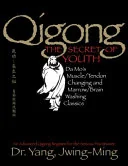
Jwing-Ming Yang’s *Qi Gong, Chang Sheng Zhi Mi* successfully translates the intricate principles of Da Mo's Qigong into accessible instruction. The inclusion of 90 illustrations is a significant strength, providing clear visual aids for the described exercises and massage techniques, which is crucial for practices reliant on precise form. Yang’s authority in the field is evident, offering a grounded perspective on techniques that can otherwise seem obscure. A notable passage details specific breathing patterns to harmonize the Three Treasures (Jing, Qi, Shen), demonstrating the integrated approach. However, the text occasionally leans towards a slightly academic tone, which might present a minor hurdle for absolute beginners seeking purely intuitive guidance. Despite this, the work offers a solid foundation for understanding and practicing Qigong. It serves as a valuable manual for those seeking practical methods for cultivating internal energy.
📝 Description
73
Jwing-Ming Yang's 2000 book introduces Bodhidharma's Qigong for Westerners.
Qi Gong, Chang Sheng Zhi Mi offers a detailed look at Qigong, specifically the system attributed to Bodhidharma (Da Mo). Jwing-Ming Yang, an established authority on Chinese martial arts and internal practices, explains the exercises and techniques for cultivating vital energy, or Qi. The book uses clear illustrations to help readers understand the movements and massage methods aimed at improving health and extending life.
This text is suitable for anyone interested in traditional Chinese health systems and spiritual development. It serves as a guide for newcomers to Qigong, providing practical steps to begin practice. It also offers depth for those already familiar with Qigong, expanding on its theoretical basis. Readers who practice martial arts, meditation, or alternative medicine will find the focus on energy cultivation particularly useful. Students of comparative religion or philosophy may also appreciate the discussions.
This book places Qigong within the historical and philosophical framework of its Chinese origins. It connects the practice to figures like Bodhidharma, the legendary founder of Shaolin Kung Fu and Chan Buddhism. The text highlights Qigong's integration into Taoist and Buddhist traditions, where it has long been used for physical health and spiritual advancement. Published in 2000, it arrived during a period of growing international interest in Eastern spiritual and health disciplines, aiming to make these practices accessible.
💡 Why Read This Book?
• Learn specific Qigong exercises and massage techniques directly from Da Mo's lineage, as presented by Jwing-Ming Yang, to cultivate your vital energy (Qi) for improved physical health and mental clarity. • Understand the historical and philosophical underpinnings of Qigong, tracing its roots to figures like Bodhidharma (Da Mo) and its integration within Taoist and Buddhist traditions since its early development. • Gain practical knowledge of meridian theory and the concept of the Three Treasures (Jing, Qi, Shen) to address energy blockages and foster a deeper connection between mind, body, and spirit.
⭐ Reader Reviews
Honest opinions from readers who have explored this book.
❓ Frequently Asked Questions
What is Qi Gong, Chang Sheng Zhi Mi about?
This book, authored by Jwing-Ming Yang and first published in 2000, is an introduction to the ancient Chinese practice of Qigong, specifically focusing on the teachings attributed to Bodhidharma (Da Mo). It covers exercises and massage techniques aimed at cultivating vital energy (Qi) for health and longevity.
Who was Da Mo and what is his connection to Qigong?
Da Mo, also known as Bodhidharma, is a legendary figure credited with introducing Buddhism to China and founding the Shaolin martial arts. This book explores Qigong practices believed to have originated from or been refined by him, emphasizing their role in spiritual and physical development.
What are the 'Three Treasures' mentioned in the book?
The Three Treasures (Jing, Qi, and Shen) are fundamental concepts in Taoist and Qigong philosophy. Jing refers to vital essence, Qi is vital energy, and Shen is spirit or consciousness. The book explains how Qigong practices aim to harmonize and cultivate these three aspects.
Are the Qigong exercises in the book suitable for beginners?
Yes, the book is designed to make ancient teachings accessible. With 90 illustrations, it provides clear guidance on exercises and massage techniques, making it suitable for individuals new to Qigong seeking practical methods for energy cultivation.
What is the significance of 'Chang Sheng Zhi Mi'?
'Chang Sheng Zhi Mi' translates from Chinese to 'The Secret of Longevity'. The title reflects the book's focus on Qigong practices as a path to extending life and enhancing vitality, presenting these ancient techniques as keys to a longer, healthier existence.
When was Qi Gong, Chang Sheng Zhi Mi first published?
Qi Gong, Chang Sheng Zhi Mi by Jwing-Ming Yang was first published in the year 2000, coinciding with a growing international interest in traditional Chinese health and spiritual practices.
🔮 Key Themes & Symbolism
Da Mo's Qigong Lineage
This book centers on the Qigong practices attributed to Bodhidharma (Da Mo), a central figure in Chinese Buddhism and martial arts history. It presents these exercises and techniques not merely as physical training but as a method for cultivating vital energy (Qi) to achieve spiritual and physical harmony. The work emphasizes the historical transmission of these methods, suggesting they offer a direct path to the profound health and longevity benefits associated with Da Mo's teachings, bridging ancient wisdom with contemporary practice.
Cultivating Vital Energy (Qi)
The core of the book revolves around the concept of Qi, often translated as vital energy or life force. It details how specific Qigong movements, breathwork, and massage techniques described within the text are designed to promote the smooth flow of Qi throughout the body's energetic pathways (meridians). By clearing blockages and strengthening Qi, practitioners can enhance their overall vitality, prevent illness, and promote a sense of deep well-being, aligning with the 'Secret of Longevity' promised in the title.
Integration of Mind, Body, and Spirit
Beyond mere physical exertion, Qi Gong, Chang Sheng Zhi Mi underscores the interconnectedness of mental, physical, and spiritual states. The practices taught aim to harmonize the Three Treasures: Jing (essence), Qi (energy), and Shen (spirit). This holistic approach suggests that true health and longevity are achieved not just through bodily discipline but also through cultivating mental clarity and spiritual awareness, fostering a balanced and integrated self.
Practical Application and Longevity
The book provides actionable guidance, including 90 illustrations, for performing Qigong exercises and massage techniques. Its explicit aim is to unlock the 'Secret of Longevity' (Chang Sheng Zhi Mi) by equipping readers with practical tools. The emphasis is on consistent practice leading to tangible results in health, vitality, and potentially extending lifespan, making it a manual for proactive self-care rooted in ancient Chinese wisdom.
💬 Memorable Quotes
Direct passages from the work, attributed to the author.
“Da Mo's teachings offer a direct path to harnessing Qi.”
— This statement highlights the book's central thesis: that the Qigong methods attributed to Bodhidharma are particularly effective and perhaps more direct than other approaches for cultivating vital energy.
“The body's meridians must be clear for optimal function.”
— This interpretation points to the importance of understanding and maintaining the energetic pathways (meridians) within the body, as their clarity is presented as crucial for the proper functioning of Qi and overall well-being.
“90 illustrations guide the practice.”
— This factual statement emphasizes the book's commitment to practical instruction, indicating that a substantial number of visual aids are provided to help readers accurately perform the Qigong exercises and techniques.
💡 Key Ideas
Editorial paraphrase of the work's core concepts — not direct quotes.
Qi circulation is key to health and longevity.
This paraphrased concept emphasizes the fundamental principle that a free and balanced flow of vital energy (Qi) within the body is essential for maintaining good health and potentially extending one's lifespan.
Integrating Jing, Qi, and Shen leads to true harmony.
This quote reflects the holistic philosophy presented, suggesting that achieving a state of complete balance requires nurturing and aligning the body's vital essence (Jing), energy (Qi), and spirit (Shen).
🌙 Esoteric Significance
Tradition
This work fits within the broader Taoist and Buddhist esoteric traditions of China, specifically focusing on internal alchemy practices related to cultivating vital energy (Qi). While Taoism emphasizes longevity and harmony with the natural order, Buddhist influences, particularly from Chan (Zen) Buddhism introduced by Da Mo, add a layer of mindful awareness and spiritual development. The book bridges these streams, presenting Qigong as a method for achieving both physical well-being and spiritual liberation.
Symbolism
Key symbols include 'Qi' itself, representing the fundamental life force that animates all things. The concept of 'meridians' functions symbolically as invisible channels through which Qi flows, akin to rivers sustaining a landscape; blockages represent stagnation. The 'Three Treasures' (Jing, Qi, Shen) symbolize the core components of human existence – physical vitality, energetic force, and consciousness – whose balance is paramount.
Modern Relevance
Contemporary practices in mindfulness-based stress reduction (MBSR), somatic experiencing, and various forms of energy healing draw parallels with Qigong's emphasis on breathwork, body awareness, and cultivating internal states. Thinkers and practitioners exploring integrated health, mind-body medicine, and the science of consciousness often reference or find resonance with the foundational principles presented in works like Yang's, demonstrating Qigong's enduring applicability.
👥 Who Should Read This Book
['• Practitioners of martial arts seeking to deepen their understanding of internal energy cultivation and its role in combat and health.', '• Individuals interested in traditional Chinese medicine and holistic health approaches looking for practical techniques to enhance vitality and longevity.', '• Students of comparative religion and philosophy exploring the practical applications of Buddhist and Taoist principles for personal development.']
📜 Historical Context
Published in 2000, *Qi Gong, Chang Sheng Zhi Mi* emerged during a period of heightened global interest in Eastern wellness practices, spurred by figures like Dr. Deepak Chopra popularizing alternative health modalities. Jwing-Ming Yang's work contributed to this trend by explaining Qigong, a practice with roots stretching back over a millennium in China, often associated with Shaolin monasteries and Taoist traditions. While competing schools of thought in Western medicine focused on pharmaceutical interventions, Yang presented Qigong as a complementary system for health cultivation. The book's publication coincided with increased academic and popular exploration of traditional Chinese medicine (TCM), seeking to validate and integrate its principles. Its accessibility, featuring numerous illustrations, aimed to bridge the gap between esoteric knowledge and practical application for a Western audience unfamiliar with the nuances of Qi and meridian theory.
📔 Journal Prompts
Da Mo's Qigong exercises: How can specific movements be adapted for daily stress reduction?
The concept of Qi circulation: Identify personal habits that might obstruct or enhance your vital energy flow.
The Three Treasures (Jing, Qi, Shen): Reflect on the balance between your physical vitality, energy levels, and mental clarity.
The role of meridians: Consider how physical posture and movement influence energetic pathways.
The 'Secret of Longevity': What does sustained vitality mean in the context of your life goals?
🗂️ Glossary
Qi (Chi)
Vital energy or life force that flows through all living things. In Qigong, its cultivation and balanced circulation are central to health and well-being.
Da Mo (Bodhidharma)
A semi-legendary Buddhist monk credited with transmitting Chan (Zen) Buddhism to China and potentially influencing the development of Shaolin martial arts and associated Qigong practices.
Chang Sheng Zhi Mi
A Chinese phrase meaning 'The Secret of Longevity,' indicating the book's focus on Qigong as a path to extended life and vitality.
Meridians
In Traditional Chinese Medicine and Qigong, these are pathways or channels through which Qi circulates within the body. Blockages are believed to cause illness.
Jing
One of the Three Treasures; often translated as vital essence, semen, or reproductive energy. It is considered the fundamental substance from which Qi arises.
Shen
One of the Three Treasures; typically translated as spirit, mind, or consciousness. It represents the higher aspects of awareness and mental vitality.
Qigong
An ancient Chinese practice involving coordinated body posture, movement, breath, and meditation for the purposes of health, spirituality, and martial arts training.
This book appears in 1 collection
🔮 Readers Also Liked
Browse all →








From the “Qi Gong” Collection
View all →



More Free Occult Philosophy Books
View all →