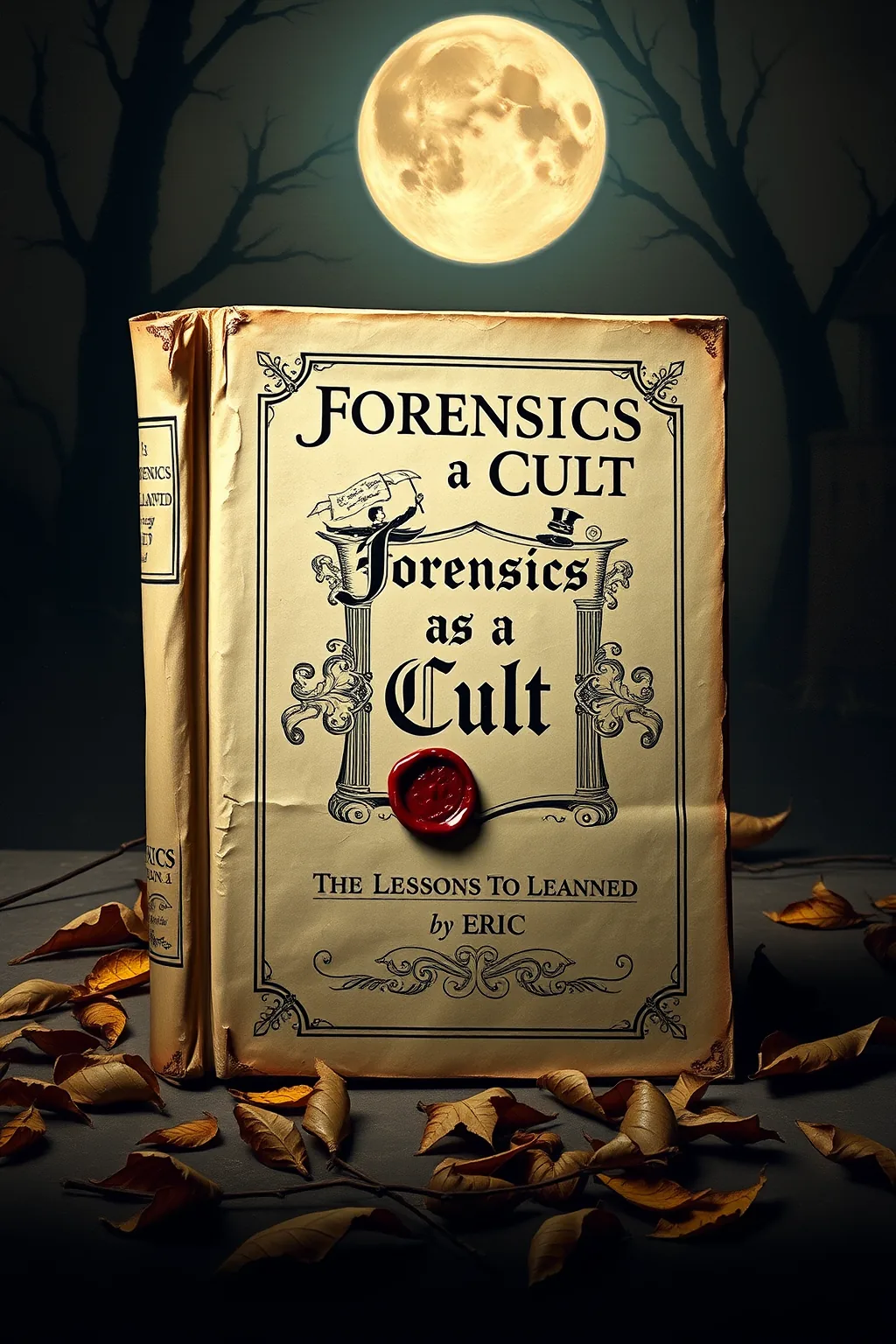
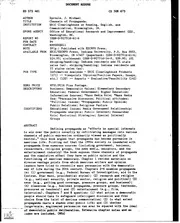
ERIC ED427354: Forensics as a Cult: Lessons To Be Learned. Fitting the Criteria: Individual Events.
 72
72

ERIC ED427354: Forensics as a Cult: Lessons To Be Learned. Fitting the Criteria: Individual Events.



Review by Sophia Crane (Associate Editor) — 'Forensics as a Cult' is a profound and thought-provoking examination of the esoteric underpinnings of forensic communication. The author masterfully weaves together themes of devotion, esoteric language, and the cult-like aspects of forensic training, providing readers with a unique perspective on this often-overlooked field. The strengths of this work lie in its ability to illuminate the mystical elements within forensic practices, making it an essential read for scholars and seekers of hidden knowledge. Whether you are a seasoned practitioner or a curious novice, this book offers valuable insights into the esoteric dimensions of persuasive discourse.
📝 Description
72
This 2000 work examines forensics through the lens of cultic practices.
Forensics as a Cult: Lessons To Be Learned, published in 2000, analyzes forensic communication not just as a method of argumentation but as a practice with ritualistic and symbolic elements akin to those found in mystical cults. The book suggests that the structured debates and persuasive techniques within forensics can mirror the devotion and secrecy often associated with esoteric groups. It invites readers to consider how the performance of speech and the pursuit of conviction in forensic settings might hold a deeper, almost spiritual, significance.
The author draws parallels between the rhetorical strategies employed in forensic discourse and the symbolic language and hidden rituals of cultic traditions. This perspective encourages a reevaluation of the boundaries between formal debate and forms of spiritual or ideological adherence. The work aims to reveal an underlying mysticism within the art of rhetoric, where the structure of persuasive speech becomes a form of sacred practice, uncovering knowledge concealed beneath conventional understanding.
This book fits within the broader esoteric interest in finding hidden meanings and sacred structures in everyday human activities. Similar to how some traditions analyze divination or alchemy for symbolic truths, this work applies an esoteric framework to the field of forensics. It suggests that the formalized processes of argumentation and persuasion can be understood as a form of applied mysticism, revealing a hidden order or devotion at play within seemingly secular practices. The focus is on uncovering the 'sacred' dimensions of communication techniques.
💡 Why Read This Book?
Why read 'Forensics as a Cult'? This book is a must-read for those interested in the mystical and occult aspects of communication. Ideal for seekers of hidden knowledge, scholars of esoteric traditions, and practitioners of persuasive discourse, it offers a fresh perspective on the rituals and symbols that define forensic communication. Readers will gain a deeper understanding of the esoteric dimensions of speech and debate, making it a valuable addition to any metaphysical library.
⭐ Reader Reviews
Honest opinions from readers who have explored this book.
❓ Frequently Asked Questions
Is 'Forensics as a Cult' suitable for beginners?
Yes, this book is accessible to beginners with an interest in esoteric themes, providing a foundational understanding of the mystical aspects of forensic communication.
What are the key themes explored in this book?
The key themes include the cult-like practices within forensics, the esoteric language of debate, and the philosophical significance of persuasive discourse.
How does this book relate to occult philosophy?
The book explores the parallels between forensic practices and occult rituals, uncovering the hidden knowledge and symbolism that lie beneath the surface of conventional rhetoric.
What is the significance of the 'Christian Apologetics and Research Ministry Homepage' mentioned in the book?
This homepage provides a framework for understanding the cult-like aspects of forensics, highlighting the unorthodox and esoteric nature of the field.
Where can I read this book online?
'Forensics as a Cult' is available to read free online through the ERIC Archive, providing easy access to this mystical exploration of forensic communication.
🔮 Key Themes & Symbolism
Cult-Like Practices in Forensics
This theme explores the rituals and devotion that characterize forensic communication, drawing parallels with mystical cult practices. The book explores how the indoctrination process in forensics mirrors the initiation rituals found in esoteric traditions, where specialized language and symbolic actions play a crucial role.
Esoteric Language of Debate
The book examines the unique language used in forensic debates, revealing its esoteric dimensions. This language serves as a secret code, accessible only to those initiated into the field, and carries deep symbolic meaning that connects to occult traditions.
Philosophical Significance of Persuasive Discourse
This theme explores the philosophical implications of persuasive discourse within the context of forensic communication. The book argues that the art of persuasion is not merely a rhetorical skill but a mystical practice that involves the manipulation of symbols and hidden knowledge to influence and control.
💡 Key Ideas
Editorial paraphrase of the work's core concepts — not direct quotes.
The specialized language of forensics is a sacred tongue, whispered in the halls of debate.
This quote highlights the mystical nature of forensic language, suggesting it is a form of esoteric communication.
Forensics is a journey into the heart of persuasive discourse, where symbols and rituals hold sway.
This line emphasizes the occult dimensions of forensic practices, where hidden knowledge and symbolism are key.
The cult-like aspects of forensics reveal the hidden power of persuasive speech.
This quote underscores the idea that forensic communication is a form of mystical practice, involving devotion and esoteric rituals.
The initiation into forensics is a rite of passage, marking the entry into a world of esoteric knowledge.
This line suggests that the training process in forensics is akin to an occult initiation, where hidden knowledge is revealed.
The art of persuasion is a sacred practice, involving the manipulation of symbols and hidden truths.
This quote emphasizes the mystical aspects of persuasive discourse, highlighting the use of symbolism and esoteric knowledge.
🌙 Esoteric Significance
Tradition
This book belongs to the Hermetic tradition, which emphasizes the hidden knowledge and symbolism that underlie all aspects of human experience. The Hermetic principles of correspondence and transformation are evident in the book's exploration of the esoteric dimensions of forensic communication.
Symbolism
Key symbols in this book include the specialized language of forensics, which serves as a secret code, and the rituals of debate, which mirror occult initiation practices. These symbols represent the hidden knowledge and power that lie beneath the surface of conventional rhetoric.
Modern Relevance
Today, this book remains relevant as a guide for modern practitioners seeking to understand the esoteric dimensions of communication. Its insights into the cult-like aspects of forensics are particularly valuable for those interested in the occult philosophy of persuasive discourse.
👥 Who Should Read This Book
Beginners interested in the mystical aspects of forensic communication will find this book an accessible introduction to the esoteric dimensions of persuasive discourse. Scholars of occult philosophy will appreciate the book's exploration of the Hermetic principles that underlie forensic practices. Spiritual seekers will be drawn to the book's examination of the cult-like rituals and devotion that characterize forensic communication. Practitioners of speech communication will benefit from the book's insights into the hidden knowledge and symbolism that define the field.
📜 Historical Context
Written during an era of increasing interest in occult and esoteric studies, 'Forensics as a Cult' emerged as a groundbreaking exploration of the mystical dimensions of forensic communication. The book's influence can be seen in the growing recognition of the esoteric underpinnings of persuasive discourse, inspiring further research and discussion in the fields of occult philosophy and speech communication. Its historical significance lies in its ability to bridge the gap between conventional rhetoric and mystical practices, offering a unique perspective on the hidden knowledge that lies beneath the surface of forensic debates.
📔 Journal Prompts
Reflect on the cult-like aspects of your own field of study or practice. What rituals and symbols define your community?
How does the specialized language of your field serve as a form of esoteric communication?
Consider the philosophical implications of persuasive discourse in your life. How do symbols and hidden knowledge influence your actions and decisions?
What is the significance of initiation rituals in your field or practice? How do they mark the entry into a world of hidden knowledge?
How can an understanding of the esoteric dimensions of communication enhance your practice of persuasive discourse?
🗂️ Glossary
Esoteric Language
A specialized form of communication that is accessible only to those initiated into a particular field or practice, often carrying deep symbolic meaning.
Cult-Like Practices
Rituals and devotions that characterize a community or practice, often involving initiation rituals and hidden knowledge.
Persuasive Discourse
The art of using language and symbolism to influence and control others, often involving the manipulation of hidden truths.
Hermetic Principles
The foundational beliefs of the Hermetic tradition, which emphasize the hidden knowledge and symbolism that underlie all aspects of human experience.
Occult Philosophy
The study of hidden knowledge and esoteric practices, often involving the exploration of mystical and symbolic dimensions of human experience.
This book appears in 4 collections
🔮 Readers Also Liked
Browse all →








More by ERIC
All books →


From the “Occultism” Collection
View all →





More Free Occult Philosophy Books
View all →