Psychology of the Future
 74
74

Psychology of the Future
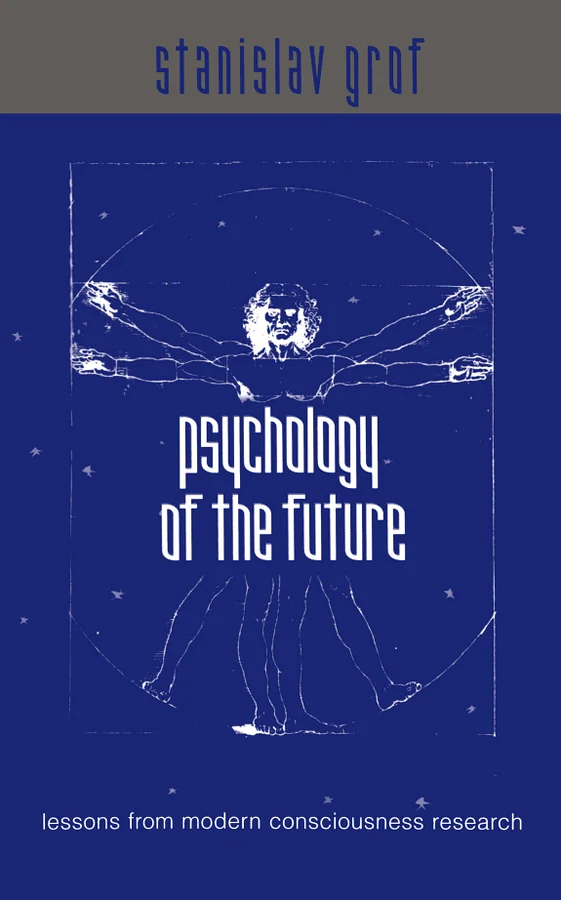
Stanislav Grof’s "Psychology of the Future" is an ambitious attempt to synthesize a vast landscape of human experience, particularly the uncharted territories of non-ordinary states. The book’s strength lies in its encyclopedic scope, meticulously detailing research and theoretical frameworks that push the boundaries of Western psychology. Grof’s persistence in mapping the unconscious, drawing connections between birth, trauma, and spiritual emergence, is commendable. However, the sheer density of information and the reliance on specific terminologies, such as the Basic Perinatal Matrices, can present a steep learning curve for readers unfamiliar with psychedelic research or transpersonal theory. The section discussing COEX systems, while crucial, could benefit from more varied illustrative examples beyond the typical birth trauma correlations. Ultimately, "Psychology of the Future" offers a compelling, albeit demanding, vision for a more holistic psychology.
📝 Description
74
Stanislav Grof's 2000 book, Psychology of the Future, argues for a radical expansion of psychological understanding.
Published in 2000, Stanislav Grof's Psychology of the Future advocates for a broader model of the human psyche, one that moves beyond the confines of conventional ego-centric and behavioral frameworks. Grof, a figurehead in transpersonal psychology, constructs a system that acknowledges and integrates non-ordinary states of consciousness. These states, he suggests, are often accessed through methods like psychedelics or Holotropic Breathwork and offer crucial insights into the human condition.
The work is aimed at psychotherapists, researchers, and anyone curious about consciousness, spirituality, or the therapeutic applications of altered states. It challenges the purely materialist underpinnings of modern psychology, inviting readers to consider alternative perspectives. By incorporating experiences beyond the typical scope of Western psychology, Grof proposes a more holistic view of human experience and potential.
Emerging from a field shaped by the limitations placed on psychedelic research in the late 1960s, Grof's work at the millennium's start offers a counterpoint to mid-20th century Freudian and behaviorist paradigms. It draws connections to earlier mystical traditions and humanistic psychology but charts its own course into transpersonal dimensions. The book asserts that experiences beyond the individual ego, including archetypal and collective dimensions, are integral to a full understanding of the psyche.
💡 Why Read This Book?
• Gain an understanding of Stanislav Grof's groundbreaking research into Holotropic Breathwork, a technique he co-developed, offering a non-pharmacological path to altered states of consciousness for therapeutic purposes. • Explore the concept of Basic Perinatal Matrices (BPMs), which links the stages of biological birth to profound psychological and spiritual experiences, providing a novel framework for understanding human development. • Discover the transpersonal dimension of the psyche, moving beyond ego-centric models to encompass archetypal realms and collective unconscious experiences, as theorized by Grof and influenced by figures like Carl Jung.
⭐ Reader Reviews
Honest opinions from readers who have explored this book.
❓ Frequently Asked Questions
What is Stanislav Grof's primary contribution to psychology?
Stanislav Grof is a pioneer in transpersonal psychology and is renowned for his research into the effects of psychedelic substances and Holotropic Breathwork on consciousness. He developed the theory of Basic Perinatal Matrices.
What are COEX systems in Grof's theory?
COEX (condensed experience) systems are clusters of memories and emotions from different life periods that share a similar dynamic quality. Grof posits they are organized around powerful emotional charges and influence psychological functioning.
When was 'Psychology of the Future' first published?
"Psychology of the Future" by Stanislav Grof was first published in the year 2000, presenting his mature theoretical framework developed over decades of research.
How does Holotropic Breathwork relate to this book?
Holotropic Breathwork is presented as a method for accessing non-ordinary states of consciousness, which are central to Grof's exploration of the psyche. The book details how this technique can facilitate healing and self-discovery.
What does Grof mean by the 'transpersonal realm'?
The transpersonal realm refers to dimensions of human experience that transcend the boundaries of the ego and personal identity. This includes encounters with archetypal imagery, collective unconscious material, and spiritual or mystical phenomena.
Is 'Psychology of the Future' suitable for beginners in psychology?
While accessible to dedicated newcomers, the book delves into complex theories and terminology like Basic Perinatal Matrices and COEX systems, making it most rewarding for those with some background or strong interest in consciousness studies or transpersonal psychology.
🔮 Key Themes & Symbolism
Non-Ordinary States of Consciousness
The book extensively maps the terrain of non-ordinary states, which Grof argues are essential for a complete understanding of the human psyche. These states, accessible through psychedelics, Holotropic Breathwork, or spontaneous experiences, reveal dimensions of reality and the self not typically encountered in everyday consciousness. Grof presents these not as pathologies but as crucial gateways to healing and spiritual emergence, challenging the Western medical model's tendency to pathologize such experiences.
Birth Trauma and Perinatal Psychology
A central tenet of Grof's work is the wide impact of the birth process on psychological development. He elaborates on the Basic Perinatal Matrices (BPMs), a four-stage model that links the biological stages of birth to specific patterns of emotional, physical, and spiritual experience. These perinatal experiences, often deeply buried, are shown to correlate with a wide range of psychological issues and spiritual crises, providing a unique lens for understanding human suffering and transformation.
Transpersonal Dimensions of the Psyche
Grof expands the map of the psyche to include transpersonal experiences – those that extend beyond the individual ego. This encompasses encounters with archetypal figures, ancestral memories, past-life experiences, and even identification with cosmic consciousness. He posits that these experiences are not mere hallucinations but represent valid and vital aspects of human potential, connecting individuals to a larger reality and offering useful insights into existence.
Holotropic Breathwork and Therapeutic Applications
The book details Holotropic Breathwork, a powerful self-exploration technique co-created by Grof and his wife, Christina. By combining accelerated breathing, evocative music, and focused bodywork, participants can access non-ordinary states conducive to psychological healing and spiritual growth. Grof presents this method as a key tool for integrating insights from the transpersonal and perinatal realms into conscious life, offering a potent alternative to conventional therapies.
💬 Memorable Quotes
Direct passages from the work, attributed to the author.
“The spiritual emergency is a crisis of transformation.”
— This highlights Grof's view that intense psychological or spiritual upheaval, often seen as problematic, can actually be a catalyst for profound personal growth and evolution.
“The map of the psyche must be expanded.”
— This captures the book's core argument: conventional psychological models are insufficient and fail to account for the full spectrum of human experience, particularly non-ordinary states and transpersonal dimensions.
“COEX systems organize memories and traumas.”
— This points to Grof's concept of condensed experience systems, suggesting that our psychological landscape is structured by thematic clusters of related memories and emotional experiences, influencing our present reality.
“Birth is the primal drama of existence.”
— This emphasizes the foundational role Grof assigns to the process of birth, viewing it as a deeply influential event that shapes our psychological and spiritual makeup throughout life.
“The transpersonal realm offers access to archetypal wisdom.”
— This interpretation underscores Grof's belief that experiences beyond the ego connect us to universal patterns and ancient wisdom, providing a source of useful insights and understanding.
🌙 Esoteric Significance
Tradition
Grof's work resonates strongly with Gnostic and Hermetic traditions, which posit hidden dimensions of reality accessible through altered states or inner gnosis. His mapping of the psyche, particularly the transpersonal realm and its archetypal dimensions, echoes ancient shamanic cosmologies and mystical psychologies found across diverse cultures. While not strictly adhering to a single lineage, Grof’s transpersonal psychology offers a modern framework that validates and integrates experiences previously confined to esoteric or religious discourse.
Symbolism
The concept of the 'Spiritual Emergency' itself functions as a potent symbol, reframing psychological crises not as pathology but as initiatory passages towards greater awareness, akin to the trials faced by mystics. The Basic Perinatal Matrices (BPMs) act as symbolic maps of birth trauma, representing the archetypal struggle between life and death, annihilation and rebirth, echoing initiatory symbolism found in mystery traditions worldwide. The journey through non-ordinary states often involves encountering powerful archetypal symbols like the Great Mother, the Wise Old Man, or the Shadow.
Modern Relevance
Contemporary thinkers and practitioners in fields such as psychedelic-assisted therapy, consciousness studies, and depth psychology continue to draw heavily on Grof's extensive cartography of the psyche. His emphasis on the therapeutic potential of non-ordinary states and his theoretical frameworks for understanding birth trauma and transpersonal experiences remain influential. Researchers exploring the neurological correlates of mystical experiences and therapists seeking to integrate spiritual dimensions into healing often reference Grof's foundational work and the methodologies he developed, like Holotropic Breathwork.
👥 Who Should Read This Book
• Psychotherapists and counselors seeking to expand their theoretical models beyond ego psychology to include the full spectrum of human consciousness, including perinatal and transpersonal dimensions. • Researchers in consciousness studies and psychology interested in the empirical and theoretical foundations of non-ordinary states of consciousness and their therapeutic applications. • Individuals undergoing or contemplating spiritual exploration and seeking a framework to understand intense psychological and existential experiences, such as spiritual emergencies or profound altered states.
📜 Historical Context
Published in 2000, "Psychology of the Future" arrived at a moment when interest in consciousness studies was experiencing a resurgence, albeit still on the fringes of mainstream academia. Stanislav Grof's work built directly upon the foundations laid by early psychedelic researchers like Aldous Huxley and Timothy Leary, and heavily engaged with the analytical psychology of Carl Jung, particularly his theories on archetypes and the collective unconscious. The field had endured a significant setback following the widespread criminalization of psychedelics in the late 1960s, which effectively halted much of the empirical research Grof had been conducting at the Maryland Psychiatric Research Center. Grof's persistence, particularly his development of Holotropic Breathwork as a legal alternative to psychedelics for inducing non-ordinary states, positioned him as a key figure bridging the gap between the counterculture's explorations and a more structured, academic approach to transpersonal psychology. His work stood in contrast to the prevailing psychodynamic and cognitive-behavioral therapies of the era, offering a more holistic and spiritually informed perspective.
📔 Journal Prompts
The Basic Perinatal Matrices and their influence on your current life.
Archetypal encounters within non-ordinary states.
Reflecting on COEX systems and their organization of experience.
The potential for spiritual emergencies as transformative catalysts.
Connections between birth experiences and later psychological patterns.
🗂️ Glossary
Transpersonal Psychology
A branch of psychology that studies transpersonal phenomena, or transcendent and spiritual aspects of the human experience. It extends beyond the ego and personal identity to include collective and universal dimensions.
Non-Ordinary States of Consciousness
States of awareness that differ significantly from the normal waking state. These can be induced by psychedelics, Holotropic Breathwork, meditation, or occur spontaneously, revealing expanded or altered perceptions.
Basic Perinatal Matrices (BPMs)
Grof's theory describing four stages of the birth process and their corresponding psychological and spiritual experiences, believed to profoundly influence personality and life patterns.
COEX Systems
Condensed Experience Systems. Clusters of memories and emotions from different life periods that share a similar dynamic quality, organized around potent emotional charges and influencing current psychological states.
Spiritual Emergency
A term coined by Grof and Christina Grof to describe a crisis characterized by profound psychological, social, and spiritual transformation, often misinterpreted as mental illness.
Holotropic Breathwork
A powerful experiential psychotherapy method developed by Stanislav and Christina Grof, combining breathwork, evocative music, and focused attention to facilitate self-exploration and healing.
Archetypes
Universal, archaic patterns and images that derive from the collective unconscious and are the psychic counterpart of the biological and physiological structures of the human organism.
🔮 Readers Also Liked
Browse all →









More by Stanislav Grof
All books →




More Free Occult Philosophy Books
View all →