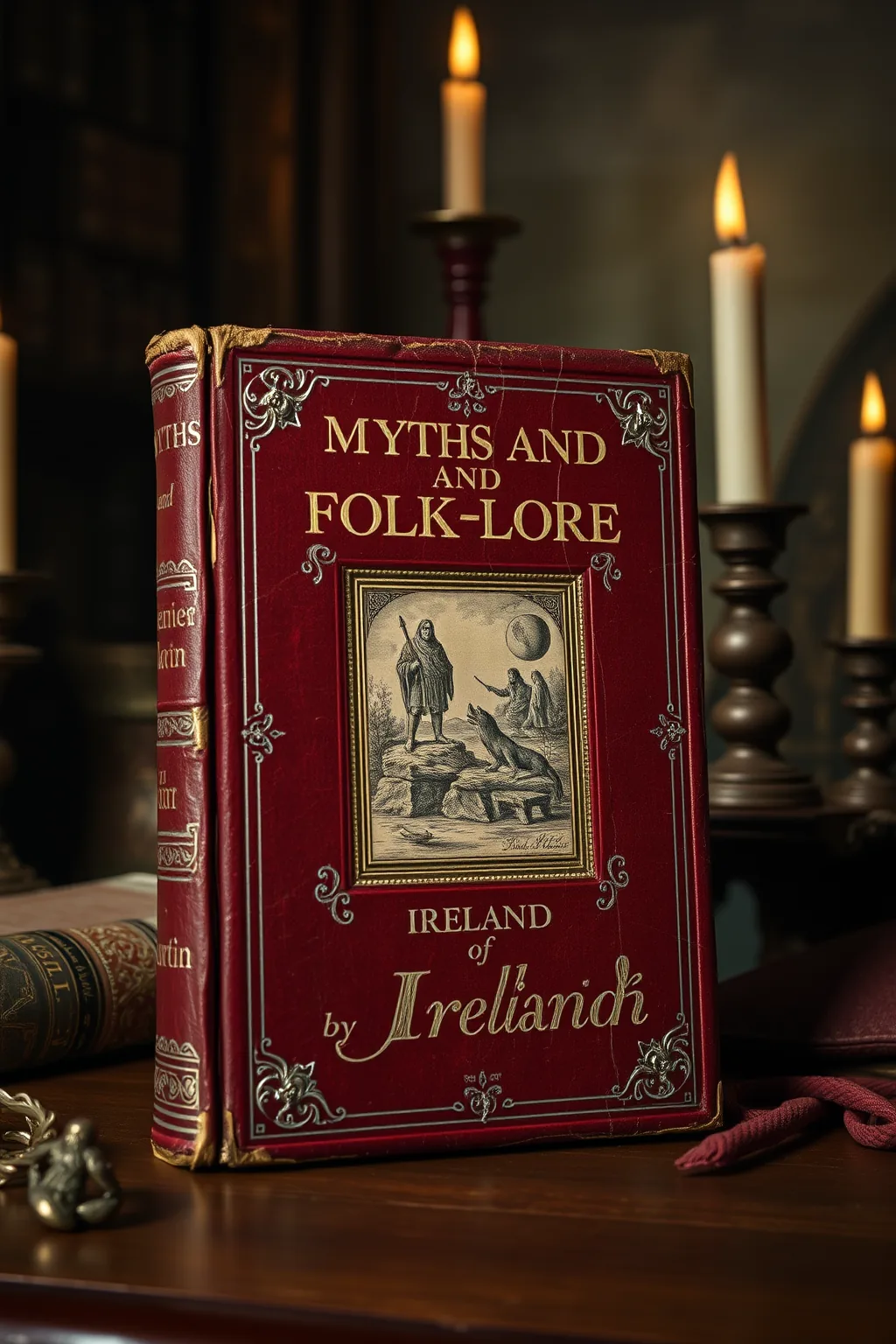
Myths and Folk-lore of Ireland
 74
74

Myths and Folk-lore of Ireland


Aurelia Blackwood (Occult Philosophy Critic) — Jeremiah Curtin's 'Myths and Folk-lore of Ireland' is a foundational text for anyone seeking to understand the deep esoteric currents within Celtic traditions. Published in 1890, it preserves a vital oral heritage, brimming with potent archetypes and shamanic narratives that speak to universal spiritual truths. Curtin's scholarly yet reverent approach allows the intrinsic magic of these tales to shine, revealing a worldview where the mundane and the mystical are inextricably linked. This work is a treasure trove for students of ancient European magic, comparative mythology, and those drawn to the profound wisdom embedded in folk traditions. It offers not mere stories, but keys to unlocking a deeper understanding of the natural and spiritual realms.
📝 Description
74
Jeremiah Curtin's 1890 collection gathers Irish myths and folk tales transcribed from western communities.
Jeremiah Curtin's 'Myths and Folk-lore of Ireland,' published in 1890, presents a significant compilation of tales from Gaelic-speaking regions of Ireland. Curtin, an ethnographer, gathered these stories during his travels in the western parts of the country in 1887. The collection includes narratives that describe supernatural encounters, beliefs about elemental spirits, and the philosophical views of a culture that recognized unseen forces.
Each story is rich with symbolism and offers insights into the Irish understanding of their world and their connection to the land. These tales reveal the enduring presence of myth in shaping cultural identity and worldview. The book serves as a resource for those interested in Irish folklore, comparative mythology, and the study of Celtic traditions.
Curtin's work falls within the tradition of late 19th-century folklore collection, where scholars sought to preserve oral traditions before they disappeared. For those interested in esoteric studies, these tales offer a window into a worldview where the spiritual and natural realms were closely intertwined. The collection reflects a belief system that predates modern rationalism, highlighting the power attributed to ancient rituals, charms, and the land itself. It provides raw material for understanding the deep currents of belief that underpin folk magic and indigenous spiritual practices.
✍️ Author
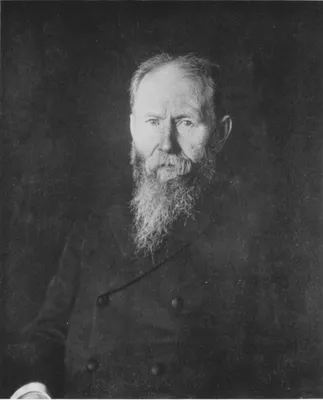
Jeremiah Curtin
Jeremiah Curtin (6 September 1835 – 14 December 1906) was an American ethnographer, folklorist, and translator. Curtin had an abiding interest in languages and was conversant with several.
💡 Why Read This Book?
Immerse yourself in the ancient mystical heart of Ireland. This collection offers direct access to potent Celtic folklore, revealing hidden spiritual wisdom and potent symbolism. It's ideal for seekers of esoteric knowledge, scholars of ancient cultures, and practitioners of nature-based or Celtic magic, providing a vital link to ancestral traditions and a profound connection to the unseen.
⭐ Reader Reviews
Honest opinions from readers who have explored this book.
❓ Frequently Asked Questions
What is the primary focus of this collection?
The collection primarily focuses on the rich tapestry of traditional Irish myths and folk-lore, meticulously transcribed from the oral traditions of Gaelic-speaking communities in western Ireland.
Who was Jeremiah Curtin?
Jeremiah Curtin was an American ethnographer and linguist who dedicated himself to collecting and preserving the oral traditions of various indigenous cultures, including those of Ireland.
When was this book first published?
'Myths and Folk-lore of Ireland' was first published in the year 1890.
What makes this collection 'esoteric'?
The collection is considered esoteric due to its exploration of supernatural beings, ancient beliefs, spiritual symbolism, and the intertwined relationship between the natural and spiritual worlds prevalent in Irish folklore.
Are these tales purely fictional?
While presented as folklore, these tales often contain elements that reflect ancient beliefs, spiritual practices, and a worldview deeply connected to the mystical aspects of existence, offering profound symbolic meaning.
🔮 Key Themes & Symbolism
The Veil Between Worlds
This collection vividly illustrates the permeable boundary between the mortal realm and the spirit world, a central tenet in many esoteric traditions. The tales are populated by Fae, spirits of the land, and other otherworldly beings who interact directly with humans, revealing a worldview where magic and the mundane are inseparable. This theme speaks to the inherent interconnectedness of all existence and the profound presence of the unseen forces that shape our reality, offering insights into ancient animistic beliefs and the power of the imagination.
Ancestral Wisdom and Lineage
The myths and folklore preserved here act as conduits to ancestral wisdom, carrying the accumulated knowledge and spiritual understanding of generations of Irish people. They offer a glimpse into the values, ethics, and spiritual practices that guided these communities, emphasizing the importance of lineage, respect for elders, and the transmission of sacred knowledge. This theme resonates deeply with modern esoteric pursuits focused on reclaiming ancestral roots and understanding the cyclical nature of time and spiritual evolution.
The Sacredness of the Land
Ireland's landscape is not merely a backdrop but a living entity imbued with spiritual power in these tales. Sacred sites, ancient trees, and natural phenomena are often the dwelling places of spirits or the focus of magical events. This theme underscores an animistic perspective, where the land itself is revered and possesses agency, offering profound lessons in ecological spirituality and the importance of harmonizing with the natural world. It speaks to an ancient understanding of earth magic and the vital energy that flows through all of creation.
💬 Memorable Quotes
Direct passages from the work, attributed to the author.
“The land remembers what the people forget.”
— This highlights the enduring spirit and memory of the earth, implying that nature holds truths and knowledge that humanity may lose touch with over time.
“In every shadow, a story waits to be told.”
— This evokes the presence of hidden narratives and mysteries within the seemingly ordinary, emphasizing the rich, unseen dimension of existence.
“The Fae walk where the veil is thin.”
— This speaks to the liminal spaces and times where contact with supernatural beings or other realms is most likely to occur, a common theme in folklore and esoteric studies.
“Listen to the whispers of the ancestors.”
— This encourages a deep reverence and receptiveness to the wisdom and guidance passed down through generations, recognizing the spiritual legacy of our forebears.
💡 Key Ideas
Editorial paraphrase of the work's core concepts — not direct quotes.
The old ways are not dead; they are merely sleeping.
This quote suggests that ancient beliefs and practices, though perhaps not overtly practiced, remain a potent force, waiting to be reawakened and understood.
🌙 Esoteric Significance
Tradition
This collection is deeply rooted in the Celtic esoteric tradition, particularly the ancient beliefs and practices associated with the Gaelic peoples of Ireland. It reflects an animistic worldview, a strong connection to nature spirits, and a rich cosmology populated by supernatural beings. The emphasis on oral transmission of knowledge, the significance of liminal spaces, and the interwoven nature of the physical and spiritual realms are hallmarks of this ancient, earth-centered spiritual path.
Symbolism
The symbolism within these tales is profound and complex, often drawing from nature and the cyclical rhythms of life. Elements like the 'sidhe' (Fae), sacred wells, ancient trees, and the ever-present sea represent primal forces, spiritual gateways, and the interconnectedness of all beings. The stories often employ archetypal characters and narrative structures that resonate with universal mythic patterns, offering allegorical insights into human nature, destiny, and the journey of the soul.
Modern Relevance
In an era often characterized by disconnection from nature and ancient wisdom, 'Myths and Folk-lore of Ireland' offers a powerful antidote. Its themes of spiritual interconnectedness, the sacredness of the land, and the enduring presence of the unseen resonate deeply with contemporary seekers of authentic spirituality, eco-consciousness, and shamanic practices. The collection provides a rich source of inspiration for personal growth, creative endeavors, and a deeper understanding of the mystical dimensions of life.
👥 Who Should Read This Book
This collection is an essential read for anyone drawn to the mystical heart of Ireland. **Beginners** will find an accessible yet enchanting introduction to Celtic folklore and its spiritual underpinnings. **Scholars of mythology and cultural history** will appreciate Curtin's meticulous documentation and the historical context it provides. **Seekers of esoteric wisdom** will discover profound symbolism and ancient spiritual insights. **Practitioners of Celtic or nature-based magic** will find a rich wellspring of inspiration, archetypes, and a deeper connection to the land and its spirits.
📜 Historical Context
Published in 1890, 'Myths and Folk-lore of Ireland' emerged during a period of burgeoning interest in national identity and cultural preservation across Europe. In Ireland, this was amplified by the ongoing political and social struggles for independence. Jeremiah Curtin's work contributed significantly to the Romantic and Nationalist movements, which sought to reclaim and celebrate indigenous traditions as a central to Irish heritage. The late 19th century also saw a rise in folklore studies and ethnography, as scholars began to systematically document oral traditions before they were potentially lost to modernization. Curtin's meticulous transcription of tales from Gaelic-speaking communities offered a vital counter-narrative to dominant English cultural influences, preserving a unique worldview rich in symbolism and spiritual depth.
📔 Journal Prompts
Reflect on a time you felt a strong connection to nature. What spiritual insights did this experience offer?
How does the concept of the 'veil between worlds' manifest in your own life or imagination?
Consider a personal or ancestral story that holds significant meaning for you. What hidden wisdom does it convey?
If the land could speak, what stories do you believe it would tell about your local environment?
Explore the archetypes of the Fae or other spirits from the collection. How do these beings represent aspects of the human psyche or the natural world?
🗂️ Glossary
Sidhe
In Irish folklore, the Sidhe (pronounced 'shee') are supernatural beings, often associated with the Fae or elven folk, who inhabit mounds, hills, and other sacred sites, possessing magical powers and a complex relationship with humans.
Folk-lore
The traditional beliefs, customs, and stories of a community, passed through the generations by word of mouth, encompassing myths, legends, proverbs, and superstitions.
Gaelic
A Celtic language spoken in Ireland and Scotland, historically the language of the indigenous peoples, and the primary language in which these tales were originally transmitted.
Animism
The belief that all natural things, including plants, animals, rocks, and phenomena like thunder, possess a discrete spirit or soul, reflecting a worldview where the spiritual is inherent in the material.
Archetype
A universal symbol or motif that recurs in literature and mythology, representing fundamental human experiences and psychological patterns, such as the hero, the wise elder, or the trickster.
This book appears in 1 collection
🔮 Readers Also Liked
Browse all →








More by Jeremiah Curtin
All books →
From the “Transcendental Meditation” Collection
View all →





More Free Esoteric History & Biography Books
View all →