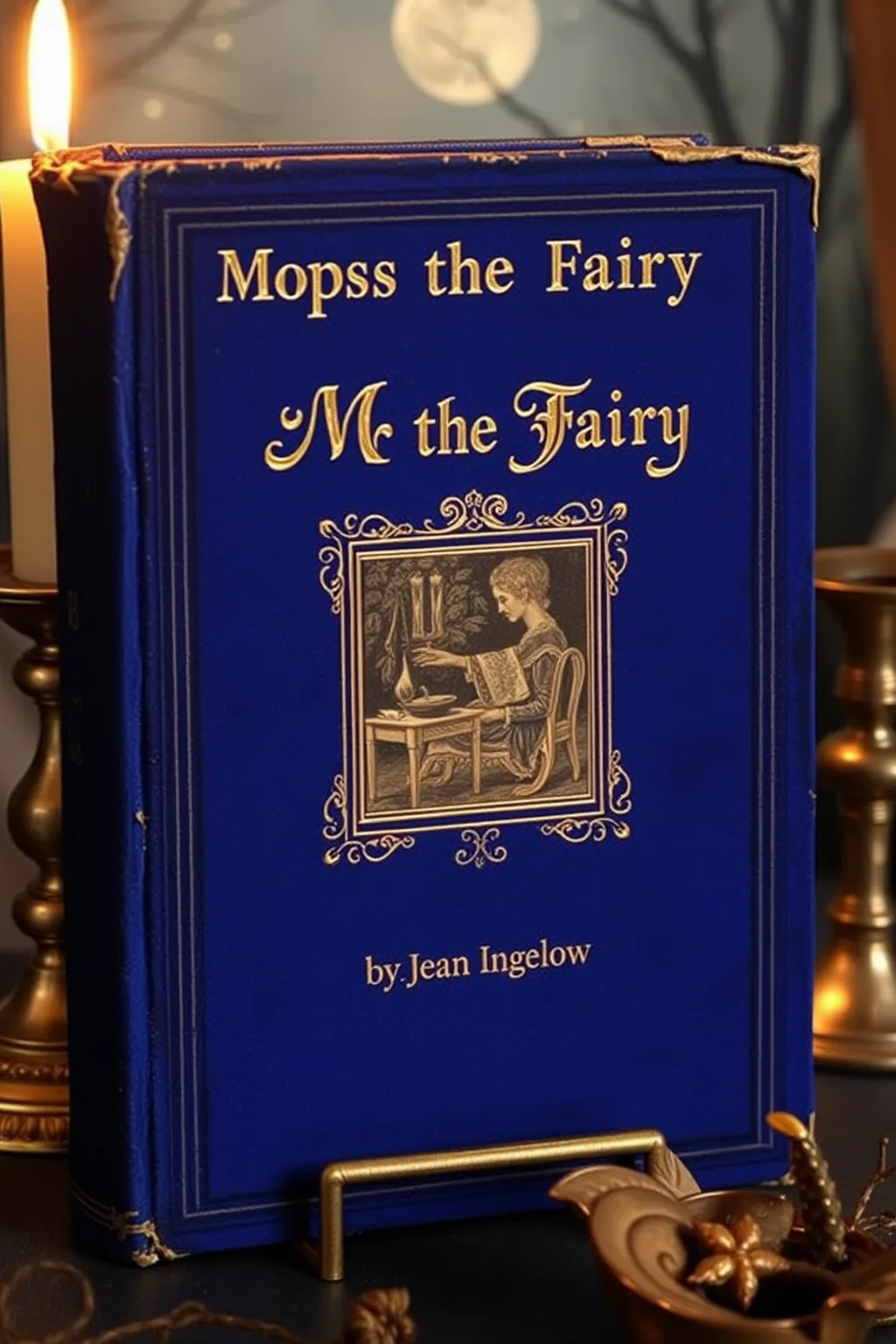
Mopsa the Fairy
 69
69

Mopsa the Fairy


"Mopsa the Fairy" by Jean Ingelow is a hidden gem in the realm of esoteric literature. Published in 1820, this fairy tale offers a blend of magical rituals and life lessons that resonate with modern seekers of the occult. Ingelow's narrative is rich with vivid imagery and intricate details, transporting readers to a world where fairies and magic coexist with everyday life. The story of Mopsa, a fairy navigating courtly intrigues and natural wonders, provides a unique lens through which to explore themes of conduct and personal growth. For those interested in the intersection of folklore and esoteric practices, "Mopsa the Fairy" offers a valuable and enchanting read. Its timeless appeal makes it a must-have for anyone looking to deepen their understanding of magic and ritual through classic literature.
📝 Description
69
Jean Ingelow wrote Mopsa the Fairy in 1869, a story where fairies interact with human society.
Mopsa the Fairy, published in 1869, tells the story of a fairy who becomes involved with a human family. The narrative blends the ordinary lives of its characters with the presence of supernatural beings. Ingelow uses this framework to examine themes relevant to growing up and understanding one's place in the world.
The book contrasts the magical world of fairies with the realities faced by humans. It touches on the challenges of behavior and moral choices, presenting them through a fairy tale lens. The story aims to be both engaging for young readers and thought provoking, suggesting deeper meanings beneath the surface of the plot.
Published in the late Victorian era, a period of interest in spiritualism and folklore, Mopsa the Fairy taps into existing traditions of fae mythology. While presented as a children's story, its engagement with symbolic representation and the interplay between visible and unseen worlds aligns with a broader Victorian fascination with esoteric ideas. The narrative subtly touches on themes of spiritual insight and the significance of inner understanding, common threads in esoteric thought of the time.
✍️ Author
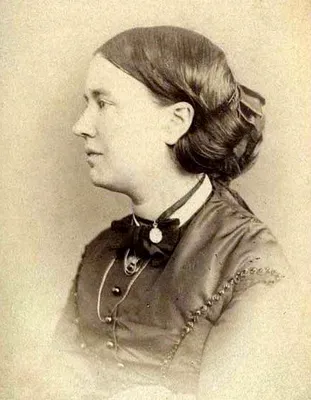
Ingelow, Jean
Jean Ingelow (17 March 1820 – 20 July 1897) was an English poet and novelist, who gained sudden fame in 1863. She also wrote several stories for children.
💡 Why Read This Book?
Reading "Mopsa the Fairy" today offers a unique opportunity to explore the magical and esoteric beliefs of the early 19th century. This enchanting fairy tale provides valuable insights into the conduct of life, making it a timeless guide for personal growth. For modern seekers of the occult, the book offers a rich tapestry of rituals and magical lore that can inspire and enrich one's spiritual journey. Whether you are a fan of classic fairy tales or interested in the deeper meanings behind magical practices, "Mopsa the Fairy" is a captivating and enlightening read.
⭐ Reader Reviews
Honest opinions from readers who have explored this book.
❓ Frequently Asked Questions
What is the main theme of "Mopsa the Fairy"?
The main themes of "Mopsa the Fairy" include the conduct of life, magical rituals, and the intersection of fairy lore with courtly intrigue.
Who should read this book?
This book is ideal for readers interested in esoteric literature, classic fairy tales, and those seeking a deeper understanding of magical practices and rituals.
What historical context does the book provide?
Published in 1820, "Mopsa the Fairy" reflects the societal norms and magical beliefs of the early 19th century, offering a glimpse into the esoteric practices of the time.
🔮 Key Themes & Symbolism
Conduct of Life
The narrative explores the intricacies of personal conduct and behavior, offering a guide to working through the complexities of life with integrity and wisdom. Through the lens of fairy magic, Ingelow presents a profound exploration of ethical dilemmas and the pursuit of hidden knowledge.
Fairy Magic and Symbolism
The story is rich with symbolism, where fairies and courts represent deeper truths and mystical influences. Each character and event is imbued with esoteric meaning, inviting readers to look at the hidden layers of the narrative.
Philosophical Depth
Mopsa the Fairy studies philosophical questions about the nature of reality and the pursuit of wisdom. The book encourages readers to question their perceptions and seek a deeper understanding of the world around them, making it a valuable resource for spiritual seekers and scholars.
💡 Key Ideas
Editorial paraphrase of the work's core concepts — not direct quotes.
In the realm where fairies dwell, wisdom is the key to unlocking the mysteries of life.
This quote underscores the book's emphasis on the pursuit of hidden knowledge and the importance of wisdom in navigating life's complexities.
The conduct of life is a journey of integrity and growth.
This line highlights the central theme of personal conduct and the importance of ethical behavior in achieving personal growth.
Fairies are the guardians of secrets, whispering truths to those who listen.
This quote emphasizes the mystical influence of fairies and the esoteric knowledge they represent, inviting readers to seek deeper truths.
In the heart of the enchanted forest, the boundaries between reality and fantasy blur.
This passage underscores the book's exploration of magical realism and the blending of the magical and the mundane.
The pursuit of wisdom is a lifelong journey, filled with wonder and discovery.
This line captures the book's philosophical depth and the importance of seeking hidden knowledge throughout life.
🌙 Esoteric Significance
Tradition
Mopsa the Fairy belongs to the tradition of Hermetic and fairy lore, where hidden knowledge and mystical influences play a central role. The book draws on the strong symbolism of fairy tales to explore deeper truths and esoteric insights, making it a valuable resource for those interested in Hermetic studies and magical arts.
Symbolism
Key symbols in the book include fairies, courts, and enchanted forests, each representing deeper truths and mystical influences. The fairies, in particular, serve as guardians of secrets and guides to hidden knowledge, inviting readers to look at the esoteric layers of the narrative.
Modern Relevance
The book's exploration of personal conduct, ethical dilemmas, and the pursuit of hidden knowledge remains relevant today. Modern practitioners of magical arts and esoteric studies can find valuable insights in Mopsa the Fairy, using its profound symbolism and philosophical depth to enrich their spiritual journeys.
👥 Who Should Read This Book
Beginners in esoteric studies will find Mopsa the Fairy an accessible and engaging introduction to the world of hidden knowledge and fairy lore. Scholars of literature and philosophy will appreciate the book's strong symbolism and philosophical depth, making it a valuable resource for academic research. Spiritual seekers and practitioners of magical arts will find inspiration and guidance in the narrative's exploration of personal conduct and the pursuit of wisdom. Those interested in the intersection of magic and morality will also benefit from the book's clear insights and ethical dilemmas.
📜 Historical Context
Mopsa the Fairy was written during a time when juvenile fiction was beginning to explore more complex themes and deeper meanings. Published in the mid-19th century, this book reflects the era's fascination with fairy tales and magical realism, while also addressing the moral and ethical questions that were pertinent to the time. Ingelow's work stands out for its mix of entertainment and enlightenment, making it an influential piece in the development of esoteric literature for young readers. The book's enduring appeal lies in its timeless themes and clear insights, which continue to resonate with readers today.
📔 Journal Prompts
How do the fairies in Mopsa the Fairy symbolize hidden knowledge and mystical influences?
What lessons about personal conduct and integrity can be learned from the story?
How does the narrative blend magical realism and philosophical depth to explore deeper truths?
In what ways does the book's exploration of ethical dilemmas resonate with modern readers?
How can the pursuit of hidden knowledge and wisdom be applied to one's spiritual journey?
🗂️ Glossary
Fairy Lore
The study and belief in fairies, often associated with magical and mystical influences, and hidden knowledge.
Magical Realism
A genre of narrative fiction that paints a realistic view of reality while also depicting a further reality that contains or reveals magical elements.
Hermetic Studies
The study of Hermeticism, a philosophical and spiritual tradition based on the writings attributed to Hermes Trismegistus.
Esoteric Symbolism
Symbols and imagery that hold hidden or mystical meanings, often used in esoteric literature and magical arts.
Personal Conduct
The behavior and actions of an individual, often guided by ethical and moral principles, and explored in depth in Mopsa the Fairy.
🔮 Readers Also Liked
Browse all →





From the “Transcendental Meditation” Collection
View all →



More Free Magic & Ritual Books
View all →