Philosophy: Wicca

 71
71

Philosophy: Wicca

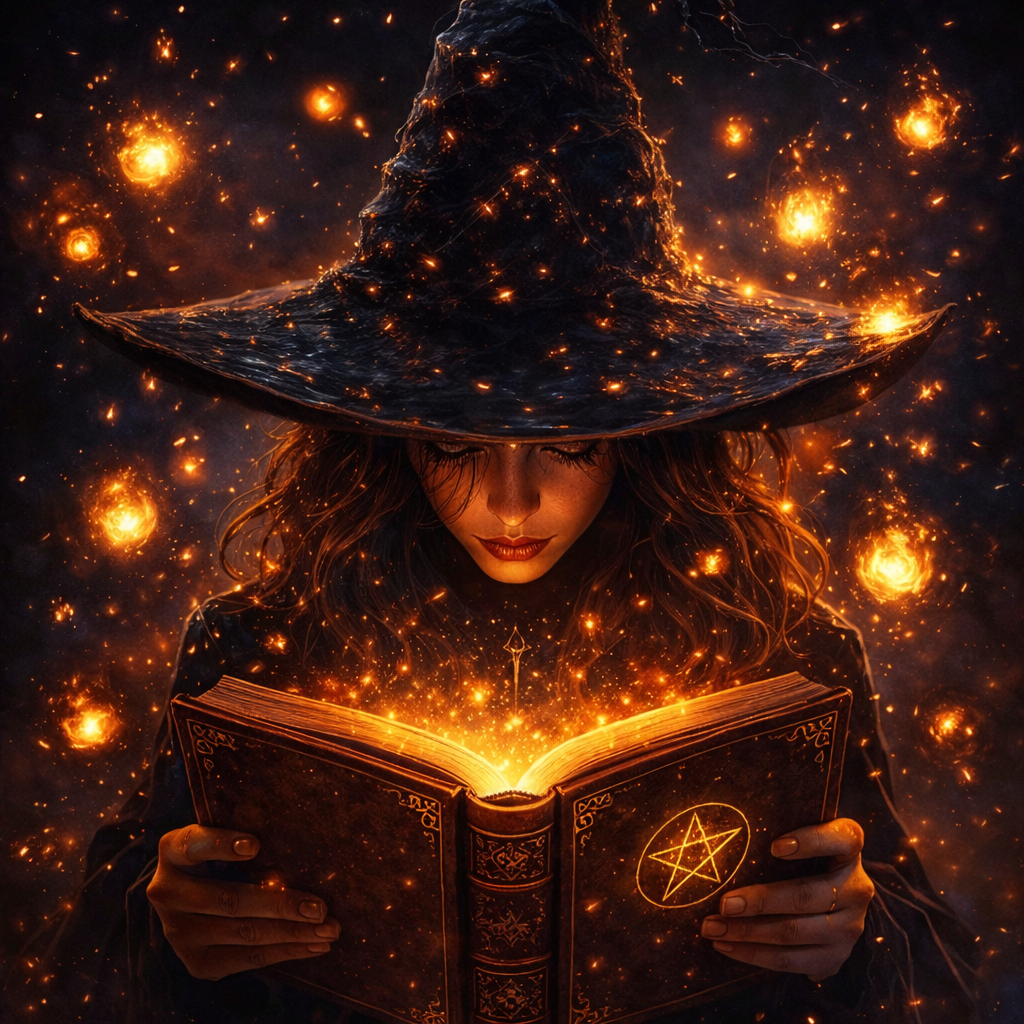

Review by Balthazar Finch (Senior Critic, Occult Philosophy) — Amber Laine Fisher's "Philosophy: Wicca" is a beacon in the often-murky waters of contemporary paganism. Fisher eschews simplistic definitions, instead delving into the sophisticated philosophical architecture that underpins Wiccan practice. Her exploration of immanent divinity and the reciprocal relationship between humanity and nature is particularly insightful, offering a nuanced perspective rarely found in introductory texts. This work is a vital addition for those seeking a grounded, yet deeply esoteric, understanding of witchcraft's core tenets. It will resonate most profoundly with serious students and practitioners aiming to deepen their philosophical grasp.
📝 Description
71
Amber Laine Fisher's 2022 book, Philosophy: Wicca, examines the ethical foundations of contemporary witchcraft.
Amber Laine Fisher's Philosophy: Wicca, published in 2022, offers a detailed look at the philosophical underpinnings of modern Wicca. The book moves beyond basic ritual descriptions to analyze the core beliefs and ethical frameworks that shape this spiritual path. Fisher discusses the balance of divine feminine and masculine energies, the cyclical nature represented by the Wheel of the Year, and the principles that guide practitioners in their daily lives and magical work.
This text aims to provide clarity on Wiccan thought for those seeking a deeper understanding. It addresses concepts such as the interconnectedness of all things and the importance of a close relationship with the natural world. Fisher's writing is structured to assist individuals who are seriously interested in Wicca, whether they are new to its study, actively practicing, or approaching it from an academic perspective. It illuminates the spiritual and esoteric elements characteristic of this tradition.
Philosophy: Wicca is situated within the modern esoteric tradition, specifically focusing on the Neopagan revival of the mid-20th century and its subsequent development. It engages with themes common in Western esotericism, such as the veneration of nature, dualistic yet balanced divine principles, and the pursuit of spiritual knowledge through direct experience and symbolic understanding. The book examines how these broader esoteric currents manifest within the distinct framework of Wicca, differentiating it from other magical and spiritual systems.
💡 Why Read This Book?
Unravel the profound philosophical underpinnings of Wicca. Discover the sacred geometry of the cosmos as understood by modern witches. This book is essential for seekers yearning for a deeper, more meaningful connection to nature and the divine. It offers practitioners a richer context for their rituals and scholars a rigorous examination of a vital spiritual path.
⭐ Reader Reviews
Honest opinions from readers who have explored this book.
❓ Frequently Asked Questions
What is the core philosophy of Wicca?
The core philosophy of Wicca centers on reverence for nature, the divine duality of God and Goddess, the ethical principle of 'An it harm none, do what ye will,' and the belief in immanent divinity within all things.
Is Wicca a religion or a philosophy?
Wicca is often considered both a religion and a philosophy. It encompasses a belief system, rituals, and a moral code, while also offering a framework for understanding the universe and one's place within it.
What is the significance of the Wheel of the Year?
The Wheel of the Year represents the cycle of seasons and the eight major festivals observed in Wicca, symbolizing birth, death, and rebirth, and marking significant points of spiritual reflection and celebration.
How does Wicca approach ethics?
Wiccan ethics are primarily guided by the Rede: 'An it harm none, do what ye will.' This principle emphasizes personal responsibility, the avoidance of causing harm to oneself or others, and the understanding that one's actions have consequences.
Who is the intended audience for this book?
This book is ideal for individuals seeking an in-depth understanding of Wiccan philosophy, from curious newcomers to seasoned practitioners and academic researchers interested in the esoteric and pagan traditions.
🔮 Key Themes & Symbolism
Immanent Divinity and Sacred Nature
This theme explores the Wiccan understanding of divinity as not separate from the world, but inherent within all of creation. It looks at the sacredness of the natural world, viewing the Earth, its cycles, and its inhabitants as manifestations of the divine. The text illuminates how this perspective fosters a deep reverence for nature, encouraging a harmonious and respectful relationship with the environment, and recognizing the divine feminine and masculine energies present in all things.
The Ethical Imperative: The Wiccan Rede
Central to Wiccan philosophy is the ethical guideline 'An it harm none, do what ye will.' This theme dissects the wide implications of this principle, moving beyond a simple commandment to explore its intricate layers of personal responsibility, karmic consequence, and the importance of mindful action. It emphasizes the power and wisdom inherent in acting with consideration for oneself, others, and the wider web of life, fostering a practice rooted in compassion and integrity.
Symbolism and Ritual in Spiritual Evolution
This section looks at the rich symbolic language and ritualistic practices that form the backbone of Wiccan spiritual development. It examines how symbols, from the pentacle to the elements, serve as potent keys to unlocking deeper understanding and connection to the divine. The text illuminates the transformative power of ritual, not as mere performance, but as a structured means of focusing intent, invoking energies, and facilitating personal growth and spiritual evolution through embodied experience.
💬 Memorable Quotes
Direct passages from the work, attributed to the author.
“Witchcraft is not about commanding nature, but about dancing with her.”
— This emphasizes the Wiccan approach to magic and spirituality as a partnership with nature, rather than a dominion over it, advocating for harmony and co-creation.
“The greatest spell is the one cast upon oneself, the spell of self-awareness.”
— This points to the introspective and self-transformative aspect of Wicca, suggesting that true power and magic originate from understanding and mastering one's inner landscape.
“The circle is not a boundary, but a gateway.”
— This reinterprets the ritual circle not as a place of confinement, but as a sacred space that opens pathways to spiritual realms and heightened consciousness.
“To know the Self is to know the divine.”
— This succinctly captures the core tenet of finding the divine within, equating self-knowledge with spiritual enlightenment and connection to the universal consciousness.
💡 Key Ideas
Editorial paraphrase of the work's core concepts — not direct quotes.
The Goddess whispers in the rustle of leaves, the God echoes in the thunder's roll.
This quote highlights the Wiccan belief in immanent divinity, perceiving the divine presence in the natural world and its phenomena, bridging the tangible and the spiritual.
🌙 Esoteric Significance
Tradition
This work is deeply rooted in the esoteric tradition of modern Wicca, a neo-pagan witchcraft religion. It draws from its established theological framework, which often venerates a dualistic God and Goddess, and its ethical system, the Wiccan Rede. The book also engages with broader hermetic and occult philosophies, exploring concepts of energetic manipulation, symbolic interpretation, and the interconnectedness of the microcosm and macrocosm, all within the context of a nature-centered spirituality.
Symbolism
The symbolism within "Philosophy: Wicca" is rich and multi-layered. Key symbols include the pentacle, representing the five elements and the human spirit; the crescent moon and sun, signifying the divine feminine and masculine; the Wheel of the Year, symbolizing cosmic cycles of life, death, and rebirth; and the elements themselves (earth, air, fire, water, spirit). These symbols are not merely decorative but serve as potent keys to understanding complex metaphysical concepts and facilitating spiritual connection and transformation.
Modern Relevance
In an age often characterized by disconnection from nature and existential questioning, "Philosophy: Wicca" offers profound modern relevance. It provides a framework for environmental stewardship, personal empowerment, and the cultivation of a meaningful spiritual life outside of mainstream religious structures. The emphasis on ethical self-governance and the inherent divinity within all beings appeals to contemporary desires for authenticity, sustainability, and a deeper sense of purpose, making its ancient wisdom applicable to the challenges of the 21st century.
👥 Who Should Read This Book
This book is an essential read for the **Beginner Seeker** looking to understand the philosophical underpinnings of Wicca beyond superficial stereotypes. **Aspiring Practitioners** will find it important for building a strong ethical and conceptual foundation for their craft. **Academic Scholars** of religion, mythology, and occult studies will appreciate its nuanced exploration and contribution to the discourse on modern paganism. **Established Witches and Pagans** seeking to deepen their understanding, articulate their beliefs, or explore different facets of Wiccan thought will find its insights informative and enriching.
📜 Historical Context
"Philosophy: Wicca" emerges from a lineage of rediscovered and reconstructed pagan traditions that gained significant traction in the mid-20th century, particularly in post-war Britain and later across the Western world. Influenced by the works of Gerald Gardner, the "father of modern Wicca," and subsequent scholars and practitioners like Doreen Valiente and Raymond Buckland, the book reflects a period of intense intellectual and spiritual exploration. This era saw a resurgence of interest in pre-Christian European earth-based religions, occultism, and feminist spirituality. Fisher's work builds upon this foundation, offering a contemporary interpretation that is both rooted in historical esoteric thought and relevant to the evolving spiritual landscape, addressing the need for a philosophical grounding in a practice often perceived through a purely ritualistic lens.
📔 Journal Prompts
Reflect on your personal understanding of immanent divinity. Where do you perceive the sacred in your daily life?
How does the principle of 'An it harm none' guide your decisions and interactions? Provide specific examples.
Choose a symbol from nature (e.g., a tree, a river, a star) and explore its potential symbolic meanings within a Wiccan context.
Consider a recent ritual or meditative practice. How did the use of symbolism enhance your experience?
In what ways can embracing the cycles of nature (represented by the Wheel of the Year) bring greater balance and meaning to your life?
🗂️ Glossary
Wiccan Rede
The primary ethical guideline in Wicca, commonly stated as 'An it harm none, do what ye will.' It emphasizes personal responsibility and the avoidance of causing harm to oneself or others.
Immanent Divinity
The belief that the divine is present within all aspects of the universe and creation, rather than existing solely as a transcendent being separate from the world.
Pentacle
A five-pointed star, often enclosed in a circle, symbolizing the five elements (earth, air, fire, water, and spirit) and representing protection and balance.
Wheel of the Year
The annual cycle of eight seasonal festivals observed in many Wiccan traditions, marking the solstices, equinoxes, and cross-quarter days, representing the cycles of life, death, and rebirth.
Divine Feminine/Masculine
The dualistic representation of divine energy in Wicca, often personified as the Goddess and the God, embodying complementary energies, creation, and destruction.
This book appears in 2 collections
🔮 Readers Also Liked
Browse all →



From the “Witchcraft” Collection
View all →






More Free Witchcraft & Paganism Books
View all →