A Christian Wreath for the Pagan Deities: Or, An Introduction to the Greek and Roman Mythology
 74
74

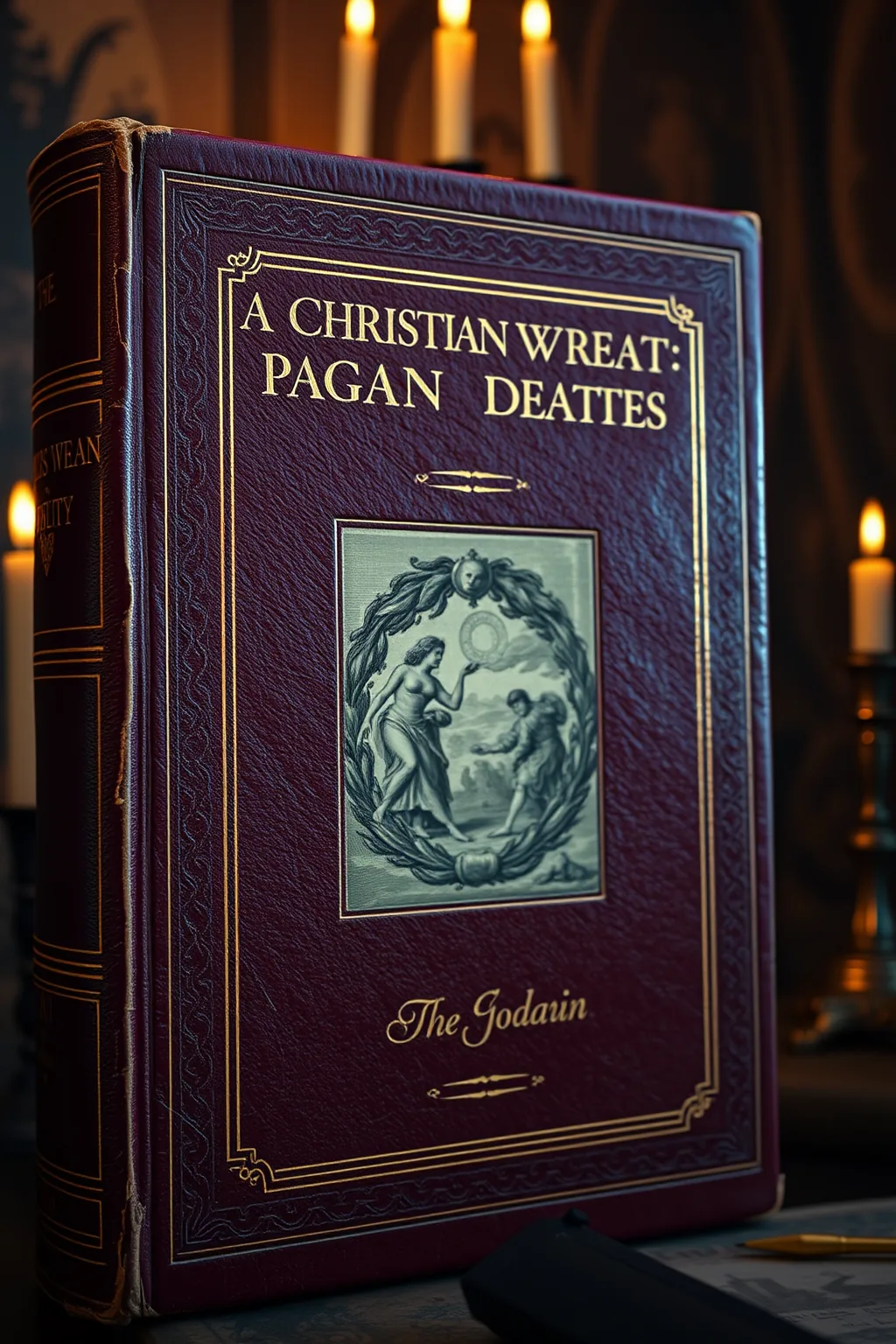
A Christian Wreath for the Pagan Deities: Or, An Introduction to the Greek and Roman Mythology

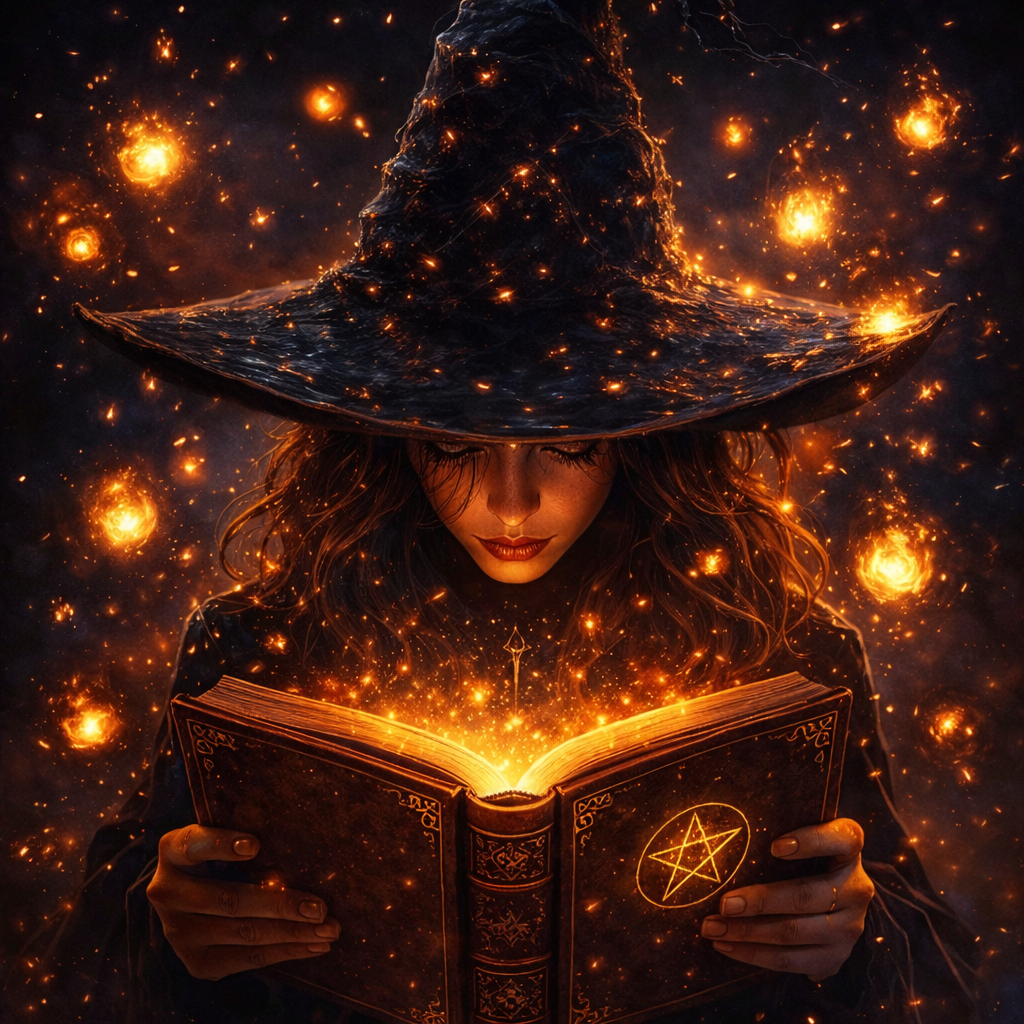

A Christian Wreath for the Pagan Deities is a gem for modern esoteric seekers, offering a bridge between ancient pagan beliefs and Christian thought. The book's strength lies in its ability to present complex mythological narratives in a manner that is both scholarly and engaging. Rowden's work, enhanced by Banier and Tressan's translations, provides a rich context for understanding the pagan deities within a Christian framework. This makes it an invaluable resource for those exploring the esoteric and occult traditions. The text is particularly useful for readers interested in comparative religion and the historical interplay between different belief systems. The detailed descriptions and thoughtful interpretations make it a must-read for anyone delving into the mysteries of ancient mythology and its enduring influence on modern spirituality.
📝 Description
74
Published in the 19th century, 'A Christian Wreath for the Pagan Deities' reinterprets classical myths.
This volume examines Greek and Roman mythology through an esoteric and mystical lens. It was compiled by Frances Arabella Rowden, drawing on works by Antoine Banier and Jean-Baptiste de Boyer, Marquis de Tressan. The text seeks to uncover hidden knowledge and symbolism within ancient myths, particularly as they relate to Christian thought.
The book blends pagan themes with Christian interpretations to illuminate deeper understandings of the divine and human existence. It aims to reveal the mystical underpinnings of figures like Jupiter and other deities. This perspective is intended for those interested in esoteric wisdom, mythology, and related occult practices.
This work fits within a tradition of syncretic thought that sought to find correspondences between disparate religious and philosophical systems. By reinterpreting pagan myths through a Christian framework, it aligns with esoteric approaches that look for hidden meanings and allegorical truths within established narratives. Such interpretations often aimed to demonstrate a universal divine principle underlying diverse cultural expressions, bridging perceived divides between ancient traditions and later religious developments.
💡 Why Read This Book?
Reading A Christian Wreath for the Pagan Deities today offers a unique opportunity to explore the rich tapestry of Greek and Roman mythology through a Christian lens. This book provides valuable insights into the historical and cultural contexts of ancient beliefs, enriching the reader's understanding of both paganism and Christianity. It is an excellent resource for those seeking to deepen their knowledge of esoteric traditions and the occult. The reader will gain a broader perspective on the interconnectedness of different religious systems and the enduring influence of ancient mythology on modern thought.
⭐ Reader Reviews
Honest opinions from readers who have explored this book.
❓ Frequently Asked Questions
Who is the author of A Christian Wreath for the Pagan Deities?
The author is Frances Arabella Rowden, with translations by Antoine Banier and Jean-Baptiste de Boyer, Marquis de Paulmy d'Argens.
What is the historical context of this book?
Published in 1820, this book reflects the intellectual curiosity and religious fervor of the early 19th century, blending classical mythology with Christian theology.
Who should read this book?
This book is ideal for readers interested in the occult, paganism, comparative religion, and the intersection of ancient and Christian beliefs.
🔮 Key Themes & Symbolism
Divine Representations
This theme looks at how ancient deities are represented in temples and oracles, revealing the deeper spiritual significance behind these representations. It explores the symbolism and hidden knowledge embedded in these sacred spaces, offering readers a mystical perspective on the divine.
Philosophical Significance
The philosophical significance of ancient myths is a central theme, blending Christian and pagan thought to uncover deeper truths about the divine and the human experience. This theme invites readers to reflect on the spiritual presences that have shaped our understanding of the divine for centuries.
Esoteric Interpretation
The esoteric interpretation of Greek and Roman mythology is a key theme, providing readers with a unique perspective on the gods and their roles in the spiritual landscape. This theme is rich with hidden knowledge and symbolism, making it a valuable resource for seekers of spiritual enlightenment.
💡 Key Ideas
Editorial paraphrase of the work's core concepts — not direct quotes.
The gods preside over the mysteries of life and death, guiding us through the labyrinth of existence.
This quote underscores the spiritual guidance offered by ancient deities, highlighting their role in reading through the complexities of life.
In the temple of the mind, the divine resides, waiting to be discovered.
This passage emphasizes the inner journey of spiritual discovery, suggesting that the divine is accessible through introspection and esoteric knowledge.
The oracle speaks in riddles, revealing truth to those who seek it with an open heart.
This quote reflects the mystical nature of oracles, which often require seekers to interpret hidden meanings and symbols.
Jupiter, the king of gods, symbolizes the ultimate divine authority and the harmony of the cosmos.
This line highlights the significance of Jupiter in ancient mythology, representing the order and balance of the universe.
The pagan deities, veiled in myth, hold the keys to ancient wisdom.
This passage suggests that the myths surrounding pagan deities contain hidden knowledge and esoteric truths, waiting to be uncovered by the curious seeker.
🌙 Esoteric Significance
Tradition
This book belongs to the Hermetic tradition, which seeks to uncover the hidden knowledge and symbolism embedded in ancient myths. It blends Christian and pagan themes to reveal deeper truths about the divine and the human experience, making it a valuable resource for those interested in esoteric and occult studies.
Symbolism
Key symbols in this book include the temple, the oracle, and the representation of deities in sacred spaces. These symbols are rich with mystical meanings, representing the divine presence and the spiritual guidance offered by ancient gods. Jupiter, for example, symbolizes the ultimate divine authority and the harmony of the cosmos.
Modern Relevance
This book remains relevant today for modern practitioners of the occult and seekers of spiritual enlightenment. Its esoteric insights and mystical interpretations of ancient mythology offer a unique perspective on the divine, making it a valuable resource for those interested in exploring the mystical side of classical mythology.
👥 Who Should Read This Book
Beginners may find this book challenging due to its esoteric content, but it is a valuable resource for those interested in the mystical and occult dimensions of mythology. Scholars of ancient religions will appreciate its depth of research and unique perspective on the divine. Spiritual seekers and practitioners of the occult will find it enlightening and inspiring, offering a rich, esoteric journey through the world of classical mythology.
📜 Historical Context
Written in an era when the study of classical mythology was intertwined with Christian thought, 'A Christian Wreath for the Pagan Deities' reflects the intellectual and spiritual climate of its time. The authors sought to reconcile pagan beliefs with Christian theology, providing a unique perspective on the divine. This book was influential in shaping the understanding of ancient deities and their spiritual significance, offering readers a rich historical context that bridges the gap between ancient myths and modern spirituality.
📔 Journal Prompts
Reflect on how the representation of deities in temples and oracles can reveal deeper spiritual truths.
Consider the philosophical significance of blending Christian and pagan themes in ancient mythology.
Explore the symbolism of Jupiter and other ancient deities in your spiritual journey.
How do the mysteries of life and death, as guided by the gods, influence your understanding of existence?
In what ways can the esoteric interpretation of ancient myths enhance your spiritual enlightenment?
🗂️ Glossary
Orphic Mysteries
Ancient religious rites dedicated to the god Orpheus, often involving initiation and the pursuit of spiritual enlightenment through mystical experiences.
Hermetic Tradition
An esoteric and mystical tradition based on the writings attributed to Hermes Trismegistus, focusing on the pursuit of hidden knowledge and spiritual transformation.
Esoteric Symbolism
Symbols that convey hidden meanings and spiritual truths, often used in mystical and occult practices to reveal deeper layers of reality.
Divine Representation
The depiction of deities in sacred spaces, such as temples and oracles, which often carry mystical and symbolic significance.
Philosophical Significance
The deeper meaning and spiritual insights derived from the study of ancient myths and their esoteric interpretations, often revealing truths about the divine and the human experience.
This book appears in 2 collections
🔮 Readers Also Liked
Browse all →








From the “Witchcraft” Collection
View all →







More Free Witchcraft & Paganism Books
View all →