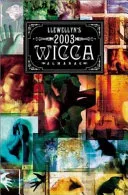
Wicca Almanac 2003
 83
83

Wicca Almanac 2003
The Wicca Almanac 2003 attempts to bridge the gap between traditional Paganism and the digitally native generation of practitioners. Its "vibrant, edgy style" and "underground publication" aesthetic are commendable efforts to resonate with a younger, urban audience, a notable departure from the often staid presentation of occult materials. The focus on the "witchcraft lifestyle" is particularly strong, offering practical advice that integrates spiritual practice into everyday existence. However, while the ambition to be "Internet savvy" is clear, the almanac itself, as a physical publication from 2002, inevitably lags behind the rapid evolution of online discourse and community. A specific passage detailing seasonal Sabbat celebrations, for instance, feels somewhat generalized when compared to the dynamic, user-generated content available on contemporary Pagan forums. Despite this, it serves as a solid, if somewhat dated, introduction for its intended demographic.
Verdict: A stylish, accessible snapshot of early 2000s Neo-Paganism for a younger generation.
📝 Description
83
The Wicca Almanac 2003, published in late 2002, targeted young, urban, and digitally connected Pagans.
This yearly compendium, released in late 2002, offers practical information and spiritual guidance for contemporary Pagans. It aimed for a younger demographic, focusing on individuals described as urban, sophisticated, and internet savvy. The almanac's presentation adopted an "underground" feel, reflecting shifts in modern witchcraft. Its style was deliberately "edgy" to appeal to those who might find more traditional occult literature distant or outdated.
At the turn of the 21st century, this almanac appeared during a time of expansion and variety within Pagan and Neo-Pagan movements. The publication noted a growing market, indicating increased societal interest in alternative spiritualities, often amplified by early online communities. This era saw figures like Philip Carr-Gomm actively promoting Paganism, a contrast to earlier, more secluded practices. The almanac engages with core Wiccan and witchcraft ideas, reinterpreting them for a contemporary audience.
Published at the dawn of the 21st century, the Wicca Almanac 2003 emerged during a period of significant growth and diversification in Pagan and Neo-Pagan traditions. This era saw a broader societal engagement with alternative spiritualities, often facilitated by emerging online networks. The almanac's focus on "young pagans" suggests an emphasis on contemporary interpretations of magic, ritual, and ethics, likely addressing themes of personal empowerment and community building within a digital context.
💡 Why Read This Book?
• Gain practical insights into the "witchcraft lifestyle" as presented in the 2003 almanac, understanding how Paganism was being integrated into daily life for urban practitioners. • Explore the "edgy" and "underground" aesthetic choices made by Llewellyn Publications to appeal to "young pagans" and "Internet savvy" individuals, differentiating it from earlier spiritual texts. • Understand the historical context of Neo-Paganism in the early 2000s, specifically how this almanac addressed a "growing market" of practitioners during a period of increased online connectivity.
⭐ Reader Reviews
Honest opinions from readers who have explored this book.
❓ Frequently Asked Questions
What kind of content can I expect in the Wicca Almanac 2003 for practicing witchcraft?
The Wicca Almanac 2003 provides guidance on the "witchcraft lifestyle," including rituals, spells, and information relevant to seasonal Pagan observances. Its "edgy style" aims to make these practices accessible and engaging for younger, modern practitioners.
Who is the target audience for the Wicca Almanac 2003?
The almanac is specifically designed for "young pagans" who are described as urban, sophisticated, and "Internet savvy." It caters to a demographic interested in contemporary witchcraft and Paganism, presented in a style that feels like an "underground publication."
When was the Wicca Almanac 2003 first published?
The Wicca Almanac 2003 was first published in late 2002, with the specific date of December 2002 being its initial release. This positions it within the early 21st-century landscape of esoteric literature.
What makes the Wicca Almanac 2003 different from other Pagan almanacs?
Its distinction lies in its "vibrant, edgy style" and its deliberate attempt to mirror an "underground publication." This approach is intended to connect with a younger, "Internet savvy" audience, moving away from more traditional or academic presentations of Wicca.
Does the Wicca Almanac 2003 cover specific Wiccan traditions or is it general?
While the blurb doesn't specify particular Wiccan traditions, it focuses broadly on "wicca and the witchcraft lifestyle," suggesting it offers general principles and practices relevant to a wide range of contemporary Neo-Pagan practitioners.
What was the publishing intent behind the Wicca Almanac 2003?
The intent was to serve the "growing market of young pagans" by offering content that was both spiritually relevant and aesthetically appealing to a modern, digitally connected audience. The goal was to present Wicca in a fresh, "edgy" manner.
🔮 Key Themes & Symbolism
Contemporary Witchcraft Lifestyle
The almanac emphasizes the "witchcraft lifestyle," framing Wicca not just as a set of beliefs or rituals, but as an integrated way of living. This theme speaks to the modern practitioner's desire to combine spiritual practice into their daily existence, particularly relevant for "urban, sophisticated, and Internet savvy" individuals. It suggests a focus on practical magic, ethical considerations, and personal empowerment within a contemporary context, moving beyond purely historical or ceremonial aspects.
Youthful Pagan Demographics
A central theme is the almanac's direct appeal to "young pagans." The "vibrant, edgy style" and "underground publication" feel are deliberate choices to engage a demographic that might be alienated by more traditional esoteric literature. This highlights the evolving nature of spiritual movements and the importance of adapting communication and aesthetics to reach newer generations who are digitally connected and have distinct cultural sensibilities.
Digital Age Spirituality
The descriptor "Internet savvy" points to a key theme: the intersection of spirituality and digital culture in the early 2000s. While the book itself is a physical publication from 2002, its target audience is implicitly comfortable with online information sharing and community building. This suggests the content likely touches upon how modern technology influences or complements Pagan practices, even if not explicitly detailing online rituals.
Modern Esoteric Presentation
The almanac's presentation itself is a thematic element, aiming for a "vibrant, edgy style" that reads like an "underground publication." This reflects a broader trend in esoteric publishing to move beyond academic or overly formal tones. By adopting a more accessible and contemporary aesthetic, the book seeks to clarify Wicca and witchcraft, making it more approachable for a generation accustomed to diverse media formats.
💬 Memorable Quotes
Direct passages from the work, attributed to the author.
“This all-new almanac speaks to the growing market of young pagans--urban, sophisticated, and Internet savvy.”
— This statement directly addresses the almanac's primary objective: to connect with a specific, evolving demographic within the Pagan community. It acknowledges their modern sensibilities and digital fluency, signaling a departure from older outreach methods.
“With a vibrant, edgy style, this book looks and reads like an underground publication.”
— This highlights the deliberate aesthetic choices made by the publisher. The aim is to create a sense of authenticity and rebellion, appealing to a younger audience seeking content that feels less mainstream and more representative of contemporary subcultures.
“Sections on wicca and the witchcraft lifestyle.”
— This succinctly outlines the core content areas. It suggests a practical focus, covering not just the theoretical aspects of Wicca but also its application in everyday life, referred to as the "witchcraft lifestyle."
“Gwinevere Rain (first published 2002-12)”
— This attribution provides a specific publication date, anchoring the almanac in the early 21st century. It indicates the work reflects the spiritual and cultural field of that particular moment, just as the internet was becoming a dominant force.
“Llewellyn Publications Staff”
— This indicates a collaborative effort typical of almanacs, where various contributors likely offer insights. It suggests a curated collection of information rather than a singular authorial voice, aiming for breadth.
🌙 Esoteric Significance
Tradition
The Wicca Almanac 2003 fits within the broader Neo-Pagan and Wiccan traditions that gained prominence in the latter half of the 20th century. It represents a continuation and adaptation of these lineages for a new generation. Unlike older, more rigidly structured traditions, this almanac reflects the fluid, individualistic, and often eclectic nature of contemporary witchcraft, particularly appealing to those seeking personal spiritual paths rather than strict adherence to a single coven's doctrine.
Symbolism
While specific symbols aren't detailed in the blurb, almanacs of this nature typically engage with seasonal symbols (e.g., representations of the Wheel of the Year, Sabbat imagery like Yule logs or Beltane bonfires) and archetypal figures of nature deities. These symbols serve to connect practitioners to natural cycles and the divine feminine and masculine principles often central to Wiccan cosmology, grounding modern practice in ancient natural rhythms.
Modern Relevance
This almanac's approach continues to inform how esoteric publishers engage with younger demographics. The emphasis on the "witchcraft lifestyle" and adapting an "edgy" aesthetic appeals to contemporary digital content creators and influencers in the Pagan and occult space. Modern practitioners, many of whom are "Internet savvy," still seek accessible, relatable guides that acknowledge their lived experiences in urban environments and digital landscapes.
👥 Who Should Read This Book
• Beginning students of Wicca and modern witchcraft seeking an accessible entry point into the "witchcraft lifestyle" that avoids overly academic or archaic language. • Urban practitioners aged 18-30 who identify as "sophisticated" and "Internet savvy" and are looking for spiritual content that reflects contemporary aesthetics and concerns. • Comparative religion researchers interested in the evolution of Neo-Paganism in the early 21st century and Llewellyn Publications' strategies for reaching younger demographics.
📜 Historical Context
The Wicca Almanac 2003 emerged in late 2002, a period when Neo-Paganism was experiencing significant expansion and diversification. The internet was rapidly transforming how spiritual communities connected and shared information, moving beyond the geographical limitations of earlier decades. This almanac, with its focus on "young pagans" described as "urban, sophisticated, and Internet savvy," directly addressed this shift. It represented Llewellyn Publications' effort to capture a growing market seeking accessible, contemporary spiritual resources. This was a time when authors like Margot Adler were documenting the increasing visibility of Paganism in mainstream culture, contrasting with the more secretive or insular practices of earlier eras. While not directly engaging with academic debates, the almanac's "edgy style" implicitly responded to a need for Pagan materials that felt relevant and less formal than some established texts, potentially drawing inspiration from zine culture and early online forums.
📔 Journal Prompts
Reflect on the "witchcraft lifestyle" as presented for "young pagans" in 2003.
Analyze the "vibrant, edgy style" of this almanac in relation to contemporary digital aesthetics.
Consider how "Internet savvy" practitioners in 2003 might have integrated this almanac's content online.
Examine the concept of "growing market" for Wicca and its implications for accessibility.
Evaluate the "underground publication" feel in the context of early 2000s counter-culture spiritual movements.
🗂️ Glossary
Wicca
A contemporary Pagan religious movement that draws upon a variety of ancient European polytheistic religions. It is often characterized by reverence for nature, veneration of a god and goddess, and the practice of magic.
Pagan
A broad term encompassing various polytheistic, earth-centered, and nature-based spiritual paths that often predate or exist outside of mainstream monotheistic religions. Neo-Paganism refers to modern revivals and new formations of these traditions.
Witchcraft Lifestyle
The integration of magical practices, spiritual beliefs, and ethical principles associated with Wicca or other witchcraft traditions into the daily life of an individual. It implies a holistic approach to spirituality.
Urban Pagans
Individuals who practice Paganism or Wicca while living in city environments. This designation often implies navigating spiritual practices within a context different from rural or nature-centric settings.
Internet Savvy
Possessing a high degree of understanding and skill in using the internet and digital technologies. In the context of the almanac, it describes a target audience comfortable with online communication and information access.
Underground Publication
A type of media, often a magazine or zine, that is self-published or produced outside of mainstream commercial channels. It typically features alternative viewpoints, niche topics, and a distinct, often "edgy," aesthetic.
Edgy Style
A style characterized by being unconventional, provocative, and modern. In publishing, it suggests a design and tone that pushes boundaries and appeals to a younger, trend-aware audience.