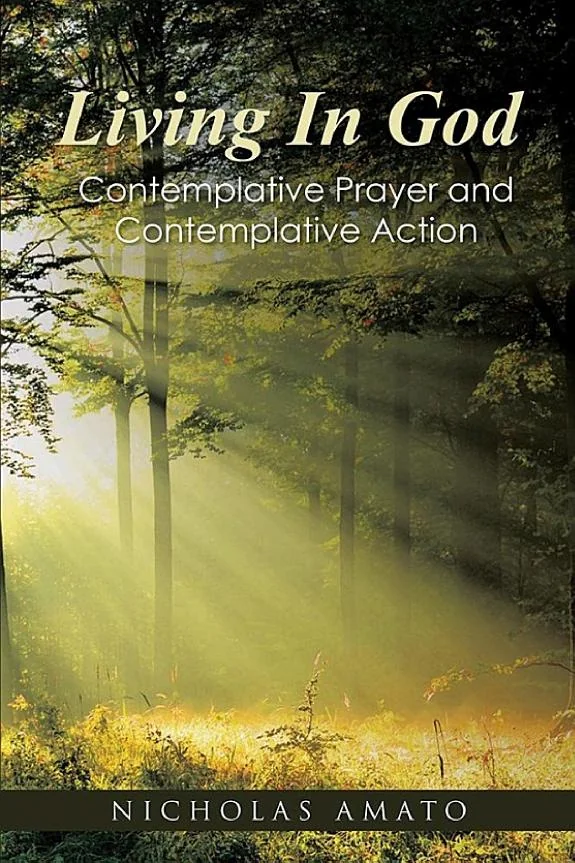
Living in God
 76
76

Living in God
Nicholas Amato's "Living in God" presents a refreshingly direct methodology for cultivating a constant awareness of the divine. The strength of the work lies in its practical, almost empirical, approach to spiritual development, particularly the proposed method for tracking actions to discern divine influence. This analytical lens is applied to something often considered purely subjective. However, the text occasionally leans into a didactic tone that, while clear, might feel less resonant for those accustomed to more poetic or metaphorical explorations of the divine. A passage detailing the process of "dispos[ing] yourself to Gods presence" highlights this directness, offering concrete steps rather than abstract contemplation. Ultimately, "Living in God" provides a valuable, actionable guide for those seeking to anchor their spiritual lives in daily experience.
📝 Description
76
Nicholas Amato's 2016 book, Living in God, details a method for experiencing divine presence.
Living in God presents a practical system for bringing a conscious connection with the divine into everyday actions. Amato moves past abstract ideas to offer concrete techniques for sensing, comprehending, and acting from a place of spiritual awareness. The book is suited for anyone desiring a felt, lived experience of the divine, not just an intellectual grasp. It aids readers in monitoring their spiritual development and recognizing divine direction in their lives, both personal and professional. Amato outlines a process for discerning one's specific vocation through this sustained interaction with the divine.
Published in 2016, Living in God speaks to a modern resurgence of interest in spiritual directness and contemplative practice. It aligns with contemporary trends that highlight embodied spirituality and immediate mystical experience. The book offers a structured approach, distinguishing itself from purely academic or philosophical theological studies. It provides a framework for those seeking to integrate spiritual awareness into their daily lives, emphasizing direct experience over theoretical understanding.
💡 Why Read This Book?
• Learn a specific method for tracking divine movements in your life, as detailed in the book's practical exercises, allowing you to discern personal calling. • Cultivate a practical "disposition" towards divine presence, moving beyond passive belief to active receptivity, as outlined in Amato's experiential techniques. • Understand how to "live out of" divine encounters, integrating spiritual experiences into everyday actions and decisions, a core principle explained through actionable steps.
⭐ Reader Reviews
Honest opinions from readers who have explored this book.
❓ Frequently Asked Questions
What is the primary goal of Nicholas Amato's "Living in God"?
The book aims to equip readers with practices to foster divine presence, describe these experiences, and integrate them into daily life, enabling a conscious walk with the divine.
What kind of tracking method is discussed in "Living in God"?
Amato proposes a method for tracking personal actions over time to observe how divine influence manifests, revealing patterns and potential callings.
Who would benefit most from reading "Living in God"?
Individuals seeking a structured, experiential approach to spirituality, those wanting to deepen their connection with the divine, and practitioners interested in discerning spiritual guidance will find value.
When was "Living in God" first published?
Nicholas Amato's "Living in God" was first published on September 27, 2016.
Does the book require prior theological knowledge?
While helpful, extensive prior theological knowledge is not strictly required. The book focuses on personal practice and direct experience of the divine.
What distinguishes "Living in God" from other spiritual books?
Its emphasis on a systematic, observational approach to divine interaction and the practical application of spiritual insight into daily life differentiates it.
🔮 Key Themes & Symbolism
Experiential Divine Presence
The work focuses on cultivating an active, felt sense of the divine in everyday life. It moves beyond intellectual assent to the development of practices that foster receptivity. Amato details how to "dispose yourself to Gods presence," suggesting that this is an active, learnable skill rather than a passive state. The aim is not just to feel the divine occasionally, but to learn to "live out of it" consistently, transforming daily experience.
Discerning Divine Guidance
A central theme is learning to recognize and interpret divine movements within one's life. The book introduces a tracking method, encouraging readers to observe their actions and experiences over time. This systematic approach allows for the identification of patterns and subtle nudges that indicate a divine calling or path. It empowers individuals to move from uncertainty to clarity in understanding their spiritual trajectory.
Integration of Spirit and Action
"Living in God" bridges the gap between spiritual insight and practical application. It emphasizes that true spiritual growth involves integrating divine awareness into all aspects of life, including daily actions and decisions. The book provides tools to ensure that spiritual experiences are not isolated events but rather the foundation upon which one builds their life, fostering a holistic approach to spiritual practice.
The Nature of Divine Calling
The text explores the concept of divine calling as an ongoing, discernible process. Through the suggested tracking and reflection methods, readers are encouraged to identify where God may be leading them. This theme suggests that calling is not a singular, static revelation but a dynamic unfolding that can be understood and responded to through consistent spiritual engagement and self-observation.
💬 Memorable Quotes
Direct passages from the work, attributed to the author.
“learn practices to dispose yourself to Gods presence”
— This phrase highlights the book's focus on cultivating an active receptivity to the divine. It suggests that experiencing God's presence is not merely a matter of chance but can be facilitated through intentional practices and a prepared inner state.
“live out of it”
— This concept signifies a profound integration of spiritual experience into one's being and actions. It implies moving beyond merely having an experience of the divine to embodying that presence in all aspects of daily life.
“method for tracking your actions”
— This refers to a systematic approach suggested by Amato for observing one's behavior and choices over time. The purpose is to identify patterns and discern the influence of divine guidance within these actions.
“learn God is moving in your life”
— This points to the goal of developing spiritual discernment. By observing one's life through the lens of the book's practices, the reader aims to recognize the subtle and overt ways the divine is actively present and guiding.
“where God may be calling you”
— This highlights the forward-looking aspect of the spiritual journey as presented in the book. The tracking and reflection methods are intended to provide clarity on one's vocational or life path as guided by divine will.
🌙 Esoteric Significance
Tradition
While not explicitly aligned with a single esoteric lineage like Hermeticism or Gnosticism, "Living in God" draws upon the perennial wisdom tradition's emphasis on direct divine experience. It shares common ground with contemplative Christian mysticism and certain streams of Sufism in its focus on cultivating presence and discerning divine will. The work departs from purely philosophical approaches by prioritizing experiential knowledge and practical application over abstract theological reasoning.
Symbolism
The book does not heavily rely on traditional esoteric symbols but rather on the symbolic language of lived experience. 'Divine presence' itself acts as a central symbol for the ultimate reality or source, while 'actions' and 'calling' become symbolic representations of the individual's life trajectory and response to the divine. The act of 'tracking' can be seen as a symbolic engagement with the divine unfolding in time.
Modern Relevance
Amato's work finds relevance today in the context of increasing secularization coupled with a persistent human search for meaning. It speaks to individuals seeking a personal, non-dogmatic spirituality that can be integrated into secular professions and daily routines. Contemporary interest in applied psychology, personal development, and mindfulness practices overlaps with Amato's emphasis on actionable techniques for spiritual growth and self-awareness.
👥 Who Should Read This Book
• Individuals seeking a practical, step-by-step guide to deepening their connection with the divine, moving beyond theoretical concepts. • Spiritual practitioners interested in developing discernment skills to identify and respond to divine guidance in their lives. • Those who appreciate a structured, almost analytical approach to spirituality and wish to track their personal growth and divine encounters systematically.
📜 Historical Context
Nicholas Amato's "Living in God" emerged in 2016, a period marked by a burgeoning interest in practical spirituality and direct mystical experience, moving beyond the more academic or institutionalized forms of religious study. This era saw numerous authors and movements focusing on embodied spirituality, mindfulness, and the integration of consciousness practices into daily life. Amato's work offered a structured, almost programmatic, approach to divine connection, distinguishing itself from the more free-form contemplative practices or the theological debates prevalent in earlier decades. While thinkers like Ken Wilber were exploring integral spirituality, and various New Age movements offered paths to transcendence, Amato’s particular focus on a systematic method for tracking divine movement provided a unique, actionable framework for personal spiritual development, resonating with those seeking tangible results from their devotional efforts.
📔 Journal Prompts
Reflection on the 'disposition' cultivated towards divine presence.
Analysis of tracked actions for discernible divine movement.
Exploration of a specific instance of feeling 'called' as described in the text.
Journaling the process of "living out of" a recent divine encounter.
Mapping personal actions against discerned divine guidance over the past month.
🗂️ Glossary
Dispose yourself to Gods presence
To actively cultivate an inner state and engage in practices that make one receptive and open to experiencing the divine.
Live out of it
To embody and consistently act from a place of divine presence and connection, integrating spiritual experience into all aspects of life.
Tracking your actions
A method of observing and recording one's behavior and choices over time to identify patterns and discern divine influence.
God is moving in your life
The recognition and understanding of divine activity, guidance, and presence manifesting within the individual's experiences and circumstances.
God may be calling you
The process of discerning a specific direction, purpose, or task that divine will is directing toward the individual.
Divine presence
The felt awareness or conscious experience of the immanent or transcendent divine within oneself or one's environment.
Spiritual progress
The development and advancement of one's relationship with the divine and understanding of spiritual principles over time.
This book appears in 1 collection
🔮 Readers Also Liked
Browse all →







From the “Contemplative Prayer” Collection
View all →






More Free Mysticism & Contemplation Books
View all →