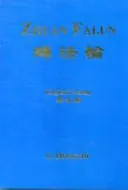
Liu Zi Jue
 76
76

Liu Zi Jue
The 2008 edition of Liu Zi Jue presents a meticulously reconstructed system of Taoist self-cultivation. Its strength lies in the detailed explanations of the Six Healing Sounds, which move beyond simple vocalizations to become intricate energetic exercises. The connection between sound, organ health, and Qi circulation is articulated with a clarity often absent in more generalized Qigong manuals. However, the work suffers from a lack of comparative analysis with other extant Qigong lineages; it stands somewhat in isolation, making it difficult for a reader unfamiliar with specific Taoist schools to fully contextualize its unique approach.
One particularly striking passage details the sound 'Xu' (for the kidneys), linking its emission to a downward spiraling of energy and a feeling of profound stillness. This level of precise instruction is commendable. Despite its scholarly presentation, the absence of a glossary for all but the most common terms can be a minor hurdle for newcomers.
Read more ↓
The Liu Zi Jue is a valuable, if sometimes austere, guide for dedicated students of internal alchemy.
📝 Description
76
The Liu Zi Jue is a Taoist text detailing a system of physical and energetic cultivation.
This work presents a specific system of Taoist contemplative practice focused on physical and energetic cultivation. Unlike more common Qigong forms, the Liu Zi Jue emphasizes internal movements and breathwork. These techniques aim to harmonize the body's vital energies, known as Qi, and cultivate mental clarity. The text connects these practices to classical Chinese philosophy, drawing parallels between the human body and the broader cosmic order. Its principles are intended for dedicated students of Taoist internal arts, those who practice Qigong and wish to go beyond basic exercises, and individuals interested in the historical development of Chinese esoteric traditions. Engaging with the concepts of energy flow and internal alchemy requires commitment. This is not an introductory guide but a resource for practitioners ready to deepen their study.
The Liu Zi Jue belongs to the tradition of Taoist internal alchemy and energetic cultivation. Its practices are rooted in the belief that specific movements, vocalizations, and breath control can directly influence the body's vital energy (Qi). This approach seeks to achieve physical health, mental stillness, and alignment with natural principles. The text's focus on harmonizing individual energies with the cosmic order is a hallmark of esoteric Taoist thought, distinguishing it from more philosophical or outward-focused interpretations of Taoism.
💡 Why Read This Book?
• You will learn the specific vocalizations and energetic alignments of the Six Healing Sounds, a core practice for organ health and Qi harmonization directly from the reconstructed text. • You will understand the Taoist concept of the Triple Burner's energetic role, a less commonly detailed aspect of internal alchemy, as presented in the text's later sections. • You will gain insight into the 2008 scholarly reconstruction of this ancient practice, providing a specific historical anchor and understanding of how such traditions are preserved and presented today.
⭐ Reader Reviews
Honest opinions from readers who have explored this book.
❓ Frequently Asked Questions
What is the main purpose of the Liu Zi Jue practice?
The primary purpose of the Liu Zi Jue is to cultivate and harmonize the body's vital energy (Qi) through the use of six specific healing sounds, postures, and breathwork, aimed at promoting organ health and mental clarity.
When was the earliest known comprehensive version of Liu Zi Jue published?
The earliest known comprehensive version of the Liu Zi Jue, reconstructed and presented based on historical sources, was published in 2008.
How do the Six Healing Sounds relate to the body's organs?
Each of the six sounds is directly associated with a specific internal organ—liver, heart, spleen, lungs, kidneys, and the triple burner—and is designed to cleanse energetic blockages and support that organ's function.
Is Liu Zi Jue considered a form of Qigong?
Yes, Liu Zi Jue is a specific and ancient form of Taoist Qigong focused on internal energetic cultivation through sound and movement.
What is the 'Triple Burner' in the context of Liu Zi Jue?
The Triple Burner (San Jiao) is considered a vital energetic pathway in Taoist physiology, often conceptualized as three distinct energetic areas or functions within the torso, which the sixth healing sound aims to harmonize.
Does the text provide guidance for beginners?
The text is detailed and assumes some familiarity with Taoist concepts, but its structured approach to the Six Healing Sounds can be followed by dedicated beginners with patience and careful study.
🔮 Key Themes & Symbolism
The Six Healing Sounds
Central to the Liu Zi Jue are the six distinct vocalizations, each paired with specific movements and energetic intentions. These sounds are not mere utterances but sonic tools designed to resonate with and purify the energetic field of individual organs. For instance, the sound 'Xuan' is linked to the liver, while 'He' pertains to the heart. The practice aims to expel specific negative emotions or imbalances associated with each organ, thereby promoting physiological and psychological well-being.
Qi Harmonization and Organ Health
The text posits a direct correlation between the smooth flow of Qi and the optimal functioning of the internal organs. Blockages or imbalances in Qi are seen as precursors to illness. The Liu Zi Jue system provides a method to actively address these energetic disturbances. By practicing the sounds and associated movements, cultivators aim to restore the natural energetic patterns of the organs, fostering resilience and vitality.
The Triple Burner's Role
A unique aspect of the Liu Zi Jue is its detailed focus on the Triple Burner (San Jiao), a concept in Traditional Chinese Medicine representing three distinct energetic regions or functions. The sixth healing sound is specifically employed to regulate this complex system, which is often associated with the overall metabolism and distribution of Qi and fluids throughout the body. Its proper functioning is crucial for systemic balance.
Mind-Body Integration
Beyond physical postures and vocalizations, the Liu Zi Jue emphasizes the crucial role of mental focus and intention (Yi) in directing and amplifying the energetic effects of the practice. The cultivator is guided to visualize the Qi moving and transforming in conjunction with the sounds and movements. This integration of mind, breath, and body is considered essential for achieving profound energetic shifts and cultivating inner stillness.
💬 Memorable Quotes
Direct passages from the work, attributed to the author.
“The sound of the liver is Xuan, it clears the heat and pacifies the spirit.”
— This highlights the direct energetic and emotional impact of the first healing sound. It suggests that auditory practices can influence not just physical organs but also mental states, linking physiological health to emotional balance.
“To clear the spleen's dampness, exhale the sound 'Hong'.”
— This concept focuses on the spleen's energetic function related to dampness and digestion. The sound 'Hong' is presented as a method to expel this excess, improving metabolic function and reducing physical heaviness.
“The lungs resonate with 'Si', expelling the wind and cooling the lungs.”
— This illustrates the targeted action of the fourth sound, 'Si', aimed at respiratory health. It's understood as a means to clear external pathogenic influences (wind) and internal heat from the lung system.
💡 Key Ideas
Editorial paraphrase of the work's core concepts — not direct quotes.
The sound of the heart is He, it calms the Shen and removes the fire.
This paraphrase emphasizes the therapeutic application of the second sound, 'He'. It illustrates how specific vocalizations are believed to regulate excess 'heart fire' and bring tranquility to the mind (Shen), a core principle in Taoist energetics.
The kidneys' sound is 'Chui', it stores essence and strengthens the bones.
This paraphrase points to the foundational role of the kidney energy (Jing) and the fifth sound, 'Chui', in strengthening the body's core structure and vital essence, vital for longevity and vitality.
🌙 Esoteric Significance
Tradition
The Liu Zi Jue belongs to the Taoist internal alchemy (Neidan) tradition, specifically within the somatic and energetic cultivation branches. It aligns with the broader Taoist emphasis on harmonizing the body with the natural rhythms of the universe (the Tao). While many Neidan practices focus on internal visualization and elixir refinement, the Liu Zi Jue prioritizes the direct manipulation of Qi through sound and movement, making it a more outwardly expressed yet internally focused practice.
Symbolism
The six sounds themselves are symbolic, representing the energetic essence and primary vibrational frequencies of the major internal organs. The association of each sound with a specific organ (e.g., the sound 'Xu' for kidneys) symbolizes the Taoist belief in the interconnectedness of sound, energy, and physiological function. The directional movements often paired with the sounds (e.g., downward for kidneys) further symbolize the flow and transformation of Qi within the body's energetic map.
Modern Relevance
Contemporary practitioners of Taoist arts, Qigong instructors, and those interested in somatic healing modalities draw upon the Liu Zi Jue. Its detailed approach to organ health through sound appeals to modern holistic health movements and bioenergetic therapies. Thinkers and practitioners exploring the intersection of sound healing, traditional Chinese medicine, and mind-body disciplines find its principles directly applicable to contemporary wellness practices.
👥 Who Should Read This Book
• Dedicated students of Taoist internal arts seeking to deepen their practice beyond general Qigong, by engaging with a specific system of energetic cultivation. • Practitioners of Traditional Chinese Medicine interested in the energetic and sonic aspects of organ health, offering a practical method for self-cultivation. • Scholars and enthusiasts of esoteric traditions looking for detailed reconstructions of ancient Chinese contemplative practices, focusing on the tangible application of sound and breath.
📜 Historical Context
The modern presentation of the Liu Zi Jue, particularly the 2008 edition, emerged during a global surge of interest in traditional Chinese medicine and contemplative practices. This period saw a diversification of Qigong forms becoming accessible outside China, contrasting with earlier decades where such arts were often viewed with skepticism or classified as mere folk traditions by Western academia. While ancient Taoist texts allude to similar sound-based practices, the Liu Zi Jue gained prominence through scholarly reconstruction efforts that sought to preserve and disseminate these specific energetic techniques. This work appeared in a landscape where established figures like Dr. Yang Jwing-Ming were also popularizing various Qigong systems, though the Liu Zi Jue's specific focus on the Six Sounds and the Triple Burner offered a distinct lineage. Its scholarly approach, however, set it apart from more generalized Qigong introductions that dominated the market.
📔 Journal Prompts
The Liver's sound 'Xuan': Reflect on its association with clearing heat and pacifying the spirit.
The energetic function of the Triple Burner: Consider its systemic importance as detailed in the text.
Qi flow and organ health: How does the practice of the Six Healing Sounds aim to restore balance?
The role of intention (Yi) in energetic practices: Connect this to the Liu Zi Jue's methodology.
Personal resonance with the Six Healing Sounds: Which sound and organ pairing feels most significant to you now?
🗂️ Glossary
Qi (Chi)
Vital life force or energy that flows through all living things, central to Taoist philosophy and practices like Qigong. Harmonizing Qi is key to health and longevity.
San Jiao
The Triple Burner, a concept in Traditional Chinese Medicine representing three distinct energetic areas or functions within the torso, involved in metabolism and the distribution of Qi and fluids.
Neidan
Taoist internal alchemy, a system of practices aimed at transforming the body's energies to achieve spiritual enlightenment, longevity, or immortality through meditation, breathwork, and specific movements.
Yi
Intention or mind's eye; the mental focus and visualization used in many Chinese energetic practices to guide the flow of Qi and direct the effects of exercises.
Shen
Spirit or consciousness; often associated with the Heart in Traditional Chinese Medicine, encompassing mental clarity, emotional balance, and overall vitality.
Jing
Essence; often referred to as the body's fundamental life-force or generative energy, particularly associated with the Kidneys in Taoist physiology.
Liu Zi Jue
Literally 'Six Sound Practices,' referring to the specific Taoist Qigong method involving six distinct healing sounds, postures, and breathwork exercises for organ health.