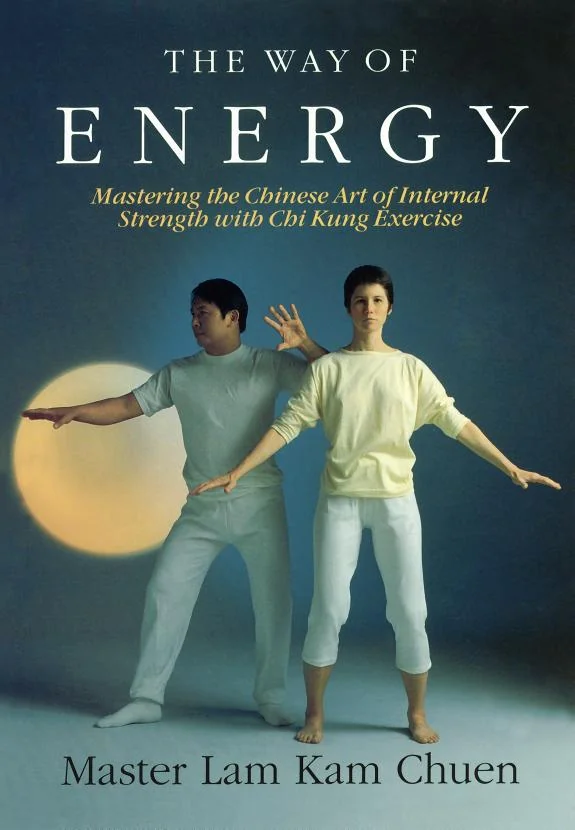
The Way of Energy
 83
83

The Way of Energy
Kam Chuen Lam's The Way of Energy offers a meticulously detailed approach to Chi Kung, distinguishing itself through its practical, step-by-step methodology. The book excels in its clarity, breaking down complex energetic principles into actionable exercises that even a novice can begin to implement. Lam's background as a recognized Tai Chi master lends significant authority, and the integration of 90 two-color illustrations provides essential visual guidance for the postures and movements described.
While the emphasis on physical health benefits is strong, the work could benefit from a more explicit exploration of the philosophical underpinnings of Chi Kung beyond its medical applications. The original blurb mentions preventing and treating ailments, which is a significant draw, but the deeper spiritual or meditative dimensions that often accompany such practices are less foregrounded. However, the sheer volume of practical instruction makes it an invaluable resource for anyone committed to the physical cultivation of energy.
Read more ↓
Ultimately, The Way of Energy is a highly instructive manual for those prioritizing the tangible, physical benefits derived from mastering Chi Kung.
📝 Description
83
Kam Chuen Lam's 1991 book, The Way of Energy, details the practice of Chi Kung.
The Way of Energy, first published in 1991, serves as a thorough manual for Chi Kung practice as taught by master Kam Chuen Lam. The book details specific postures, breathing methods, and meditative states for harmonizing the body's energy flow. It explains how this internal work influences physiological functions, such as strengthening the immune response and enhancing cognitive abilities, all within the framework of traditional Chinese energetic principles.
This text functions as a detailed manual, offering step-by-step instructions for engaging with this ancient Chinese discipline. It positions Chi Kung as a physical manifestation of Chinese medicine, emphasizing its direct impact on bodily systems and overall well-being. The clear instructions are suitable for both novices and those with some experience seeking to improve their physical and mental condition through consistent, focused practice.
Emerging in the early 1990s, The Way of Energy contributed to a growing global interest in traditional Eastern practices for health and self-cultivation. At a time when Western medicine was the dominant paradigm, books like this offered accessible pathways into concepts like Qi (or Chi) and its role in vitality, providing a counterpoint to purely biomedical approaches. It arrived during a period where Qigong, as it became more widely known, was gaining traction outside of China.
💡 Why Read This Book?
• Learn specific Chi Kung exercises directly from Kam Chuen Lam's foundational 1991 text, enabling you to cultivate vital energy through precise movements and breathing techniques. • Understand how practicing Chi Kung, as detailed in "The Way of Energy," can tangibly improve physical health by strengthening the immune system and potentially mitigating various ailments. • Gain practical skills for enhanced concentration and memory, a direct benefit highlighted in the book stemming from the disciplined mental focus required by these energy cultivation practices.
⭐ Reader Reviews
Honest opinions from readers who have explored this book.
❓ Frequently Asked Questions
What is Chi Kung and how does Kam Chuen Lam explain it in 'The Way of Energy'?
Chi Kung, as presented by Kam Chuen Lam in "The Way of Energy" (1991), is described as Chinese medicine in a physical form. It involves cultivating and directing vital energy (Chi) through specific movements, breathing exercises, and meditation.
Can 'The Way of Energy' help with health issues?
Yes, Kam Chuen Lam's book suggests that practicing Chi Kung can help prevent and treat a wide range of ailments, strengthen the immune system, and regenerate the nervous system, according to its original blurb.
What kind of visual aids does Kam Chuen Lam provide in 'The Way of Energy'?
The book features 10 full-color photographs and 90 two-color illustrations, offering visual guidance for the step-by-step instructions on Chi Kung practices.
Is 'The Way of Energy' suitable for beginners in Tai Chi or Chi Kung?
Yes, the book provides step-by-step instructions that are generally accessible to beginners, while also offering depth for those with prior experience in martial arts or energy cultivation.
When was 'The Way of Energy' first published?
Kam Chuen Lam's "The Way of Energy" was first published on November 15, 1991, contributing to the surge of interest in Eastern wellness practices during that era.
What are the benefits of practicing Chi Kung as taught in Kam Chuen Lam's book?
Practitioners can expect benefits such as improved concentration, enhanced memory, a stronger immune system, and potential improvements in a range of physical ailments, as detailed in the book.
🔮 Key Themes & Symbolism
Cultivating Vital Energy (Chi)
The central theme of 'The Way of Energy' is the systematic cultivation and directed flow of 'Chi', or vital life force. Kam Chuen Lam elucidates how this internal energy permeates the body and influences health. The book provides practical methods—postures, breath control, and mental focus—to harmonize and strengthen this energetic current, drawing from ancient Chinese traditions. It emphasizes that by consciously working with Chi, individuals can achieve a state of balance, leading to improved physical vitality and resilience against illness.
Chi Kung as Physical Medicine
This work posits Chi Kung not merely as a set of exercises but as a form of physical medicine originating from Chinese tradition. Kam Chuen Lam illustrates how the precise movements and coordinated breathing techniques directly impact physiological processes. The book details how specific routines can address imbalances, prevent disease, and promote healing by optimizing the body's natural energetic and functional capacities. It offers a tangible, practice-based approach to wellness that complements or offers an alternative to conventional medical interventions.
Mind-Body Harmony
A significant aspect of 'The Way of Energy' is the integration of mental discipline with physical practice. Kam Chuen Lam stresses that the effectiveness of Chi Kung relies heavily on the practitioner's concentration and intention. By engaging the mind in the cultivation of Chi, individuals can achieve a profound sense of internal harmony. This mental focus is presented as crucial for enhancing cognitive functions like memory and concentration, demonstrating the interconnectedness of mental clarity and physical well-being within the Chi Kung framework.
Systematic Practice and Instruction
The book's strength lies in its methodical, step-by-step approach to teaching Chi Kung. Kam Chuen Lam provides clear, detailed instructions supported by visual aids, ensuring practitioners can accurately follow the techniques. This structured pedagogy allows readers to build proficiency progressively, moving from foundational exercises to more complex applications. The emphasis on precise execution underscores the importance of diligent practice in unlocking the full potential of Chi Kung for health and self-development.
💬 Memorable Quotes
Direct passages from the work, attributed to the author.
“Practicing Chi Kung can prevent and treat a wide range of ailments, strengthen the immune system, improve concentration and memory, regenerate the nervous system and more.”
— This statement captures the book's core promise: that consistent engagement with Chi Kung yields tangible, complex health benefits, extending from disease prevention and immune support to cognitive enhancement and nervous system regeneration.
“Chi Kung--Chinese medicine in a physical form.”
— This concise phrase defines the essence of Chi Kung as presented by Kam Chuen Lam, highlighting its direct, embodied application of traditional Chinese medical principles for maintaining health and restoring balance.
“step-by-step instructions on the ancient art of Chi Kung”
— This phrase emphasizes the practical, pedagogical nature of the book, assuring readers that they will receive clear, sequential guidance on how to perform Chi Kung exercises.
“A recognized master of Tai Chi gives step-by-step instructions”
— This highlights the author's credibility and the book's authority, assuring readers that the instruction comes from an experienced practitioner with deep knowledge of related internal arts.
“Readers discover how practicing Chi Kung can...”
— This phrasing suggests an active learning process for the reader, implying that the book will reveal and impart knowledge about the efficacy and application of Chi Kung practices.
🌙 Esoteric Significance
Tradition
The Way of Energy primarily draws from the Daoist tradition of internal alchemy and energy cultivation, central to Chinese esoteric practices. It aligns with the Daoist pursuit of longevity and health through harmonizing the body's vital forces (Qi). While not explicitly framed within Western esoteric lineages like Hermeticism or Kabbalah, its principles of energy circulation, breath control, and mind-body integration echo universal concepts found across various mystical paths seeking to understand and manipulate subtle energies for spiritual and physical development.
Symbolism
Key symbols in Chi Kung, as elaborated in texts like this, often revolve around the concept of the 'Dantian' – energetic centers within the body, particularly the lower abdomen, where Qi is stored and cultivated. The flow of Qi itself can be seen as a symbolic representation of life's vital current, moving through energetic pathways (meridians). Illustrations of specific postures, like the 'Standing Pole' (Zhan Zhuang), symbolize grounding, stability, and the connection between heaven and earth, embodying the practitioner's relationship with cosmic forces.
Modern Relevance
Contemporary somatic practices, mindfulness-based therapies, and even some forms of physical rehabilitation increasingly incorporate principles resonant with Chi Kung. Thinkers and practitioners in fields like somatic psychology, integrative medicine, and embodied cognition often reference the importance of interoception and the mind-body connection that Chi Kung directly addresses. Modern Qigong practitioners and instructors, many of whom learned from foundational texts like Lam's, continue to adapt and teach these practices globally for stress reduction, physical health, and enhanced well-being.
👥 Who Should Read This Book
• Individuals interested in the physical and health benefits of traditional Chinese practices, seeking practical, step-by-step guidance on cultivating vital energy. • Tai Chi practitioners looking to deepen their understanding of internal energy cultivation and its connection to movement and health, beyond just the forms. • Those exploring alternative or complementary health modalities who wish to learn a discipline that aims to strengthen the immune system and improve concentration through consistent practice.
📜 Historical Context
When Kam Chuen Lam's "The Way of Energy" was first published in 1991, it entered a cultural landscape increasingly receptive to Eastern wellness practices. The late 20th century saw a growing global interest in disciplines like yoga, meditation, and martial arts, often viewed as antidotes to the perceived stresses of modern Western life. This period was marked by a burgeoning field of complementary and alternative medicine, where practices like Chi Kung (or Qigong) found a significant audience seeking natural methods for health improvement. Lam's work arrived amidst this trend, offering a structured, accessible entry point into a practice deeply rooted in traditional Chinese culture. It provided a physical, practice-oriented counterpoint to more philosophical or purely theoretical explorations of energy work that were also circulating. While figures like Bruce Lee had already popularized Chinese martial arts in the West, "The Way of Energy" focused specifically on the health and energetic cultivation aspects of Chi Kung, distinct from its combat applications.
📔 Journal Prompts
The cultivation of Chi as described in 'The Way of Energy'.
The integration of physical movement and focused intention in Chi Kung practice.
The concept of Chi Kung as a form of physical medicine.
Specific breathing techniques for energy circulation.
Strengthening the immune system through energetic practices.
🗂️ Glossary
Chi (Qi)
The fundamental concept of vital life force or energy that permeates all things. In Chi Kung, it is cultivated and directed through specific practices for health and vitality.
Chi Kung (Qigong)
An ancient Chinese system of coordinated body posture and movement, breathing, and meditation used for health, spirituality, and martial arts training. Literally 'energy work'.
Dantian
Literally 'elixir field'. Key energetic centers within the body, most commonly referring to the lower abdomen, where Qi is believed to be stored, generated, and concentrated.
Meridians
In Traditional Chinese Medicine, these are pathways through which vital energy (Qi) is believed to flow throughout the body, connecting acupuncture points.
Zhan Zhuang
A fundamental Chi Kung standing meditation practice, often translated as 'standing like a tree'. It focuses on developing internal strength, grounding, and cultivating Qi.
Immune System
The body's biological defense system against infection and disease. The book suggests Chi Kung can strengthen this system through energetic regulation.
Nervous System
The network of nerves and cells that transmit nerve impulses between parts of the body. The book proposes Chi Kung can aid in its regeneration.
This book appears in 1 collection
🔮 Readers Also Liked
Browse all →
![Bidayah al-Hikmah (Arab-English) [The Elements of Islamic Metaphysics]](/img/thumb/bidayah-al-hikmah-arab-english-the-elements-of-islamic-metaphysics-allama-muhammad-husayn-tabatabai.webp)







From the “Qi Gong” Collection
View all →



More Free Occult Philosophy Books
View all →