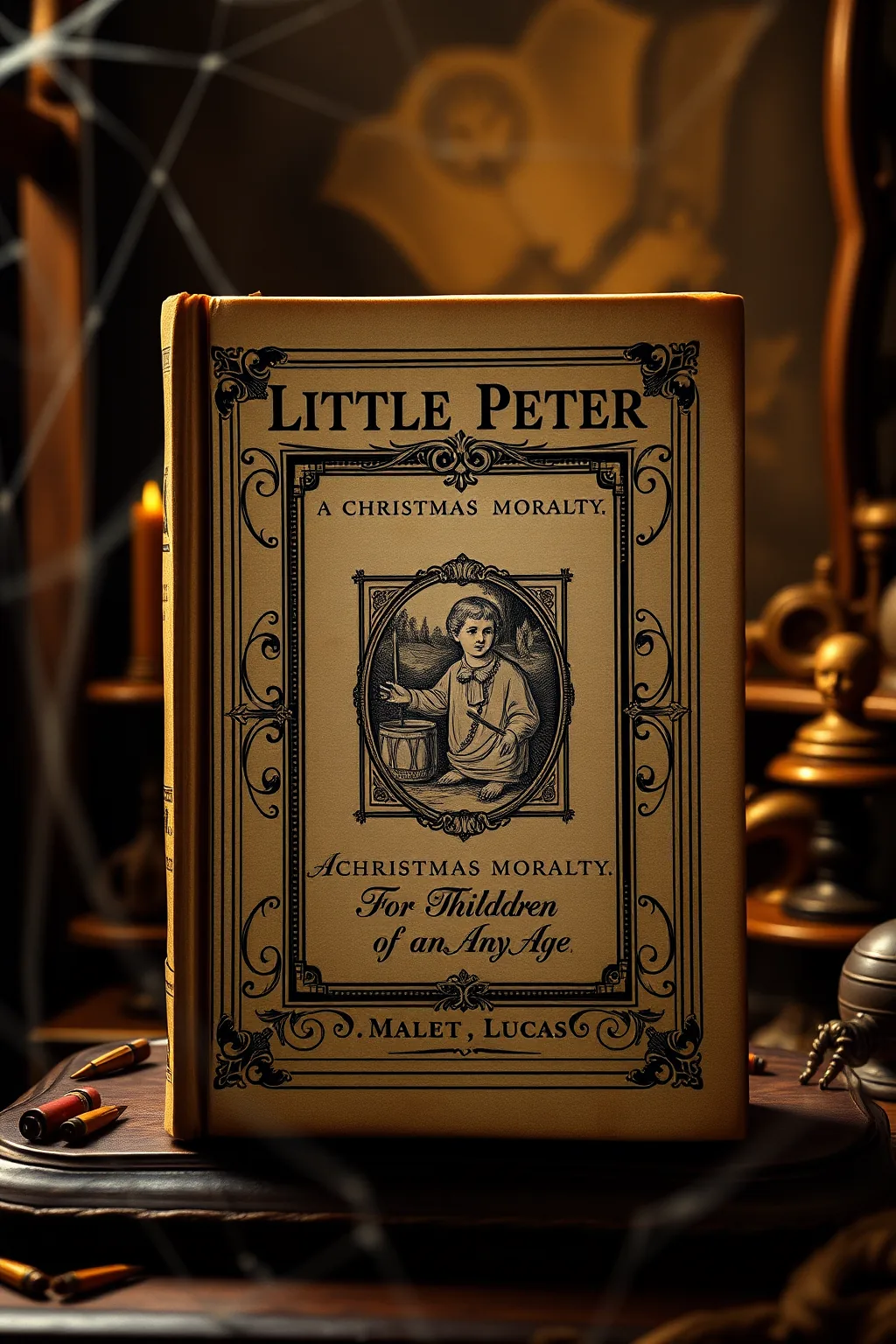
Little Peter: A Christmas Morality for Children of any Age
 69
69

Little Peter: A Christmas Morality for Children of any Age



'Little Peter: A Christmas Morality for Children of any Age' by Lucas Malet is a hidden gem in the realm of esoteric literature. Published in 1852, this book seamlessly blends the innocence of children's fiction with profound occult themes, making it a captivating read for modern seekers. The narrative follows the journey of young Peter, who navigates the complexities of life, death, and morality through the lens of Christian teachings. The inclusion of mystical elements, such as the enigmatic presence of cats, adds a layer of depth that resonates with those interested in the occult. Malet's writing is both accessible and thought-provoking, making it an excellent resource for anyone exploring the intersection of spirituality and literature. For contemporary esoteric seekers, 'Little Peter' offers valuable insights into the timeless quest for understanding and enlightenment. The book's enduring appeal lies in its ability to transcend time and speak to the universal human experience.
📝 Description
69
Published in 1900, Lucas Malet's 'Little Peter' uses a Christmas story to examine the soul's path.
Lucas Malet's 1900 novel, 'Little Peter: A Christmas Morality for Children of Any Age,' presents a spiritual allegory through the story of a young boy. The narrative unfolds during a traditional Christmas, where Little Peter faces various trials and experiences revelations. Malet imbues the story with a distinct atmosphere, aiming to make readers consider fundamental questions about existence and morality. The book is written to be accessible to both younger and adult readers, aiming to share philosophical ideas about living a good life and the principles of Christian ethics. It encourages individuals searching for deeper meaning to engage with the symbolic and ritualistic elements within their own spiritual understanding.
The tale balances a charming, almost whimsical tone with its esoteric underpinnings. This combination makes it a notable work for anyone interested in mystical or occult thought. Malet's approach suggests that spiritual truths can be conveyed through accessible narratives, blending the familiar setting of a Christmas story with deeper symbolic meanings. The book's structure invites reflection on the nature of the soul's development and its place within a larger, unseen order.
Published at the turn of the 20th century, a period of renewed interest in spiritualism and occultism, 'Little Peter' situates itself within the broader esoteric tradition. Malet, known for her engagement with spiritual themes, uses the children's story format to convey concepts related to spiritual development and the unseen world. The book touches upon ideas of inner transformation and moral conduct as part of a soul's progression, aligning with currents of thought that sought to integrate spiritual understanding into everyday life. It reflects a desire to communicate complex spiritual ideas in an accessible manner, using Christian imagery as a framework for exploring universal truths.
✍️ Author
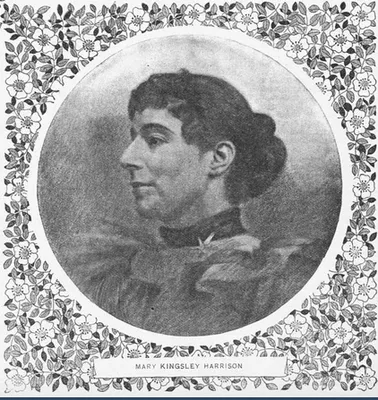
Malet, Lucas
Lucas Malet was the pseudonym of Mary St Leger Kingsley (4 June 1852 — 27 October 1931), a Victorian novelist. Of her novels, The Wages of Sin (1891) and The History of Sir Richard Calmady (1901) were especially popular.
💡 Why Read This Book?
Reading 'Little Peter: A Christmas Morality for Children of any Age' today offers a unique blend of historical context and esoteric insights. The book provides a rich exploration of life's mysteries through the eyes of a child, making it a compelling read for both scholars and casual readers. It offers a deeper understanding of occult themes within a Christian framework, enriching one's spiritual journey. Whether you are a fan of classic literature or seeking to delve into the world of the occult, this book is a treasure trove of wisdom and enchantment.
⭐ Reader Reviews
Honest opinions from readers who have explored this book.
❓ Frequently Asked Questions
What makes 'Little Peter' an esoteric read?
'Little Peter' incorporates mystical elements and occult themes within a Christian morality tale, making it a rich read for those interested in esoteric studies.
Is this book suitable for children?
While the title suggests a children's story, the book's esoteric and moral themes make it more suitable for older readers or those interested in spiritual exploration.
How does the book explore the relationship between brothers?
The narrative delves into the complexities of sibling dynamics, using the relationship between brothers as a backdrop for exploring life's moral lessons and spiritual growth.
🔮 Key Themes & Symbolism
Life and Death
The book looks at the profound themes of life and death, exploring the soul's journey through the experiences of Little Peter. This exploration is rich with esoteric symbolism and hidden knowledge, making it a valuable resource for those interested in the mystical and occult traditions.
Christian Morality
The narrative is imbued with Christian morality, offering a unique perspective on the conduct of life. Through the story of Little Peter, readers are invited to ponder the deeper mysteries of existence and the nature of the soul.
Hidden Knowledge
Lucas Malet masterfully combines hidden knowledge and esoteric insights into the narrative, creating a rich source of spiritual wisdom. The book's blend of traditional Christmas themes and mystical symbolism makes it a timeless guide for seekers of hidden truths.
💡 Key Ideas
Editorial paraphrase of the work's core concepts — not direct quotes.
The soul's journey is a path of light and shadow, of life and death.
This quote highlights the esoteric theme of the soul's journey, exploring the duality of existence.
In the heart of Christmas lies the mystery of the soul.
This passage underscores the book's blend of traditional Christmas themes and mystical insights.
The conduct of life is a moral compass, guiding us through the mysteries of existence.
This quote emphasizes the narrative's exploration of Christian morality and the nature of the soul.
Hidden knowledge is the key to unlocking the mysteries of the soul.
This line underscores the book's value as a source of esoteric wisdom and spiritual insight.
The journey of Little Peter is a timeless guide for seekers of hidden truths.
This passage highlights the book's appeal to both children and adults, offering profound philosophical insights.
🌙 Esoteric Significance
Tradition
Belonging to the Hermetic and Christian mystical traditions, 'Little Peter' offers a combination of esoteric insights and traditional Christmas themes. The narrative's exploration of life, death, and the soul's journey makes it a valuable resource for those interested in the occult and metaphysical realms.
Symbolism
Key symbols in the book include the journey of the soul, the duality of life and death, and the conduct of life as a moral compass. These symbols are rich with hidden knowledge and mystical insights, inviting readers to delve deeper into the mysteries of existence.
Modern Relevance
Today, , 'Little Peter' remains relevant for modern practitioners of esoteric traditions. Its exploration of hidden knowledge and spiritual wisdom makes it a timeless guide for seekers of truth. Practitioners continue to draw from its detailed symbolism and philosophical insights, using them to enrich their spiritual journeys.
👥 Who Should Read This Book
Beginners in the esoteric and occult realms will find 'Little Peter' an accessible and enriching introduction to hidden knowledge and mystical symbolism. Scholars of esoteric traditions will appreciate its blend of traditional Christmas themes and profound philosophical insights. Spiritual seekers will find it a valuable guide for their journeys, while practitioners will draw from its detailed symbolism and spiritual wisdom.
📜 Historical Context
Published in an era when spiritual and esoteric literature was gaining traction, 'Little Peter' stands as a timeless exploration of life, death, and the soul's journey. The Victorian era, with its fascination for moral tales and hidden knowledge, provided the perfect backdrop for Malet's narrative. The book's influence can be seen in later works that blend traditional themes with esoteric symbolism, making it a seminal text in the area of mystical literature.
📔 Journal Prompts
How does the story of Little Peter explore the themes of life and death?
In what ways does the narrative blend traditional Christmas themes with esoteric symbolism?
What hidden knowledge and mystical insights can be found in the story?
How does the conduct of life serve as a moral compass in the narrative?
What is the significance of the soul's journey in 'Little Peter'?
🗂️ Glossary
Esoteric Symbolism
Symbols and imagery that convey hidden knowledge and mystical insights, often used in occult and metaphysical literature.
Moral Compass
A guiding principle or set of values that helps individuals work through the mysteries of existence and make ethical decisions.
Soul's Journey
The spiritual and mystical path that the soul travels through life, death, and beyond, often explored in esoteric traditions.
Hidden Knowledge
Information and insights that are not readily apparent and require deeper exploration and understanding.
Victorian Era
The period from approximately 1837 to 1901, characterized by a fascination for moral tales and hidden knowledge.
This book appears in 6 collections
🔮 Readers Also Liked
Browse all →
From the “Transcendental Meditation” Collection
View all →




More Free Magic & Ritual Books
View all →