Amulets, talismans, and fetishes
 84
84

Amulets, talismans, and fetishes
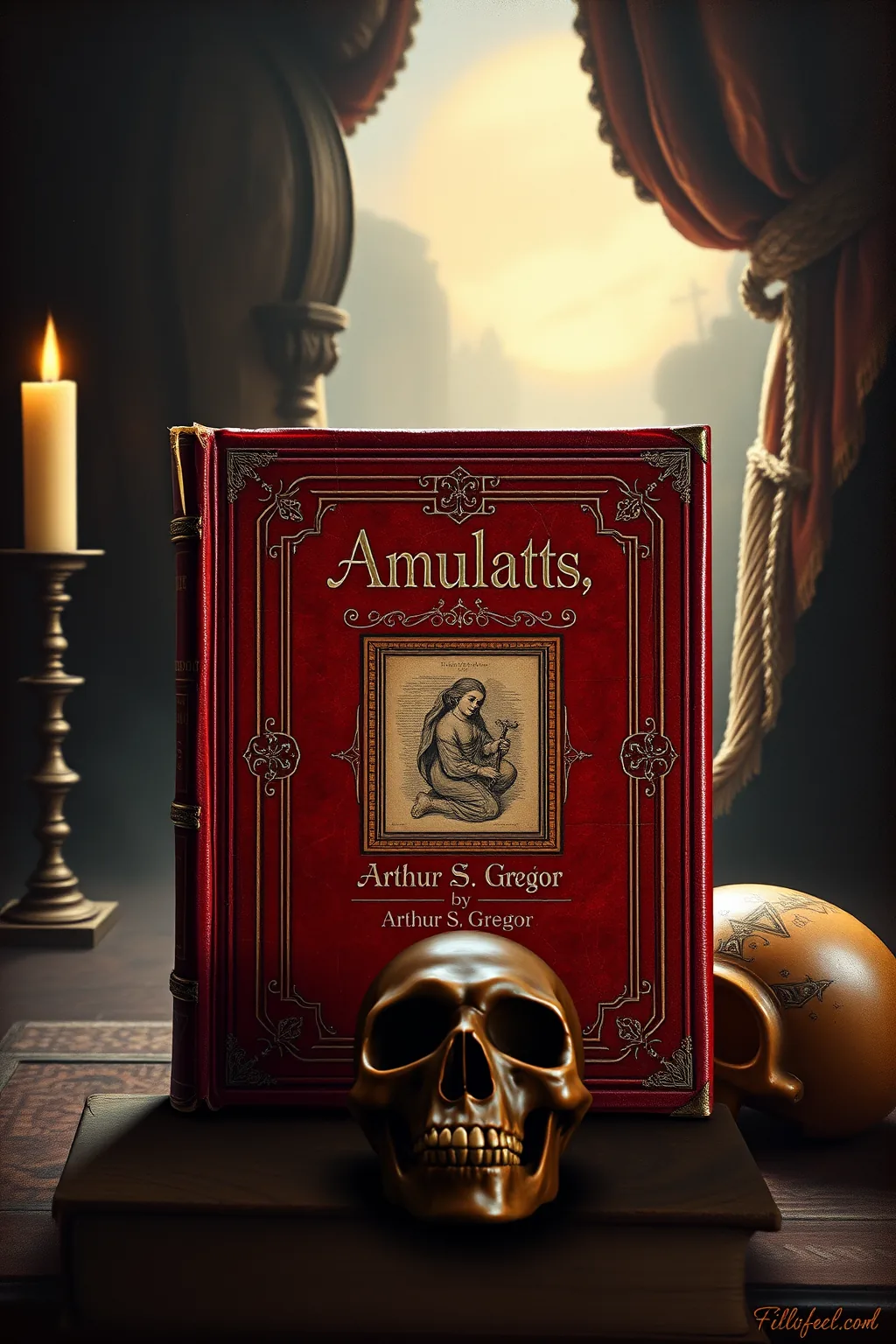
Arthur S. Gregor’s Amulets, Talismans, and Fetishes offers a clear, if somewhat dry, catalog of enchanted objects and their purported powers. The book’s strength lies in its systematic approach, differentiating between the protective aura of an amulet, the magnetic pull of a talisman, and the potent charge of a fetish. Gregor meticulously details the materials and inscription methods intended to imbue these objects with efficacy, drawing on a wide array of historical and cultural examples. However, the work occasionally feels dated, presenting its anthropological observations with an academic distance that can obscure the vibrant, lived reality of these beliefs for many cultures. A particularly illuminating section discusses the practical construction of a talisman for good fortune, outlining specific planetary alignments and symbolic engravings that speak to a forgotten artisanal magic. While lacking the evocative prose of some later esoteric writers, Gregor provides a solid, fact-based foundation for understanding these enduring forms of material spirituality. It serves as a valuable primer for anyone looking to grasp the mechanics behind these ancient practices.
📝 Description
84
Arthur S. Gregor's 1975 book examines objects imbued with perceived spiritual power.
Published in 1975, Amulets, Talismans, and Fetishes by Arthur S. Gregor analyzes the creation, use, and symbolic meaning of objects believed to hold spiritual or protective qualities. Gregor investigates the fundamental human desire to influence external forces through tangible items. He classifies these objects based on their intended purpose and the materials used in their construction.
The book addresses the cross-cultural prevalence of sympathetic magic, where principles like 'like affects like' or a part standing for the whole inform many object-based practices. It also considers the psychological and cultural foundations of belief in these powerful objects. This work is suitable for students and practitioners of comparative religion, anthropology, and the history of occult practices, as well as researchers of ancient belief systems and folk magic.
Gregor's 1975 publication appeared during a period of heightened interest in esoteric traditions, influenced by the counter-cultural shifts of the preceding decade. The book is part of a scholarly trend that viewed magical practices not simply as superstition, but as significant elements of human history and psychology. This era saw continued influence from scholars like Mircea Eliade, and Gregor's contribution fits within the wider academic discussion concerning the sacred and the mundane.
💡 Why Read This Book?
• Gain a structured understanding of how amulets, talismans, and fetishes are categorized and function, moving beyond vague notions of 'magic' by examining specific principles like sympathetic magic as detailed in the book's early chapters. • Appreciate the cross-cultural prevalence of object-based spiritual technology, with the book providing examples that illustrate how diverse societies, from ancient Egypt to indigenous tribes, utilized these items for protection and empowerment. • Learn about the historical materials and symbolic languages used in the creation of these objects, as discussed in sections detailing the specific crafting of talismans and their associated planetary correspondences.
⭐ Reader Reviews
Honest opinions from readers who have explored this book.
❓ Frequently Asked Questions
What is the primary difference between an amulet and a talisman according to Arthur S. Gregor?
Gregor distinguishes amulets primarily by their function of protection against harm or evil influences, whereas talismans are designed to attract specific positive forces, qualities, or fortune, often through correspondences and symbolic inscription.
When was Arthur S. Gregor's 'Amulets, Talismans, and Fetishes' first published?
The book 'Amulets, Talismans, and Fetishes' by Arthur S. Gregor was first published in 1975, placing it within a period of significant interest in esoteric studies.
Does the book discuss the materials used in creating these objects?
Yes, Gregor's work extensively details the specific materials – from metals and stones to organic substances – believed to hold inherent power or to be receptive to magical energies for amulets, talismans, and fetishes.
What is 'sympathetic magic' as explained in the context of Gregor's book?
Sympathetic magic, as explored by Gregor, is the principle that like affects like or that a part can represent the whole. This concept underlies how amulets and talismans are believed to work, linking the object to the desired outcome or protection.
Is this book suitable for beginners in occult studies?
Absolutely. Gregor's clear categorization and historical examples make 'Amulets, Talismans, and Fetishes' an excellent introductory text for those new to the study of magical objects and belief systems.
Does Gregor offer practical instructions for making talismans?
While Gregor discusses the principles and components involved in talisman creation, drawing on historical practices, the book focuses more on the theory and cultural context rather than providing step-by-step modern grimoire-style instructions.
🔮 Key Themes & Symbolism
Protection and Warding
The book meticulously details the role of amulets in safeguarding individuals and spaces from perceived negative energies, curses, or physical harm. Gregor illustrates this through historical examples, discussing how specific symbols, materials like iron or certain gemstones, and inscribed prayers were believed to create a spiritual barrier. The focus is on the object's active defense, acting as a shield against malevolent forces encountered in various cultural cosmologies.
Attraction and Manifestation
Talismans are presented as instruments for drawing desired outcomes into one's life, whether it be wealth, love, or success. Gregor explores the intricate systems of correspondence – planetary, elemental, and zodiacal – that inform the construction of talismans. The selection of materials, the timing of their creation (often tied to astrological configurations), and the specific sigils or names inscribed are crucial for their efficacy in manifesting intentions.
Sacred Objects and Devotion
Fetishes, in Gregor's classification, represent objects of worship or intense personal reverence, often imbued with a spirit or deity. This section looks at the concept of immanence, where the divine or spiritual essence is believed to reside within the object itself. The book examines rituals and devotional practices associated with fetishes, highlighting their central role in indigenous religions and personal spiritual paths as focal points for connection and veneration.
The Psychology of Belief
Beyond the mechanics of object creation, Gregor touches upon the psychological underpinnings that give these items their power. The work implicitly explores how focused belief, cultural conditioning, and the human need for agency in a seemingly unpredictable world contribute to the perceived efficacy of amulets, talismans, and fetishes. The tangible nature of these objects provides a concrete anchor for abstract spiritual concepts and desires.
💬 Memorable Quotes
Direct passages from the work, attributed to the author.
“Materials themselves carry intrinsic virtues, waiting to be activated.”
— Gregor highlights the ancient understanding of substance-based magic, where metals, stones, and plants were not inert but possessed inherent qualities that could be amplified or directed through ritual and inscription for specific magical purposes.
“Talismans act as conduits, drawing specific influences through sympathetic resonance.”
— This interpretation reflects Gregor's explanation of how talismans operate by aligning their symbolic structure and material composition with desired energies, creating a harmonious link for attraction.
💡 Key Ideas
Editorial paraphrase of the work's core concepts — not direct quotes.
The potency of an object is often a reflection of the belief invested in it.
This paraphrased concept underscores the psychological dimension Gregor explores, suggesting that the perceived power of an amulet or talisman is intrinsically linked to the faith and intention of its user or creator.
Protection is achieved by presenting a barrier, often through symbolic or energetic means.
This paraphrased idea captures the essence of amuletic function as described by Gregor, emphasizing that defense against spiritual or physical harm relies on specific, intentional configurations designed to repel or neutralize threats.
Fetishes are not merely objects, but vessels containing or representing the sacred.
This paraphrased concept addresses the deep spiritual connection and animistic belief systems Gregor examines, where fetishes serve as direct points of contact with divine or spiritual presences.
🌙 Esoteric Significance
Tradition
Gregor's work draws from a broad spectrum of esoteric and anthropological traditions, acting as a bridge between academic study and popular interest in magical objects. It touches upon principles found in Hermeticism, folk magic, and animistic beliefs, cataloging practices without necessarily adhering strictly to a single lineage. The book’s approach is more encyclopedic than dogmatic, presenting a wide array of object-based spiritual technologies that have appeared across various cultures and historical periods.
Symbolism
Key symbols explored include sigils and planetary signs, which Gregor details as crucial for imbuing talismans with specific astrological influences. The use of certain metals like silver (associated with the Moon) and gold (with the Sun) is discussed for their inherent energetic properties. Furthermore, the book examines the symbolic power of specific gemstones and their purported ability to channel or amplify energies, forming the basis for many protective amulets and attraction talismans.
Modern Relevance
Contemporary practitioners of modern witchcraft, chaos magic, and those interested in personal talisman creation often refer to foundational texts like Gregor's for understanding historical methods and symbolic languages. The book's clear delineation of object types and their functions continues to inform contemporary approaches to creating personal magical tools. It provides a historical anchor for modern practitioners seeking to understand the lineage of object-based spiritual work and the enduring human impulse to manifest intent through tangible means.
👥 Who Should Read This Book
• Aspiring practitioners of folk magic and talismanic arts seeking a foundational understanding of object-based spiritual practices and their historical classifications. • Students of anthropology and comparative religion interested in the cross-cultural phenomena of sympathetic magic and the role of sacred objects in belief systems. • Individuals curious about the history of occult objects and their perceived powers, looking for a clear, systematic overview of amulets, talismans, and fetishes from a 1975 perspective.
📜 Historical Context
Arthur S. Gregor's 'Amulets, Talismans, and Fetishes,' published in 1975, arrived during a period of significant public engagement with the occult and esoteric traditions, a trend fueled by the cultural shifts of the preceding decade. The work emerged within a scholarly milieu that was beginning to re-evaluate folk magic and religious practices beyond purely rationalistic frameworks, though it predates some of the more nuanced anthropological approaches that would gain prominence later. While not directly engaging with contemporary occult authors in its text, it implicitly responded to a growing appetite for understanding the mechanics of belief and ritual. Its publication sits alongside a broader academic interest in comparative mythology and religion, exemplified by scholars like Mircea Eliade, whose work on the sacred continued to influence how scholars viewed non-Western and historical belief systems. The book offered a structured, accessible overview at a time when many were seeking deeper knowledge of these subjects outside of traditional religious or academic institutions.
📔 Journal Prompts
The function of amulets for protection, as described by Gregor.
How talismans are constructed to attract specific influences.
The concept of sympathetic magic and its application.
Personal reflection on the belief invested in objects.
The role of materials in esoteric object creation.
🗂️ Glossary
Amulet
An object worn or carried for protection against danger, evil spirits, or disease. Its power is typically seen as defensive.
Talisman
An object engraved with symbols or characters, believed to possess magical properties to attract good fortune or specific desired outcomes.
Fetish
An object regarded with reverence or as the habitation of a spirit, often worshipped or treated as a sacred item.
Sympathetic Magic
A type of magic based on the principle that like affects like, or that a part can represent the whole; objects can influence each other through a connection.
Sigil
A symbol or emblem, often a magical character, used in occult traditions to represent a specific intention, entity, or concept.
Correspondence
In esoteric contexts, the perceived relationships between different elements, such as planets, colors, herbs, and metals, used in magical workings.
Immanence
The belief that divine or spiritual power resides within the material world or within specific objects, rather than being transcendent.
🔮 Readers Also Liked
Browse all →







More by Arthur S. Gregor
All books →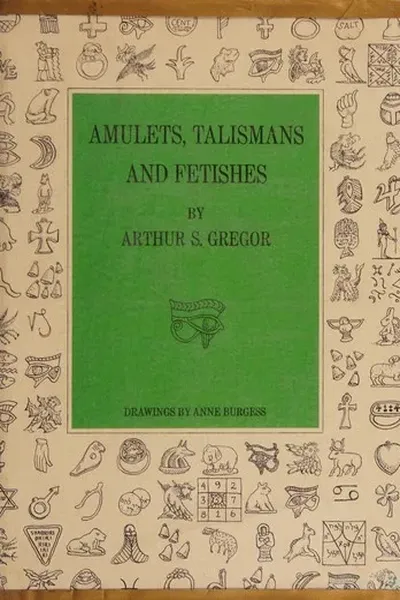
More Free Magic & Ritual Books
View all →