Incantations and Anti-Witchcraft Texts from Ugarit
 83
83

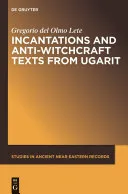
Incantations and Anti-Witchcraft Texts from Ugarit
Gregorio del Olmo Lete’s work offers a much-needed consolidation of Ugaritic and Akkadian incantatory and anti-witchcraft materials. The strength lies in its unified approach, demonstrating how these texts, often studied separately, form a coherent body of ritual practice. The analysis of specific incantations against snakebite, such as those detailing the serpent’s name and the appropriate counter-spell, is particularly illuminating. A limitation, however, is the dense academic prose, which may challenge readers less accustomed to philological argumentation. The detailed examination of the structure and linguistic nuances within these spells, however, provides a solid foundation for understanding their intended efficacy. This volume serves as an essential, if demanding, resource for understanding ancient Near Eastern magic.
📝 Description
83
Gregorio del Olmo Lete's 2007 volume analyzes incantations and anti-witchcraft texts from Ugarit.
This volume presents a comparative analysis of incantation and anti-witchcraft texts from ancient Ugarit. It treats both the native Ugaritic and Akkadian traditions as a unified corpus, framing them within the broader Mesopotamian cultural and religious context. The work focuses on texts designed to ward off immediate threats, such as snakebites, and to counter malevolent sorcery.
The texts originate from the Late Bronze Age city of Ugarit, which flourished until its destruction around 1182 BCE. The comparative approach acknowledges the extensive Akkadian corpus found in the same archives, which often served as a lingua franca and a source of religious and magical traditions throughout the ancient Near East. By examining these texts side-by-side, the work situates Ugaritic magical practices within a wider Mesopotamian intellectual milieu.
The study centers on the practical application of incantations for protection against tangible dangers like venomous serpents and intangible threats such as witchcraft. It examines the complex relationship between divine power, human agency, and the efficacy of ritual language. Concepts of purity, impurity, and the mechanisms by which magical spells were believed to function are central to understanding these ancient practices.
This book engages with the historical practice of magic in the ancient Near East, specifically focusing on ritual texts from Ugarit and its Mesopotamian neighbors. It examines how these societies understood and employed incantations and counter-sorcery to address perceived threats, both physical and supernatural. The work situates these practices within a broader understanding of ancient religious thought, where the spoken word and ritual action were considered potent forces for influencing the world and protecting individuals from malevolent influences.
💡 Why Read This Book?
• Gain a nuanced understanding of ancient Near Eastern magical practices by examining the unified corpus of Ugaritic and Akkadian incantations, as detailed in the comparative analysis of texts from Ras Shamra. • Explore the specific ritual strategies employed against potent threats like snakebites and witchcraft, learning about the symbolic and linguistic tools utilized in Late Bronze Age Canaan. • Appreciate the interconnectedness of ancient religious traditions by situating Ugaritic magic within the broader Mesopotamian cultural and linguistic sphere, as illuminated by the Akkadian textual parallels.
⭐ Reader Reviews
Honest opinions from readers who have explored this book.
❓ Frequently Asked Questions
What is the primary focus of 'Incantations and Anti-Witchcraft Texts from Ugarit'?
The book focuses on a comparative study of Ugaritic and Akkadian incantation and anti-witchcraft texts found at Ras Shamra, treating them as a single, unified corpus to understand ancient protective rituals.
What specific dangers do these ancient texts address?
The texts primarily address immediate, tangible dangers such as snakebites, as well as threats from witchcraft and sorcery, offering ancient methods of magical protection.
Why is the Akkadian material important for understanding Ugaritic texts?
The Akkadian texts from the same archives provide a crucial frame of reference, helping scholars understand the broader Mesopotamian cultural and religious context that influenced Ugaritic practices.
Who is the author, Gregorio del Olmo Lete?
Gregorio del Olmo Lete is a prominent scholar specializing in ancient Near Eastern languages and religions, particularly known for his work on Ugaritic literature and mythology.
When was the original publication of this work?
The original publication date for 'Incantations and Anti-Witchcraft Texts from Ugarit' was July 28, 2014.
What is the significance of treating Ugaritic and Akkadian texts as a unified corpus?
It allows for a more comprehensive understanding of magical traditions, revealing shared practices and influences between these closely related ancient Semitic cultures of the Late Bronze Age.
🔮 Key Themes & Symbolism
Comparative Ritual Analysis
This work champions a unified approach to ancient magic, analyzing Ugaritic and Akkadian incantations side-by-side. It moves beyond siloed studies, demonstrating how texts from the same archives, written in different scripts (alphabetic cuneiform and syllabic cuneiform), reflect shared ritual concerns and practices. The study highlights how Akkadian texts, often seen as external, actually provided a vital framework for understanding the local Ugaritic magical traditions, particularly concerning threats like snakebites and witchcraft.
Protection Against Venom and Sorcery
A core theme is the practical application of ancient magic for immediate survival. The book meticulously examines spells designed to counter the lethal effects of snakebites, detailing the identification of serpents and the invocation of protective deities or counter-charms. It also examines the complex world of anti-witchcraft rituals, exploring how individuals sought to defend themselves against malevolent magical attacks in Late Bronze Age society.
Ugarit as a Cultural Nexus
The study leverages the archaeological and textual evidence from Ras Shamra (Ugarit) to illustrate its position as a significant cultural hub during the Late Bronze Age. By integrating the Ugaritic and Akkadian materials, the work underscores the cosmopolitan nature of Ugarit, where diverse linguistic and religious influences converged. This approach reveals the intricate blend of indigenous Canaanite beliefs with broader Mesopotamian cultural currents in ritual practice.
The Efficacy of Incantatory Language
Central to the analysis is the exploration of how ancient peoples perceived the power of spoken and written words in ritual. The book investigates the belief systems that underpinned the efficacy of incantations, focusing on the precise linguistic structures, divine names, and symbolic actions employed to achieve magical results. Understanding these texts means grasping their authors' worldview regarding the inherent power of language to influence reality.
💬 Memorable Quotes
Direct passages from the work, attributed to the author.
“The Akkadian material from the same archives can be used as a frame of reference for the Ugaritic texts.”
— This statement emphasizes the methodological innovation of the work: using the more widely understood Akkadian corpus to illuminate the nuances and context of the Ugaritic magical texts found in the same archaeological layers.
“These texts, dealing with impending dangers (mainly snakebites) and witchcraft attacks...”
— This highlights the practical, life-or-death concerns addressed by ancient Ugaritic and Akkadian magic. It points to the texts' function not just as religious expressions but as vital tools for survival against immediate physical and supernatural threats.
“Offer a comprehensive study of the consonantal (Ugaritic) as well as the syllabic (Akkadian) incantation and anti-witchcraft texts from Ras Shamra as a unified corpus.”
— This articulates the core objective: to synthesize and analyze both Ugaritic and Akkadian magical texts from Ugarit, treating them as a single, interconnected body of evidence rather than separate entities.
“Ugaritic literary and ritual studies have often neglected or even ignored the Akkadian material...”
— This points to a critical gap in previous scholarship that this book aims to fill, arguing for the essential role of Akkadian texts in providing context and comparative data for understanding Ugaritic culture and religion.
“The aim of this work is to offer a comprehensive study...”
— This clearly states the scholarly ambition behind the book: to provide an exhaustive and detailed examination of a specific genre of ancient texts from a key archaeological site.
🌙 Esoteric Significance
Tradition
While Ugarit predates many formally defined esoteric traditions like Kabbalah or Hermeticism, its magical texts represent a foundational stratum of Western Semitic ritual practice. These incantations offer a glimpse into a worldview where the divine, the human, and the supernatural are intimately connected, and where ritual language is a potent force. They inform an understanding of ancient Near Eastern magical systems that later traditions, including some that contributed to esoteric lineages, would build upon or react against.
Symbolism
Key symbols include serpents, representing both primal danger (venom) and potential regenerative power or chthonic forces. The act of naming a threat – be it a specific snake or a sorcerer – is itself a potent magical act, signifying control and mastery. The invocation of deities or powerful beings, along with specific ritual actions, forms the symbolic grammar of these protective spells, aiming to realign cosmic order against malevolent forces.
Modern Relevance
Contemporary practitioners of comparative mythology, ancient Near Eastern studies, and those interested in the roots of Western magical traditions find value in this work. It provides direct access to primary source material, allowing for a critical examination of ancient methods for dealing with fear and perceived threats. Scholars and occultists seeking to understand the historical development of protective magic and the efficacy attributed to ritual language continue to draw upon such detailed philological and comparative studies.
👥 Who Should Read This Book
• Scholars of Ancient Near Eastern Religions: Researchers specializing in Canaanite, Mesopotamian, or Late Bronze Age history will find this comparative analysis of textual corpora essential for their work. • Students of Comparative Magic: Individuals interested in the cross-cultural study of magical practices, particularly those focused on ancient healing, protection, and counter-sorcery, will gain direct access to primary source interpretation. • Philologists and Linguists: Those focused on Ugaritic and Akkadian languages will benefit from the detailed linguistic examination and comparative textual work presented in this volume.
📜 Historical Context
The texts presented originate from Ugarit, a major city of the Late Bronze Age (c. 1550-1182 BCE), destroyed around 1182 BCE. This period saw extensive cultural exchange across the ancient Near East, with Akkadian language and Mesopotamian cultural norms exerting significant influence. While Ugaritic had its own distinct alphabetic script for local administration and literature, Akkadian cuneiform was widely used for diplomatic and scholarly purposes. Scholars like Cyrus Gordon and Jean-Michel de Tarragon have extensively studied Ugaritic texts, but the integration of Akkadian magical materials from the same archives, as pursued in this work, offers a novel perspective. This study addresses a gap in previous scholarship, which often treated Ugaritic and Akkadian materials in isolation, failing to recognize their interconnectedness within the religious and magical practices of the era.
📔 Journal Prompts
The specific methods described for warding off snakebite.
The concept of treating Ugaritic and Akkadian texts as a unified corpus.
The perceived mechanisms of witchcraft attacks as detailed in the anti-witchcraft texts.
The role of divine or supernatural agents in the Ugaritic incantations.
The implications of studying these texts from the destruction layers of Ugarit.
🗂️ Glossary
Ugaritic
Refers to the ancient Semitic language and culture of the city of Ugarit (modern Ras Shamra), written in a unique alphabetic cuneiform script.
Akkadian
An ancient Semitic language spoken in Mesopotamia, written in the more widespread syllabic cuneiform script, often used as a lingua franca in the ancient Near East.
Cuneiform
An ancient writing system characterized by wedge-shaped marks impressed on clay tablets, used for both Akkadian (syllabic) and Ugaritic (alphabetic) scripts.
Incantation
A spoken or written charm or spell, typically involving prayers, magical formulas, or ritual language intended to achieve a specific supernatural effect.
Anti-witchcraft Texts
Texts specifically designed to protect individuals or communities from the harmful effects of sorcery, curses, or malevolent magical practices.
Ras Shamra
The archaeological site in modern Syria where the ancient city of Ugarit was discovered, yielding a rich collection of texts and artifacts.
Corpus
A collection of written texts, especially the entire works of a particular author or a set of works related in subject or style, treated as a unified whole.