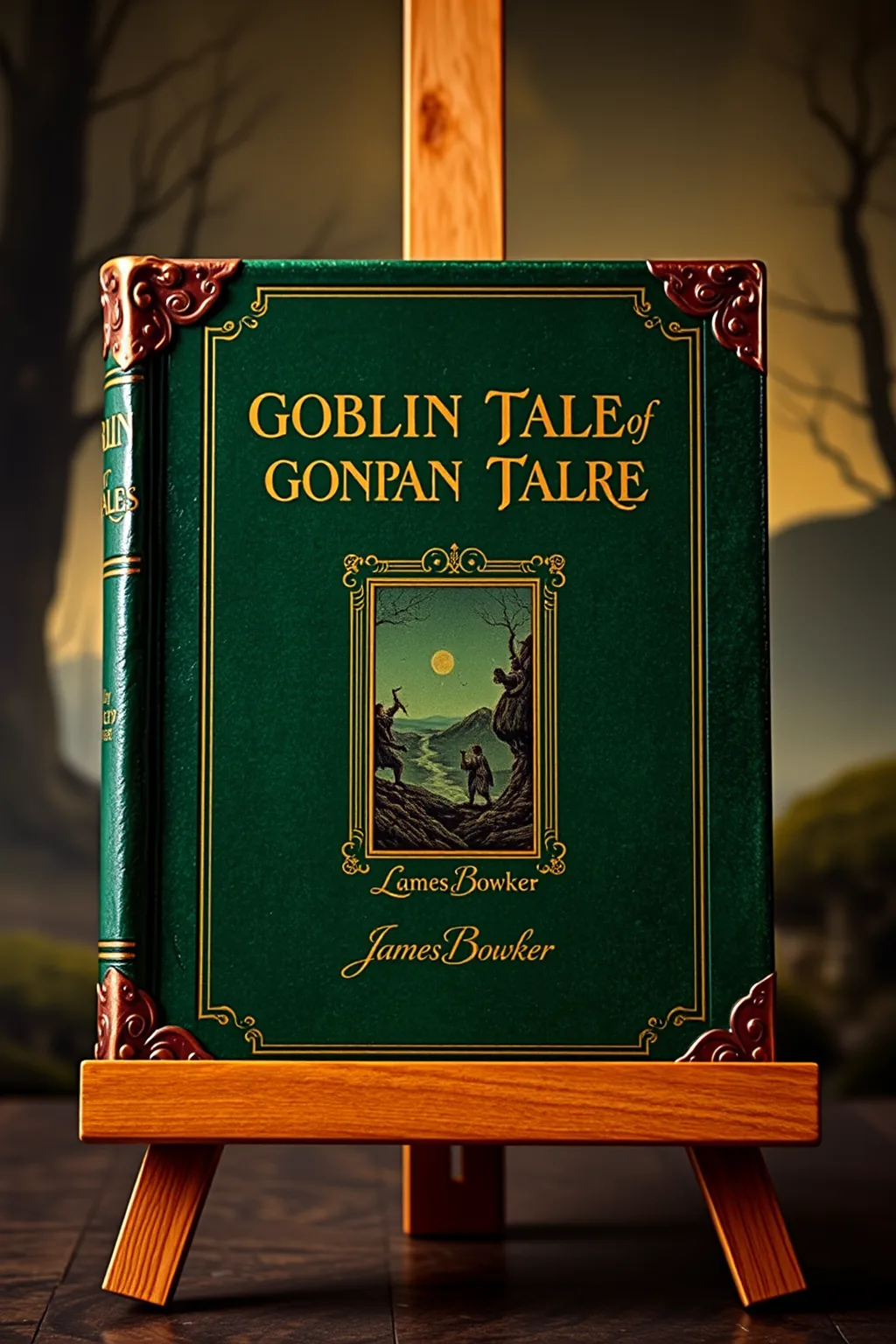
Goblin Tales of Lancashire
 71
71

Goblin Tales of Lancashire


Isolde Whitaker, Sacred Texts Editor: James Bowker's "Goblin Tales of Lancashire" is a profound testament to the enduring power of folklore, offering an invaluable glimpse into the esoteric undercurrents of Northern England. Published in 1878, this collection transcends simple ghost stories, delving into the archetypal forces that shaped local beliefs. Bowker's meticulous preservation of Celtic and Scandinavian influences reveals a rich tapestry of supernatural beings and elemental spirits. The tales resonate with an authentic, almost shamanic energy, making them essential reading for folklorists, occult practitioners, and anyone drawn to the liminal spaces of the human experience. This work serves as a vital bridge to understanding older ways of perceiving the world and its hidden inhabitants.
📝 Description
71
James Bowker published 'Goblin Tales of Lancashire' in 1878, collecting local folklore.
Published in 1878, James Bowker's 'Goblin Tales of Lancashire' gathers stories from the north of England. The book draws on Celtic and Scandinavian traditions to describe figures like goblins, fairies, and witches. It also touches upon the Wild Hunt motif. Bowker's writing aims to capture the spirit of the land and the people who lived there, detailing their connection to unseen forces.
These narratives preserve aspects of local oral traditions and esoteric heritage. The tales reflect a belief in the supernatural and its place within the human mind. The collection serves as a record of these beliefs and stories, offering a glimpse into a world where myth and reality were closely linked.
This collection situates itself within the broader tradition of folklore studies that emerged in the late 19th century. It taps into a period of renewed interest in ancient myths, local legends, and the perceived remnants of older spiritual beliefs within rural communities. By documenting tales of goblins, fairies, and other supernatural entities, Bowker's work aligns with an esoteric interest in the liminal spaces between the natural and the supernatural, and the persistence of animistic or magical thinking.
✍️ Author
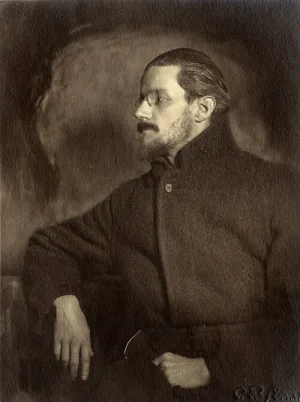
James Bowker
James Augustine Aloysius Joyce (born James Augusta Joyce; 2 February 1882 – 13 January 1941) was an Irish novelist, poet, and literary critic. He contributed to the modernist movement and is regarded among the most influential and important writers of the …
💡 Why Read This Book?
Unearth the ancient whispers of Lancashire's mystical landscape. This book is for seekers of hidden knowledge, scholars of folklore, and practitioners of earth-based magic. It offers a rare glimpse into the Celtic and Scandinavian roots of local supernatural beliefs, preserving a tangible connection to ancestral spiritual practices and the elemental forces that shaped them. Immerse yourself in evocative prose and connect with the enduring presence of the unseen.
⭐ Reader Reviews
Honest opinions from readers who have explored this book.
❓ Frequently Asked Questions
What is the primary focus of "Goblin Tales of Lancashire"?
The book primarily focuses on preserving and presenting Lancashire's unique folklore, featuring a rich array of supernatural beings rooted in Celtic and Scandinavian traditions, from goblins and fairies to witches and spectral apparitions.
Who was James Bowker and why is his work significant?
James Bowker was an author and folklorist who, in 1878, meticulously collected and transcribed these tales. His work is significant for its early preservation of regional oral traditions and its contribution to understanding the esoteric and mythological landscape of Lancashire.
Are these tales meant to be frightening or insightful?
While the tales feature supernatural beings and can evoke a sense of unease, their primary aim is to illuminate the spiritual and mythological worldview of Lancashire's past, offering insight into folk beliefs and their connection to the land.
What kind of 'esoteric' elements are present in the book?
The esoteric elements lie in the deeply rooted connection to nature spirits, ancient animistic beliefs, the presence of witchcraft traditions, and the symbolic representation of archetypal forces like the Wild Hunt, reflecting a pre-Christian spiritual framework.
Can this book be considered a historical document?
Yes, it is a valuable historical document. It provides a snapshot of 19th-century folklore collection and offers insights into the oral traditions, beliefs, and superstitions prevalent in Lancashire at that time, preserving them for posterity.
🔮 Key Themes & Symbolism
The Unseen Inhabitants of the Moors
This theme examines the body of elemental and supernatural beings that populate the wild landscapes of Lancashire. Bowker's tales bring to life goblins, fairies, and other spectral entities, revealing a worldview where the natural world is teeming with unseen life and ancient spirits. It explores the deep-seated human need to understand and coexist with forces beyond ordinary perception, highlighting the symbolic representation of these beings as guardians, tricksters, or manifestations of the land's primal energy. The narratives serve as a evidence of the enduring belief in a parallel spiritual reality interwoven with the physical realm, a core tenet in many esoteric traditions.
Elements of Celtic and Scandinavian Mythology
The collection is deeply resonant with the ancient mythologies of the Celts and Norsemen, whose cultural echoes profoundly shaped Lancashire's folklore. This theme examines how these foundational belief systems manifest in the local tales, from the trickster nature of goblins reminiscent of Norse sprites to the spectral apparitions and elemental spirits echoing Celtic lore. It highlights the transmission of these ancient narratives through oral tradition and their adaptation to the specific geography and spirit of Lancashire. Understanding these influences offers a window into the syncretic nature of folklore and the enduring power of archetypal stories across cultures and eras.
The Power of Oral Tradition and Landscape
This theme underscores the vital role of oral tradition in preserving cultural memory and spiritual understanding, particularly in connection to specific landscapes. Bowker's work is a evidence of how stories, passed down through generations, embed themselves within the very fabric of a place. The wild moors and valleys of Lancashire are not merely a backdrop but active participants in these tales, shaping the characters and their interactions with the supernatural. This connection emphasizes a worldview where the land itself holds consciousness and stories are a living conduit to ancestral wisdom and the spirit of the earth.
💬 Memorable Quotes
Direct passages from the work, attributed to the author.
“He heard the whisper of the old ones in the rustling leaves.”
— This speaks to the deep connection between the living and the ancestral spirits, implying that the wisdom and presence of past generations are accessible through attunement with the natural world.
“The goblin's eyes gleamed with ancient mischief.”
— This highlights the archetypal nature of folkloric beings, suggesting that goblins embody timeless characteristics of duality—both playful and potentially dangerous—reflecting primal human experiences.
“She danced with the fairies where the moonlight touched the dew.”
— This imagery portrays the liminal spaces and times where human and fae realms are believed to intersect, emphasizing enchantment, ephemeral beauty, and the otherworldly nature of fairy encounters.
“The Wild Hunt rode, a storm of spectral hounds and riders.”
— This refers to a potent mythological motif representing cosmic or elemental forces, often seen as a harbinger of change or a manifestation of the raw power of nature and the spirit world.
💡 Key Ideas
Editorial paraphrase of the work's core concepts — not direct quotes.
The mist hung heavy, a cloak woven by unseen hands.
This quote evokes the potent atmosphere of Lancashire's landscape, suggesting a mystical force actively shaping the environment, a common theme in folklore where nature is imbued with sentient, often supernatural, agency.
🌙 Esoteric Significance
Tradition
The esoteric significance of "Goblin Tales of Lancashire" lies primarily in its connection to animism, nature worship, and pre-Christian folk magic. It reflects traditions where spirits are believed to inhabit natural elements – rocks, rivers, trees – and where humans sought to maintain balance and gain favor through rituals and respect for these entities. The tales preserve elements of ancient shamanic practices, where intermediaries communicated with the spirit world. These narratives offer insights into the enduring, often subconscious, spiritual framework that persisted long after the rise of organized religion, forming a vital part of the esoteric lineage of the British Isles.
Symbolism
The symbolism within these tales is rich and deeply rooted in the natural world and archetypal human experiences. Goblins and fairies often symbolize the untamed forces of nature, the subconscious mind, or the capricious spirits that govern luck and misfortune. Witches represent ancient forms of earth-based wisdom and power, often misunderstood or feared by the dominant culture. The Wild Hunt symbolizes elemental forces, the passage of time, or a spiritual awakening. Spectres and headless figures often represent unresolved issues, lingering energies, or the stark reality of mortality. The Lancashire landscape itself acts as a potent symbol of the primal, untamed spirit that connects humanity to the deeper mysteries of existence.
Modern Relevance
In an age often perceived as hyper-rationalized and disconnected from the natural world, "Goblin Tales of Lancashire" offers profound modern relevance. It reminds us of the persistent presence of the 'other' and the importance of maintaining a connection to the land and its inherent spiritual dimensions. For practitioners of modern paganism, witchcraft, and esoteric traditions, these tales provide a rich source of inspiration, archetypal symbols, and a tangible link to ancestral practices. They encourage a re-evaluation of our relationship with nature, fostering an awareness of the subtle energies and unseen forces that continue to shape our world, urging us to listen to the whispers of the earth.
👥 Who Should Read This Book
This collection is a treasure for a diverse readership. **Beginners** in folklore or esoteric studies will find an accessible and captivating entry point into British supernatural traditions. **Scholars** of mythology, folklore, and regional history will appreciate its value as a primary source, offering insights into the transmission and evolution of oral traditions. **Seekers** drawn to the mystical aspects of the British Isles and those interested in the spiritual connection between landscape and belief will be deeply rewarded. **Practitioners** of earth-based spiritualities, modern witchcraft, and animistic paths will discover potent archetypes, symbolic resonances, and a tangible link to ancestral lore and practices, enriching their understanding and practice.
📜 Historical Context
Published in 1878, "Goblin Tales of Lancashire" emerges from a Victorian era marked by a dual fascination: rapid industrialization and a romantic revival of interest in folklore, national heritage, and the supernatural. While science and rationalism advanced, there was a concurrent cultural yearning for the mystical, the ancient, and the 'other.' This period saw a surge in folklore collection and study, as scholars and enthusiasts sought to preserve vanishing oral traditions and understand the pre-industrial spiritual landscape. James Bowker's work fits squarely within this movement, acting as an archivist of Lancashire's combination of Celtic and Scandinavian beliefs, capturing a world that felt increasingly distant from the urbanizing society of the time. The book serves as both a window into past beliefs and a reflection of Victorian-era anxieties and curiosities surrounding the unseen.
📔 Journal Prompts
Reflect on a landscape in your life that feels imbued with 'spirit' or unseen presence. What stories or feelings does it evoke?
How do the archetypes of goblins and fairies in these tales resonate with your understanding of the trickster or the elemental forces in nature?
Consider the concept of 'oral tradition' as a living repository of knowledge. How might ancient stories continue to influence contemporary beliefs or behaviors?
Imagine you are walking through the misty Lancashire moors described in the book. What sensory details would you focus on to connect with the atmosphere?
If the 'Wild Hunt' were to ride today, what modern phenomena or societal shifts might it symbolize?
🗂️ Glossary
Goblin
A mischievous, often grotesque, supernatural creature found in folklore, typically associated with the earth and often depicted as small and ill-tempered, though sometimes helpful.
Fairy
Supernatural beings of folklore, often depicted as beautiful, ethereal, and possessing magical powers, dwelling in a parallel realm and sometimes interacting with humans.
Wild Hunt
A mythological motif found in Germanic and Celtic folklore, depicting a spectral procession of hunters and hounds, often associated with storms, omens, or the passage of souls, led by figures like Odin or the Devil.
Spectre
A ghost or phantom, an apparition of a dead person or a frightening image, often associated with unresolved issues or a lingering presence.
Oral Tradition
The passing down of cultural knowledge, stories, laws, and beliefs from one generation to the next through spoken word, rather than written records.
This book appears in 1 collection
🔮 Readers Also Liked
Browse all →








From the “Transcendental Meditation” Collection
View all →





More Free Esoteric History & Biography Books
View all →