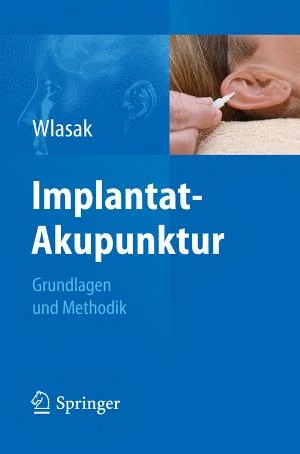
Implantat-Akupunktur
 82
82

Implantat-Akupunktur
Rolf Wlasak’s *Implantat-Akupunktur* offers a clear, if somewhat narrowly focused, introduction to a specific branch of auricular therapy. The text adheres rigorously to the Inauris association’s training standards, making it a reliable resource for those specifically seeking certification within that framework. Its strength lies in its systematic presentation of the practical steps involved, from patient intake to post-operative care. However, the book’s primary limitation is its exclusivity; it assumes a pre-existing knowledge of acupuncture and ear anatomy, and its focus remains strictly on the technical application of implants, offering little broader theoretical context or exploration of alternative approaches within auricular medicine. A particularly instructive section details the meticulous process of anamnestic questioning, crucial for identifying suitable candidates for implant therapy, underscoring the importance of thorough patient evaluation. Ultimately, for practitioners committed to this niche, it’s a functional manual; for others, its scope may feel restrictive.
📝 Description
82
Rolf Wlasak's 2012 book Implantat-Akupunktur details the practice of implant acupuncture for medical professionals.
Published in 2012, Rolf Wlasak's Implantat-Akupunktur functions as a practical manual for medical professionals and therapists. It addresses the standards and knowledge necessary for those wishing to specialize in implant acupuncture, a specific area within auricular therapy. The book aligns with the training guidelines established by the Bundesverband Implantat-Akupunktur Inauris. It is intended for physicians and therapists who aim to incorporate implant acupuncture into their clinical work. The text offers the essential theoretical background and practical instructions for administering this specialized therapy, stressing a methodical approach to patient treatment.
The book covers the entire therapeutic process. This includes initial patient assessment and case history taking (anamnesis), the accurate placement of implants, and subsequent follow-up care. This approach ensures practitioners gain a thorough grasp of the subject. The work introduces the primary principles of implant acupuncture, with a focus on the hands-on application of acupuncture implants.
The practice detailed in Implantat-Akupunktur emerges from the broader history of acupuncture, which gained prominence in Western medicine starting in the mid-20th century. Specialized methods like implant acupuncture represent a development toward long-term, minimally invasive treatments. This work builds upon established principles of acupuncture, particularly in its diagnostic and therapeutic applications, situating it within a lineage of evolving medical practices.
💡 Why Read This Book?
• Learn the specific standards for implant acupuncture as outlined by the Bundesverband Implantat-Akupunktur Inauris, a crucial detail for practitioners seeking Inauris certification. • Understand the detailed process of patient anamnesis as presented in Wlasak's work, essential for correctly identifying candidates for implant placement. • Gain practical knowledge on the application and aftercare of acupuncture implants, a specialized technique detailed from the 2012 publication date.
⭐ Reader Reviews
Honest opinions from readers who have explored this book.
❓ Frequently Asked Questions
What is Implantat-Akupunktur?
Implantat-Akupunktur, or implant acupuncture, is a specialized field within ear acupuncture. It involves the surgical placement of small acupuncture needles or implants into specific points on the ear to provide continuous stimulation for therapeutic purposes.
Who is the target audience for Rolf Wlasak's book?
The book is primarily intended for physicians and therapists who wish to specialize in implant acupuncture, providing them with the foundational knowledge and practical guidelines necessary for this practice.
What is the Bundesverband Implantat-Akupunktur Inauris?
The Bundesverband Implantat-Akupunktur Inauris is the German federal association for implant acupuncture. Wlasak's book is based on their established training guidelines and certification standards.
Does the book cover the theoretical basis of acupuncture?
The book focuses on the practical application and standards of implant acupuncture. It assumes a basic understanding of acupuncture principles and concentrates on the specific techniques and protocols for implant use.
What are the key components of treatment discussed in the book?
The book covers essential aspects of treatment including thorough patient anamnesis (case history), the precise application of implants, and subsequent post-treatment follow-up care.
When was Implantat-Akupunktur first published?
The first edition of Rolf Wlasak's book, Implantat-Akupunktur, was published on March 27, 2012.
🔮 Key Themes & Symbolism
Specialized Auricular Therapy
This work centers on implant acupuncture, a distinct specialization within the broader field of auricular therapy. It moves beyond traditional needle insertion to discuss the prolonged therapeutic effect achieved through the permanent placement of small implants in specific ear microsystems. The book delineates the protocols for this specialized application, distinguishing it from general ear acupuncture practices and highlighting its potential for chronic conditions.
Practitioner Training Standards
A core focus of Implantat-Akupunktur is its adherence to the training guidelines of the Bundesverband Implantat-Akupunktur Inauris. This emphasizes the book's role as an educational tool for medical professionals and therapists seeking formal qualification. It details the curriculum and standards required for practitioners, ensuring a consistent and standardized approach to implant acupuncture education.
Comprehensive Patient Management
The book systematically outlines the entire patient journey in implant acupuncture. This includes detailed instructions on conducting thorough anamnesis (case history taking) to assess patient suitability, precise guidance on the implantation procedure itself, and crucial information regarding post-treatment care and follow-up, ensuring holistic patient management.
Microsystem Application
Implantat-Akupunktur operates within the framework of microsystem theory, specifically the ear as a representation of the entire body. The book explores how targeted stimulation of auricular points via implants can influence corresponding bodily regions or functions, leveraging the ear's complex somatotopic mapping for therapeutic outcomes.
💬 Memorable Quotes
Direct passages from the work, attributed to the author.
“The first practical book on implant acupuncture.”
— This statement positions the work as a pioneering resource, specifically catering to hands-on application and foundational knowledge for those entering the field.
“Based on the training guidelines of the Bundesverband Implantat-Akupunktur Inauris.”
— This highlights the book's authoritative basis, linking its content directly to the official standards and curriculum of a recognized professional association.
“Information on training and certification.”
— This indicates that the book serves not only as a technical manual but also as a guide for aspiring practitioners working through the formal pathways to becoming certified in implant acupuncture.
“Instructions for thorough anamnesis.”
— This points to a critical procedural element emphasized in the text: the importance of detailed patient history and assessment before treatment.
“Application of implants and subsequent aftercare.”
— This captures the practical scope of the book, covering the core interventional procedure and the essential follow-up necessary for successful therapeutic outcomes.
🌙 Esoteric Significance
Tradition
While not explicitly aligned with a single historical esoteric lineage like Hermeticism or Kabbalah, implant acupuncture draws upon the energetic and subtle body concepts prevalent in Traditional Chinese Medicine (TCM), which has long been studied and integrated into Western esoteric thought. The practice can be seen as a modern, technologically-assisted application of TCM's microsystem principles, focusing on the ear's energetic map to influence the whole organism.
Symbolism
The primary symbolism lies in the ear itself as a microcosm, representing the macrocosm of the entire human body. The implants, though often made of inert materials like stainless steel or titanium, symbolize a persistent, internal point of energetic influence or regulation. Their placement according to specific auricular maps signifies the esoteric principle of correspondence – that understanding and manipulating a small part can affect the greater whole.
Modern Relevance
Implant acupuncture, as detailed in works like Wlasak's, continues to be relevant in contemporary integrative medicine and complementary therapy. Practitioners in fields such as pain management, addiction treatment, and stress reduction explore these techniques. The focus on minimally invasive, long-term stimulation aligns with modern trends seeking efficient and sustainable therapeutic solutions, finding echoes in biofeedback, neuromodulation, and other technologically informed wellness practices.
👥 Who Should Read This Book
• Medical doctors and therapists seeking to specialize in auricular acupuncture techniques, particularly those interested in long-term therapeutic stimulation. • Practitioners aiming for certification through the Bundesverband Implantat-Akupunktur Inauris, as the book directly follows their training guidelines. • Students and professionals in complementary medicine interested in the practical application of microsystem theories, specifically the ear's role in diagnosis and treatment.
📜 Historical Context
Rolf Wlasak's *Implantat-Akupunktur*, published in 2012, emerges within a period where specialized therapeutic modalities in complementary medicine were increasingly codified and professionalized. Its focus on implant acupuncture builds upon the mid-20th century resurgence and integration of Traditional Chinese Medicine (TCM) techniques, including auricular acupuncture, into Western medical discourse. While acupuncture itself faced varying degrees of acceptance and skepticism, the development of specific techniques like implant acupuncture reflects a move towards more permanent, less labor-intensive interventions. Wlasak's work is directly tied to the efforts of organizations like the Bundesverband Implantat-Akupunktur Inauris to establish standardized training and certification, a trend seen across various holistic health fields seeking greater legitimacy and regulatory clarity. This contrasts with earlier, more eclectic approaches to acupuncture and reflects a broader movement towards evidence-based practice and specialized training pathways in alternative medicine.
📔 Journal Prompts
Anamnesis protocols for implant acupuncture candidates.
Specific considerations for implant application based on patient history.
The role of the ear as a microsystem in therapeutic outcomes.
Post-implantation care strategies for optimal patient recovery.
Comparison of standard acupuncture needle insertion versus implant utilization.
🗂️ Glossary
Implantat-Akupunktur
A specialized form of ear acupuncture involving the surgical insertion of small, permanent implants into specific auricular points for continuous therapeutic stimulation.
Ohrakupunktur
Ear acupuncture, a therapeutic technique based on the principle that the ear contains microsystems representing the entire body.
Anamnese
The process of gathering a patient's medical history, crucial for diagnosing conditions and determining appropriate treatment, particularly important for implant acupuncture.
Bundesverband Implantat-Akupunktur Inauris
The German federal association for implant acupuncture, which sets the training standards and certification requirements for practitioners in this field.
Aurikulotherapie
A broader term often used interchangeably with ear acupuncture, referring to therapeutic methods applied to the external ear.
Nachsorge
The follow-up care provided to a patient after a medical procedure or treatment, essential for monitoring progress and managing recovery in implant acupuncture.
Akupunktur Implantate
Small surgical devices, often needles or beads made of inert materials, inserted into acupuncture points to provide prolonged stimulation.
This book appears in 1 collection
🔮 Readers Also Liked
Browse all →









From the “Acupuncture” Collection
View all →







More Free Occult Philosophy Books
View all →