55,000+ Esoteric Books Free + Modern Compare Prices
Home Collections Acupuncture
🪡

Acupuncture Books: A Comprehensive Reading List

Acupuncture books trace the practice from its ancient roots in Chinese medicine to contemporary clinical applications. Works like 'The tao of medicine' by Stephen Fulder and 'I Ching Acupuncture - the Balance Method' by david Twicken offer distinct entry points into this therapeutic system. Later texts, such as 'Akupunktur' by Gabriel Stux and colleagues, provide systematic overviews. This guide outlines key texts for beginners, intermediate students, and advanced practitioners, facilitating a structured approach to understanding acupuncture theory and practice.

Top Acupuncture Books

25 Acupuncture books
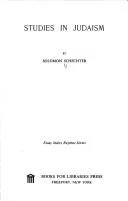
Studies in Judaism
📖
Studies in Judaism
Solomon Schechter
4.1
63

What is Acupuncture

Acupuncture is a key component of Traditional Chinese Medicine (TCM) involving the insertion of fine needles into specific points on the body. These points are believed to lie on meridians, or pathways, through which vital energy, or Qi, flows. The practice aims to restore the balance of Qi, thereby promoting health and alleviating pain or disease. Modern research explores its effects on the nervous system, inflammation, and the release of endorphins.

Best Books for Complete Beginners

For those new to acupuncture, starting with foundational texts that explain core principles is essential. 'The tao of medicine' by Stephen Fulder provides an accessible introduction to the underlying philosophy and energetic concepts of Chinese medicine, including acupuncture. 'Western astrology & Chinese medicine' by Jonathan Clogstoun-Willmott offers a unique perspective by linking TCM with Western astrological concepts, potentially aiding those familiar with the latter. 'Traditionelle chinesische Medizin' by Johann Josef Kleber offers a German-language overview of TCM principles.

Intermediate Reading

Building on basic knowledge, intermediate texts delve deeper into diagnostic methods and treatment strategies. 'I Ching Acupuncture - the Balance Method' by david Twicken introduces a specific, yet influential, system that integrates the I Ching with acupuncture point selection. 'Leitbahnen der Akupunktur' by Giovanni Maciocia, a respected authority, offers a comprehensive exploration of meridians and their clinical applications in German. 'Akupunktur' by Gabriel Stux, Niklas Stiller, and Brian Berman presents a systematic, evidence-based approach suitable for practitioners seeking to refine their understanding.

Classical / Advanced Texts

Advanced study often involves engaging with more detailed theoretical frameworks and clinical case studies. 'The medical I ching' by Miki Shima offers a profound integration of the I Ching's wisdom with medical diagnostics and treatment. 'I Ching Acupuncture Tidal Balance System' by Robert Kienitz provides another specialized approach to the I Ching's application in acupuncture. For a broad clinical perspective, '50 Fälle Akupunktur' by Thomas Ots presents practical case examples in German, illustrating diverse treatment scenarios.

Reading Order — Step by Step

Begin with 'The tao of medicine' by Stephen Fulder for an overview of TCM principles. In Month 1, supplement this with 'Western astrology & Chinese medicine' by Jonathan Clogstoun-Willmott if you have an interest in cross-disciplinary links. Month 2 should focus on systematic texts like 'Akupunktur' by Stux et al. or 'Leitbahnen der Akupunktur' by Maciocia. By Month 3, explore specialized methods with 'I Ching Acupuncture - the Balance Method' by david Twicken or 'The medical I ching' by Miki Shima. Continue with case study books like '50 Fälle Akupunktur' by Thomas Ots for practical application.

Frequently Asked Questions

Which acupuncture book should I read first?

For a foundational understanding, 'The tao of medicine' by Stephen Fulder is recommended. It clearly explains the core concepts of Traditional Chinese Medicine, including Qi and meridians, which are essential for grasping acupuncture.

Are there books that connect acupuncture with Western medicine?

Yes, texts like 'Lehrbuch der chinesischen Medizin für westliche Ärzte' by Claus C. Schnorrenberger aim to bridge TCM principles with a Western medical framework, making it more accessible for those with a conventional medical background.

What are the best books for learning specific acupuncture systems?

For specialized systems, 'I Ching Acupuncture - the Balance Method' by david Twicken or 'The medical I ching' by Miki Shima offer in-depth exploration of integrating the I Ching with acupuncture practice.

Are there practical, case-based books available?

'50 Fälle Akupunktur' by Thomas Ots provides practical clinical examples in German, illustrating how acupuncture is applied in various therapeutic situations, which is valuable for intermediate to advanced learners.

Where can I find resources on acupuncture for specific conditions?

'Akupunktur für Schwangerschaft, Geburt und Wochenbett' by Claus Schulte-Uebbing focuses specifically on acupuncture's application in obstetrics and gynecology.

What is the significance of the I Ching in acupuncture?

The I Ching, or Book of Changes, is an ancient text used in some acupuncture systems, like those by david Twicken and Miki Shima, to inform diagnosis and treatment strategies by correlating its hexagrams and principles with body energetics.

Are there visual guides to acupuncture points?

Yes, atlases like 'Bildatlas der Akupunktur' by Yu-Lin Lian and 'Atlas der Akupunktur' by Stux and Jayasuriya offer detailed visual representations of acupuncture points and meridians, aiding in anatomical and point location learning.

Why Each Book Matters

Mysteries Of Mind, Space & Time The Unexplained

Mysteries Of Mind, Space & Time The Unexplained

"Mysteries Of Mind, Space & Time The Unexplained" by Unknown, while a general collection of esoteric topics, often features discussions on ancient healing practices, energy fields, and the mind-body connection. These sections can provide a broader context for the subtle energies and philosophical underpinnings explored in Acupuncture.

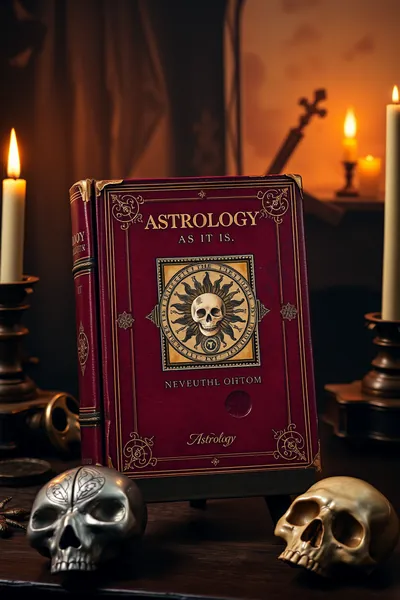
Astrology as it is, not as it has been represented, by a cavalry officer

Astrology as it is, not as it has been represented, by a cavalry officer

by Astrology

"Astrology as it is, not as it has been represented, by a cavalry officer" offers a practical and perhaps unconventional perspective on astrology. Its focus on the true essence of astrological influence can provide a complementary understanding of energetic patterns, which, like Acupuncture, deals with subtle forces impacting health and destiny.

CIA Reading Room cia-rdp75-00149r000700030027-6: SOME BALK PEACE UNIT

CIA Reading Room cia-rdp75-00149r000700030027-6: SOME BALK PEACE UNIT

by CIA Reading Room

This CIA Reading Room document, "CIA Reading Room cia-rdp75-00149r000700030027-6: SOME BALK PEACE UNIT," is a declassified intelligence report. While it does not directly discuss Acupuncture, its presence in an esoteric library hints at the historical interest in various forms of unconventional knowledge and foreign practices, which could include traditional medicine systems.

CIA Reading Room nsa-rdp96x00790r000100040008-6: SCIENCE AND PSYCHIC POWER

CIA Reading Room nsa-rdp96x00790r000100040008-6: SCIENCE AND PSYCHIC POWER

by CIA Reading Room

Another CIA Reading Room document, "CIA Reading Room nsa-rdp96x00790r000100040008-6: SCIENCE AND PSYCHIC POWER," explores the intersection of scientific inquiry and parapsychological phenomena. While not directly on Acupuncture, it reflects a broader government interest in subtle energies and human capabilities, which resonates with the energetic principles of Acupuncture.

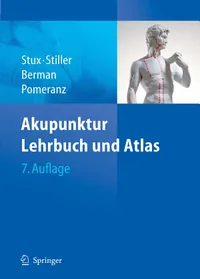
Akupunktur

Akupunktur

Gabriel Stux, Niklas Stiller, and Brian Berman's "Akupunktur" (Acupuncture) is a foundational text offering a comprehensive overview of Acupuncture principles and practices. This volume likely covers meridian theory, point locations, and common treatment protocols, serving as an essential reference for students and practitioners of Acupuncture.

Akupunktur

Akupunktur

Another edition or volume of "Akupunktur" by Gabriel Stux, Niklas Stiller, and Brian Berman, this book reinforces the fundamental knowledge of Acupuncture. It likely provides further detail or a different perspective on the clinical applications and theoretical underpinnings of Acupuncture, making it a valuable resource for deeper study.

Acupuncture

Acupuncture

Hai Hong's "Acupuncture" is a direct and accessible introduction to the practice of Acupuncture. This book likely covers the basics of Qi, meridians, and common Acupuncture points, serving as an excellent starting point for anyone interested in understanding this ancient healing art.

Human Technology

Human Technology

Ilchi Lee's "Human Technology" explores concepts of human potential, energy cultivation, and holistic well-being. While not exclusively about Acupuncture, its focus on energy systems and the mind-body connection aligns with the philosophical underpinnings of Acupuncture, offering a broader perspective on internal cultivation.

Zang Fu

Zang Fu

Jeremy Ross's "Zang Fu" provides an in-depth exploration of the Zang Fu organ theory, a cornerstone of traditional Chinese medicine and Acupuncture. This comprehensive text details the physiological, pathological, and emotional functions of the internal organs according to TCM, crucial for accurate diagnosis and treatment planning in Acupuncture.

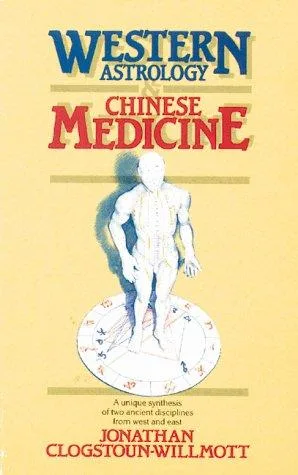
Western astrology & Chinese medicine

Western astrology & Chinese medicine

by Jonathan Clogstoun-Willmott

Jonathan Clogstoun-Willmott's "Western astrology & Chinese medicine" meticulously maps astrological configurations to the meridian system and five element theory of Chinese medicine. This book details how specific planetary positions can indicate energetic strengths and weaknesses, offering a unique diagnostic layer for practitioners of Acupuncture.

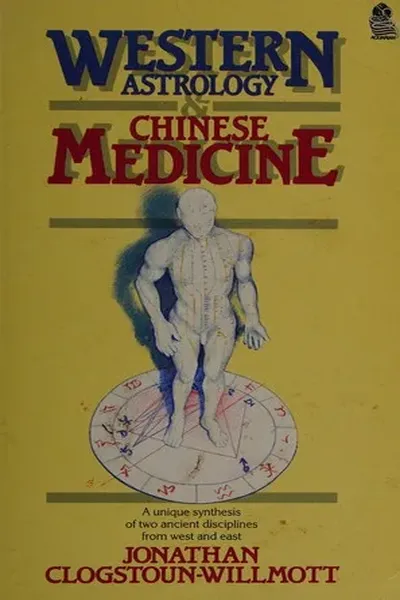
Western Astrology and Chinese Me

Western Astrology and Chinese Me

by Jonathan Willmott

Jonathan Willmott presents an integrative perspective in "Western Astrology and Chinese Me," exploring the fascinating correlations between planetary influences and the energetic systems of traditional Chinese medicine. This book offers insights into how astrological charts can reveal constitutional predispositions and energetic patterns, complementing the diagnostic framework used in Acupuncture.

YNSA

YNSA

Katsutoshi Yamamoto and Helen Yamamoto's "YNSA" is a definitive guide to Yamamoto New Scalp Acupuncture, a modern and highly effective micro-Acupuncture system. This book details specific diagnostic zones and treatment points on the scalp for various conditions, offering a specialized approach to Acupuncture.

Five Spirits

Five Spirits

Lorie Eve Dechar and Lorie Dechar's "Five Spirits" explores the spiritual and psychological dimensions within traditional Chinese medicine and Acupuncture. This book delves into the concept of the 'Five Spirits' (Shen, Hun, Po, Yi, Zhi) associated with the Zang Fu organs, offering insights into emotional and spiritual healing through Acupuncture.

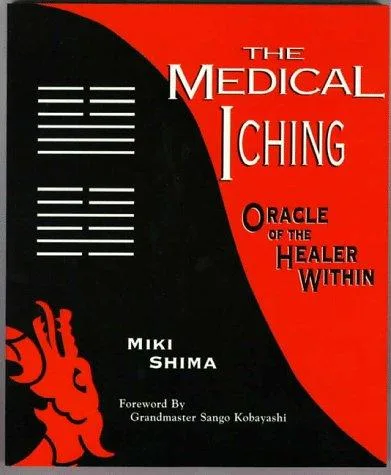
The medical I ching

The medical I ching

by Miki Shima

In "The medical I ching," Miki Shima presents a unique system for applying the ancient divination text, the I Ching, to medical diagnosis and treatment. This volume offers specific hexagram interpretations relevant to various health conditions, providing practitioners of Acupuncture with an esoteric tool for understanding energetic imbalances and guiding therapeutic strategies.

Lịch và lịch thời sinh y học vạn năm

Lịch và lịch thời sinh y học vạn năm

by Nguyẽ̂n, Văn Thang.

Nguyẽ̂n, Văn Thang.'s "Lịch và lịch thời sinh y học vạn năm" (Calendar and Chronobiology in Medicine for Ten Thousand Years) explores the deep connections between cosmic cycles, biological rhythms, and health. This work offers insights into chronobiology within traditional medical contexts, providing a framework for understanding how timing influences the effectiveness of Acupuncture treatments.

Zhongguo ke ji shi de xin shi ye

Zhongguo ke ji shi de xin shi ye

by Pei-kai Cheng

Pei-kai Cheng's "Zhongguo ke ji shi de xin shi ye" (New Perspectives on the History of Chinese Science and Technology) provides a scholarly examination of the development of scientific thought in China. This work includes historical context for traditional Chinese medical practices, helping to trace the origins and evolution of Acupuncture within a broader scientific and philosophical landscape.

I Ching Acupuncture Tidal Balance System

I Ching Acupuncture Tidal Balance System

by Robert Kienitz

Robert Kienitz's "I Ching Acupuncture Tidal Balance System" introduces an advanced method of Acupuncture therapy based on the cyclical flow of Qi as described by the I Ching. This book provides detailed protocols for selecting Acupuncture points according to time and cosmic influences, optimizing treatment efficacy.

Renal Function in Mice After Long-term Intake of Ganoderma lucidum (Leyss:Fr) Karst Mycelium Produced by Solid-State Cultivation

Renal Function in Mice After Long-term Intake of Ganoderma lucidum (Leyss:Fr) Karst Mycelium Produced by Solid-State Cultivation

by Rosália Rubel,Herta Stutz Dalla Santa,Ana Lúcia Tararthuch,Leifa Fan,Hermênio Cavalcante Lima Filho,Bonald Cavalcante Figueiredo

This scientific paper, "Renal Function in Mice After Long-term Intake of Ganoderma lucidum (Leyss:Fr) Karst Mycelium Produced by Solid-State Cul," investigates the physiological effects of Ganoderma lucidum. While not about Acupuncture, it exemplifies rigorous scientific study into traditional herbal remedies, often used in conjunction with Acupuncture in TCM.

Studies in Judaism

Studies in Judaism

by Solomon Schechter

This work by Solomon Schechter, while primarily focused on Jewish studies, occasionally touches upon ancient medical practices and philosophical traditions that can offer comparative insights into the historical context of healing arts, including those that predate or run parallel to Acupuncture. It provides a scholarly examination of historical texts, offering a broader understanding of how different cultures approached health and spirituality.

The tao of medicine

The tao of medicine

by Stephen Fulder

Authored by Stephen Fulder, "The tao of medicine" explores the philosophical foundations of health and healing through the lens of Taoist principles. This book connects the esoteric wisdom of the Tao to practical medical applications, providing a deep understanding of the energetic balance and natural rhythms that are central to Acupuncture and traditional Chinese medicine.

50 Fälle Akupunktur

50 Fälle Akupunktur

Thomas Ots's "50 Fälle Akupunktur" (50 Cases of Acupuncture) presents a collection of clinical case studies demonstrating the application of Acupuncture in various conditions. This book offers practical insights into diagnostic reasoning and treatment strategies, providing real-world examples for Acupuncture practitioners.

Shonishin

Shonishin

Thomas Wernicke's "Shonishin" focuses on a specialized form of Japanese pediatric Acupuncture. This book describes non-insertive techniques using various tools to gently stimulate Acupuncture points in children, making it a unique and gentle approach within the broader field of Acupuncture.

The Soul of I-Ching in poetry

The Soul of I-Ching in poetry

by Wu, Mu Zu

Wu, Mu Zu's "The Soul of I-Ching in poetry" offers a poetic and philosophical interpretation of the I Ching, emphasizing its spiritual and emotional dimensions. While not directly about Acupuncture, its exploration of the subtle energies and symbolic meanings within the I Ching provides a rich contextual background for understanding the energetic principles that underpin Acupuncture practice.

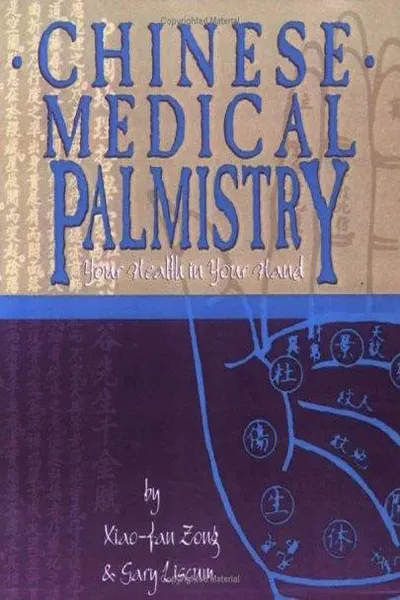
Chinese medical palmistry

Chinese medical palmistry

by Xiao-fan Zong

Authored by Xiao-fan Zong, "Chinese medical palmistry" delves into the traditional art of diagnosing health conditions through the examination of the hands. This book details specific lines, mounts, and markings on the palm and fingers that correlate with organ health and energetic imbalances, offering a complementary diagnostic method for Acupuncture practitioners.

I Ching Acupuncture - the Balance Method

I Ching Acupuncture - the Balance Method

by david Twicken

david Twicken's "I Ching Acupuncture - the Balance Method" is a practical guide to a highly effective Acupuncture technique. This book details specific point combinations and treatment strategies derived from the I Ching's hexagrams, focusing on balancing energetic channels to achieve rapid and profound therapeutic results in Acupuncture.

Esoteric Library
Browse Esoteric Library
📚 All 55,000+ Books 🜍 Alchemy & Hermeticism 🔮 Magic & Ritual 🌙 Witchcraft & Paganism Astrology & Cosmology 🃏 Divination & Tarot 📜 Occult Philosophy ✡️ Kabbalah & Jewish Mysticism 🕉️ Mysticism & Contemplation 🕊️ Theosophy & Anthroposophy 🏛️ Freemasonry & Secret Societies 👻 Spiritualism & Afterlife 📖 Sacred Texts & Gnosticism 👁️ Supernatural & Occult Fiction 🧘 Spiritual Development 📚 Esoteric History & Biography
Esoteric Library
📑 Collections 📤 Upload Your Book
Account
🔑 Sign In Create Account
Info
About Esoteric Library