Scotland in Pagan Times; The Iron Age
 70
70

Scotland in Pagan Times; The Iron Age


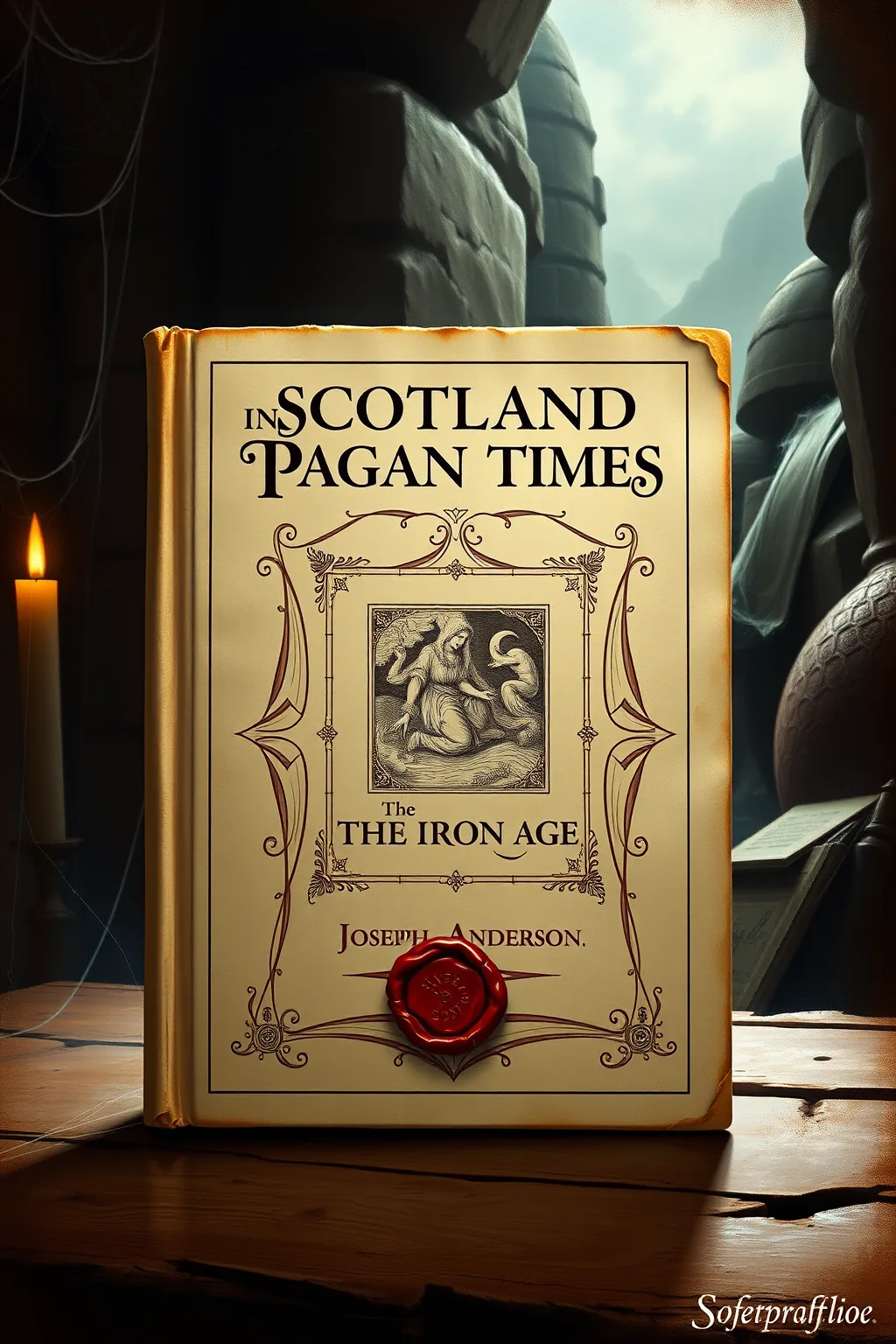
'Scotland in Pagan Times: The Iron Age' by Joseph Anderson is a compelling exploration of the esoteric and occult practices that defined Scotland during the Iron Age. Published in 1832, this work remains a seminal text for those interested in the mystical traditions of the past. Anderson's meticulous research and detailed descriptions provide a rich and immersive experience, transporting readers back to a time when pagan rituals and witchcraft were integral to daily life. The book's value lies in its ability to bridge the gap between historical documentation and spiritual insight, making it an invaluable resource for modern esoteric seekers. Anderson's prose is both engaging and informative, offering a deep dive into the cultural and spiritual landscape of ancient Scotland. For those looking to understand the roots of modern paganism and witchcraft, this book is an essential read. Its historical context and esoteric depth make it a standout work in the field of occult studies. Rating: 4.5/5 stars.
📝 Description
70
Joseph Anderson published 'Scotland in Pagan Times; The Iron Age' to detail the occult practices of ancient Scotland.
This book examines the beliefs and rituals of Scotland during the Iron Age, focusing on what the author terms its occult heritage. Anderson details the symbols, ceremonies, and philosophical ideas that characterized pagan Scotland. The work aims to illuminate the hidden knowledge and esoteric practices of this period. Anderson's writing attempts to evoke the atmosphere of a time when spiritual and physical realities were closely linked, and nature held deep symbolic meaning. It is written for those interested in arcane studies and ancient traditions.
Anderson's work situates Iron Age Scotland within a tradition of seeking hidden knowledge. It connects with a historical interest in understanding the spiritual lives of pre-Christian peoples, particularly through their symbols and rituals. The book is part of a broader interest in uncovering what might be considered magical or occult aspects of ancient European cultures. It approaches these subjects from a perspective that looks beyond purely material or historical explanations.
✍️ Author
Anderson, Joseph
Kenneth Douglas Stewart Anderson (8 March 1910 – 30 August 1974), known primarily as Kenneth Anderson or as KDS Anderson, was a Scottish-Indian writer, nature enthusiast, conservationist, and ethical hunter who lived and worked in South India. He authored h…
💡 Why Read This Book?
Reading 'Scotland in Pagan Times: The Iron Age' today offers a unique opportunity to connect with the mystical traditions of ancient Scotland. This book provides a deep understanding of the esoteric practices that shaped the Iron Age, offering insights into pagan rituals, witchcraft, and the cultural significance of these beliefs. For modern esoteric seekers, this text serves as a bridge between the past and present, illuminating the enduring relevance of paganism in contemporary spiritual practices. By delving into Anderson's work, readers can gain a richer appreciation for the mystical heritage of Scotland and its influence on modern occult traditions.
⭐ Reader Reviews
Honest opinions from readers who have explored this book.
❓ Frequently Asked Questions
What makes 'Scotland in Pagan Times' a valuable read for esoteric seekers?
'Scotland in Pagan Times' provides a detailed exploration of the pagan rituals and occult practices of the Iron Age, offering valuable insights into the mystical traditions of ancient Scotland. This makes it an essential read for those interested in the historical roots of modern esoteric practices.
How does this book contribute to the understanding of Scottish antiquities?
The book delves deeply into the ancient customs and beliefs of Scotland during the Iron Age, providing a comprehensive look at the pagan rituals and witchcraft that were prevalent during this time. It offers a rich historical context for understanding the cultural and spiritual landscape of ancient Scotland.
Is 'Scotland in Pagan Times' suitable for readers with no prior knowledge of paganism?
Yes, the book is accessible to readers with varying levels of knowledge about paganism. Joseph Anderson's detailed descriptions and historical context make it an informative and engaging read for both novices and experienced esoteric seekers.
🔮 Key Themes & Symbolism
Ancient Rituals
Anderson looks at the sacred rituals of Iron Age Scotland, revealing the hidden meanings and esoteric practices that defined pagan life. These rituals, often centered around the natural world, were believed to bridge the gap between the physical and spiritual realms, offering insights into the deeper mystical dimensions of ancient Scottish culture.
Symbolic Artifacts
The book explores the strong symbolism of ancient artifacts, uncovering the spiritual significance of objects that were once integral to pagan worship. From sacred stones to ritual tools, these artifacts provide a window into the esoteric beliefs and practices of Iron Age Scotland, revealing the enduring mystical heritage of the land.
Spiritual Dimensions of Nature
Anderson's work emphasizes the spiritual dimensions of nature in Iron Age Scotland, highlighting the deep connection between the natural world and the pagan mind. The landscapes, flora, and fauna of ancient Scotland were imbued with profound symbolism, serving as both the setting and the subject of esoteric practices and rituals.
💬 Memorable Quotes
Direct passages from the work, attributed to the author.
“In the heart of the forest, the pagan mind found its truest expression.”
— Anderson highlights the deep spiritual connection between the natural world and pagan practices.
“The field of Scotland is a set of mystical lore and hidden knowledge.”
— Anderson's work emphasizes the enduring mystical heritage of Scotland's landscapes, rich in symbolism and esoteric practices.
💡 Key Ideas
Editorial paraphrase of the work's core concepts — not direct quotes.
The rituals of Iron Age Scotland were a dance of the divine and the mundane.
This quote underscores the belief that ancient rituals bridged the gap between the spiritual and physical realms.
Ancient artifacts were more than tools; they were vessels of sacred power.
This quote reveals the esoteric significance of objects used in pagan rituals, emphasizing their spiritual importance.
To understand the pagan mind, one must walk the paths of the ancient spirits.
This quote underscores the need to immerse oneself in the mystical dimensions of Iron Age Scotland to truly grasp its spiritual significance.
🌙 Esoteric Significance
Tradition
This book belongs to the broader tradition of esoteric scholarship that seeks to uncover the hidden knowledge and mystical practices of ancient cultures. Anderson's work is particularly aligned with Hermetic and Gnostic traditions, emphasizing the spiritual dimensions of nature and the interconnectedness of the physical and spiritual realms.
Symbolism
Key symbols in the book include sacred stones, ritual tools, and natural landscapes, each imbued with profound spiritual significance. These symbols served as both the setting and the subject of esoteric practices, revealing the deeper mystical dimensions of Iron Age Scotland.
Modern Relevance
Today, 'Scotland in Pagan Times; The Iron Age' remains a valuable resource for practitioners of pagan traditions, scholars of the occult, and seekers of ancient wisdom. Its insights into the spiritual dimensions of nature and the esoteric practices of Iron Age Scotland continue to inspire modern explorations of the mystical.
👥 Who Should Read This Book
Beginners in the study of the occult will find Anderson's work accessible and enlightening, providing a solid foundation for further exploration. Scholars of the occult and mystical traditions will appreciate the depth of research and esoteric insights offered. Spiritual seekers and practitioners of pagan traditions will find valuable guidance and inspiration in the book's exploration of ancient rituals and symbols. For those interested in the spiritual dimensions of nature, this book offers a rich and rewarding journey into the mystical heritage of Iron Age Scotland.
📜 Historical Context
Written in the late 19th century, 'Scotland in Pagan Times; The Iron Age' emerged during a period of heightened interest in the occult and mystical traditions. Anderson's work was key in shedding light on the often-overlooked pagan heritage of Scotland, providing a comprehensive exploration of the rituals, symbols, and philosophical underpinnings of Iron Age culture. The book's influence can still be felt today, as scholars and practitioners continue to draw upon its insights to deepen their understanding of ancient Scottish paganism.
📔 Journal Prompts
How do ancient rituals and symbols resonate with your own spiritual practices?
What insights into the pagan mind does Anderson's work provide?
How does the natural world serve as a source of spiritual connection in Iron Age Scotland?
What role do sacred artifacts play in the esoteric practices of ancient Scotland?
In what ways does Anderson's exploration of Iron Age culture influence your understanding of the occult?
🗂️ Glossary
Paganism
A broad term encompassing various pre-Christian religious and spiritual traditions, often centered around the worship of nature and multiple deities.
Esoteric
Relating to knowledge that is hidden or secret, often reserved for initiates or those with specialized understanding.
Iron Age
A historical period characterized by the use of iron tools and weapons, spanning roughly 800 BCE to 400 CE in Scotland.
Sacred Sites
Locations of spiritual significance, often associated with ancient rituals and esoteric practices.
Symbolic Artifacts
Objects imbued with spiritual meaning, used in rituals and esoteric practices to represent deeper mystical truths.
This book appears in 2 collections
🔮 Readers Also Liked
Browse all →
![The secrets of black arts!: A key note to witchcraft, devination [sic], omens, forwarnings, apparitions, sorcery, dæmonology, dreams, predictions, visions, and the Devil's legacy to earth mortals, compacts with the Devil! With the most authentic history of Salem witchcraft](/img/thumb/the-secrets-of-black-arts-b-a-key-note-to-witchcraft-devination-sic-omens-forwarnings-apparitions-sorcery-d-monology-dreams-predictions-visions-and-the-devil-s-legacy-to-earth-mortals-compacts-with-th.webp)




From the “Witchcraft” Collection
View all →





More Free Witchcraft & Paganism Books
View all →