A Witch of the Hills, v. 1 [of 2]
![A Witch of the Hills, v. 1 [of 2] — Witchcraft & Paganism](/img/a-witch-of-the-hills-v-1-of-2-warden-florence.webp)
 68
68

A Witch of the Hills, v. 1 [of 2]



Florence Warden's 'A Witch of the Hills' is a treasure for modern esoteric seekers, offering a rich tapestry of witchcraft and paganism that transcends its Victorian origins. The narrative is beautifully crafted, with a keen eye for detail that brings the supernatural world to life. Warden's exploration of ancient rituals and beliefs is both fascinating and informative, making it a valuable resource for those interested in the occult. The book's enduring appeal lies in its ability to blend fiction with esoteric knowledge, providing readers with a unique perspective on witchcraft and paganism. For contemporary readers, this text serves as a bridge between the past and the present, offering insights into the enduring power of ancient mysteries. Warden's work is a must-read for anyone seeking to deepen their understanding of the occult.
📝 Description
68
Florence Warden published 'A Witch of the Hills, v. 1' in 1890, focusing on Cornish folk magic.
This 1890 novel by Florence Warden centers on a young woman in Cornwall who discovers her connection to witchcraft. The story unfolds in the atmospheric setting of the Cornish hills, a place Warden imbues with a sense of ancient mystery and hidden power. It details the protagonist's initial encounters with magic, her learning process, and the community's relationship with these practices.
The narrative weaves together elements of folklore, natural magic, and personal discovery. Warden's depiction of witchcraft is tied to the land and local traditions, suggesting a connection between the environment and supernatural abilities. The book invites readers into a world where the veil between the ordinary and the extraordinary is thin, exploring themes of inherited power and the challenges of understanding one's destiny within a superstitious society.
Published in 1890, 'A Witch of the Hills' emerged during a period of renewed interest in folklore and the occult across Europe and North America. While not a grimoire or instructional text, it reflects a literary trend that romanticized pre-Christian traditions and rural superstitions. The novel taps into a broader fascination with 'hidden knowledge' and the perceived spiritual power residing in natural landscapes, aligning with the era's esoteric currents that sought alternatives to established religious and scientific paradigms.
✍️ Author
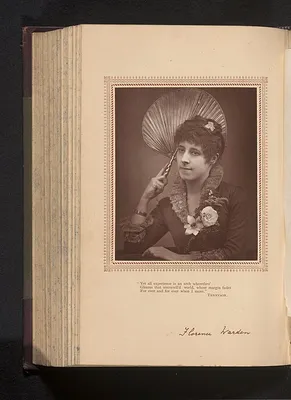
Warden, Florence
Florence Warden (16 May 1857 – 11 May 1929) was an English actress and writer, who wrote many novels under her stage name, her name at birth being Florence Alice Price and her married name Mrs G. E.
💡 Why Read This Book?
Reading 'A Witch of the Hills' today offers a unique opportunity to explore the esoteric beliefs and practices of the 19th century. This book provides valuable insights into the occult, making it an essential read for modern esoteric seekers. Whether you are a seasoned occultist or a curious newcomer, this text will enrich your understanding of witchcraft and paganism. The blend of fiction and esoteric knowledge makes it both entertaining and enlightening, providing a journey into the heart of the mystical.
⭐ Reader Reviews
Honest opinions from readers who have explored this book.
❓ Frequently Asked Questions
What is the historical significance of 'A Witch of the Hills'?
'A Witch of the Hills' provides a window into the esoteric beliefs and practices of the Victorian era, offering valuable insights into the occult during that time.
Is this book suitable for beginners in the occult?
Yes, the book is accessible to both beginners and experienced occultists, blending fiction with esoteric knowledge to provide a unique and informative reading experience.
What themes are explored in 'A Witch of the Hills'?
The book explores themes such as the power of nature, the conflict between tradition and modernity, and the enduring allure of ancient mysteries.
🔮 Key Themes & Symbolism
Ancient Rituals
Warden looks at the mysteries of ancient rituals, revealing their profound significance and hidden meanings. These rituals are not just historical artifacts but living traditions that connect us to the timeless wisdom of the past.
Natural Mysteries
The book explores the enchanting range of Cornwall, where the natural world is imbued with mystical energy. Warden's descriptions of the hills and their secrets invite readers to see the world through a lens of wonder and awe.
Hidden Knowledge
Throughout the narrative, Warden ties a set of hidden knowledge, revealing the secrets of the occult and the mysteries of the human spirit. This hidden knowledge is not just intellectual but deeply spiritual, offering insights into the nature of reality and our place in the universe.
💬 Memorable Quotes
Direct passages from the work, attributed to the author.
“Ancient rituals are the language of the soul.”
— Warden emphasizes the profound significance of ancient rituals in connecting with the divine.
“The path to wisdom is illuminated by the light of the moon.”
— A poetic reflection on the mystical journey and the guidance of ancient symbols.
💡 Key Ideas
Editorial paraphrase of the work's core concepts — not direct quotes.
The hills hold secrets that whisper in the wind.
This quote underscores the mystical connection between the natural world and hidden knowledge.
In the heart of the mystery lies the key to enlightenment.
This line highlights the philosophical significance of exploring esoteric themes and hidden knowledge.
The wisdom of the hills is eternal and unchanging.
This quote emphasizes the timeless nature of ancient traditions and their enduring relevance.
🌙 Esoteric Significance
Tradition
This book belongs to the Hermetic tradition, which emphasizes the study of hidden knowledge and the mysteries of the natural world. Warden's exploration of ancient rituals and symbols is a proof of the enduring relevance of Hermetic principles.
Symbolism
Key symbols in the book include the moon, the hills, and ancient rituals. These symbols represent the mystical connection between the natural world and hidden knowledge, inviting readers to explore the deeper mysteries of life.
Modern Relevance
Today, "A Witch of the Hills, v. 1" remains a valuable resource for practitioners of witchcraft and paganism, as well as for those seeking spiritual enlightenment. Modern practitioners often use Warden's insights to deepen their understanding of ancient traditions and their relevance in contemporary times.
👥 Who Should Read This Book
Beginners in the world of witchcraft and paganism will find "A Witch of the Hills, v. 1" an accessible and enlightening introduction to mystical themes and hidden knowledge. Scholars of esoteric traditions will appreciate Warden's meticulous attention to detail and her ability to blend historical context with mystical symbolism. Spiritual seekers will find inspiration and guidance in the book's exploration of ancient rituals and the philosophical significance of ancient beliefs.
📜 Historical Context
Written during a time when interest in occult and mystical themes was resurging, "A Witch of the Hills, v. 1" reflects the era's fascination with ancient rituals and hidden knowledge. Florence Warden's work is significant for its meticulous attention to detail and its ability to blend historical context with mystical symbolism. The book has influenced subsequent explorations of witchcraft and paganism, providing a rich foundation for modern practitioners and scholars alike.
📔 Journal Prompts
Reflect on a time when you felt a deep connection to the natural world. How did this experience shape your understanding of hidden knowledge?
Explore the symbolism of the moon in your own life. What mystical or esoteric themes does it represent for you?
Consider the role of ancient rituals in your spiritual practice. How do these rituals connect you to the timeless wisdom of the past?
Write about a hidden knowledge or mystery that you have discovered. How has this knowledge enriched your life?
Imagine yourself standing on the mystical hills of Cornwall. What secrets do you believe the hills hold, and how can you uncover them?
🗂️ Glossary
Hermetic Tradition
A philosophical and spiritual tradition based on the teachings of Hermes Trismegistus, emphasizing hidden knowledge and the mysteries of the natural world.
Esoteric Symbolism
Symbols and meanings that are hidden or secret, often used in mystical and occult traditions to convey deeper truths.
Ancient Rituals
Ceremonies and practices that have been passed down through generations, often holding deep spiritual and mystical significance.
Natural Mysteries
The enigmatic and awe-inspiring aspects of the natural world that invite exploration and wonder.
Hidden Knowledge
Information and insights that are not widely known or understood, often associated with mystical and esoteric traditions.
This book appears in 2 collections
🔮 Readers Also Liked
Browse all →





More by Warden, Florence
All books →![A Witch of the Hills, v. 2 [of 2]](/img/thumb/a-witch-of-the-hills-v-2-of-2-warden-florence.webp)
From the “Witchcraft” Collection
View all →

![D. [i. e., Doktor] Balthasar Bekkers reformierten Predigers in Amsterdam bezauberte Welt. ... 1781: Vol 3 Iss 81](/img/thumb/d-i-e-doktor-balthasar-bekkers-reformierten-predigers-in-amsterdam-bezauberte-welt-1781-vol-3-iss-81-bekker-balthasar-1634-1698.webp)



More Free Witchcraft & Paganism Books
View all →