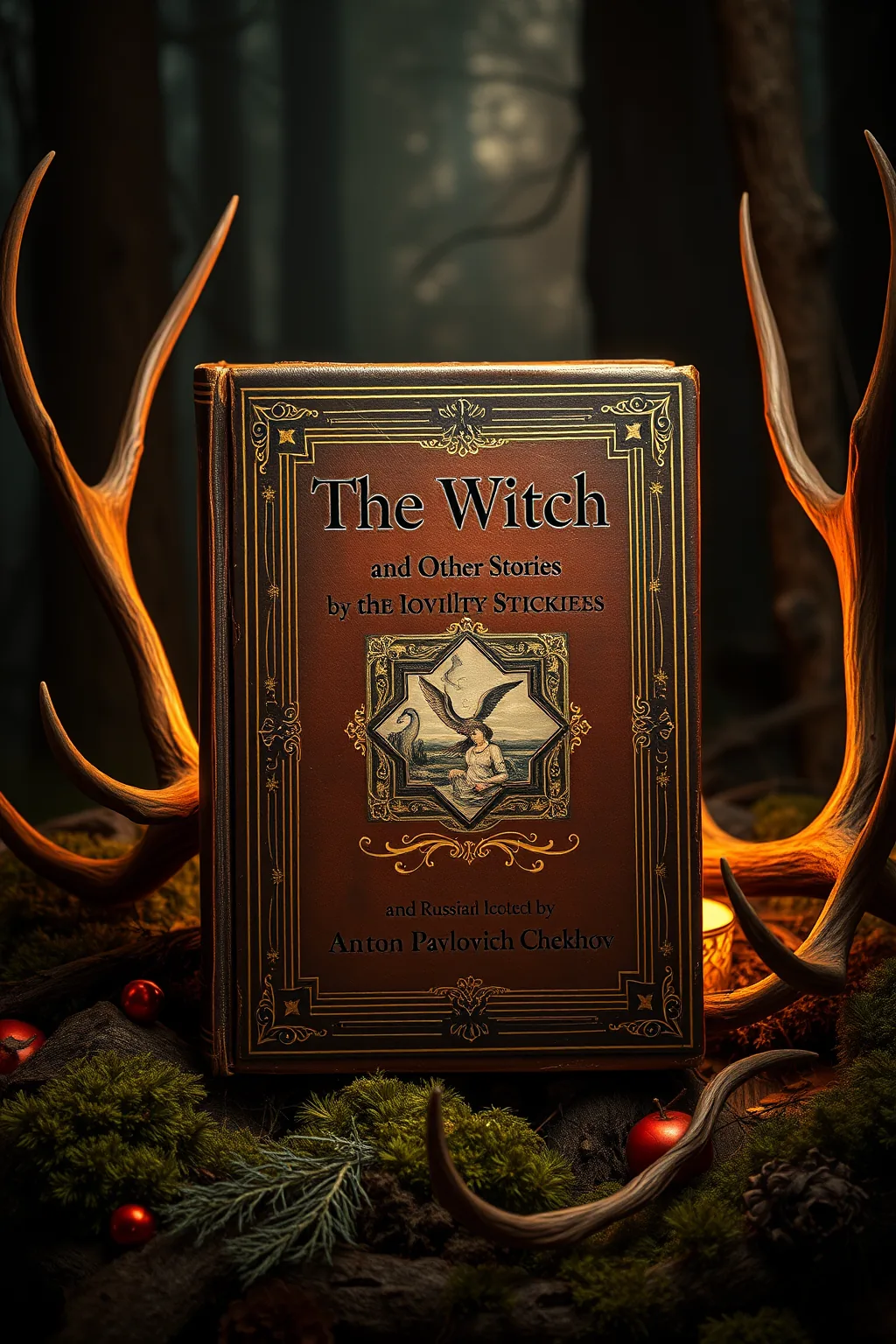
The Witch, and Other Stories
 82
82

The Witch, and Other Stories



Anton Pavlovich Chekhov's 'The Witch, and Other Stories' is a treasure trove for modern esoteric seekers. Chekhov's ability to weave intricate narratives around supernatural themes makes this collection a must-read. Each story is a microcosm of human experience, where the boundaries between the natural and the supernatural blur. For those interested in the occult, these tales offer a deep dive into the folkloric beliefs of rural Russia, providing a historical context that enriches the understanding of modern witchcraft and paganism. The stories are not just entertaining; they are a study in human psychology, revealing how superstition and belief shape our perceptions. The value of this text lies in its timeless exploration of the esoteric, making it a relevant read for anyone curious about the mystical.
📝 Description
82
Chekhov's 1886 collection, 'The Witch, and Other Stories,' examines Russian folk beliefs and rural superstitions.
This collection gathers several of Anton Chekhov's early short stories, focusing on themes that touch upon the supernatural and the uncanny within the context of late 19th-century Russian village life. The narratives often present ordinary characters grappling with unexplained phenomena, local superstitions, and a sense of unease that permeates their existence. Chekhov does not offer grand pronouncements on the occult but rather depicts how belief in the mystical shapes the lives and perceptions of his subjects.
The stories frequently juxtapose the mundane routines of rural existence with moments of strange occurrence or deeply held folk traditions. The titular story, 'The Witch,' for instance, deals with accusations and fear surrounding a woman accused of witchcraft. Other tales touch upon omens, dreams, and the psychological impact of living in a world where the boundaries of the rational are permeable. Chekhov's approach is observational, allowing the atmosphere of superstition and the characters' reactions to speak for themselves.
These stories emerge from a period where traditional folk beliefs remained strong in rural Russia, often existing alongside or in tension with Orthodox Christianity. Chekhov captures this cultural milieu, where notions of witchcraft, omens, and the supernatural were woven into the fabric of daily life and community dynamics. The collection reflects an interest in the psychological and social dimensions of superstition, showing how these beliefs affected individuals and their interactions, rather than endorsing any specific occult practice. It situates itself within a literary tradition of depicting Russian provincial life with its unique blend of the rational and the irrational.
✍️ Author
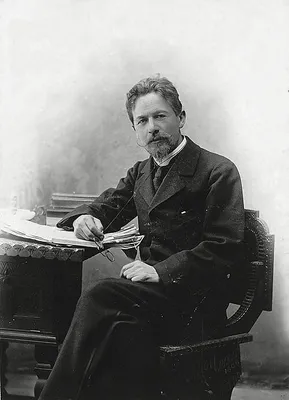
Anton Pavlovich Chekhov
Anton Pavlovich Chekhov (; Russian: Антон Павлович Чехов; 29 January [O.S. 17 January] 1860 – 15 July [O.S.
💡 Why Read This Book?
Reading 'The Witch, and Other Stories' today offers a unique perspective on the occult and esoteric themes that have fascinated humans for centuries. Chekhov's stories provide a historical lens through which to view modern beliefs in witchcraft and paganism. Readers will gain a deeper understanding of how folklore and superstition have shaped human culture and continue to influence contemporary esoteric practices. This book is a valuable resource for both literary enthusiasts and those seeking to explore the mystical side of human experience.
⭐ Reader Reviews
Honest opinions from readers who have explored this book.
❓ Frequently Asked Questions
Is 'The Witch, and Other Stories' suitable for beginners in esoteric studies?
Yes, this collection is accessible to beginners and provides a rich historical context for understanding modern occult beliefs.
Are the stories in this collection interconnected?
While each story stands alone, they share common themes of supernatural beliefs and human psychology, creating a cohesive exploration of the esoteric.
Can I download 'The Witch, and Other Stories' for free?
Yes, the book is available for free download in various formats from Esoteric Library.
🔮 Key Themes & Symbolism
The Power of Folklore
Chekhov's stories are steeped in Russian folklore, exploring the deep-rooted beliefs and superstitions that shape rural life. The tales reveal how folklore serves as a repository of hidden knowledge, passed down through generations, and how it influences the characters' actions and perceptions.
Struggle Between Tradition and Modernity
The book explores the conflict between traditional ways of life and the encroaching modern world. This theme is particularly relevant in the context of the occult, where ancient practices and beliefs are often at odds with contemporary society.
Exploration of Hidden Knowledge
Chekhov's narrative often hints at a deeper, esoteric layer of reality. The stories invite readers to look beyond the surface and explore the hidden knowledge that lies beneath, making it a rich resource for seekers of the mystical.
💬 Memorable Quotes
Direct passages from the work, attributed to the author.
“He felt a strange, inexplicable fear.”
— Chekhov often uses fear to explore the unknown and the supernatural.
“The forest was full of whispers and secrets.”
— Nature serves as a symbol of hidden knowledge and the occult in Chekhov's stories.
“The village was shrouded in mystery and superstition.”
— The atmosphere of the village reflects the esoteric themes prevalent in the book.
💡 Key Ideas
Editorial paraphrase of the work's core concepts — not direct quotes.
The old woman was a witch, and she knew a lot of spells.
This quote underscores the power of folklore and hidden knowledge in rural Russia.
She muttered incantations under her breath.
This line highlights the use of ritual and magic in the stories.
🌙 Esoteric Significance
Tradition
This book belongs to the Hermetic and Gnostic traditions, exploring themes of hidden knowledge, the struggle between light and darkness, and the power of folklore. Chekhov's stories often hint at a deeper, esoteric layer of reality, inviting readers to examine the mystical and the occult.
Symbolism
Key symbols include the forest, which represents hidden knowledge and the supernatural; the old woman, a symbol of ancient wisdom and magic; and the whispers and secrets that permeate the stories, symbolizing the esoteric insights that lie beneath the surface.
Modern Relevance
This collection remains relevant today, inspiring modern practitioners of the occult and writers of esoteric literature. Its exploration of hidden knowledge and the supernatural continues to resonate with seekers of the mystical.
👥 Who Should Read This Book
Beginners in the occult will find 'The Witch, and Other Stories' an accessible introduction to esoteric themes. Scholars of Russian literature will appreciate Chekhov's masterful prose and the historical context of the stories. Spiritual seekers will be drawn to the book's exploration of hidden knowledge and the supernatural. Practitioners of the mystical arts will find valuable insights and symbols that can be integrated into their practices.
📜 Historical Context
Published in the late 19th century, 'The Witch, and Other Stories' reflects the social and cultural field of rural Russia during a time of significant change. Chekhov's work captures the tension between traditional ways of life and the encroaching modern world, a theme that resonates deeply with the occult and mystical traditions. The stories draw on the rich folklore and superstitions of the era, providing a window into the hidden knowledge and beliefs of the time. Chekhov's influence on Russian literature and the occult is profound, inspiring generations of writers and practitioners.
📔 Journal Prompts
How do the stories in 'The Witch, and Other Stories' reflect the struggle between tradition and modernity?
What role does folklore play in the esoteric themes of the book?
How does Chekhov use symbolism to explore hidden knowledge?
In what ways do the characters' actions and perceptions reveal the influence of the occult?
How does the atmosphere of the village contribute to the book's mystical themes?
🗂️ Glossary
Folklore
The traditional beliefs, myths, and stories passed down through generations, often containing hidden knowledge and esoteric insights.
Superstition
Beliefs or practices that are based on fear of the unknown or the supernatural, often influencing characters' actions in the stories.
Esoteric
Relating to knowledge that is intended for a small group of people with special knowledge or interests, often involving the occult or mystical.
Hidden Knowledge
Information or wisdom that is not widely known or understood, often explored through symbolism and folklore in the book.
Occult
Relating to mysterious, supernatural, or secret practices and beliefs, often involving magic or the supernatural.
This book appears in 2 collections
🔮 Readers Also Liked
Browse all →



From the “Witchcraft” Collection
View all →






More Free Witchcraft & Paganism Books
View all →