Heir of Fire
 73
73

Heir of Fire
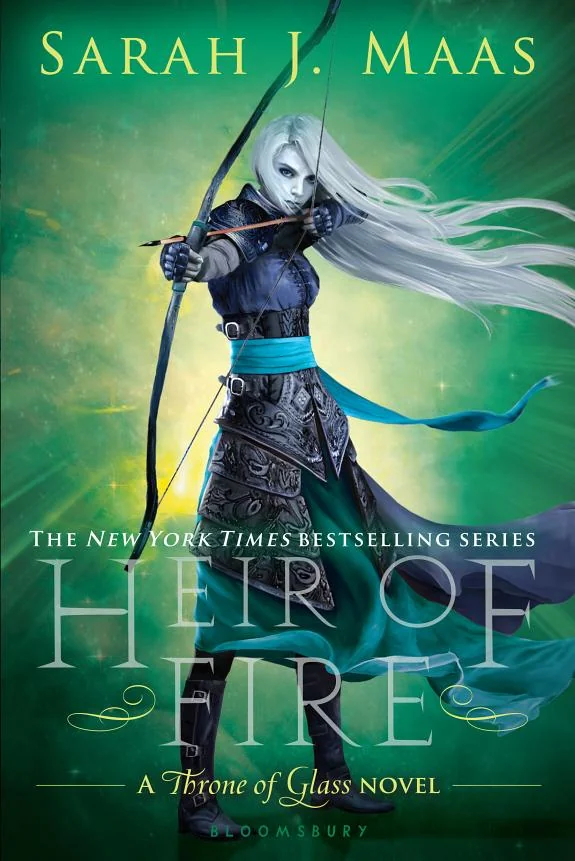
The decision to pivot *Heir of Fire* towards Celaena's internal Fae awakening, away from the immediate political machinations of its predecessor, marks a bold, albeit divisive, narrative choice. Maas excels at depicting the raw, often brutal, consequences of Celaena's past trauma and the terrifying emergence of her powers. The introduction of Rowan Whitethorn, a character whose presence injects a much-needed intensity and complexity into Celaena's development, is a significant strength. However, the pacing occasionally falters under the weight of extensive world-building and the introduction of numerous new plot threads, which can feel somewhat overwhelming. A particularly striking moment is Celaena's confrontation with her own destructive impulses in the Glass Castle, illustrating her internal war. Despite its structural challenges, *Heir of Fire* ultimately succeeds by deepening the central conflict and setting a powerful stage for the series' conclusion.
📝 Description
73
Published in 2015, Heir of Fire moves beyond a competition plot to focus on Celaena's internal struggles and magic.
Heir of Fire, the third book in Sarah J. Maas's Throne of Glass series, shifts focus from its predecessor's deadly competition. The narrative expands to Erilea's continent, introducing new characters and political complexities. Celaena Sardothien grapples with her past traumas and the emergence of her suppressed magical abilities. This installment deepens her character development as she confronts her Fae heritage and the expectations placed upon her.
The story introduces the Wyrdkeys and ancient magic, signaling a larger conflict against dark forces. Maas builds upon the established world with detailed lore, warring kingdoms, and prophecies. The focus is on Celaena's personal journey of self-discovery and her reluctant acceptance of her true power. This book sets the stage for the escalating war and Celaena's role within it.
Released in 2015, Heir of Fire fits within the contemporary young adult fantasy trend of protagonists confronting inherited magical legacies and personal demons. The introduction of the Wyrdkeys and ancient magic aligns with fantasy's long-standing engagement with cosmic struggles and hidden powers. Celaena's journey of embracing her Fae blood and volatile magic mirrors archetypal narratives of the reluctant hero discovering their true, often dangerous, potential. The book taps into a reader interest in detailed lore that hints at grand, world-altering magical systems.
💡 Why Read This Book?
• Gain insight into the complex interplay of trauma and destiny through Celaena's struggle with her Fae bloodline, a core element of the 2015 publication. • Understand the esoteric significance of the Wyrdkeys and their connection to ancient, world-altering magic, a concept central to the unfolding conflict. • Experience the development of a fierce, complex mentor-mentee relationship with the introduction of Rowan Whitethorn, exploring themes of loyalty and power dynamics.
⭐ Reader Reviews
Honest opinions from readers who have explored this book.
❓ Frequently Asked Questions
What is the primary focus of Heir of Fire compared to the first two books?
Heir of Fire shifts focus from Celaena's immediate survival and political maneuvering to her internal struggle with her Fae heritage and suppressed magic, expanding the world-building significantly.
Who is Rowan Whitethorn and why is he important?
Rowan Whitethorn is a Fae warrior and Prince of the Winter Court who becomes Celaena's trainer. His complex relationship with her is crucial for her mastering her powers and understanding her identity.
What ancient magic or artifacts are central to Heir of Fire?
The Wyrdkeys, ancient artifacts tied to dark magic and primordial forces, become increasingly significant. Their power and the prophecy surrounding them drive much of the plot's escalation.
Does Heir of Fire introduce new locations or cultures?
Yes, the book significantly expands the world, introducing new realms and cultures, notably the Fae lands and the Winter Court, adding depth to Erilea's geopolitical landscape.
What is the overall tone of Heir of Fire?
The tone is darker and more introspective than previous books, marked by internal conflict, loss, and the heavy burden of destiny, while still maintaining elements of high fantasy adventure.
When was Heir of Fire originally published?
Heir of Fire was originally published on September 2, 2015, as the third installment in the Throne of Glass series.
🔮 Key Themes & Symbolism
Fae Heritage and Identity
Celaena's struggle to accept and control her Fae lineage is central. This isn't merely about power but about reconciling a suppressed, often terrifying, aspect of herself with her human experiences. The narrative explores the inherent duality within her, forcing a confrontation with the ancient magic that defines her bloodline. This internal conflict, amplified by her training and the looming threats, questions whether her identity is forged by choice or by birthright, a common esoteric conundrum regarding inherent spiritual or magical gifts.
Trauma and Healing
The book unflinchingly portrays the deep psychological scars left by Celaena's past. Her journey is as much about confronting and processing trauma as it is about mastering magical abilities. The introduction of Rowan as a mentor figure, who himself carries past burdens, highlights the complex process of healing through shared hardship and demanding discipline. This reflects esoteric traditions that often view spiritual advancement as intertwined with overcoming personal demons and past suffering.
The Burden of Power
As Celaena's Fae powers awaken, she grapples with the immense responsibility and potential for destruction they represent. This theme examines the ethical dilemmas faced by those who wield significant influence or power, whether magical or political. The narrative questions whether power corrupts or if it can be channeled for good, especially when tied to ancient forces like the Wyrdkeys. This appeals to discussions in various esoteric philosophies concerning the proper stewardship of hidden knowledge and potent energies.
Prophecy and Free Will
The presence of prophecies and ancient destinies looms large, forcing characters to question the extent to which their lives are predetermined. Celaena, in particular, fights against a fated path, seeking agency in a world seemingly orchestrated by older powers. This tension between destiny and the individual's will is a recurring motif in mystical literature, exploring whether one can truly forge their own path or if they are bound by cosmic design.
💬 Memorable Quotes
Direct passages from the work, attributed to the author.
“Pain is just weakness leaving the body.”
— Attributed to Rowan, this stark adage reflects the harsh training regimen and the philosophy of endurance emphasized in the Fae world. It underscores the theme of pushing through suffering to achieve strength and control.
“She would not be a pawn. She would be the queen.”
— This represents Celaena's defiance and assertion of control over her own destiny. It signifies her refusal to be manipulated and her ambition to wield power on her own terms.
“The Wyrdkeys were artifacts of immense, terrifying power.”
— This highlights the introduction of a significant magical element, the Wyrdkeys, and their dangerous potential. It signals the escalating stakes of the conflict and the ancient, primordial forces at play.
“Her magic was a wildfire she couldn't extinguish.”
— This evocative metaphor illustrates Celaena's struggle with her awakening Fae powers. It conveys their uncontrollable nature and the fear associated with such potent, untamed forces within her.
💡 Key Ideas
Editorial paraphrase of the work's core concepts — not direct quotes.
She was a creature of darkness and flame, of magic and war.
This quote captures Celaena's evolving identity, acknowledging her Fae heritage and the destructive potential she embodies. It signifies a shift from her former persona to embracing the powerful, ancient forces within her.
🌙 Esoteric Significance
Tradition
While not overtly adhering to a single esoteric tradition, *Heir of Fire* draws heavily from archetypal themes found in Gnosticism and Hermeticism, particularly concerning hidden potential and the awakening of dormant powers. Celaena's journey mirrors the Gnostic concept of the divine spark within, seeking liberation from material or karmic chains. The emphasis on inner truth and the struggle against external forces controlling destiny also echoes Hermetic principles of correspondence and mental alchemy. The work departs from strict adherence by grounding these concepts within a high-fantasy narrative structure rather than a philosophical or ritualistic one.
Symbolism
The **Wyrdkeys** are potent symbols of primordial, chaotic magic and fate itself, representing ancient powers that predate mortal understanding and can reshape reality. **Fire** serves as a recurring symbol for Celaena's Fae nature, representing both destructive potential and purification, mirroring the alchemical concept of transformative heat. The **Winter Court** symbolizes a area of potent, ancient magic, often associated with control, discipline, and the harsh beauty of elemental forces, reflecting traditional associations with winter in various mythologies.
Modern Relevance
Contemporary fantasy authors and readers continue to engage with *Heir of Fire*'s exploration of complex female characters wrestling with immense power and personal trauma. The series' success has influenced subsequent YA fantasy, encouraging deeper dives into character psychology and nuanced magic systems. Thinkers in modern esoteric circles might analyze the narrative's exploration of destiny versus free will, or the archetypal journey of the reluctant hero awakening to their true potential, as allegorical representations of personal spiritual development and the integration of the shadow self.
👥 Who Should Read This Book
• Established fans of the *Throne of Glass* series eager to witness Celaena's Fae awakening and the expansion of the world's lore. • Readers of epic fantasy who appreciate intricate world-building, complex character arcs focused on trauma and identity, and morally gray protagonists. • Those interested in the evolution of strong female leads in modern fantasy literature, examining how authors like Maas depict power, destiny, and self-discovery.
📜 Historical Context
Published in September 2015, *Heir of Fire* arrived amidst a flourishing young adult fantasy landscape. Sarah J. Maas's *Throne of Glass* series was already a significant player, contributing to the trend of complex female protagonists and intricate world-building. This period saw authors like V.E. Schwab and Leigh Bardugo also gaining prominence with their own fantasy epics, creating a competitive yet fertile ground for the genre. While the series draws on classic fantasy tropes, Maas distinguished herself by focusing on character-driven narratives and emotional depth, particularly in exploring trauma and identity. Reception was generally strong among the series' fanbase, though some critics noted the tonal shift towards internal character development and Fae lore. The work engaged with a broader cultural interest in mythology and magical systems, positioning itself within a contemporary wave of fantasy that appealed to a wide audience, contrasting with the more traditional epic fantasy narratives that dominated earlier decades.
📔 Journal Prompts
Celaena's Fae heritage and the wildfire of her magic.
The harsh discipline and profound connection forged with Rowan Whitethorn.
Confronting the Wyrdkeys and the ancient, world-altering forces they represent.
Reconciling past trauma with present power and future destiny.
The strategic choices and sacrifices made by characters in the face of overwhelming odds.
🗂️ Glossary
Fae
A race of powerful, ancient beings possessing magical abilities, often with a connection to nature and immortality. In this series, they represent a lineage with potent, elemental magic.
Wyrdkeys
Ancient artifacts of immense and terrifying power, capable of influencing destiny and reality. They are central to the overarching conflict and ancient magic within the series.
Terrasen
A kingdom in Erilea, and the ancestral homeland of Celaena Sardothien. Its political status and future are key elements of the series' plot.
Adarlan
A powerful, militaristic kingdom that has outlawed magic. Its oppressive rule forms a significant backdrop and antagonist force in the series.
Valg
Demonic entities from another realm that seek to conquer Erilea, often possessing human hosts. They represent a primary external threat.
Aelin Galathynius
Celaena Sardothien's true name and the rightful Queen of Terrasen. This identity is intrinsically linked to her Fae heritage and destiny.
Glass Castle
A significant location where Celaena undergoes intense training and confronts her past, symbolizing both confinement and potential for transformation.
This book appears in 1 collection
🔮 Readers Also Liked
Browse all →





From the “Fairies” Collection
View all →






More Free Occult Philosophy Books
View all →