Dead Rising
 82
82

Dead Rising
Aria's struggle against her Templar lineage in "Dead Rising" offers a compelling hook, grounding supernatural elements in the gritty reality of overdue rent. Dunbar effectively contrasts the 12th-century sworn duties of the Knights Templar with the 21st-century mundane existence of a Baltimore barista. The strength of the novel lies in this juxtaposition, portraying ancient oaths as a tangible, burdensome inheritance. However, the initial exposition regarding Aria's refusal to take her oath feels somewhat abrupt, potentially leaving readers wanting more immediate internal conflict. The introduction of the vampire Mistress and the symbol research task, while intriguing, initially feels like a convenient plot device rather than an organic unfolding of Aria's destiny. The novel shows promise in its exploration of inherited esoteric responsibilities in a modern setting, particularly when it delves into the specific magical properties of the researched symbol. "Dead Rising" is a solid urban fantasy entry that could benefit from deeper character introspection.
📝 Description
82
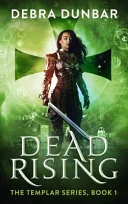
Debra Dunbar's 2015 novel, 'Dead Rising,' features a Templar descendant who shuns her lineage.
Aria, a reluctant descendant of the Knights Templar, works as a barista in modern Baltimore, trying to outrun her ancestral duties. Her life takes an unexpected turn when the local vampire matriarch hires her to research an arcane symbol. This task forces Aria to confront the legacy she has long avoided, blending urban fantasy with deep lore.
The narrative contrasts the historical role of the Templars as guardians of sacred knowledge and pilgrims with Aria's 21st-century struggles. Dunbar examines how ancient mandates might persist and transform in contemporary settings, questioning modern interpretations of historical responsibilities.
Readers will find a story focused on inherited duty versus personal choice within esoteric orders. The book offers a mix of fast-paced action and detailed world-building, exploring the intersection of the mundane and the mystical.
The novel situates itself within traditions of secret military orders, specifically the Knights Templar, whose historical role as guardians of relics and pilgrims is a central motif. It contrasts their medieval mandates with contemporary urban realities, suggesting the persistence of ancient knowledge and sworn duties across centuries. The book explores how these historical responsibilities might manifest in a modern world, challenging contemporary understandings of such roles and their esoteric underpinnings.
💡 Why Read This Book?
• Discover how the ancient mandates of the Knights Templar (guarding the Temple, safeguarding pilgrims, recording knowledge) are reinterpreted for a 21st-century urban setting, offering a unique perspective on inherited duty. • Explore the magical potency of arcane symbols and their potential to influence supernatural entities, as Aria is tasked by a vampire Mistress to research a specific one. • Understand the tension between personal agency and ancestral legacy, as Aria, a reluctant descendant of Templar Knights, grapples with her suppressed heritage.
⭐ Reader Reviews
Honest opinions from readers who have explored this book.
❓ Frequently Asked Questions
What is the primary conflict in Debra Dunbar's 'Dead Rising'?
The primary conflict is Aria's struggle to reconcile her inherited legacy as a descendant of the Templar Knights with her desire for a normal, modern life, particularly when drawn into supernatural affairs.
Who are the main supernatural factions involved in 'Dead Rising'?
The novel features descendants of the Templar Knights and a local vampire family, led by a matriarch, who engages Aria for her research skills.
When was 'Dead Rising' first published?
'Dead Rising' was first published on December 19, 2015, by Debra Dunbar.
What historical group does the protagonist's family have ties to?
The protagonist, Aria, is a descendant of the Knights Templar, an order established in the 12th century with mandates to guard holy sites and pilgrims.
What task is Aria given by the vampire Mistress?
Aria is hired by the Mistress of the local vampire family to research a specific magical symbol, an undertaking that pulls her into the supernatural world.
What are the three original mandates of the Templar Knights mentioned in the book?
The three mandates are to guard the Temple, safeguard pilgrims on the Path, and record knowledge, both holy and unholy.
🔮 Key Themes & Symbolism
Inherited Duty vs. Personal Choice
The core of "Dead Rising" examines Aria's conflict between her ancestral destiny as a Templar Knight and her desire for autonomy. The book contrasts the solemn, centuries-old oaths of her lineage—guarding sacred knowledge and pilgrims—with her contemporary struggles as a barista. This theme questions whether one can truly escape their heritage, even when actively refusing to take the Templar oath, and how external forces, like a vampire matriarch's commission, can force a confrontation with this legacy.
The Power of Ancient Symbols
A significant element in the narrative is the magical potency attributed to ancient symbols. Aria is tasked with researching a specific symbol, suggesting that these glyphs are not merely historical artifacts but conduits of power. The book implies that understanding and interpreting these symbols can unlock hidden abilities or influence supernatural entities, such as the vampires who seek Aria's research. This elevates the act of recording knowledge, a Templar mandate, into a potentially dangerous magical practice.
Supernatural Hierarchies and Urban Integration
Dunbar's work situates supernatural elements within a modern urban landscape, specifically Baltimore. The presence of a structured vampire family, led by a Mistress, alongside the hidden legacy of the Templar Knights, highlights the coexistence of various power structures, both historical and contemporary. The narrative explores how these groups interact and maintain their influence in the 21st century, suggesting that ancient orders and supernatural beings have adapted to the modern world while retaining their core functions and hierarchies.
Tradition and Modernity
The novel juxtaposes the medieval traditions of the Knights Templar with the realities of 21st-century life. Aria's refusal to take her oath and her job as a barista represent a rejection of her inherited past. However, the plot forces her to engage with that past when a vampire family seeks her unique skills related to her lineage. This creates a dynamic where ancient mandates and mystical knowledge are confronted by contemporary challenges and a secular worldview, exploring how tradition persists and adapts.
💬 Memorable Quotes
Direct passages from the work, attributed to the author.
“Guard the Temple. Safeguard Pilgrims on the Path. Record knowledge—both holy and unholy.”
— This triad of mandates expresses the core responsibilities of the Templar Knights. It highlights their dual role as protectors and archivists, extending their purview to encompass all forms of knowledge, suggesting a complex and potentially dangerous relationship with information.
“...the Mistress of the local vampire family offers her a job—to research a magical symbol.”
— This moment marks Aria's forced re-entry into the world she tried to avoid. The involvement of a vampire matriarch and the task of researching a symbol indicate that her unique background has value in supernatural circles, pulling her into an unexpected and perilous alliance.
“It's the twenty-first century and Aria is not a Knight.”
— This statement directly confronts the anachronism of ancient orders in the modern world. It emphasizes Aria's position as an individual caught between historical legacy and contemporary reality, highlighting the challenges of applying medieval duties to a twenty-first-century life.
“She's barely making ends meet as a part-time barista in Baltimore.”
— This detail grounds Aria's character in relatable, modern struggles. Her precarious financial situation as a barista in Baltimore provides a stark contrast to the potentially powerful, albeit rejected, heritage of the Templar Knights, emphasizing her current mundane existence.
💡 Key Ideas
Editorial paraphrase of the work's core concepts — not direct quotes.
Aria is not a Knight. She's refused to take her oath...
This passage establishes Aria's central conflict: her active rejection of her Templar heritage. It underscores her desire for a life free from the burdens and obligations associated with her lineage, setting the stage for her eventual confrontation with destiny.
🌙 Esoteric Significance
Tradition
While not explicitly aligning with a single esoteric lineage, "Dead Rising" draws heavily on the historical and legendary aspects associated with the Knights Templar. This order, though historically a military and religious group, has become a touchstone for various esoteric traditions, often linked to Gnosticism, Hermeticism, and Freemasonry due to their perceived possession of secret knowledge and relics. The book uses the Templars' historical mandates as a framework for a modern supernatural narrative, suggesting a continuity of ancient guardianship and esoteric lore that transcends historical periods.
Symbolism
The narrative prominently features the concept of arcane symbols holding inherent magical power. The Templar mandates themselves—guarding the Temple, safeguarding pilgrims, and recording knowledge—can be interpreted symbolically. The 'Temple' might represent not just a physical place but a state of spiritual purity or a repository of esoteric wisdom. 'Pilgrims on the Path' can symbolize seekers of truth. The act of 'recording knowledge' signifies the preservation and transmission of mystical understanding, suggesting that symbols are keys to unlocking these deeper esoteric meanings.
Modern Relevance
Contemporary urban fantasy and paranormal romance often explore themes of inherited power and secret societies, making "Dead Rising" relevant to these genres. Thinkers and practitioners interested in the historical occult revival, particularly concerning groups like the Templars, find narratives that bridge historical legend with modern supernatural interactions compelling. The book’s exploration of how ancient oaths and mystical responsibilities manifest in a secular, modern world speaks to current discussions about the persistence of tradition and the hidden influences that may shape contemporary society.
👥 Who Should Read This Book
• Readers of urban fantasy seeking a blend of supernatural intrigue and historical occultism, particularly those fascinated by secret societies and their legacies. • Individuals interested in exploring the concept of inherited duty and destiny, and how protagonists grapple with legacies they wish to reject. • Fans of stories that juxtapose medieval historical elements with contemporary settings and challenges, offering a fresh perspective on ancient orders.
📜 Historical Context
Debra Dunbar's "Dead Rising" emerges in the contemporary urban fantasy landscape, a genre that often revisits historical elements through a modern lens. The novel specifically draws upon the enduring mystique of the Knights Templar, a military order founded circa 1119. This historical order, known for its wealth, power, and eventual suppression in the early 14th century (culminating in the arrests of 1307), serves as a potent symbol of lost knowledge and hidden legacies. Dunbar positions these ancient mandates—guarding sacred sites, protecting pilgrims, and archiving lore—against the backdrop of 21st-century Baltimore. While the book doesn't engage directly with academic discourse, its premise taps into popular historical fascination, echoing the speculative theories surrounding the Templars that have circulated since the Enlightenment. This contrasts with more contemporary occult revival movements, instead focusing on the literal persistence of sworn duties across centuries. The work implicitly asks how such medieval responsibilities translate into an era of global communication and secularism, a question relevant to the historical fiction and fantasy genres.
📔 Journal Prompts
Aria's refusal of her Templar oath: Explore the tension between ancestral obligation and personal freedom.
The significance of the magical symbol Aria researches: What hidden knowledge might it represent?
The vampire Mistress's motives: How do supernatural hierarchies adapt to modern contexts?
The three Templar mandates: How might these apply metaphorically to contemporary life?
Baltimore as a setting: How does the urban environment interact with hidden esoteric forces?
🗂️ Glossary
Templar Knights
A historical military order founded in the 12th century, traditionally tasked with protecting pilgrims and holy sites. In "Dead Rising," their legacy extends to guarding esoteric knowledge.
Pilgrims on the Path
A concept within the Templar mandates referring to those seeking spiritual or esoteric knowledge. This implies a journey of discovery that requires safeguarding.
Magical Symbol
An arcane glyph or emblem possessing inherent power, significant enough for supernatural entities like vampires to seek its research and understanding.
Vampire Mistress
The female leader of a vampire family or coven, possessing authority and likely knowledge of supernatural affairs and ancient lore.
Eviction Notice
A formal legal document demanding a tenant vacate a property, representing a mundane yet pressing contemporary struggle for the protagonist.
Taking the Oath
The formal act of swearing allegiance and accepting the responsibilities and duties associated with membership in an order, such as the Templar Knights.
Esoteric Knowledge
Secret or hidden wisdom, often related to spiritual or mystical practices, believed to be accessible only to a select few. The Templars were historically rumored to possess such lore.
This book appears in 1 collection
🔮 Readers Also Liked
Browse all →









From the “Templar Knights” Collection
View all →




More Free Occult Philosophy Books
View all →