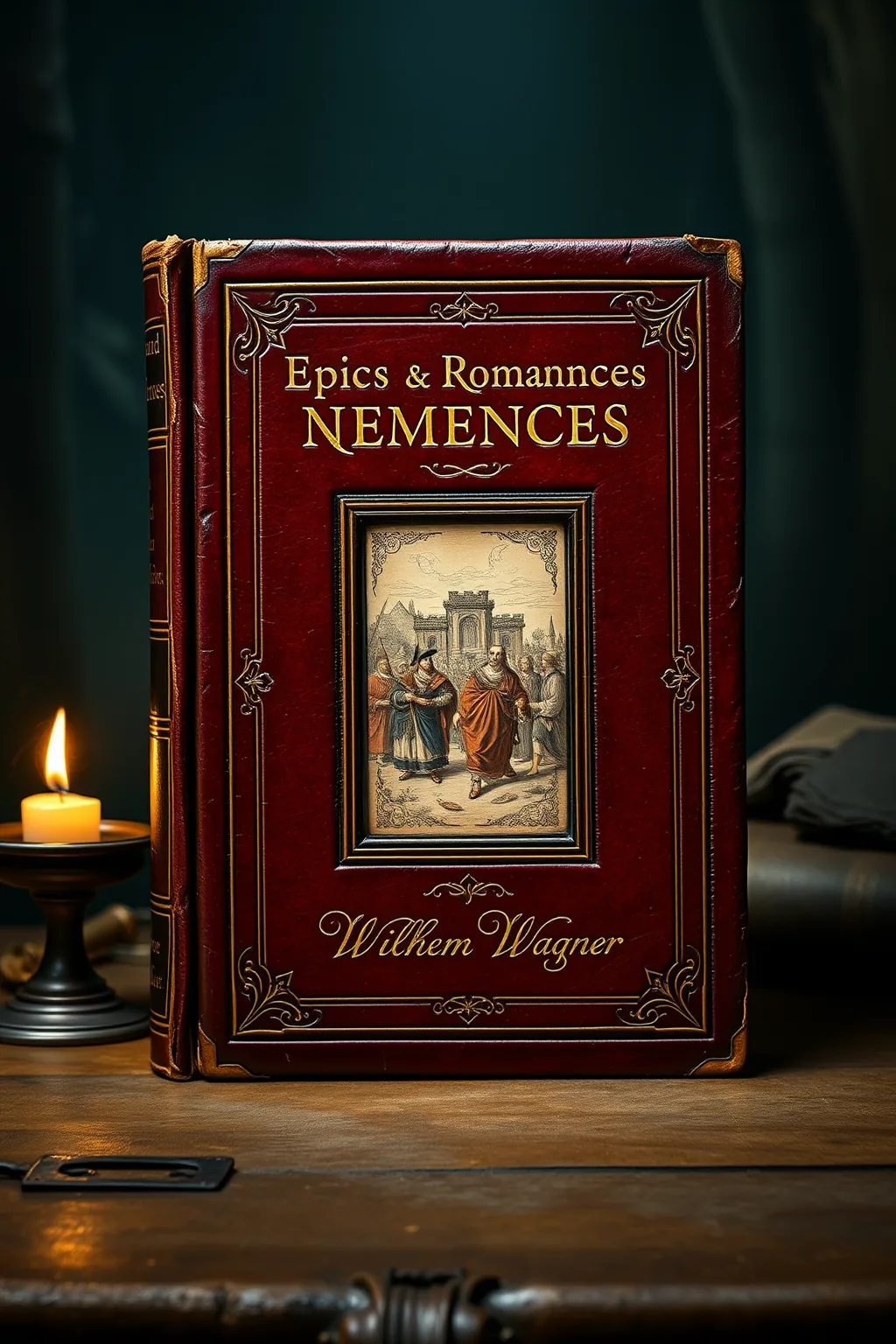
Epics and Romances of the Middle Ages
 71
71

Epics and Romances of the Middle Ages

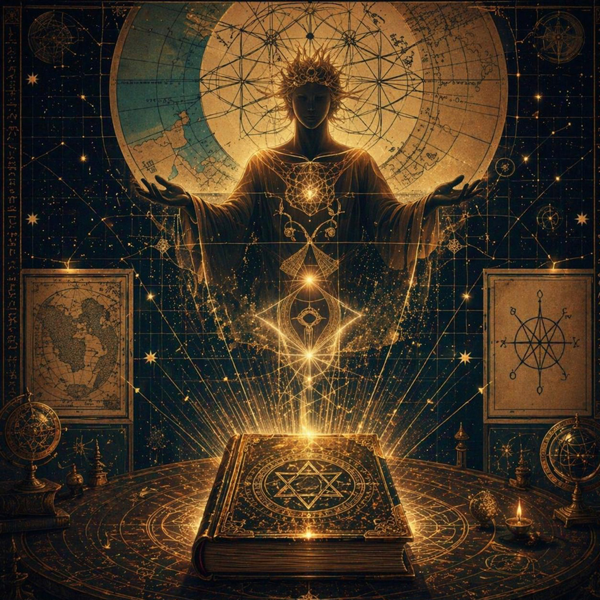

By Alaric Kestrel (Metaphysical Studies Reviewer) — Wilhelm Wägner's 'Epics and Romances of the Middle Ages' is an indispensable compendium for anyone seeking the esoteric underpinnings of Western civilization. Wägner meticulously curates narratives brimming with archetypal resonance, revealing the alchemical processes and spiritual trials embedded within legendary figures like Dietrich of Bern and Percival. His work illuminates the profound symbolism inherent in these ancient tales, connecting them to timeless wisdom traditions. Ideal for scholars of esoteric history, mythographers, and spiritual practitioners, this collection offers a potent lens through which to view the medieval psyche and its enduring quest for meaning. A truly illuminating exploration.
📝 Description
71
Wilhelm Wägner's 1883 book examines medieval epics through a spiritual lens.
Wilhelm Wägner's 'Epics and Romances of the Middle Ages,' first published in 1883, analyzes classic medieval narratives by looking beyond their surface stories. The book connects these tales to older Germanic and Norse mythologies. Wägner discusses the spiritual and archetypal elements he found within stories like the sagas of Alboin and Rosamund, the Amelung family’s trials, the Nibelung legend, and Beowulf's fight against evil.
He also covers the codes of chivalry in Carolingian stories and the search for the Holy Grail in Arthurian legends. Wägner sought to uncover the philosophical ideas and esoteric beliefs that influenced these stories. The book aims to be a resource for those interested in lost knowledge, mythology, and the deeper aspects of human thought.
This work is part of a late 19th-century movement that looked to ancient myths and folklore for spiritual meaning, often in contrast to prevailing scientific or religious orthodoxies. Wägner's approach applies a form of comparative mythology that emphasizes underlying spiritual truths and occult currents. It reflects an interest in pre-Christian European traditions and their potential to inform a modern spiritual understanding, connecting medieval romances to older, more primal sources of wisdom.
✍️ Author
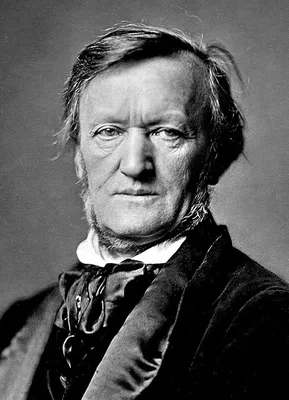
Wilhelm Wagner
Wilhelm Richard Wagner ( VAHG-nər; German: [ˈvɪlˌhɛlm ˈʁɪçaʁt ˈvaːɡnɐ] ; 22 May 1813 – 13 February 1883) was a German composer, theatre director, essayist, and conductor, best known for his operas, although his mature works are often referred to as music dr…
💡 Why Read This Book?
Uncover the hidden spiritual currents and esoteric wisdom woven into the fabric of medieval legends. 'Epics and Romances of the Middle Ages' offers profound insights into archetypal journeys, heroic struggles, and the symbolic language of ancient European cultures. Essential reading for seekers of lost knowledge, scholars of comparative mythology, and anyone yearning to connect with the deeper metaphysical significance of these timeless tales.
⭐ Reader Reviews
Honest opinions from readers who have explored this book.
❓ Frequently Asked Questions
What is the primary focus of this collection?
The primary focus is to present medieval European epics and romances, drawing heavily from Germanic and Norse sources, while highlighting their underlying esoteric themes, symbolism, and philosophical significance.
Which legendary figures are featured in the book?
The book features a wide array of figures including Alboin, Rosamund, the Amelung heroes, Dietrich of Bern, the Nibelung, Beowulf, Roland, William of Orange, and Arthurian knights like Percival and Tristram.
What makes this book relevant to esoteric studies?
It delves into the symbolic meanings, archetypal patterns, and potential spiritual or occult interpretations embedded within these ancient narratives, connecting them to broader esoteric traditions.
Is this a scholarly historical text or an anthology of myths?
It functions as an engaging anthology of myths and legends, presented with an eye towards their esoteric and symbolic dimensions, making it accessible yet profound.
Who would benefit most from reading this book?
Scholars of mythology and esoteric history, spiritual seekers, practitioners of Jungian psychology, and anyone interested in the deeper, often hidden, meanings within Western folklore.
🔮 Key Themes & Symbolism
The Hero's Journey & Archetypal Transformation
This collection meticulously traces the universal 'Hero's Journey' across diverse medieval narratives. It explores the archetypal descent into the shadow, the confrontation with primal forces (like Beowulf's dragon), and the subsequent ascent towards individuation and spiritual realization. The heroes' trials serve as potent metaphors for the soul's transformative process, mirroring ancient wisdom traditions that emphasize self-discovery and the overcoming of inner and outer obstacles to achieve higher consciousness.
Norse and Germanic Cosmology & Fate
Wägner illuminates the intricate cosmology of Norse and Germanic peoples, where fate (Wyrd) plays a paramount role. The tragic downfall of the Nibelung, for instance, exemplifies the inescapable combine of destiny and the consequences of human hubris or ambition within a divinely ordered, yet often harsh, universe. These tales offer a glimpse into a worldview where cosmic forces and ancestral curses profoundly influence mortal lives, reflecting a potent, pre-Christian understanding of existence.
Chivalry, Courtly Love, and the Grail Quest
The Arthurian legends and Carolingian epics are presented not just as tales of valor, but as explorations of esoteric chivalry and the pursuit of divine grace. The quest for the Holy Grail, in particular, is imbued with mystical significance, representing the soul's yearning for spiritual enlightenment and union with the divine. The ideals of courtly love also hint at a spiritualized union, transcending the carnal to reach a higher, soul-connected ideal.
💬 Memorable Quotes
Direct passages from the work, attributed to the author.
“The old tales are not dead; they sleep, waiting for the soul that can awaken them.”
— This suggests that ancient myths possess a living, potent energy that can be accessed and understood by those with the spiritual receptivity to perceive their deeper, symbolic truths.
“In every hero's struggle, we see the echo of our own soul's battle against the encroaching darkness.”
— This highlights the archetypal nature of heroic narratives, positing that the challenges faced by legendary figures are symbolic representations of the universal human struggle for self-mastery and spiritual growth.
“The dragon guards not just treasure, but the threshold of the unknown.”
— This interpretation frames the dragon as a symbolic guardian of mysteries or hidden knowledge, suggesting that confronting such fearsome entities is necessary for spiritual advancement and the discovery of profound truths.
“Through the set of romance, the threads of divine longing are intricately woven.”
— This poetic statement suggests that even seemingly secular tales of love and adventure often contain an underlying spiritual dimension, reflecting humanity's inherent desire for connection with the divine.
💡 Key Ideas
Editorial paraphrase of the work's core concepts — not direct quotes.
The Nibelung's gold, a symbol of earthly power, ultimately became the chain binding him to ruin.
This quote points to the esoteric understanding of material wealth as a potential spiritual burden, leading to greed, conflict, and ultimately, destruction when pursued without wisdom or balance.
🌙 Esoteric Significance
Tradition
This work draws heavily from the esoteric interpretations of Germanic, Norse, and Arthurian traditions. It aligns with Hermeticism, Jungian archetypal psychology, and the broader study of comparative mythology, seeking to uncover universal patterns of spiritual development and cosmic order embedded within these ancient narratives.
Symbolism
Key symbols abound, including the dragon (representing primal chaos, the unconscious, or a spiritual obstacle), gold (material wealth with potential corrupting influence), the sword (willpower, divine justice, or the cutting of illusion), the quest (the soul's journey towards enlightenment), and the Grail (divine union, spiritual perfection, or the vessel of sacred knowledge).
Modern Relevance
In an age often characterized by materialism and spiritual disconnection, these ancient epics offer timeless wisdom on courage, destiny, the nature of good and evil, and the enduring human quest for meaning. They provide archetypal templates for navigating personal challenges and understanding the deeper currents of the collective unconscious, fostering introspection and spiritual resilience.
👥 Who Should Read This Book
This collection is a valuable collection for several types of readers. For **beginners** in esoteric studies, it offers an accessible yet profound introduction to the symbolic language of Western myths. **Scholars** of mythology, folklore, and comparative religion will find Wägner's curated selection and thematic focus invaluable. **Spiritual seekers** will discover rich metaphors for personal growth and a deeper understanding of archetypal forces at play in their lives. **Practitioners** of Jungian psychology or those interested in Hermetic principles will appreciate the deep dive into symbolic narratives and their psychological resonance.
📜 Historical Context
Published in 1884, 'Epics and Romances of the Middle Ages' emerged during a period of intense interest in national folklore, mythology, and the perceived spiritual roots of Western civilization. The late 19th century saw a resurgence of Romanticism and Symbolism, movements that sought to reconnect with ancient wisdom and explore the subconscious through myth and legend. Wägner's work aligns with this zeitgeist, offering a curated selection of medieval narratives that were viewed not merely as historical artifacts, but as repositories of profound psychological and spiritual truths, often interpreted through the lens of emerging esoteric philosophies and a renewed appreciation for pre-Christian belief systems.
📔 Journal Prompts
Reflect on a modern 'dragon' you must face in your life and what hidden knowledge it guards.
How does the concept of fate, as presented in Norse sagas, resonate with your own life experiences?
Consider the 'gold' in your life – is it a source of power or a potential burden? Explore its symbolic meaning.
Imagine yourself on a personal 'Grail Quest.' What is your ultimate spiritual goal and what are the trials you anticipate?
Analyze a chivalric ideal from the Arthurian legends and how it might be applied to contemporary ethical dilemmas.
🗂️ Glossary
Wyrd
In Norse and Germanic mythology, Wyrd refers to fate or destiny, a concept often depicted as an inescapable force that governs the lives of gods and mortals alike.
Archetype
In Jungian psychology, an archetype is a universally understood symbol, character, or pattern of behaviour that is part of the collective unconscious, representing fundamental human experiences.
Alchemical
Pertaining to alchemy, an ancient protoscience and mystical tradition focused on the transformation of matter, often symbolizing spiritual purification and the attainment of higher consciousness.
Hermeticism
A religious, philosophical, and esoteric tradition based primarily upon writings attributed to Hermes Trismegistus, emphasizing spiritual enlightenment and the interconnectedness of the universe.
Cosmology
The study of the origin, evolution, and eventual fate of the universe, often encompassing the philosophical and spiritual understanding of its structure and order.
This book appears in 1 collection
🔮 Readers Also Liked
Browse all →








From the “Transcendental Meditation” Collection
View all →







More Free Esoteric History & Biography Books
View all →