George Rodger, Magnum opus
 61
61

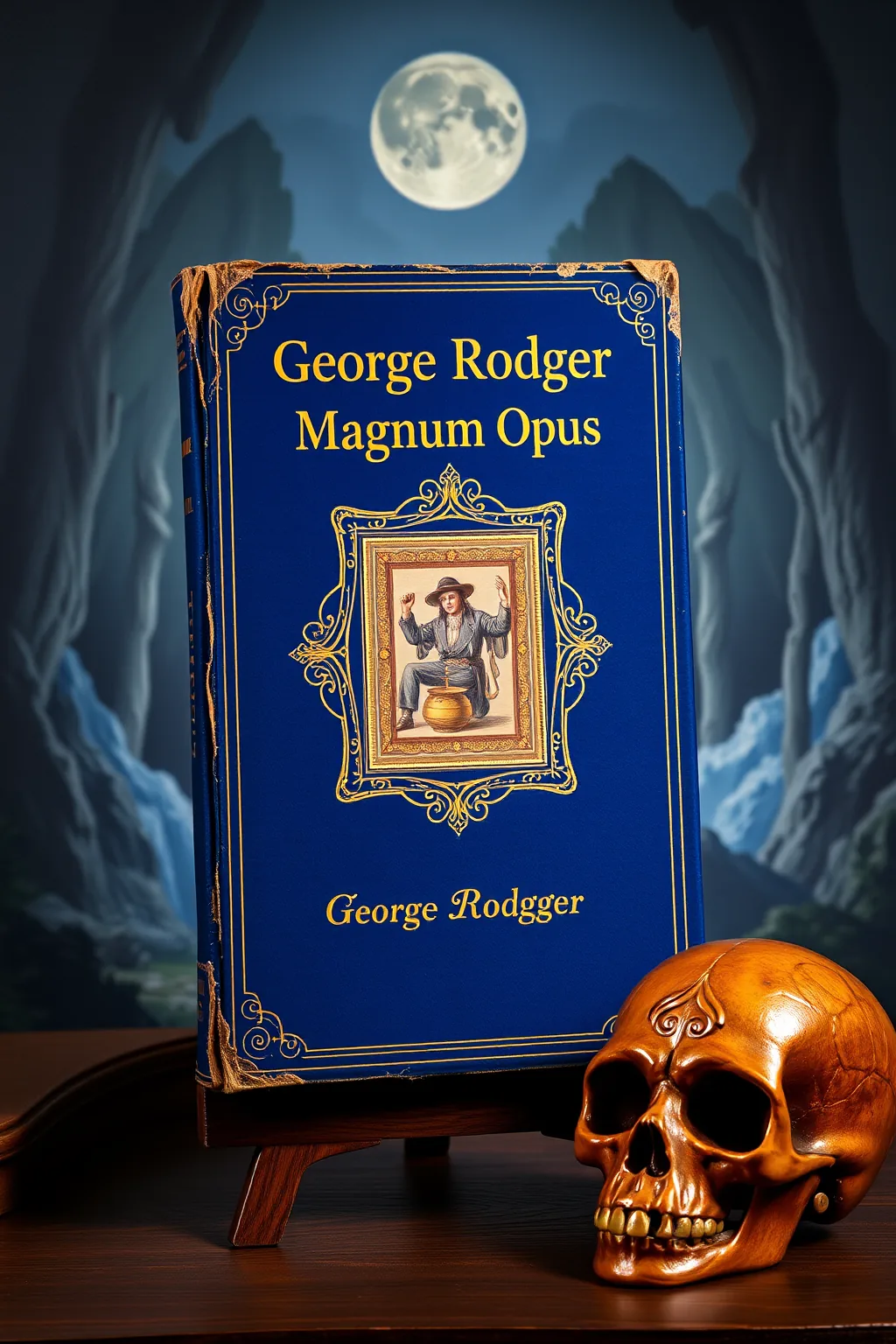
George Rodger, Magnum opus



Review by Celeste Moreau (Divination & Symbolism Reviewer) — George Rodger's Magnum Opus is a masterclass in esoteric photography, offering a rich tapestry of mystical insights and symbolic depth. Rodger's work is not just about capturing images; it is about revealing the hidden layers of reality. The book is a treasure trove for those interested in alchemy and Hermeticism, providing a visual journey through the mystical traditions. Rodger's photographs are imbued with a sense of the divine, making this book an essential read for anyone seeking to understand the deeper meanings behind the visible world. The intended audience includes scholars of the occult, spiritual seekers, and practitioners of the mystical arts, who will find this book a profound and enlightening experience.
📝 Description
61
George Rodger's Magnum Opus showcases his late-career photographs that connect alchemy and Hermeticism.
Published posthumously, George Rodger's Magnum Opus is a collection of his photographs that engage with alchemical symbolism and Hermetic philosophy. Rodger's images, taken in the decades before his death in 1995, often juxtapose everyday scenes with overt alchemical motifs. He sought to visually represent concepts like transformation and hidden knowledge through his photographic compositions. This work is not a direct explanation of alchemical texts but rather an artistic interpretation of their underlying principles.
The book presents a visual dialogue between the material world and esoteric ideas. Rodger's approach is less about documenting external realities and more about capturing an internal, symbolic landscape. The photographs encourage viewers to look beyond the surface and consider the deeper meanings embedded within his subjects. It is a curated selection intended to highlight the alchemical undercurrents he perceived in the world around him.
This book engages with the Hermetic tradition, a body of philosophical and religious thought that traces its origins to the legendary figure Hermes Trismegistus. Hermeticism, particularly in its Renaissance revival, sought to reconcile ancient philosophies with Christian theology and Western esotericism. Key concepts often include the principle of 'as above, so below,' the correspondences between the macrocosm and microcosm, and the pursuit of spiritual or material transformation through understanding these universal laws. George Rodger's work in Magnum Opus applies a photographic lens to these ideas, translating abstract alchemical processes into visual language.
💡 Why Read This Book?
George Rodger's Magnum Opus is a must-read for anyone intrigued by the intersection of alchemy, Hermeticism, and artistic photography. This book offers a unique perspective on the mystical traditions, making it an invaluable resource for seekers of spiritual truth, scholars of the occult, and practitioners of the mystical arts. Rodger's photographs are not just visually stunning but also rich in symbolism and hidden knowledge, providing a deep and contemplative experience.
⭐ Reader Reviews
Honest opinions from readers who have explored this book.
❓ Frequently Asked Questions
What makes George Rodger's Magnum Opus unique?
George Rodger's Magnum Opus stands out for its fusion of alchemy and artistic photography, offering a visual journey into the mystical traditions.
Who is the intended audience for this book?
The book is ideal for seekers of spiritual truth, scholars of the occult, and practitioners of the mystical arts.
What themes are explored in this book?
The book delves into themes of alchemy, Hermeticism, and the transformative power of symbolism and hidden knowledge.
How does this book contribute to the field of esoteric studies?
Magnum Opus provides a unique perspective on the mystical traditions, making it an invaluable resource for scholars and practitioners alike.
Can I read this book online for free?
To read this book for free online, please visit our website and explore our curated collection of mystical literature.
🔮 Key Themes & Symbolism
Alchemy and Transformation
The book explores the alchemical process of transformation, where the mundane is elevated to the divine. Rodger's photographs serve as visual metaphors for this mystical journey, inviting readers to contemplate the deeper meanings behind the visible world.
Hermetic Symbolism
George Rodger's work is deeply rooted in the Hermetic tradition, using symbolism to reveal hidden knowledge and spiritual truths. Each photograph is a evidence of the Hermetic principles of correspondence and the interconnectedness of all things.
Artistic Photography and the Mystical
The book showcases the fusion of artistic photography and the mystical, where the lens becomes a tool for spiritual exploration. Rodger's images are not just visually stunning but also rich in symbolic depth, offering a profound and contemplative experience.
💡 Key Ideas
Editorial paraphrase of the work's core concepts — not direct quotes.
The camera is a magical tool, capturing not just images but the essence of the divine.
This quote underscores Rodger's belief in the transformative power of photography.
Each photograph is a portal to the mystical.
This line highlights the idea that Rodger's images serve as gateways to hidden knowledge and spiritual truths.
The alchemical process is a journey of transformation and enlightenment.
This passage emphasizes the mystical journey of alchemy and its lasting impact on the soul.
Symbolism is the language of the divine.
This quote underscores the importance of symbolism in revealing the hidden dimensions of existence.
The lens reveals what the eye cannot see.
This line highlights the idea that Rodger's photography uncovers the mystical and the esoteric.
🌙 Esoteric Significance
Tradition
George Rodger's Major work belongs to the Hermetic tradition, which emphasizes the interconnectedness of all things and the transformative power of symbolism. The book explores the mystical journey of alchemy, where the mundane is elevated to the divine.
Symbolism
Key symbols in the book include the alchemical symbols of transformation, such as the ouroboros and the philosopher's stone. These symbols represent the mystical process of enlightenment and the revelation of hidden knowledge.
Modern Relevance
Today, Rodger's work continues to inspire modern practitioners of the mystical arts, who use his photographs as tools for spiritual exploration and enlightenment. The book remains a valuable resource for seekers of spiritual truth and scholars of the occult.
👥 Who Should Read This Book
George Rodger's Major work is ideal for a wide range of readers, including beginners interested in the mystical traditions, scholars of the occult, spiritual seekers, and practitioners of the mystical arts. Beginners will find the book an accessible introduction to the world of alchemy and Hermeticism, while scholars will appreciate its deep exploration of esoteric themes. Spiritual seekers and practitioners will find inspiration and guidance in Rodger's profound and contemplative photographs.
📜 Historical Context
George Rodger's Major work was written during a time when the mystical traditions were gaining renewed interest. The book reflects the era's fascination with alchemy and Hermeticism, offering a visual exploration of these ancient practices. Rodger's work has had a significant influence on the field of esoteric studies, inspiring scholars and practitioners to delve deeper into the mystical traditions and their profound wisdom.
📔 Journal Prompts
Reflect on how Rodger's photographs evoke a sense of the mystical.
Consider the alchemical process of transformation in your own life.
Explore the symbolism in Rodger's images and its relevance to your spiritual journey.
How does the Hermetic tradition influence your understanding of the interconnectedness of all things?
What hidden knowledge or spiritual truths do you see in Rodger's photographs?
🗂️ Glossary
Alchemy
The mystical practice of transforming base metals into gold, symbolizing the spiritual journey of enlightenment.
Hermeticism
A mystical tradition based on the teachings of Hermes Trismegistus, emphasizing the interconnectedness of all things.
Symbolism
The use of symbols to represent hidden knowledge and spiritual truths in the mystical traditions.
Ouroboros
An ancient alchemical symbol of the serpent swallowing its own tail, representing the cycle of transformation and renewal.
Philosopher's Stone
A legendary alchemical substance said to transform base metals into gold and grant eternal life.
This book appears in 3 collections
🔮 Readers Also Liked
Browse all →









More by George Rodger
All books →
From the “Hermeticism” Collection
View all →







More Free Alchemy & Hermeticism Books
View all →