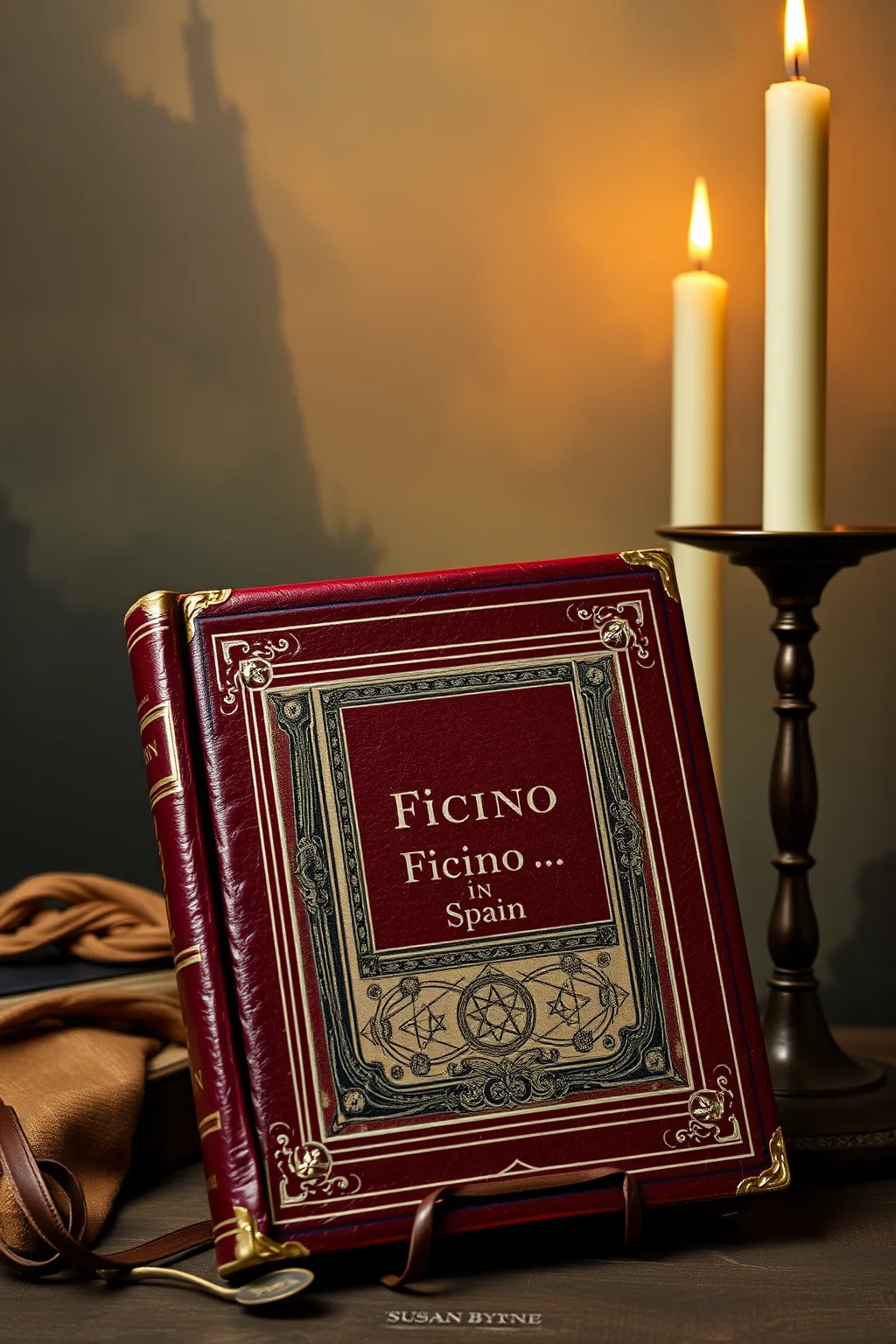
Ficino in Spain
 61
61

Ficino in Spain


Sophia Crane, Associate Editor — Susan Byrne's 'Ficino in Spain' is a masterful blend of historical scholarship and esoteric insight, offering readers a unique perspective on the Hermetic and Neoplatonic traditions in Renaissance Spain. Byrne's authoritative voice and deep knowledge of the subject matter make this book an invaluable resource for those interested in the mystical and occult. The strengths of this work lie in its rich detail and evocative prose, which transport the reader to a time when hidden knowledge and symbolism played a crucial role in shaping cultural and intellectual discourse. Ideal for scholars, spiritual seekers, and practitioners of the occult, 'Ficino in Spain' is a must-read for anyone looking to deepen their understanding of the esoteric traditions that have shaped Western thought.
📝 Description
61
Susan Byrne's 'Ficino in Spain' traces the impact of Marsilio Ficino's philosophy in Iberian intellectual circles.
This study examines the reception and adaptation of Marsilio Ficino's Neoplatonic thought within Renaissance Spain. Byrne's research highlights how Ficino's ideas, particularly those concerning Platonic love, cosmology, and theurgy, resonated with Spanish humanists and literary figures.
The book details the pathways through which these complex philosophical currents reached Spain, influencing theological debates, poetic expression, and broader cultural understandings. It demonstrates how Spanish thinkers engaged with, and sometimes modified, Ficino's concepts to suit their own intellectual and religious contexts. The work aims to clarify the often-overlooked connections between Italian Renaissance philosophy and the development of Spanish intellectual history.
This book situates Ficino's thought within the broader revival of ancient philosophies during the Renaissance, a period marked by renewed interest in Hermeticism, Kabbalah, and Neoplatonism. These traditions offered alternative frameworks to scholasticism, emphasizing divine illumination, the interconnectedness of the cosmos, and the potential for human spiritual ascent. Ficino's work, in particular, was instrumental in synthesizing Platonic philosophy with Christian theology, creating a complex intellectual system that appealed to those seeking a more mystical or symbolic understanding of reality.
💡 Why Read This Book?
Read 'Ficino in Spain' to uncover the hidden mystical currents that influenced Renaissance Spain. Ideal for seekers of esoteric knowledge, scholars of Spanish literature, and practitioners of Hermetic and Neoplatonic traditions. This book offers a unique blend of historical context and philosophical depth, providing readers with a deeper understanding of the symbolic and esoteric underpinnings of Spanish culture.
⭐ Reader Reviews
Honest opinions from readers who have explored this book.
❓ Frequently Asked Questions
What is the main focus of 'Ficino in Spain'?
The book explores the Hermetic and Neoplatonic influences on Spanish literature and thought during the Renaissance.
Who is the intended audience for this book?
Ideal for scholars, spiritual seekers, and practitioners of the occult.
What makes 'Ficino in Spain' unique?
Its rich detail and evocative prose transport readers to a time when hidden knowledge and symbolism were pivotal.
How does this book contribute to the understanding of esoteric traditions?
It illuminates the enduring influence of Hermetic and Neoplatonic thought on Western culture.
Is 'Ficino in Spain' suitable for beginners in the occult?
While accessible, it is most beneficial for those with some prior knowledge of esoteric traditions.
🔮 Key Themes & Symbolism
Hermetic Influences
The book examines the Hermetic traditions that shaped Spanish literature and thought during the Renaissance, revealing the hidden knowledge and symbolism that characterized this era.
Neoplatonic Philosophy
Byrne explores how Neoplatonic ideas permeated Spanish culture, influencing everything from literature to philosophy, and how these ideas continue to resonate today.
Symbolism and Esoteric Knowledge
The work uncovers the strong symbolism and esoteric knowledge that flowed through the Iberian Peninsula, providing readers with a deeper understanding of the mystical underpinnings of Spanish literature and history.
💬 Memorable Quotes
Direct passages from the work, attributed to the author.
“The Renaissance was a time when hidden knowledge and symbolism played an important role in shaping cultural discourse.”
— Byrne highlights the importance of esoteric traditions in Renaissance Spain.
“Hermetic and Neoplatonic thought have left an indelible mark on Western culture.”
— The book underscores the enduring influence of these traditions on modern thought.
“The mystical underpinnings of Spanish literature reveal a wide range of symbolism and hidden wisdom.”
— Byrne's work illuminates the esoteric currents that shaped Spanish literature.
“The Iberian Peninsula was a crossroads of esoteric knowledge during the Renaissance.”
— The book explores how Spain became a hub for Hermetic and Neoplatonic ideas.
“The philosophical depth of Renaissance Spain is revealed through its literary and cultural expressions.”
— Byrne's research provides a deeper understanding of the mystical influences on Spanish culture.
🌙 Esoteric Significance
Tradition
The book belongs to the Hermetic and Neoplatonic traditions, exploring how these esoteric currents influenced Spanish literature and thought during the Renaissance. These traditions emphasize the pursuit of hidden knowledge and the mystical underpinnings of reality.
Symbolism
Key symbols in the book include the Hermetic principles of correspondence and the Neoplatonic concept of the One, which represent the interconnectedness of all things and the divine source of existence. These symbols are woven into the fabric of Spanish literature and culture, revealing the esoteric depths of this era.
Modern Relevance
Today, 'Ficino in Spain' remains relevant for modern practitioners of Hermetic and Neoplatonic traditions, offering insights into the enduring influence of these esoteric currents on Western culture. The book is used by scholars and seekers alike to deepen their understanding of the mystical underpinnings of Spanish literature and history.
👥 Who Should Read This Book
Beginners in the occult will find 'Ficino in Spain' an enlightening introduction to Hermetic and Neoplatonic traditions, while scholars will appreciate its depth of research. Spiritual seekers will be inspired by the mystical underpinnings of Spanish literature, and practitioners of the occult will find valuable insights into the esoteric currents that shaped Renaissance Spain. This book is ideal for anyone looking to deepen their understanding of the mystical and occult influences on Western culture.
📜 Historical Context
The Renaissance in Spain was a time of intellectual and spiritual ferment, where Hermetic and Neoplatonic ideas flourished. 'Ficino in Spain' by Susan Byrne examines this era, exploring how these esoteric traditions influenced Spanish literature and thought. The book was important when written because it shed light on the hidden currents of knowledge that shaped the cultural and intellectual field of the time. Its influence can still be seen in modern esoteric practices and scholarly research, making it an important work in the study of Renaissance Spain.
📔 Journal Prompts
How do the Hermetic principles of correspondence manifest in your own life?
Reflect on the Neoplatonic concept of the One and its implications for spiritual practice.
Explore the symbolism in Spanish literature and its esoteric significance.
Consider the enduring influence of Hermetic and Neoplatonic thought on modern culture.
How does 'Ficino in Spain' challenge or confirm your understanding of the Renaissance?
🗂️ Glossary
Hermeticism
An esoteric tradition based on the writings attributed to Hermes Trismegistus, emphasizing the pursuit of hidden knowledge and the interconnectedness of all things.
Neoplatonism
A philosophical tradition that combines Platonic ideas with mystical and esoteric elements, focusing on the divine source of existence and the path to spiritual enlightenment.
Esoteric Knowledge
Hidden or secret knowledge that is revealed only to initiates, often involving mystical and symbolic elements.
Symbolism
The use of symbols to represent abstract ideas or concepts, often in literature and art.
Renaissance
A period of cultural, artistic, and intellectual rebirth in Europe, characterized by a renewed interest in classical learning and the exploration of new ideas.
This book appears in 2 collections
🔮 Readers Also Liked
Browse all →







From the “Neoplatonism” Collection
View all →








More Free Alchemy & Hermeticism Books
View all →