Fundamentals of Hermetic Science

 61
61

Fundamentals of Hermetic Science


Review by Balthazar Finch (Senior Critic, Occult Philosophy) — 'Fundamentals of Hermetic Science' by John Hazelrigg is a masterful exposition of Hermetic philosophy. Hazelrigg's deep esoteric insights and meticulous scholarship make this book an indispensable resource for anyone delving into the mysteries of Hermeticism. The author's exploration of the Doctrine of Correspondences is both illuminating and thought-provoking, offering readers a profound understanding of the interconnectedness of all things. This book is a must-read for serious students of the occult and those seeking to unlock the hidden knowledge embedded within the Hermetic tradition.
📝 Description
61
John Hazelrigg's 1998 book explains the Doctrine of Correspondences in Hermeticism.
John Hazelrigg's 'Fundamentals of Hermetic Science' was published in 1998. The book details the Hermetic Doctrine of Correspondences. This doctrine posits that all things in the universe are linked. Hazelrigg explains how these connections operate across different levels of reality. He discusses the symbolic language used within Hermetic traditions to represent these relationships. The text aims to provide readers with tools for understanding these hidden structures. It covers principles of Hermetic philosophy and suggests ways to apply them. The book is written for those interested in esoteric studies and mystical symbolism.
Hermeticism, a tradition rooted in ancient Egyptian and Greek thought, focuses on spiritual transformation and understanding the cosmos. It draws from texts attributed to Hermes Trismegistus, blending Neoplatonic philosophy with alchemy and astrology. The core concept of 'As Above, So Below' is central, suggesting a unity between the macrocosm and microcosm. 'Fundamentals of Hermetic Science' engages with this tradition by dissecting the principle of correspondence, which is a key Hermetic idea explaining how these macrocosm-microcosm links manifest.
💡 Why Read This Book?
Read 'Fundamentals of Hermetic Science' to gain a deep understanding of Hermetic philosophy and its esoteric principles. This book is ideal for seekers of hidden knowledge, scholars of occult studies, and practitioners of Hermeticism. It provides a comprehensive exploration of the Doctrine of Correspondences, offering profound insights into the interconnectedness of all levels of existence.
⭐ Reader Reviews
Honest opinions from readers who have explored this book.
❓ Frequently Asked Questions
What is the Doctrine of Correspondences?
The Doctrine of Correspondences is a fundamental Hermetic principle that explores the identities and relationships between different levels of being, revealing the underlying unity of the universe.
Who is this book suitable for?
This book is suitable for scholars of Hermeticism, occult enthusiasts, and spiritual seekers interested in exploring the esoteric principles of Hermetic philosophy.
How does this book contribute to Hermetic studies?
'Fundamentals of Hermetic Science' provides a comprehensive exploration of Hermetic principles, offering deep insights into the Doctrine of Correspondences and its practical applications.
What makes this book unique?
The book's unique value lies in its detailed and accessible exploration of Hermetic philosophy, making complex esoteric concepts understandable to both beginners and advanced practitioners.
Can this book be read online for free?
Yes, you can read 'Fundamentals of Hermetic Science' for free online through Esoteric Library, providing easy access to this profound work.
🔮 Key Themes & Symbolism
The Doctrine of Correspondences
The Doctrine of Correspondences is a central theme in Hermeticism, exploring the interconnectedness of all levels of existence. This principle reveals the underlying unity of the universe, showing how identities and relationships between different aspects of being are interconnected. Hazelrigg's exploration of this doctrine provides clear insights into the hidden knowledge embedded within Hermetic philosophy.
Esoteric Symbolism
Hazelrigg studies the strong symbolism of Hermeticism, revealing the hidden meanings and mystical significance of ancient symbols. This exploration of esoteric symbolism offers readers a deeper understanding of the Hermetic tradition and its practical applications in spiritual and philosophical pursuits.
Philosophical Insights
The book offers profound philosophical insights into the nature of reality and the interconnectedness of all things. Hazelrigg's exploration of Hermetic principles provides readers with a comprehensive understanding of the esoteric foundations of Hermeticism, making complex concepts accessible and meaningful.
💡 Key Ideas
Editorial paraphrase of the work's core concepts — not direct quotes.
The universe is a symphony of correspondences, where every note appeals to meaning.
This quote underscores the interconnectedness of all things, revealing the hidden harmony that underlies the universe.
Hermeticism is the key to unlocking the mysteries of existence.
This line emphasizes the transformative power of Hermetic philosophy in revealing the deeper truths of reality.
Symbols are the language of the divine, whispering secrets to those who listen.
This passage highlights the mystical significance of esoteric symbolism in Hermeticism, offering a path to hidden knowledge.
The seeker of truth must journey into the depths of the self to find the light.
This quote encourages spiritual seekers to explore their inner selves to uncover clear insights and enlightenment.
Correspondences reveal the dance of the cosmos, where every movement is a step in the eternal ballet.
This passage illustrates the dynamic and interconnected nature of the universe, as seen through the lens of Hermetic philosophy.
🌙 Esoteric Significance
Tradition
This book belongs to the Hermetic tradition, which focuses on the exploration of esoteric principles and the hidden knowledge embedded within the universe. Hermeticism seeks to uncover the underlying unity of all things through the study of correspondences and symbolism.
Symbolism
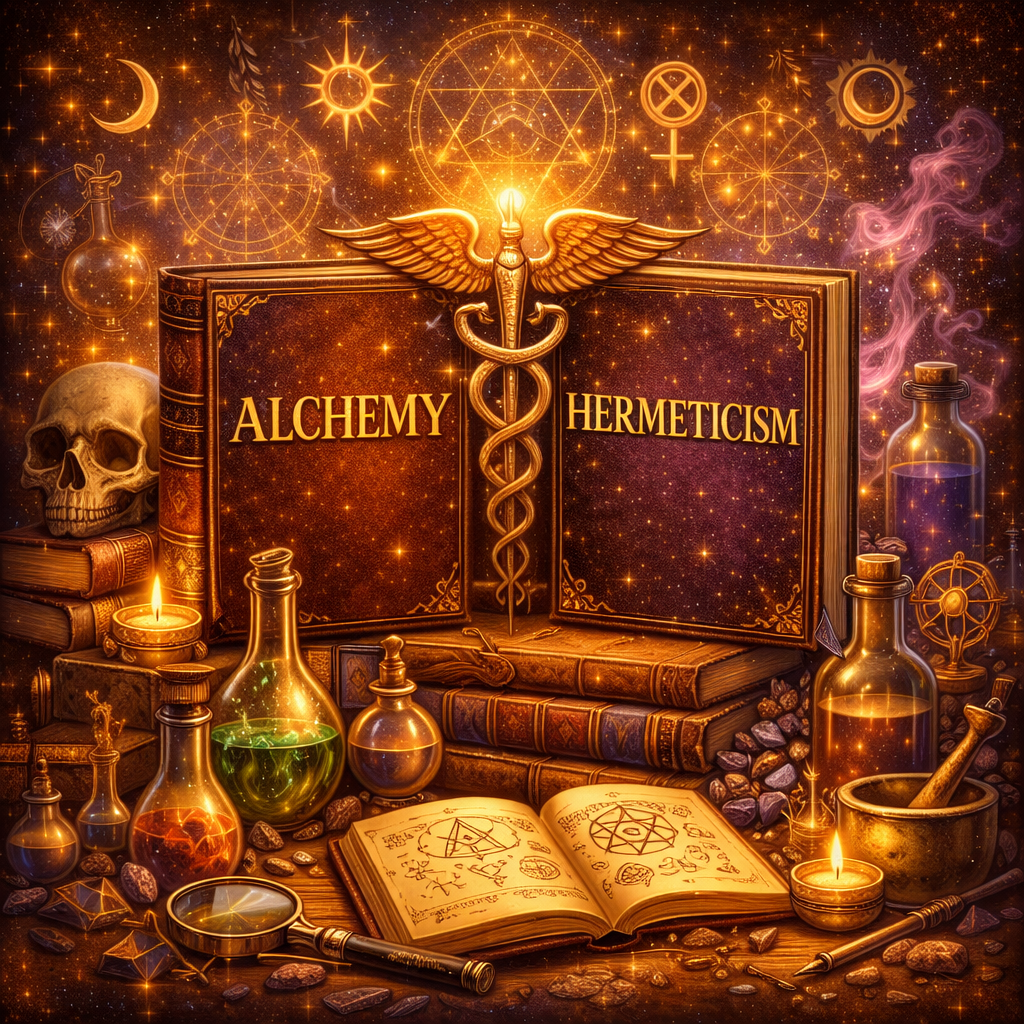
Key symbols in Hermeticism include the caduceus, the ouroboros, and the emerald tablet. These symbols represent the interconnectedness of all things, the cycle of life and death, and the fundamental principles of Hermetic philosophy, respectively.
Modern Relevance
This book remains relevant today, as modern practitioners and scholars continue to explore the esoteric principles of Hermeticism. Its insights into the Doctrine of Correspondences and the practical applications of Hermetic philosophy make it a valuable resource for contemporary seekers of hidden knowledge.
👥 Who Should Read This Book
Beginners interested in Hermeticism will find this book an accessible introduction to its principles and practices. Scholars of occult studies will appreciate Hazelrigg's deep exploration of the Doctrine of Correspondences. Spiritual seekers will benefit from the profound philosophical insights and esoteric symbolism presented in the text. Practitioners of Hermeticism will find valuable guidance and practical applications of Hermetic principles.
📜 Historical Context
Written in an era of burgeoning interest in occult studies, 'Fundamentals of Hermetic Science' by John Hazelrigg stands as an important work in the exploration of Hermetic philosophy. Published during a time when esoteric knowledge was gaining traction among scholars and spiritual seekers, this book has significantly influenced the understanding and practice of Hermeticism. Hazelrigg's comprehensive exploration of the Doctrine of Correspondences has shaped modern interpretations of Hermetic principles, making this text a core part of occult literature.
📔 Journal Prompts
Reflect on the interconnectedness of all things as described in the Doctrine of Correspondences.
Consider the significance of esoteric symbolism in your spiritual journey.
How do the philosophical insights in this book resonate with your understanding of reality?
Explore the ways in which Hermetic principles can be applied to your daily life.
What hidden knowledge have you uncovered through your study of Hermeticism?
🗂️ Glossary
Hermeticism
A philosophical and esoteric tradition that explores the hidden knowledge and mystical principles of the universe.
Doctrine of Correspondences
A Hermetic principle that reveals the identities and relationships between different levels of being, showing the underlying unity of the universe.
Esoteric Symbolism
The use of symbols to convey hidden meanings and mystical significance in esoteric traditions.
Philosophical Insights
Deep and profound understandings of the nature of reality and existence gained through philosophical inquiry.
Occult Studies
The scholarly exploration of esoteric and mystical traditions, including Hermeticism, alchemy, and the Kabbalah.
This book appears in 3 collections
🔮 Readers Also Liked
Browse all →








More by John Hazelrigg
All books →

From the “Hermeticism” Collection
View all →







More Free Alchemy & Hermeticism Books
View all →