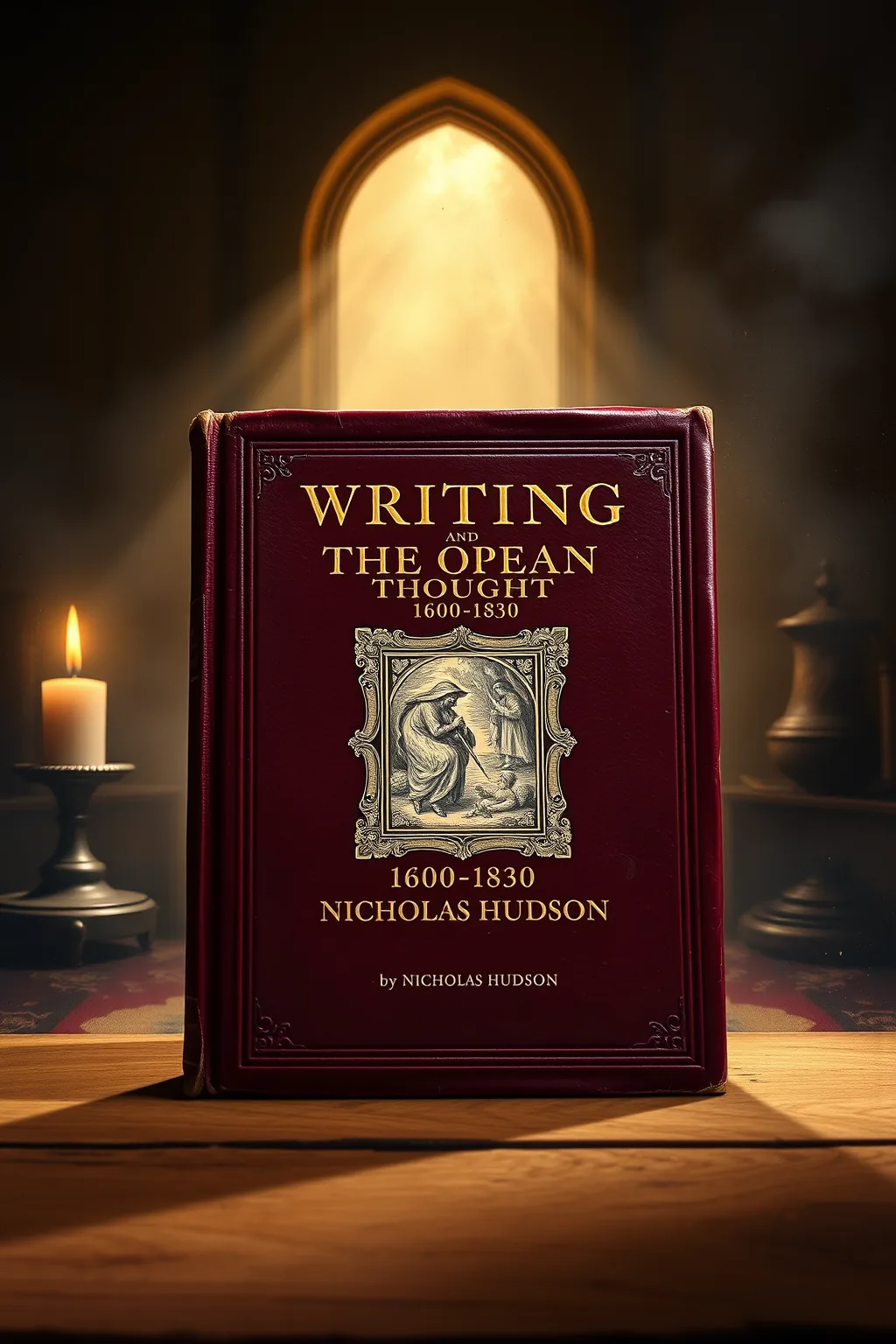
Writing and European Thought 16001830
 61
61

Writing and European Thought 16001830



Review by Lorelei Sage (Contemplative Literature Editor) — Nicholas Hudson's 'Writing and European Thought 1600-1830' is a profound exploration of the mystical currents that shaped European intellectual life. Hudson masterfully weaves together Hermetic, cabalistic, and Gnostic ideas, revealing the hidden knowledge that fueled the late Renaissance. The book's strength lies in its ability to make complex philosophical concepts accessible and engaging. This work is a must-read for anyone interested in the esoteric roots of European thought and the enduring influence of mystical traditions.
📝 Description
61
Nicholas Hudson's 2005 book examines how esoteric ideas shaped writing in Europe between 1600 and 1830.
This book investigates the connections between written expression and occult philosophies prevalent in Europe from 1600 to 1830. Nicholas Hudson details how Hermeticism, Kabbalah, and Gnosticism influenced intellectual and literary circles during this era. The text examines how these esoteric currents affected the way Europeans understood language and symbolism. It traces how concepts from these traditions found their way into various forms of writing and discourse.
The work looks at the interplay between mystical thought and the development of European intellectual history. Hudson identifies specific instances where esoteric beliefs informed literary production and philosophical inquiry. The book aims to show that these hidden streams of thought were not marginal but actively contributed to the broader intellectual landscape. It offers a detailed analysis of textual evidence to support its claims about the pervasive nature of esoteric thought.
This study situates itself within the scholarly examination of Western esotericism, specifically focusing on the period when figures like Robert Fludd and Jacob Boehme were influential. It connects the broader currents of Hermeticism, Kabbalah, and Gnosticism, often grouped as esoteric traditions, to the specific practice of writing and the construction of knowledge. The book argues that these traditions were not isolated but actively shaped the intellectual output of the time, impacting how ideas were conceived, expressed, and disseminated through written works.
💡 Why Read This Book?
Why read this book? 'Writing and European Thought 1600-1830' offers a unique perspective on the mystical underpinnings of European intellectual history. Ideal for seekers of hidden wisdom, scholars of esoteric traditions, and practitioners of mystical arts, this book provides deep insights into the Hermetic, cabalistic, and Gnostic ideas that shaped the late Renaissance. Readers will discover the symbolic language that connects the divine and the human, making this a vital resource for those exploring the mystical dimensions of language and thought.
⭐ Reader Reviews
Honest opinions from readers who have explored this book.
❓ Frequently Asked Questions
What is the main focus of 'Writing and European Thought 1600-1830'?
The book focuses on the mystical and esoteric influences on European intellectual life from 1600 to 1830, exploring Hermetic, cabalistic, and Gnostic ideas.
Who would benefit from reading this book?
Scholars of esoteric traditions, practitioners of mystical arts, and seekers of hidden wisdom will find this book particularly enlightening.
What makes this book unique?
Hudson's work stands out for its in-depth exploration of the symbolic language and hidden knowledge that shaped European thought during the late Renaissance.
Are there any memorable quotes from the book?
The book is rich with insightful quotes that reveal the mystical dimensions of language and thought. Readers will find numerous passages to reflect on and ponder.
How does this book contribute to the study of esoteric traditions?
'Writing and European Thought 1600-1830' provides a comprehensive overview of the Hermetic, cabalistic, and Gnostic ideas that influenced European intellectual life, making it a valuable resource for scholars and practitioners.
🔮 Key Themes & Symbolism
Hermetic Influence
The book studies the Hermetic traditions that permeated European thought during the late Renaissance. Hudson explores how Hermetic ideas shaped the way language and symbolism were used to convey hidden knowledge and divine truths. This theme is crucial for understanding the mystical underpinnings of European intellectual life.
Cabalistic Symbolism
Cabalistic symbolism is another key theme, revealing how Jewish mystical traditions influenced European thought. Hudson examines the use of cabalistic symbols in written communication and their role in conveying esoteric wisdom. This theme is essential for those interested in the interplay between mysticism and language.
Gnostic Thought
Gnostic ideas are also central to Hudson's exploration. He uncovers how Gnostic concepts of hidden knowledge and the divine spark within humanity shaped the intellectual field of the time. This theme provides useful insights into the mystical dimensions of European thought and its enduring influence.
💡 Key Ideas
Editorial paraphrase of the work's core concepts — not direct quotes.
The late Renaissance was a 'churning turbid flood of Hermetic, cabalistic, Gnostic notions.'
This passage highlights the mystical currents that swept through Europe, shaping intellectual and spiritual life.
Language is the vessel that carries the divine spark of knowledge.
This quote underscores the mystical significance of language in conveying hidden truths.
Symbolism is the key to unlocking the mysteries of the divine.
This passage emphasizes the importance of symbolic language in esoteric traditions.
The Hermetic traditions revealed the hidden paths to divine wisdom.
This quote highlights the role of Hermetic ideas in shaping European thought and mysticism.
Cabalistic symbols held the secrets of the universe within their intricate patterns.
This passage reveals the depth of cabalistic symbolism and its influence on mystical traditions.
🌙 Esoteric Significance
Tradition
This book belongs to the Hermetic and Gnostic traditions, exploring the mystical and esoteric influences on European thought. Hudson studies the Hermetic ideas of hidden knowledge and divine revelation, as well as the Gnostic concepts of the divine spark within humanity. These traditions are central to understanding the mystical dimensions of European intellectual history.
Symbolism
Key symbols in the book include Hermetic seals, cabalistic sigils, and Gnostic emblems. These symbols represent the hidden paths to divine wisdom and the mystical dimensions of language and thought. They serve as keys to unlocking the secrets of the universe and the divine truths concealed within written communication.
Modern Relevance
The esoteric traditions explored in this book continue to influence modern practitioners of mystical arts and seekers of hidden wisdom. Hermetic, cabalistic, and Gnostic ideas are still studied and practiced today, providing useful insights into the mystical dimensions of language and thought. This book is a valuable resource for those seeking to understand and engage with these ancient traditions in the modern world.
👥 Who Should Read This Book
Beginners interested in the mystical and esoteric traditions will find 'Writing and European Thought 1600-1830' an accessible introduction to the Hermetic, cabalistic, and Gnostic ideas that shaped European thought. Scholars of esoteric traditions will appreciate the depth of Hudson's exploration and the rich historical context provided. Spiritual seekers and practitioners of mystical arts will discover new insights into the symbolic language that connects the divine and the human. Those interested in the philosophical significance of language and thought will find this book a profound and enlightening read.
📜 Historical Context
The late Renaissance was a period of intense mystical and esoteric activity in Europe. From the Florence of the fifteenth century emerged a 'churning turbid flood of Hermetic, cabalistic, Gnostic, theurgic, Sabaean, Pythagorean, and generally mystical notions that broke over Europe, carrying everything before it.' This era saw a resurgence of interest in ancient mystical traditions, which profoundly influenced European intellectual life. 'Writing and European Thought 1600-1830' by Nicholas Hudson explores how these mystical currents shaped the way language and symbolism were used to convey hidden knowledge and divine truths.
📔 Journal Prompts
Reflect on how Hermetic ideas have influenced your understanding of language and symbolism.
Consider the role of cabalistic symbols in conveying hidden knowledge and divine truths.
Explore the Gnostic concept of the divine spark within humanity and its implications for spiritual practice.
How do the mystical traditions of the late Renaissance continue to influence modern thought and practice?
What are some ways you can incorporate esoteric symbolism into your daily life and spiritual journey?
🗂️ Glossary
Hermeticism
A mystical tradition based on the writings attributed to Hermes Trismegistus, focusing on hidden knowledge and divine revelation.
Cabalistic Symbolism
Symbols used in Jewish mystical traditions to convey esoteric wisdom and divine truths.
Gnostic Thought
A mystical tradition emphasizing hidden knowledge and the divine spark within humanity.
Theurgic
The practice of rituals and magic to invoke divine entities and achieve spiritual transformation.
Sabaean
An ancient mystical tradition from Mesopotamia, focusing on the worship of stars and celestial bodies.
This book appears in 1 collection
🔮 Readers Also Liked
Browse all →
![The ancient fragments; containing what remains of the writings of Sanchoniatho, Berossus, Abydenus, Megasthenes, and Manetho. Also the Hermetic Creed, the Old Chronicle, the Laterculus of Eratosthenes, the Tyrian Annals, the Oracles of Zoroaster […]](/img/thumb/the-ancient-fragments-containing-what-remains-of-the-writings-of-sanchoniatho-berossus-abydenus-megasthenes-and-manetho-also-the-hermetic-creed-the-old-chronicle-the-laterculus-of-eratosthenes-the-tyr.webp)








From the “Hermeticism” Collection
View all →








More Free Alchemy & Hermeticism Books
View all →