Neoplatonism and Indian Philosophy (Studies in Neoplatonism-Ancient and Modern, 9)
 62
62

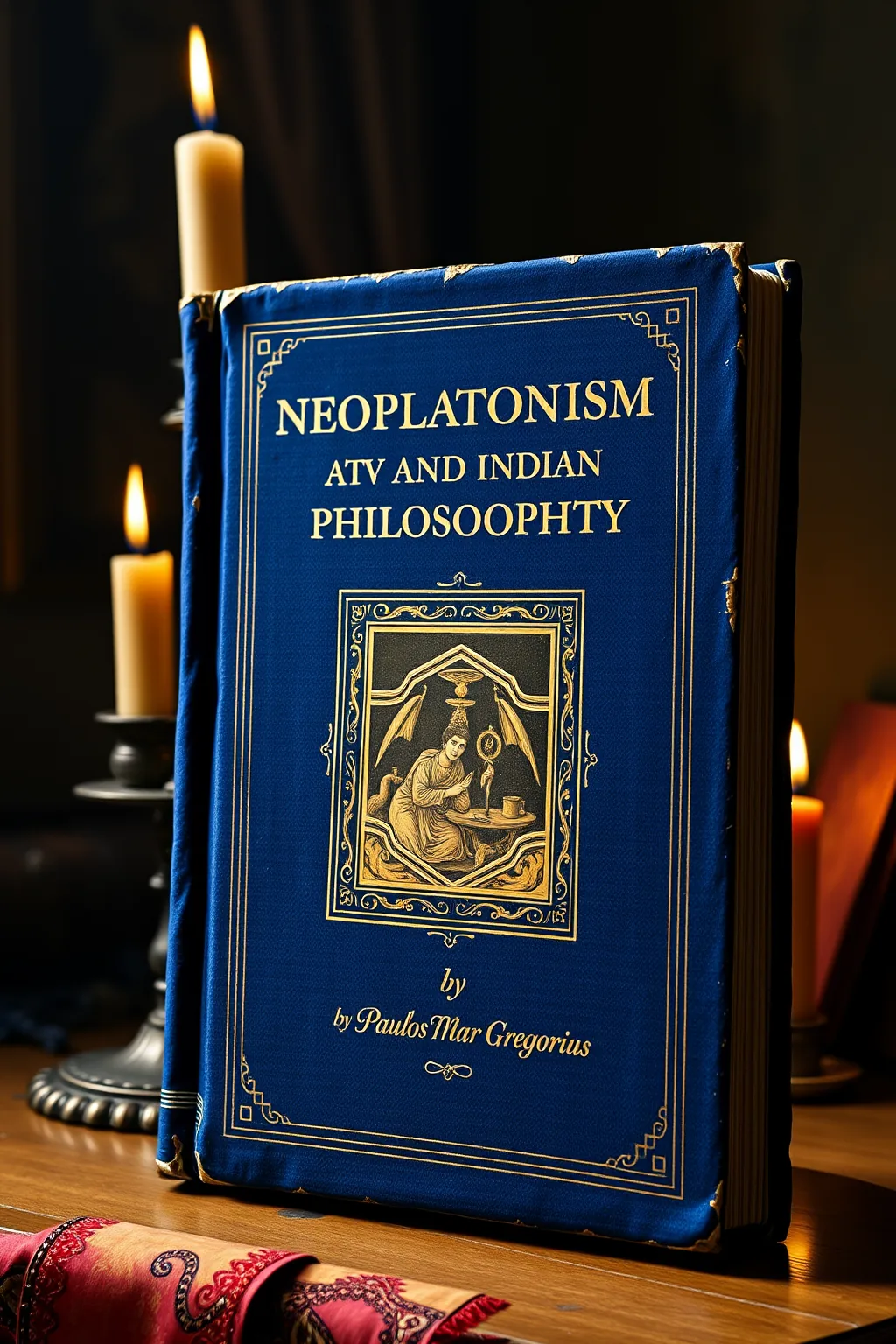
Neoplatonism and Indian Philosophy (Studies in Neoplatonism-Ancient and Modern, 9)


Review by Isolde Whitaker (Sacred Texts Editor) — Paulos Mar Gregorios' Neoplatonism and Indian Philosophy is a profound and illuminating work that bridges the gap between Eastern and Western mystical traditions. Gregorios' deep understanding of both Neoplatonism and Indic philosophy shines through, offering readers a unique perspective on the esoteric insights that connect these two rich philosophical legacies. The book is a must-read for anyone interested in the mystical and symbolic dimensions of philosophy. Its strength lies in its ability to make complex ideas accessible and engaging, making it an invaluable resource for both scholars and spiritual seekers.
📝 Description
62
In 1982, Paulos Mar Gregorios compared Neoplatonism and Indian philosophical systems.
Paulos Mar Gregorios examines the connections between Neoplatonism and Indian philosophical thought. He identifies shared mystical currents and symbolic language that link these two traditions. The author's aim is to reveal the underlying unity in their approaches to existence and the divine.
This study looks at specific concepts within both Neoplatonism and various Indian schools of thought. Gregorios highlights how both systems grapple with ultimate reality, the nature of the soul, and the path to spiritual realization. The book invites contemplation on these shared metaphysical and spiritual concerns, bridging geographical and historical divides.
It is suited for those interested in comparative philosophy and esoteric traditions. The work serves as a bridge between Eastern and Western mystical thought.
This book sits within the tradition of comparative mysticism, specifically focusing on traditions that emphasize inner experience and transcendent knowledge. It engages with Neoplatonism, a philosophical system that influenced Western esotericism, and various Indian philosophical schools, such as Vedanta and Yoga, which are central to Eastern spiritual thought. Gregorios seeks to demonstrate that despite their distinct cultural origins, these systems share fundamental insights into the nature of reality and human consciousness, often expressed through symbolic language and mystical practices.
💡 Why Read This Book?
Read Neoplatonism and Indian Philosophy to uncover the hidden wisdom that connects ancient Eastern and Western thought. This book is ideal for seekers of esoteric knowledge, scholars of comparative philosophy, and spiritual practitioners looking to deepen their understanding of mystical traditions.
⭐ Reader Reviews
Honest opinions from readers who have explored this book.
❓ Frequently Asked Questions
What is the main focus of Neoplatonism and Indian Philosophy?
The book explores the esoteric connections between Neoplatonism and Indic philosophy, revealing hidden wisdom and symbolic resonance.
Who would benefit most from reading this book?
Scholars of comparative philosophy, spiritual seekers, and practitioners interested in mystical traditions will find this book particularly enriching.
Does the book require prior knowledge of philosophy?
While prior knowledge is helpful, the book is written in an accessible manner that makes complex ideas understandable to a broad audience.
What makes this book unique?
Its unique blend of Eastern and Western mystical traditions, offering a fresh perspective on esoteric insights and symbolic resonance.
Is this book suitable for beginners in philosophy?
While it is accessible, beginners may benefit from some foundational knowledge of philosophy to fully appreciate the depth of the material.
🔮 Key Themes & Symbolism
Esoteric Connections
The book looks at the hidden wisdom that unites Neoplatonism and Indic philosophy, revealing a wide range of esoteric insights and symbolic resonance. This theme is central to understanding the mystical undercurrents that bind these ancient traditions.
Symbolic Resonance
Gregorios explores the symbolic meanings that connect Eastern and Western thought, offering readers a deeper understanding of the mystical dimensions of philosophy. This theme highlights the universal symbols that transcend cultural boundaries.
Comparative Philosophy
The book provides a comprehensive comparison of Neoplatonism and Indic philosophy, shedding light on the philosophical significance of their esoteric connections. This theme is essential for scholars and practitioners seeking to deepen their understanding of mystical traditions.
💬 Memorable Quotes
Direct passages from the work, attributed to the author.
“Symbolic resonance is the language of the soul.”
— Gregorios highlights the deep spiritual significance of symbols in mystical traditions.
“Mystical traditions reveal the hidden wisdom of the universe.”
— Gregorios' work is a proof of the clear insights hidden within ancient philosophies.
💡 Key Ideas
Editorial paraphrase of the work's core concepts — not direct quotes.
The divine is the hidden essence that connects all things.
This line underscores the mystical unity that underlies all existence.
Neoplatonism and Indic thought share a common quest for divine knowledge.
This quote emphasizes the esoteric connections between Eastern and Western philosophies.
The journey of the soul is a journey of symbols.
This passage invites readers to explore the mystical dimensions of symbolism.
🌙 Esoteric Significance
Tradition
This book belongs to the Hermetic tradition, which seeks to uncover the hidden wisdom and symbolic resonance that connect ancient philosophies. It is a significant contribution to the field of esoteric studies.
Symbolism
Key symbols in the book include the divine essence, the journey of the soul, and the language of symbols. These symbols represent the mystical dimensions of philosophy and the esoteric connections between Neoplatonism and Indic thought.
Modern Relevance
Today, this work is relevant for modern practitioners of esoteric traditions who seek to understand the mystical undercurrents that bind Eastern and Western thought. It is a valuable resource for scholars and spiritual seekers alike.
👥 Who Should Read This Book
Beginners in philosophy may find the book accessible but will benefit from some foundational knowledge. Scholars of comparative philosophy will appreciate the depth of Gregorios' insights. Spiritual seekers and practitioners interested in mystical traditions will find this work particularly enriching, as it offers a unique perspective on the esoteric connections between ancient philosophies.
📜 Historical Context
Written during a time of renewed interest in comparative philosophy, Neoplatonism and Indian Philosophy by Paulos Mar Gregorios was important for its exploration of the esoteric connections between Eastern and Western thought. Published in the context of the Studies in Neoplatonism-Ancient and Modern series, it has influenced scholars and practitioners alike, shedding light on the mystical undercurrents that bind these ancient traditions.
📔 Journal Prompts
How do the esoteric connections between Neoplatonism and Indic philosophy resonate with your own spiritual journey?
What symbols from the book have the deepest meaning for you?
In what ways do mystical traditions reveal hidden wisdom?
How does the concept of the divine essence influence your understanding of the universe?
What insights from this book can you apply to your own spiritual practices?
🗂️ Glossary
Neoplatonism
A philosophical tradition that builds upon the teachings of Plato, emphasizing the mystical and esoteric dimensions of reality.
Indic Philosophy
The philosophical traditions of the Indian subcontinent, which include a wide range of mystical and esoteric insights.
Esoteric
Relating to knowledge that is hidden or secret, often revealed only to initiates of a particular tradition.
Symbolic Resonance
The deep spiritual significance of symbols, which connect mystical traditions across cultural boundaries.
Divine Essence
The hidden essence that underlies all existence, a central concept in many mystical traditions.
This book appears in 2 collections
🔮 Readers Also Liked
Browse all →








More by Paulos Mar Gregorios
All books →
From the “Neoplatonism” Collection
View all →








More Free Alchemy & Hermeticism Books
View all →