Forest Bath

 71
71

Forest Bath
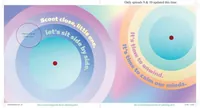
Kirsten Leestma's *Forest Bath* arrives in 2026, offering a gentle, if somewhat understated, guide to *shinrin-yoku*. The book's strength lies in its straightforward invitation to sensory engagement, urging readers to simply be present amidst the trees. Leestma's prose effectively conveys the quietude and restorative potential of the practice. However, the work occasionally treads a fine line between simplicity and a lack of depth. While the blurb mentions researchers discovering the benefits, the book itself offers minimal elaboration on the scientific underpinnings or historical trajectory beyond a brief mention of its Japanese origins. A passage describing the tactile sensation of moss on bark, while evocative, leaves one wanting more exploration of the symbolic resonance of such textures. Ultimately, *Forest Bath* serves as a pleasant primer, best suited for those entirely new to the concept, though it may not satisfy readers seeking a more rigorous or historically situated examination of forest bathing.
📝 Description
71
Kirsten Leestma's Forest Bath introduces shinrin-yoku, the Japanese art of forest bathing, to Western readers.
This book provides an accessible introduction to *shinrin-yoku*, the Japanese practice of forest bathing. Leestma guides readers to connect with the natural world through their senses, focusing on mindful presence rather than physical exertion. The text encourages a slower pace, attention to the small details of woodlands, and the calming effects these environments offer. It frames nature immersion as a restorative practice available to anyone willing to disconnect from digital life and engage with the present moment.
*Forest Bath* is written for individuals looking for practical ways to reduce stress and improve mental clarity. It will resonate with city dwellers who feel distant from nature and desire a straightforward, healing activity. Readers interested in mindfulness, unhurried outdoor experiences, and the therapeutic qualities of natural settings will find value. The book is particularly helpful for newcomers to nature connection who might find more rigorous outdoor pursuits daunting, presenting a gentle way to appreciate the restorative power of forests.
Emerging in Japan during the 1980s, *shinrin-yoku* gained recognition as a public health practice in response to increasing urbanization and technological dependence. Research began to confirm its physiological advantages, such as lower cortisol levels and better immune function. This era also saw a wider global interest in alternative wellness methods and an acknowledgment of the psychological effects of excessive screen time. By the early 2000s, *shinrin-yoku* was understood internationally as a significant form of nature therapy, inspiring similar approaches in Europe and North America.
💡 Why Read This Book?
• You will learn to harness the restorative power of nature through guided sensory awareness, a technique rooted in the Japanese practice of *shinrin-yoku* (forest bathing). • You will discover practical methods for disconnecting from digital overload by focusing on specific natural elements, inspired by the book's emphasis on mindful observation. • You will gain an appreciation for the simple act of walking and breathing in a natural setting as a form of mental and physical rejuvenation, a core tenet introduced in the book's initial chapters.
⭐ Reader Reviews
Honest opinions from readers who have explored this book.
❓ Frequently Asked Questions
What is the Japanese origin of forest bathing?
Forest bathing, or *shinrin-yoku*, originated in Japan in the 1980s as a response to increasing technological reliance and urbanization, promoted as a national health initiative.
What are the core principles of forest bathing as presented in the book?
The book emphasizes engaging all five senses – sight, sound, smell, touch, and taste – with the natural environment, encouraging a state of mindful presence and disconnection from daily stressors.
Does 'Forest Bath' require special equipment or physical fitness?
No, the book presents forest bathing as an accessible practice requiring no special equipment beyond comfortable clothing and shoes, and minimal physical exertion, making it suitable for most individuals.
When was Kirsten Leestma's 'Forest Bath' first published?
Kirsten Leestma's 'Forest Bath' was first published on February 10, 2026.
Are there scientific studies supporting the benefits of forest bathing?
Yes, research since the 1980s has documented numerous benefits, including reduced stress hormones like cortisol, improved immune function, and enhanced mood, which the book implicitly references.
Can forest bathing be practiced even if I don't live near a large forest?
While dense forests are ideal, the principles of sensory engagement and mindful connection can be adapted to smaller wooded areas, parks, or even gardens, as the book suggests focusing on accessible nature.
🔮 Key Themes & Symbolism
Sensory Immersion
The book champions a holistic engagement with the natural environment through all five senses. It moves beyond mere visual appreciation to encourage readers to actively listen to the rustling leaves, smell the damp earth, feel the texture of bark, and taste the clean air. This multi-sensory approach aims to ground individuals in the present moment, fostering a deeper, more intimate connection with the forest ecosystem, moving away from passive observation towards active participation.
Mindful Disconnection
A central theme is the intentional act of stepping away from the constant barrage of digital information and daily anxieties. The practice of forest bathing, as outlined in the book, provides a structured yet gentle method for achieving this disconnection. By focusing on the immediate sensory input of the forest, readers are guided to quiet internal chatter and external distractions, cultivating a state of restorative peace and mental clarity.
Nature as Therapy
The work implicitly explores the concept of nature as a therapeutic agent, drawing on the documented benefits of *shinrin-yoku*. It suggests that the natural world possesses inherent qualities that promote well-being, reducing stress and enhancing mood. The book positions forest bathing not merely as a leisure activity, but as a vital practice for maintaining psychological and physiological health in an increasingly disconnected modern world.
Simplicity and Accessibility
Contrary to demanding wilderness expeditions, this book highlights the accessibility and simplicity of forest bathing. It stresses that profound benefits can be derived from even short, unhurried immersions in local natural spaces. The emphasis is on a gentle, unforced approach, making the practice achievable for individuals of all ages and fitness levels, requiring no specialized gear or extensive preparation.
💬 Memorable Quotes
Direct passages from the work, attributed to the author.
“Breathe in nature, touch its beauty, listen to its sounds.”
— This concise directive captures the core invitation of the book: to move beyond intellectual understanding and engage directly with the forest through direct sensory experience, fostering an immediate connection.
“Water is optional!”
— This playful aside underscores that the essence of forest bathing lies in the sensory immersion within the arboreal environment itself, not necessarily in specific activities like swimming or wading.
“The reader begins a gentle tale inviting them to slow down.”
— This interpretation emphasizes the narrative and experiential quality of the book, suggesting that the reader is guided through a calming story that models the desired pace and mindset for forest bathing.
💡 Key Ideas
Editorial paraphrase of the work's core concepts — not direct quotes.
Researchers have discovered that leaving technology behind and connecting with nature... is good for the body and mind.
This paraphrase highlights the scientifically recognized benefits of *shinrin-yoku*, framing the practice as a wellness activity supported by empirical evidence, appealing to those who seek practical, health-oriented approaches.
Connect with nature by walking, watching, smelling, and feeling.
This paraphrased instruction provides a concrete action plan for the reader, detailing the fundamental activities involved in forest bathing and encouraging an active, sensory engagement with the natural world.
🌙 Esoteric Significance
Tradition
While not overtly aligned with a specific esoteric lineage like Hermeticism or Kabbalah, *Forest Bath* taps into a broader, pan-cultural understanding of nature as a source of spiritual renewal and connection. It echoes animistic traditions that view the natural world as imbued with spirit and vital energy. The practice aligns with modern interpretations of nature mysticism, emphasizing direct, experiential communion with the non-human world as a path to self-discovery and healing.
Symbolism
The forest itself serves as the primary symbol, representing a sanctuary from the artificiality of modern life and a gateway to deeper consciousness. Trees symbolize resilience, growth, and connection between earth and sky. The act of bathing signifies purification and immersion, suggesting a cleansing of the mind and spirit through contact with the natural elements. Specific textures like moss or the scent of pine can act as potent sensory anchors, evoking primal memories and fostering a sense of belonging.
Modern Relevance
Contemporary thinkers and practitioners in fields such as ecopsychology, trauma-informed care, and mindfulness continue to draw upon the principles of *shinrin-yoku*. Practices inspired by forest bathing are integrated into therapeutic retreats, corporate wellness programs, and urban planning initiatives. Figures advocating for nature connection, like Richard Louv, whose work highlights the benefits of nature for child development, find resonance in Leestma's accessible approach to nature immersion.
👥 Who Should Read This Book
• Individuals experiencing burnout or stress from urban living who seek simple, immediate methods for mental restoration. • Beginners interested in mindfulness and meditation who find traditional practices challenging and desire a more embodied, nature-based approach. • Health and wellness enthusiasts looking for scientifically-supported, natural techniques to improve mood, reduce anxiety, and boost physical well-being.
📜 Historical Context
Kirsten Leestma's *Forest Bath*, first published in 2026, enters a landscape shaped by the burgeoning field of ecopsychology and a global resurgence of interest in nature-based wellness practices. The concept of *shinrin-yoku* itself gained significant traction internationally throughout the 2000s and 2010s, moving from its Japanese origins in the 1980s to become a recognized therapeutic modality. This period saw numerous books and studies emerge, exploring the physiological and psychological benefits of spending time in natural environments. Leestma's work arrives in a context where practices like forest bathing are often discussed alongside mindfulness meditation and forest therapy, competing with established wellness trends. While not directly engaging with academic discourse, the book benefits from decades of research, notably initiated by figures like Dr. Qing Li in Japan, who published extensively on the immunological effects of forest bathing in the early 21st century.
📔 Journal Prompts
The sensation of moss on bark: how does this tactile experience connect you to the forest's ancient presence?
Reflecting on the sounds of the forest: what specific auditory elements draw your attention and evoke a sense of calm?
Consider the scent of pine needles or damp earth: what memories or feelings does this natural aroma bring forth?
The visual details of a single leaf: what intricate patterns and life forces does this observation reveal?
How does the deliberate act of 'leaving technology behind' alter your perception of the forest environment?
🗂️ Glossary
Shinrin-yoku
A Japanese term that translates to 'forest bathing' or 'taking in the forest atmosphere.' It refers to the practice of immersing oneself in nature, engaging the senses to promote well-being.
Forest Bathing
The English translation and popularization of *shinrin-yoku*. It involves mindfully spending time in a forest environment, focusing on sensory experiences to reduce stress and improve health.
Sensory Engagement
The practice of actively using one's senses (sight, sound, smell, touch, taste) to perceive and interact with the environment, a key component of forest bathing.
Mindful Presence
A state of being fully attentive to the present moment, without judgment. In forest bathing, this means focusing on the immediate sensory input of the natural surroundings.
Nature Therapy
The application of natural environments and experiences for therapeutic benefits, encompassing practices like forest bathing aimed at improving mental, emotional, and physical health.
Cortisol
A steroid hormone produced by the adrenal glands, often referred to as the 'stress hormone.' Lowering cortisol levels is one documented benefit of forest bathing.
Arboreal Environment
Relating to or characteristic of trees; a forest or woodland setting.
This book appears in 1 collection
🔮 Readers Also Liked
Browse all →









From the “Mindfulness” Collection
View all →






More Free Occult Philosophy Books
View all →