CIA Reading Room 06797578: THE WASHINGTON AND NEW YORK SCHOOLS OF COLOR
 74
74

CIA Reading Room 06797578: THE WASHINGTON AND NEW YORK SCHOOLS OF COLOR



Isolde Whitaker, Sacred Texts Editor, offers a profound perspective on this declassified gem. 'The Washington and New York Schools of Color' transcends typical art criticism, delving into the alchemical nature of color and form as understood by post-war modernists. The CIA's own analysis, surprisingly steeped in nuanced appreciation of symbolic intent, reveals a fascinating nexus of intellectual history and potential occult influence. It’s a text that challenges conventional art historical narratives, offering esoteric insights into how societal transformations, like the industrial revolution, might have been consciously channeled through artistic expression. Essential reading for those who seek the hidden spiritual dimensions within material culture.
📝 Description
74
This CIA declassified document reveals esoteric ideas behind post-war American art.
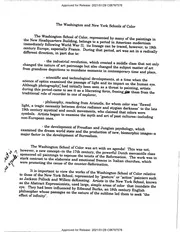
The Washington and New York Schools of Color, a CIA declassified document, examines the hidden philosophical ideas that informed American modernism after World War II. It traces these concepts not only to 19th-century European art circles but also to less obvious intellectual shifts. The text considers how industrialization influenced new artistic approaches and suggests a deliberate shift in artistic direction was underway.
This is more than a simple art history account. It aims to help readers decipher the symbolic meanings within paintings, recognizing color as a channel for awareness. The document points to subtle forces that shape cultural development. For those interested in knowledge beyond the surface, it aims to clarify the connections between art, society, and fundamental aspects of human perception.
This document touches on traditions that link color and consciousness, a common thread in various esoteric schools. Thinkers in these traditions often sought to understand how sensory experience, particularly visual perception, connects to deeper states of awareness or universal principles. The text suggests that certain artists and movements consciously or unconsciously tapped into these ideas, using color not just for representation but as a symbolic language to convey non-material concepts or influence perception.
💡 Why Read This Book?
Uncover the hidden philosophical currents within post-war American art. This declassified CIA document offers a unique lens into the esoteric intentions behind the Washington and New York Schools of Color. Ideal for seekers of symbolic meaning, art historians exploring unconventional influences, and practitioners interested in the metaphysical aspects of creative expression. Discover how societal shifts are reflected and perhaps even guided by artistic movements.
⭐ Reader Reviews
Honest opinions from readers who have explored this book.
❓ Frequently Asked Questions
What is the primary focus of "The Washington and New York Schools of Color"?
The document examines the philosophical and potentially esoteric influences on post-war American modernist art, particularly the Washington and New York Schools of Color, tracing their lineage and symbolic underpinnings.
What is the significance of the 'CIA Reading Room' designation?
This signifies that the document was originally classified and has been released through the CIA's declassification process, suggesting it contains information deemed sensitive or of historical intelligence value.
How does the book relate to occult philosophy?
While not a treatise on occult practices, it explores how societal changes and artistic movements may have been influenced by or reflected deeper, often esoteric, philosophical ideas regarding color, consciousness, and symbolism.
Who is the intended audience for this text?
The intended audience includes art historians, philosophers, students of esoteric traditions, and anyone interested in the hidden connections between art, culture, and societal development.
Does this book reveal specific occult rituals or spells?
No, this document focuses on the philosophical and symbolic interpretations of art movements, not on practical occult rituals. It explores the *esoteric significance* embedded within art and culture.
🔮 Key Themes & Symbolism
The Alchemy of Color and Consciousness
This theme examines the profound relationship between color and human perception, exploring how specific hues and their arrangements within artistic compositions could have been intentionally employed to evoke particular states of consciousness or convey hidden meanings. It posits color not merely as a visual element, but as a potent symbolic language capable of influencing thought and emotion, echoing alchemical principles of transformation and the manipulation of subtle energies through material form.
Modernism's Esoteric Roots
This section investigates the often-overlooked esoteric and philosophical currents that informed the development of post-war American modernism. Moving beyond purely stylistic analyses, it seeks to uncover the intellectual lineage of movements like the Washington and New York Schools of Color, tracing their connections to 19th-century European thought and potentially to deeper traditions of symbolic interpretation and metaphysical inquiry that guided artists and thinkers.
Symbolism in the Wake of Industrialization
The text examines how the radical societal shifts brought about by the Industrial Revolution, including the rise of a new middle class, created fertile ground for new forms of artistic expression and symbolic communication. It explores how artists responded to these changes by developing a rich symbolic vocabulary, potentially as a means of navigating or even shaping the new cultural landscape, imbuing their work with layers of meaning beyond the purely aesthetic.
💬 Memorable Quotes
Direct passages from the work, attributed to the author.
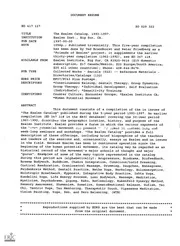
“Art was set in a radically different direction.”
— This phrase suggests a deliberate and profound shift in artistic intent and execution, hinting at forces or ideas that consciously altered the trajectory of creative expression beyond mere stylistic evolution.
“Its lineage can be traced, however, to 19th century Europe, especially France.”
— This points to a deep, perhaps hidden, historical connection, implying that the seeds of modern artistic movements were sown in earlier periods, influenced by specific cultural and intellectual trends.
“The industrial revolution, which created a middle class that not o”
— This incomplete sentence suggests that the societal impact of industrialization, particularly its effect on social structures and patronage, played an important role in reshaping the conditions for artistic creation and reception.
“Approved for Release: 2021/01/29”
— This annotation highlights the document's former classified status, underscoring its potential to reveal information not previously available to the public, adding an element of intrigue and historical significance.
“CIA Reading Room 06797578”
— This identifier signifies the source and unique accession number within the CIA's declassified archives, marking it as a specific piece of intelligence or historical record made accessible.
🌙 Esoteric Significance
Tradition
While not explicitly tied to a single esoteric tradition, the document hints at influences that resonate with Hermeticism, Alchemy, and potentially Symbolism. These traditions emphasize the hidden connections between the material and spiritual realms, the power of symbolic language, and the transformative potential of understanding universal principles, all of which seem to be explored through the lens of artistic creation and color theory.
Symbolism
The primary symbolism revolves around color itself, treated as a potent vehicle for conveying meaning, emotion, and consciousness. The document suggests that specific color palettes and arrangements, particularly within the Washington and New York Schools, were not arbitrary but carried intentional symbolic weight, potentially reflecting societal shifts, psychological states, or even deeper metaphysical concepts that influenced the artists.
Modern Relevance
In an age saturated with visual media and constant information, understanding the symbolic power of color and form remains critically relevant. This document encourages a deeper, more discerning engagement with art and imagery, prompting us to look beyond superficial aesthetics and consider the underlying messages and influences that shape our perceptions and cultural narratives.
👥 Who Should Read This Book
This declassified document is essential for art historians seeking to broaden their understanding of modernist movements beyond conventional narratives. It will resonate deeply with philosophers and cultural theorists interested in the interplay between societal change and artistic expression. Seekers of esoteric knowledge will find value in its exploration of symbolic language and the potential for hidden meanings within art. Practitioners of visual arts or consciousness studies might find inspiration in its insights into the deliberate use of color and form to influence perception and evoke specific states.
📜 Historical Context
The mid-20th century, particularly the post-World War II era, was a period of immense global transformation. In America, this manifested as a burgeoning sense of national identity, rapid technological advancement, and a burgeoning cultural landscape increasingly influenced by abstract expressionism and other modernist movements. The rise of a new, educated middle class, fostered by industrialization and economic prosperity, created a greater demand for art and cultural experiences. Concurrently, the intellectual climate was rife with new philosophical inquiries, psychoanalytic theories, and a renewed interest in symbolism and the subconscious, fueled in part by the upheavals of war and a desire to understand human nature on deeper levels. This context provided fertile ground for artistic innovation, where color, form, and abstraction were explored not just for their aesthetic qualities but for their potential to convey profound, often ineffable, meaning.
📔 Journal Prompts
Reflect on a piece of art that powerfully evokes a specific emotion or state of mind. What elements, particularly color, contribute to this effect?
Consider the impact of industrialization on art and culture. How did it change what was created and who it was for?
In what ways can color be seen as a form of communication beyond literal representation?
How might the 'hidden currents' mentioned in the document influence contemporary art and design?
Explore a personal experience where color played a significant role in shaping your perception or understanding of a situation.
🗂️ Glossary
Modernism
A broad artistic and cultural movement characterized by a deliberate break with traditional forms and styles, emphasizing innovation, experimentation, and often a focus on subjective experience and the complexities of modern life.
Esoteric
Intended for or likely to be understood by only a small number of people with a specialized knowledge or interest; relating to or concerned with the occult or mystical.
Lineage
In this context, refers to the historical and intellectual descent of artistic movements from earlier periods, styles, or philosophical ideas.
Symbolism
The use of symbols to represent ideas and qualities by giving them symbolic meanings that are different from their literal sense.
Consciousness
The state of being aware of and responsive to one's surroundings; the totality of one's thoughts, feelings, and experiences.
🔮 Readers Also Liked
Browse all →






More by CIA Reading Room
All books →



From the “Mindfulness” Collection
View all →





More Free Occult Philosophy Books
View all →