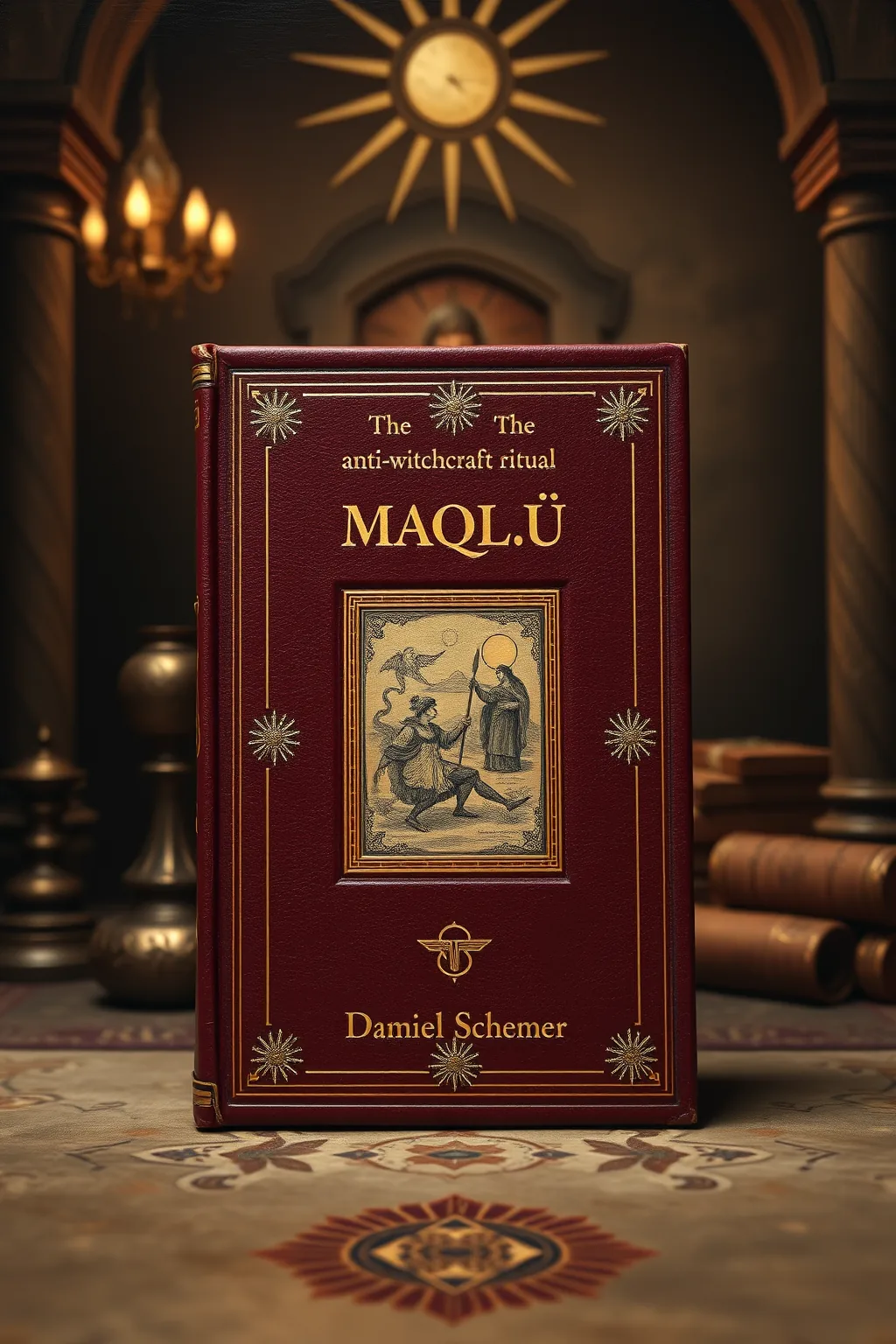
The anti-witchcraft ritual Maqlû
 61
61

The anti-witchcraft ritual Maqlû


Ophelia Vance, Mystical Literature Reviewer: Daniel Schwemer's magnum opus on the Maqlû ritual is an indispensable cornerstone for serious students of ancient Mesopotamian magic. Schwemer masterfully navigates the complexities of textual criticism and epigraphy, offering a definitive scholarly edition that illuminates the ritual's intricate layers. This work doesn't merely present an artifact; it breathes life into the exorcistic practices, revealing the deep-seated anxieties about witchcraft and the sophisticated countermeasures developed by Babylonian society. Essential for scholars of ancient religions, magic, and Assyriology, this book also offers profound insights for contemporary practitioners seeking to understand the roots of ritualistic defense and the potent symbolism embedded within ancient incantations. A truly illuminating study.
📝 Description
61
Daniel Schwemer's 2011 study reconstructs the Maqlû anti-witchcraft ritual from cuneiform manuscripts.
This book analyzes the Maqlû ritual, a significant Mesopotamian practice designed to counteract witchcraft. Schwemer meticulously examines the available cuneiform tablets to understand the ritual's structure, incantations, and purpose.
The work details how Maqlû functioned as a form of spiritual defense. It moves beyond a simple description of spells to consider the underlying beliefs about magic and its role in Babylonian society. Schwemer illustrates how the ritual addressed anxieties about malevolent forces and sought to restore cosmic balance.
By reconstructing the ritual, the book sheds light on the practical application of magic and its philosophical dimensions within ancient Mesopotamia. It offers a detailed look at a specific tradition of exorcism and spiritual protection.
Maqlû belongs to a tradition of Mesopotamian magical texts aimed at combating malevolent forces, particularly witchcraft. These rituals often involved elaborate procedures, symbolic actions, and spoken spells intended to identify, expose, and neutralize sorcerers and their curses. Such practices were deeply embedded in the worldview of ancient Near Eastern societies, where the supernatural was seen as an active force influencing daily life. Schwemer's work places Maqlû within this broader context of Mesopotamian magic, connecting it to other exorcistic and protective rites documented in the cuneiform record.
💡 Why Read This Book?
Uncover the hidden power of ancient Babylonian magic and the potent Maqlû anti-witchcraft ritual. This book offers unparalleled access to original cuneiform sources and their historical transmission, revealing the sophisticated methods used to combat malevolent forces. Ideal for scholars, practitioners, and seekers of esoteric knowledge interested in the deep roots of ritualistic protection and the historical context of ancient magic.
⭐ Reader Reviews
Honest opinions from readers who have explored this book.
❓ Frequently Asked Questions
What is the Maqlû ritual?
Maqlû is a major ancient Mesopotamian anti-witchcraft ritual, composed of multiple tablets, designed to expose and neutralize sorcery and its practitioners through powerful incantations and symbolic acts. It's a cornerstone of Mesopotamian exorcistic lore.
Who was Daniel Schwemer?
Daniel Schwemer is a distinguished scholar specializing in ancient Near Eastern religions and magic, particularly Mesopotamian exorcism and divination. His work is highly regarded for its rigorous scholarship and insightful analysis.
What historical period does this book cover?
The book primarily focuses on the historical context and textual transmission of the Maqlû ritual, which originates from ancient Mesopotamia, spanning periods of Assyrian and Babylonian rule, with its literary form solidifying in the first millennium BCE.
Is this book suitable for beginners in occult studies?
While academically rigorous, the book's detailed examination of ritual and its historical context can offer valuable foundational knowledge for dedicated beginners interested in the origins of magical practices, though prior familiarity with ancient history is beneficial.
What are the primary sources examined in this book?
The book extensively analyzes cuneiform manuscripts of the Maqlû ritual, focusing on their epigraphy, paleography, and the history of their transmission, building upon earlier scholarly editions to offer a more comprehensive textual understanding.
🔮 Key Themes & Symbolism
The Architecture of Ancient Exorcism
This theme studies the intricate structural design of the Maqlû ritual, dissecting its sequential phases, incantatory formulas, and symbolic actions as a sophisticated system for spiritual warfare. It explores how ancient Mesopotamians conceived of and constructed defenses against perceived supernatural threats, revealing the psychological and cosmological frameworks that underpinned their magical practices. The focus is on the deliberate, methodical approach to ritual, highlighting its function not just as a desperate plea but as a carefully engineered process of spiritual purification and restoration.
The Epigraphy of Power: Cuneiform and Incantation
This theme explores the physical manifestation of ancient magical power through cuneiform script. It examines the painstaking process of deciphering and understanding the clay tablets that preserve the Maqlû ritual, emphasizing the crucial role of epigraphy in reconstructing lost knowledge. The power of the written word in Mesopotamian magic is central, showing how the very act of inscribing spells and curses was believed to imbue them with potent efficacy, connecting the scribe, the text, and the divine or spiritual forces invoked.
Transmission and Textual Lineage of Esoteric Lore
This theme traces the historical journey of the Maqlû ritual across centuries and scribal traditions. It investigates how this complex body of knowledge was preserved, copied, and transmitted, revealing the challenges and nuances involved in maintaining textual integrity. Understanding this lineage offers insights into the evolution of Mesopotamian magical thought and practice, highlighting the dedication of scribes in safeguarding and perpetuating these potent esoteric traditions through the ages.
💬 Memorable Quotes
Direct passages from the work, attributed to the author.
“Words were not merely sounds, but conduits of power.”
— This highlights the ancient belief in the inherent potency of language, where spoken or written incantations could directly influence reality and invoke supernatural forces.
“The ritual was a meticulously choreographed dance with the unseen.”
— This evokes the precise and intentional nature of ancient rituals, portraying them as carefully planned sequences of actions designed to interact with and manipulate spiritual or cosmic energies.
“Against the shadow of sorcery, light was forged in clay.”
— This poetic statement contrasts the threat of malevolent magic with the protective power of ritual inscribed on clay tablets, symbolizing knowledge and defense.
“To name the enemy was to begin their unmaking.”
— This speaks to the power of identification and categorization in ancient magical thought, suggesting that accurately identifying and articulating a threat was the first step in neutralizing it.
“The traces of ancient invocations still resonate.”
— This suggests the enduring influence and potential relevance of ancient magical texts and practices, implying that their power and wisdom may still hold significance for modern seekers.
🌙 Esoteric Significance
Tradition
This work delves deeply into the esoteric tradition of ancient Mesopotamian magic, specifically focusing on exorcistic lore and anti-witchcraft practices. It illuminates a sophisticated system of spiritual defense and purification rooted in a complex cosmology and a profound understanding of symbolic interaction with supernatural forces. The tradition emphasizes the power of ritual, incantation, and sympathetic magic as tools for working through the unseen realms and maintaining order.
Symbolism
Key symbols within the Maqlû ritual include fire (purification), effigies (representation and destruction of the enemy), specific herbs and materials (carriers of symbolic power), and divine names (invoking authoritative forces). The act of burning effigies, for instance, symbolizes the ritualistic destruction of the sorcerer and their malevolent influence, embodying the principle of sympathetic magic where an action performed on a representation affects the actual object.
Modern Relevance
The study of Maqlû offers useful insights into the enduring human need for protection against perceived threats, both external and internal. Its sophisticated approach to ritual and symbolic action provides a historical lens through which to understand contemporary practices in protective magic, spiritual warfare, and psychological resilience. The text serves as a evidence of the universal quest for order and the creative ways humanity has sought to engage with and influence the forces beyond our immediate comprehension.
👥 Who Should Read This Book
Scholars of ancient Near Eastern studies, Assyriology, and religious history will find this a definitive resource. Practitioners of modern occultism and ritual magic seeking to understand the historical roots and foundational principles of exorcistic practices will discover invaluable insights. Seekers of esoteric knowledge interested in the evolution of magical thought and the power of ancient incantations will be deeply rewarded. Beginners in occult studies can gain a grounded understanding of historical magical systems, provided they approach it with academic curiosity.
📜 Historical Context
The Maqlû ritual emerged from the collection of ancient Mesopotamian civilization, a society deeply intertwined with the divine and the supernatural. Flourishing primarily in the first millennium BCE during periods of Assyrian and Babylonian dominance, this era witnessed a sophisticated development of religious and magical practices. The threat of witchcraft, perceived as a potent force capable of disrupting social order and individual well-being, was a significant concern. In response, learned scribes meticulously compiled and transmitted exorcistic lore, of which Maqlû is a prime example. This ritual functioned as a vital mechanism for maintaining cosmic balance and societal harmony, reflecting a worldview where spiritual and material realms were in constant interplay. The preservation of these texts on clay tablets, painstakingly copied and studied, speaks to a profound respect for knowledge and the enduring power attributed to written incantations.
📔 Journal Prompts
Reflect on the concept of 'spiritual warfare' as depicted in the Maqlû ritual. How might ancient beliefs about combating malevolent forces inform modern approaches to psychological or energetic defense?
Consider the role of the written word in ancient Mesopotamian magic. How does the act of inscribing incantations imbue them with power in this context, and how does this compare to the power of text in contemporary spiritual or magical practices?
Analyze the symbolism of purification rituals, such as fire and burning effigies, within the Maqlû context. What universal archetypes do these symbols tap into, and how are they expressed in other cultures or traditions?
Imagine yourself as a scribe tasked with preserving the Maqlû ritual. What challenges would you face in ensuring its accurate transmission, and what would be your understanding of its importance?
Explore the anxieties surrounding witchcraft in ancient Mesopotamia. How did these fears shape societal structures and individual behavior, and can we draw parallels to modern societal anxieties and their manifestations?
🗂️ Glossary
Maqlû
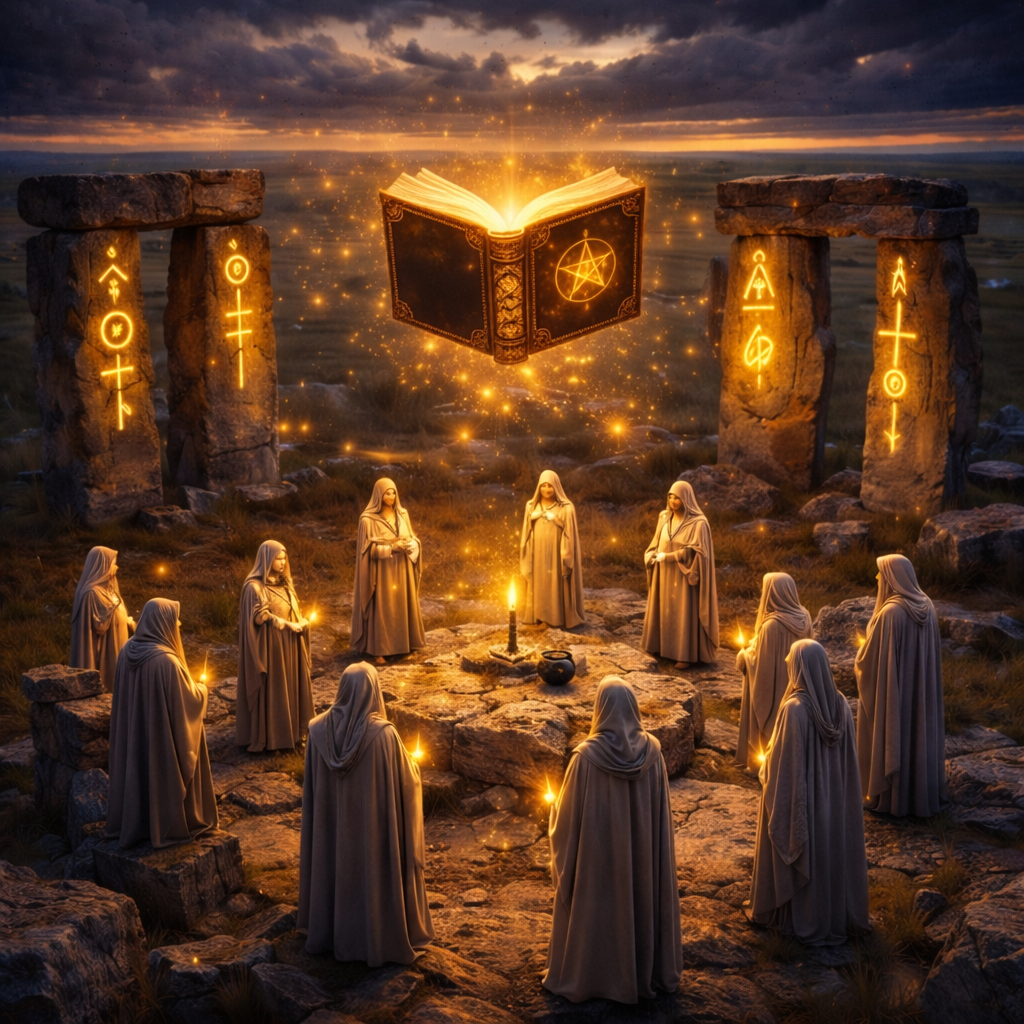
Literally meaning 'burning,' this refers to a major ancient Mesopotamian anti-witchcraft ritual composed of multiple tablets, involving the symbolic burning of effigies and the recitation of powerful incantations to neutralize sorcery.
Cuneiform
An ancient writing system developed in Mesopotamia, characterized by wedge-shaped marks impressed on clay tablets using a stylus. It was used for a wide range of purposes, including magical and religious texts.
Epigraphy
The study of inscriptions, particularly ancient ones. In the context of Maqlû, it involves the examination of the physical writing on clay tablets to understand their script, dating, and variations.
Exorcism
A ritual performed to expel demons or evil spirits from a person or place. Mesopotamian exorcistic lore, like Maqlû, aimed to cleanse and protect against malevolent supernatural influences.
Incantation
A series of words said or sung as a magic spell or charm. In Maqlû, incantations were carefully crafted to invoke divine aid, condemn sorcerers, and enforce spiritual order.
This book appears in 3 collections
🔮 Readers Also Liked
Browse all →


More by Daniel Schwemer
All books →

From the “Ritual Magic” Collection
View all →





More Free Magic & Ritual Books
View all →