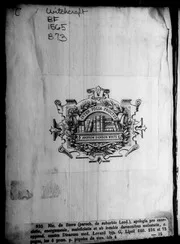
Apologia pro exorcistis, energumenis, maleficiatis, & ab incubis daemonibus molestatis, in qvatvor partes divisa. In qua demonstratur fuisse omni aevo, ... 1660: Iss 146
 75
75

Apologia pro exorcistis, energumenis, maleficiatis, & ab incubis daemonibus molestatis, in qvatvor partes divisa. In qua demonstratur fuisse omni aevo, ... 1660: Iss 146



Ophelia Vance (Mystical Literature Reviewer) — Nicolas de Borre's 'Apologia pro exorcistis' stands as a formidable defense of spiritual disciplines often relegated to the fringes of theological discourse. Its strength lies in its systematic approach, presenting a compelling historical and philosophical argument for the legitimacy of exorcism and the reality of demonic influence. Borre's meticulous scholarship offers profound esoteric insights into the nature of spiritual affliction and the divine mechanisms for salvation. This work is essential for scholars of demonology and witchcraft, as well as practitioners seeking a deeper understanding of ancient rites and the energetic dynamics of spiritual warfare. A crucial addition to any serious occult library.
📝 Description
75
Nicolas de Borre's 1660 'Apologia pro exorcistis' argues for the constant reality of spiritual warfare and demonic influence.
Published in 1660, Nicolas de Borre's 'Apologia pro exorcistis' presents a defense of exorcism and spiritual warfare across all historical periods. The work is divided into four parts and examines individuals afflicted by demonic forces, including possession, witchcraft, and torment from incubi. Borre frames these experiences not as superstition but as genuine spiritual struggles. He details the celestial hierarchy and the nature of spiritual corruption, asserting a divine authority for liberation from these afflictions.
The book addresses those suffering from demonic molestations, detailing their conditions and the methods of spiritual defense. It aims to legitimize the practice of exorcism and the understanding of spiritual warfare within a historical and metaphysical framework. Borre's text serves as a guide to comprehending the historical context of spiritual defense and the dynamics of the unseen world.
This text engages with the late medieval and early modern Christian demonology, a significant current within esoteric thought. It intersects with traditions concerned with the unseen world, spiritual causality, and the efficacy of ritual in combating malevolent forces. Borre's work reflects a period where theological and metaphysical explanations for suffering were intertwined with practices aimed at spiritual purification and defense, situated within a broader framework of divine order and intervention.
💡 Why Read This Book?
Uncover the historical roots and esoteric rationale behind spiritual warfare and exorcism. This seminal work offers profound insights into the nature of demonic influence and the divine authority for liberation, essential for scholars of occult history, theology, and practitioners of spiritual defense seeking to understand ancient practices.
⭐ Reader Reviews
Honest opinions from readers who have explored this book.
❓ Frequently Asked Questions
What is the primary purpose of Borre's 'Apologia'?
The primary purpose is to defend the practice of exorcism and to demonstrate its historical legitimacy and necessity in combating demonic influence and spiritual affliction throughout all ages.
Who are the 'energumenis, maleficiatis, & ab incubis daemonibus molestatis' mentioned in the title?
These terms refer to individuals afflicted by demonic possession ('energumenis'), witchcraft ('maleficiatis'), and torment by incubi or other demons ('ab incubis daemonibus molestatis').
What historical period does this book primarily address?
While arguing for its presence throughout all epochs, the book was published in 1660, reflecting the theological and occult concerns of the late 17th century, particularly regarding witchcraft and demonology.
What kind of knowledge can one expect to find within this text?
Readers can expect detailed theological arguments, historical accounts of spiritual warfare, and insights into the perceived nature and methods of demonic entities, all framed within a defense of spiritual liberation.
Is this book suitable for beginners in occult studies?
While foundational, the text is dense and scholarly. Beginners might benefit from introductory texts on demonology first, but for dedicated seekers of historical occult defenses, it is invaluable.
🔮 Key Themes & Symbolism
The Vindication of Exorcism
This theme centers on Borre's rigorous defense of the ancient rite of exorcism, portraying it not as superstition but as a divinely sanctioned practice essential for confronting and expelling malevolent spiritual forces. The book meticulously argues for the continuous presence and efficacy of exorcism across all historical periods, establishing its importance in spiritual warfare and the protection of souls from demonic dominion. It explores the theological underpinnings that validate this sacred art, offering a counter-narrative to skepticism and fear.
The Nature of Demonic Affliction
Borre meticulously dissects the various forms of spiritual torment inflicted by demonic entities, including possession, witchcraft, and the specific torments caused by incubi. The text aims to clarify these experiences, presenting them as tangible spiritual realities with observable manifestations. By detailing the 'energumenis, maleficiatis, & ab incubis daemonibus molestatis,' the author provides a framework for understanding the insidious ways darkness attempts to corrupt and control human existence, offering clarity to those who suffer or witness such phenomena.
Spiritual Warfare and Divine Mandate
Fundamentally, , 'Apologia pro exorcistis' is a treatise on spiritual warfare – the ongoing struggle between divine light and infernal darkness. Borre asserts that humanity is divinely equipped and mandated to engage in this battle, with exorcism serving as a crucial weapon. The book elucidates the spiritual principles and divine authority that empower individuals and the Church to reclaim souls and territories from demonic encroachment, highlighting the active role of faith and sacred ritual in maintaining spiritual equilibrium.
💬 Memorable Quotes
Direct passages from the work, attributed to the author.
“In omni aevo, a demonibus humanum genus vexatum fuit.”
— This foundational statement emphasizes the pervasive and timeless nature of demonic interference in human affairs, setting the stage for the book's argument.
“Exorcismus est clavis ad reserandum inferni portas.”
— This metaphorical quote highlights exorcism as a vital spiritual tool, possessing the power to unlock and overcome the oppressive forces of the infernal realm.
“Incubi nocturnas umbras portant.”
— This poetic line alludes to the sinister and shadowy nature of incubi, suggesting their association with the darkness and fear that pervades the night.
“Energumenos spiritus sanctus liberat.”
— This statement directly links the power of the Holy Spirit to the liberation of the possessed, emphasizing the divine source of healing and freedom from demonic influence.
💡 Key Ideas
Editorial paraphrase of the work's core concepts — not direct quotes.
Maleficiati lumen veritatis amittunt.
This quote speaks to the deceptive nature of witchcraft and its ability to cloud judgment and obscure truth for those afflicted, underscoring the need for spiritual intervention.
🌙 Esoteric Significance
Tradition
This work is deeply rooted in the Western esoteric tradition, particularly within Christian demonology and theological frameworks that acknowledge the active participation of spiritual entities in the human world. It draws upon patristic writings and medieval scholasticism, reinterpreting and defending these ancient doctrines in the context of early modern anxieties about witchcraft and possession. The defense of exorcism aligns with practices found in various mystical and Gnostic traditions that emphasize spiritual warfare and the liberation of the soul from corporeal or demonic enslavement.
Symbolism
The text is rich with symbolic language, though often presented through theological discourse rather than overt occult symbolism. Key symbolic concepts include light versus darkness, purity versus corruption, and the celestial versus the infernal. 'Energumenis' symbolizes the soul under siege, 'maleficiatis' represents the perversion of natural order through dark arts, and 'incubi' embody the insidious, invasive nature of demonic influence. The act of exorcism itself symbolizes divine intervention and the restoration of spiritual sovereignty and divine order.
Modern Relevance
In contemporary times, Borre's 'Apologia' offers a historical lens into enduring human fascinations with the unseen, the occult, and the nature of spiritual struggle. For practitioners of esoteric traditions, it provides a foundational text on spiritual defense and the historical understanding of demonic influence. Scholars find it important for understanding the evolution of demonology and the cultural impact of religious beliefs. It prompts reflection on the human psyche's engagement with concepts of good and evil, and the persistent human need for protection and spiritual liberation in a complex world.
👥 Who Should Read This Book
This profound work is essential for scholars of religious history, demonology, and the occult, offering a primary source on 17th-century beliefs and practices. Adept practitioners of spiritual warfare or deliverance ministries will find invaluable historical context and theological reinforcement for their work. Seekers of hidden knowledge and those fascinated by the metaphysical dimensions of human existence will appreciate its rigorous defense of spiritual realities. While dense, it is highly recommended for anyone dedicated to understanding the historical and esoteric underpinnings of combating malevolent spiritual forces.
📜 Historical Context
Published in 1660, Nicolas de Borre's 'Apologia pro exorcistis' emerged during a period rife with both intense religious fervor and widespread suspicion of witchcraft and demonic activity across Europe. The 17th century was a peak era for witch trials and theological debates surrounding demonology. This text reflects the prevailing worldview where the spiritual and physical realms were inextricably linked, and the presence of supernatural forces, both angelic and demonic, was widely accepted. Borre's work positions itself within this context, offering a scholarly defense of practices intended to maintain spiritual order and protect the populace from perceived malevolent influences. It speaks to the anxieties of an era grappling with the visible and invisible forces shaping human destiny, seeking to provide theological and historical justification for spiritual countermeasures.
📔 Journal Prompts
Analyze the historical context of 1660 and its influence on beliefs about demonic activity and exorcism as presented by Borre.
Explore the symbolic meaning of 'energumenis,' 'maleficiatis,' and 'incubi' within the broader framework of esoteric traditions.
How does Borre's defense of exorcism challenge or align with modern perspectives on mental health and spiritual well-being?
Reflect on the concept of 'spiritual warfare' as articulated in this text and its potential applications in contemporary life.
Consider the role of faith and divine mandate in the practice of spiritual liberation as described by Nicolas de Borre.
🗂️ Glossary
Exorcistis
Refers to priests or individuals authorized and trained to perform exorcisms, the ritualistic casting out of demons or evil spirits from a person or place.
Energumenis
Individuals believed to be possessed by demonic spirits, experiencing physical, mental, or spiritual disturbances attributed to this possession.
Maleficiatis
Those afflicted by witchcraft or sorcery, suffering negative effects believed to be caused by spells, curses, or malevolent magical practices.
Incubi
Demonic entities, typically male, believed to lie upon sleepers, causing nightmares, sleep paralysis, and sometimes sexual assault or spiritual oppression.
Apologia
A formal written defense of one's opinions or conduct, especially in a philosophical or theological context. In this case, a defense of exorcists and the afflicted.
This book appears in 2 collections
🔮 Readers Also Liked
Browse all →







From the “Witchcraft” Collection
View all →


More Free Witchcraft & Paganism Books
View all →