What is Exorcism?
Exorcism is a ritual practiced to compel the expulsion of a supposed supernatural entity, such as a demon or spirit, from a person or place. This practice is found in various religious and cultural traditions, often involving prayers, incantations, sacred objects, and specific symbolic actions. The belief underlying exorcism is that certain individuals or locations are afflicted by malevolent spiritual forces requiring a formal intervention to restore balance or purity.
Best Books for Complete Beginners
For those new to the subject, 'The Exorcist' by William Peter Blatty offers a fictional yet influential narrative that brought the concept to mainstream attention. Joseph Delaney's 'The Spook's Apprentice' and 'The Spook's Curse' provide accessible, engaging introductions to themes of confronting dark forces, framed within a young protagonist's journey. 'Ein Exorzist erzählt' by Gabriele Amorth, though written by a seasoned exorcist, offers insights into practical application in a direct, narrative style that can be grasped by newcomers.
Intermediate Reading
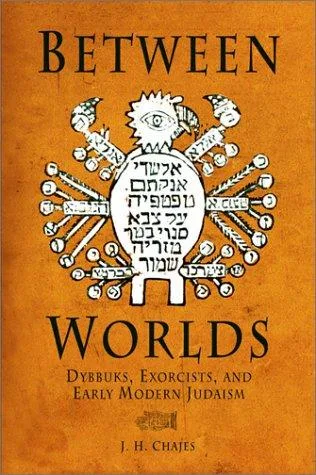
Intermediate readers can look at more scholarly works. Sarah Ferber's 'Demonic Possession and Exorcism' provides a comprehensive overview of historical and contemporary perspectives. J. H. Chajes' 'Between Worlds' explores early modern European demonology and its intellectual context. 'The Summer of the Ubume' by Natsuhiko Kyōgoku offers a Japanese perspective on spiritual possession and its resolution through narrative and ritual.
Classical / Advanced Texts
Advanced study requires engaging with primary historical sources. Francesco Maria Guazzo's 'Compendium Maleficarum' (1608) is an important work detailing witchcraft and demonic possession. Candido Brognolo's 'Manuale exorcistarum, ac parochorum' (1714) offers a detailed Catholic ritual manual for priests. Nicolas de Borre's 'Apologia pro exorcistis, energumenis, maleficiatis, & ab incubis daemonibus molestatis' (1660) defends the practice and the role of exorcists.
Reading Order — Step by Step
Begin with accessible narratives like William Peter Blatty's 'The Exorcist' or Joseph Delaney's 'The Spook's Apprentice' (Month 1, Weeks 1-2). Transition to introductory non-fiction such as Gabriele Amorth's 'Ein Exorzist erzählt' or Sarah Ferber's 'Demonic Possession and Exorcism' (Month 1, Weeks 3-4). In Month 2, explore scholarly works like J. H. Chajes' 'Between Worlds' and Natsuhiko Kyōgoku's 'The Summer of the Ubume'. For advanced study, dedicate Month 3 to primary historical texts, starting with Francesco Maria Guazzo's 'Compendium Maleficarum', followed by Candido Brognolo's 'Manuale exorcistarum' and Nicolas de Borre's 'Apologia pro exorcistis'.
Frequently Asked Questions
Which exorcism book should I read first?
For a beginner, 'The Exorcist' by William Peter Blatty offers a compelling fictional entry point. For a more factual introduction, start with Gabriele Amorth's 'Ein Exorzist erzählt' or Sarah Ferber's 'Demonic Possession and Exorcism'.
Are there historical exorcism manuals available?
Yes, classical texts like Francesco Maria Guazzo's 'Compendium Maleficarum' (1608) and Candido Brognolo's 'Manuale exorcistarum, ac parochorum' (1714) serve as detailed historical manuals for the practice.
Where can I find non-Western perspectives on possession?
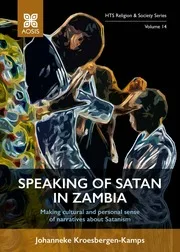
'The Summer of the Ubume' by Natsuhiko Kyōgoku presents a Japanese narrative context for spiritual disturbances. 'Speaking of Satan in Zambia' explores contemporary African interpretations of Satanism and possession.
What is the difference between demonology and exorcism?
Demonology is the study and classification of demons and their hierarchies, while exorcism is the practical ritual performed to expel these entities from individuals or places.
Are there academic studies on exorcism?
Certainly. Sarah Ferber's 'Demonic Possession and Exorcism' is a key academic text. J. H. Chajes' 'Between Worlds' also provides scholarly analysis of historical beliefs surrounding possession and magic.
What ancient texts discuss dealing with evil spirits?
Ancient Mesopotamian incantations, such as those found in Markham J. Geller's work on 'Canonical Udug-hul Incantations,' detail methods for protection against malevolent spirits.
How did historical figures view exorcists?
Historical texts like Nicolas de Borre's 'Apologia pro exorcistis' (1660) actively defended the role and necessity of exorcists, while others, like Nicolas Aubin's 'The cheats and illusions of Romish priests and exorcists' (1703), were critical.