Fairy Tales and Stories

 82
82

Fairy Tales and Stories
The enduring appeal of Hans Christian Andersen's "Fairy Tales and Stories" lies not just in their whimsical plots but in their surprisingly sharp observations of societal foibles and the human heart. The collection, first formally gathered in 1920, presents narratives that transcend simple entertainment, offering allegorical weight for the discerning reader. Andersen’s genius is in his ability to imbue even the most fantastical scenarios with a palpable sense of reality and pathos, making characters like the lonely Little Mermaid or the ostracized Ugly Duckling feel acutely human. A particular strength is the melancholic undercurrent that pervades many tales, acknowledging the sorrow and sacrifice often inherent in growth and transformation. However, the sheer volume and varied tone across the collection can occasionally lead to a less focused reading experience. Some tales are stark in their depiction of suffering, which, while powerful, might feel bleak to readers seeking purely uplifting content. Despite this, the collection remains a vital exploration of archetypal struggles and the complex interplay between appearance and essence. It is a foundational text for understanding the modern literary fairy tale.
📝 Description
82
Hans Christian Andersen's collected 'Fairy Tales and Stories' appeared in 1920.
Hans Christian Andersen's "Fairy Tales and Stories," first gathered into a collection in 1920, contains narratives that resonate beyond their surface appeal. These stories frequently feature archetypal figures, significant personal transformations, and encounters with the unusual. Well-known works like "The Little Mermaid," "The Snow Queen," and "The Ugly Duckling" are included, each examining themes of self-sacrifice, perseverance, and the quest for acceptance.
Andersen's writing style, though appearing straightforward, possesses a somber grace and a sharp insight into human nature. He often grounds fantastical elements with a palpable sense of reality. This collection is suited for readers interested in folklore's symbolic depth and its links to psychological or spiritual ideas. It appeals to those who see stories as a way to understand complex feelings, ethical quandaries, and the unseen forces that shape existence.
While not explicitly occult philosophy, Andersen's tales draw on 19th-century European Romanticism's interest in folklore and the subconscious. The stories' focus on archetypes, the uncanny, and the inner lives of characters aligns with symbolic interpretation common in esoteric traditions. His work can be seen as reflecting a broader cultural engagement with myth and the deeper currents of human experience, often filtered through a lens of personal melancholy and moral inquiry.
💡 Why Read This Book?
• Gain insight into the archetype of the outsider through 'The Ugly Duckling,' understanding how societal perception can hinder recognition of inherent worth, a concept explored in depth by Carl Jung's analytical psychology. • Analyze the theme of sacrifice for love in 'The Little Mermaid,' examining its portrayal of self-renunciation and the pursuit of a different existence, a narrative echoed in various spiritual traditions. • Explore the concept of inner transformation through trials in 'The Snow Queen,' where overcoming adversity leads to a profound change in Gerda's understanding of love and loyalty.
⭐ Reader Reviews
Honest opinions from readers who have explored this book.
❓ Frequently Asked Questions
What is the historical period of Hans Christian Andersen's "Fairy Tales and Stories"?
Hans Christian Andersen wrote most of his iconic fairy tales in the mid-19th century, a period of Romanticism and burgeoning national folklore collection. The complete collection was formally published later, with a significant compilation appearing in 1920.
Are these tales originally intended for children?
While widely read by children, Andersen's tales often contain complex emotional themes, social commentary, and melancholic undertones that resonate with adult readers, suggesting a broader intended audience.
What makes these fairy tales relevant to esoteric studies?
The tales are rich in archetypal symbolism, exploring themes of transformation, sacrifice, and the hidden nature of reality, which are core interests in esoteric traditions and symbolic interpretation.
Where can I find a complete collection of Andersen's fairy tales?
Complete collections of Hans Christian Andersen's fairy tales are widely available in print and digital formats. Many older editions are in the public domain and can be accessed online for free.
How did "Fairy Tales and Stories" influence later literature?
Andersen's work significantly shaped the literary fairy tale genre, moving beyond simple folk retellings to incorporate original narrative, authorial voice, and psychological depth, influencing countless authors.
What are some key recurring motifs in Andersen's tales?
Recurring motifs include the contrast between inner worth and outer appearance, the pain of transformation, the longing for belonging, and the often-bittersweet nature of achieving one's desires.
🔮 Key Themes & Symbolism
Archetypes of Transformation
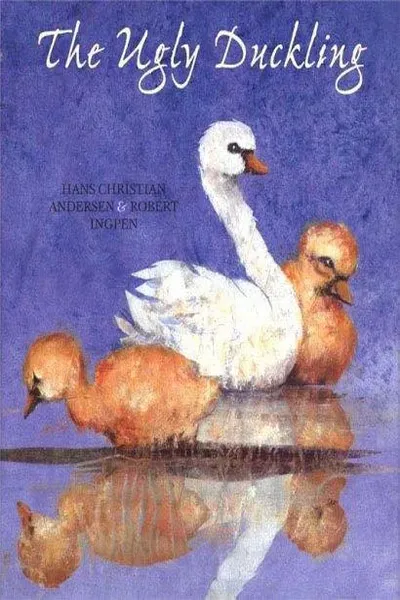
Andersen's tales frequently feature characters undergoing significant transformations, often through suffering or a journey into the unknown. 'The Ugly Duckling' exemplifies this, moving from perceived ugliness and rejection to eventual recognition of its true identity as a swan. This narrative arc mirrors esoteric concepts of alchemical transformation and the soul's journey towards its higher nature, suggesting that external appearances can be deceptive and that true essence lies within, awaiting realization through trials.
The Symbolism of Sacrifice
Sacrifice is a recurring motif, most notably in 'The Little Mermaid,' where the protagonist endures immense physical pain and relinquishes her voice and immortality for the chance of an immortal soul and romantic love. This theme aligns with sacrificial archetypes found in various mystical traditions, where self-abnegation or suffering is seen as a path to spiritual enlightenment or union. The tales explore the cost of desire and the profound changes that arise from profound acts of giving.
Duality and Hidden Realities
Many stories juxtapose outward appearances with inner truths, exploring the disparity between how things seem and what they are. 'The Snow Queen' presents a world where outward beauty can mask coldness, while true warmth and connection are found through perseverance and love. This theme invites readers to look beyond the superficial, a practice central to esoteric disciplines that seek to uncover hidden spiritual laws and the true nature of existence beneath the veil of the material world.
Yearning and Belonging
A deep sense of longing permeates many of Andersen's narratives, reflecting a universal human desire for connection, acceptance, and a place to belong. Characters often feel isolated or misunderstood, their journeys marked by a search for community or a higher purpose. This speaks to the esoteric concept of the 'divine spark' within individuals, yearning to return to its source or find its true spiritual home amidst worldly distractions and illusions.
💬 Memorable Quotes
Direct passages from the work, attributed to the author.
“I have seen the whole world; it is too beautiful to die.”
— Attributed to 'The Little Mermaid,' this sentiment reflects a profound appreciation for existence, even amidst suffering. It suggests a spiritual awakening or a deep connection to the beauty of the created world, a common experience in mystical contemplation.
“You must have an immortal soul.”
— This is a key concept for 'The Little Mermaid,' representing the ultimate goal of achieving a higher spiritual state. It reflects ancient philosophical and religious quests for transcendence and eternal life.
“Only the children knew what was happening.”
— From 'The Emperor's New Clothes,' this highlights the uncorrupted perception of innocence. Esoterically, it aligns with the idea that children often represent a state of pure awareness, unburdened by societal conditioning and ego.
“To travel is to live.”
— While not a direct quote from a specific tale, this reflects the overarching narrative structure of many Andersen stories, where journeys—physical and spiritual—are central to character development and plot progression, mirroring the path of spiritual seeking.
💡 Key Ideas
Editorial paraphrase of the work's core concepts — not direct quotes.
Poor creature, he had come into the world so ugly.
This line from 'The Ugly Duckling' captures the theme of being judged by appearance. Esoterically, it points to the soul's potential to be obscured by the material form or societal perceptions, highlighting the importance of recognizing inner worth.
🌙 Esoteric Significance
Tradition
Andersen's tales can be viewed through the lens of Jungian archetypal psychology, a field deeply influenced by esoteric thought. The narratives explore universal patterns of the human psyche—the hero's journey, the shadow, the anima/animus—which are fundamental concepts in Hermetic and Gnostic traditions concerning the soul's journey and self-realization. His work doesn't strictly adhere to a single esoteric lineage but rather taps into a collective unconscious rich with symbolic meaning relevant across many mystical paths.
Symbolism
Key symbols include the transformation of the 'Ugly Duckling' into a swan, representing the soul's hidden potential and eventual recognition of its divine nature. 'The Little Mermaid's' sacrifice for an immortal soul signifies the arduous path of spiritual ascent, often requiring the relinquishing of earthly attachments. The 'Snow Queen's' ice shards symbolize the chilling grip of materialism or intellectualism that obscures true emotional connection and spiritual warmth.
Modern Relevance
Contemporary thinkers in depth psychology, comparative mythology, and spiritual literature continue to draw upon Andersen's work. His tales are analyzed for their enduring archetypal resonance, serving as accessible entry points into complex psychological and spiritual concepts for a modern audience. Practices focused on shadow work, self-acceptance, and understanding the transformative power of suffering find fertile ground in his narratives.
👥 Who Should Read This Book
• Aspiring practitioners of Jungian psychology and archetypal studies, seeking foundational narratives that illustrate core concepts like transformation and the shadow self. • Comparative mythology enthusiasts exploring the evolution of folklore and its symbolic underpinnings across different cultural expressions. • Readers interested in the intersection of literature and spirituality, looking for stories that offer allegorical insights into personal growth and the human condition.
📜 Historical Context
Hans Christian Andersen's "Fairy Tales and Stories" emerged in the fertile ground of 19th-century Europe, a period marked by Romanticism's fascination with folklore, national identity, and the subjective experience. While the Brothers Grimm were systematically collecting and publishing German folk tales, Andersen forged a distinct path, infusing his narratives with original literary artistry, psychological depth, and a characteristic melancholic tone. His tales, first appearing in serialized form from 1835 onwards, were initially met with mixed reception; some critics found them too unconventional or unsettling for children, while others recognized their unique genius. Andersen was writing during a time when intellectual currents included burgeoning psychology and a spiritual seeking that often found expression in symbolic literature. Unlike the Grimms' more ethnographic approach, Andersen's work was deeply personal, often drawing from his own life experiences and reflections on society, making his tales resonate with a nuanced emotional landscape that differed from the more direct moralizing of earlier didactic literature.
📔 Journal Prompts
The Ugly Duckling's journey from perceived ugliness to swanhood: what societal judgments obscure your own inherent nature?
Reflect on the sacrifices made by 'The Little Mermaid' for love and an immortal soul; what is the perceived cost of your deepest desires?
Analyze the symbolism of the 'Snow Queen's' ice shards in relation to emotional or spiritual coldness in your experience.
Consider the yearning for belonging depicted in various tales; where do you feel most truly 'at home'?
Meditate on the contrast between outer appearance and inner worth as presented in Andersen's characters.
🗂️ Glossary
Archetype
In Jungian psychology and esoteric thought, a universal, archaic pattern or image that derives from the collective unconscious and is the psychic counterpart of an instinct. Andersen's characters often embody these fundamental patterns.
Alchemical Transformation
A symbolic process, originating in alchemy, representing the purification and perfection of the soul or consciousness. Andersen's tales of metamorphosis often mirror these spiritual stages.
Collective Unconscious
A term coined by Carl Jung, referring to a layer of the unconscious mind shared by all humans, containing archetypes and primal images derived from ancestral experience.
Symbolism
The use of symbols to represent ideas and qualities. Andersen's fairy tales are rich with symbolic elements that convey deeper meanings beyond the literal narrative.
Inner Worth
The intrinsic value or quality of a person or thing, independent of external appearance or societal opinion. This is a central theme explored through characters like 'The Ugly Duckling'.
Spiritual Ascent
The process of moving towards a higher state of consciousness or spiritual enlightenment. Many of Andersen's characters undertake journeys that can be interpreted as spiritual quests.
Melancholy
A state of pensive sadness, often with no obvious cause. Andersen frequently imbues his tales with this quality, reflecting a deeper understanding of life's inherent sorrows.
🔮 Readers Also Liked
Browse all →








More by Hans Christian Andersen
All books →




More Free Occult Philosophy Books
View all →