The Ugly Duckling

 84
84

The Ugly Duckling
Hans Christian Andersen’s "The Ugly Duckling" presents a deceptively simple narrative that carries significant psychological weight. The tale’s enduring appeal lies in its raw portrayal of social ostracism and the quiet suffering of the protagonist. The passage describing the duckling’s desperate attempts to fit in, only to be met with derision, is particularly poignant. However, the narrative's resolution, while satisfying, can feel abrupt, with the transformation into a swan occurring with little intermediate development. The work’s strength is its empathetic depiction of the outcast experience, offering solace to those who feel fundamentally different. Its limitation is the somewhat archetypal nature of the characters, serving more as symbolic representations than fully fleshed individuals. The tale ultimately functions as a powerful, if unsubtle, parable on identity and belonging.
📝 Description
84
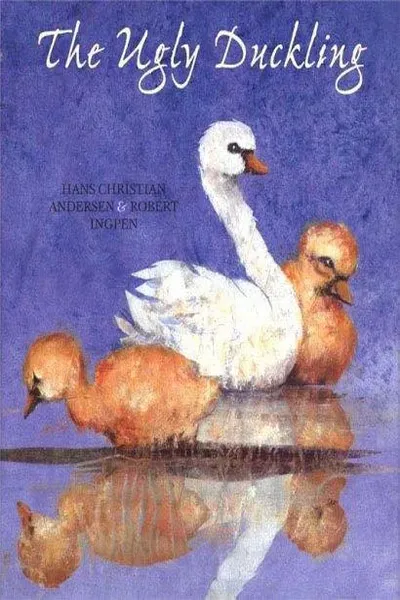
Hans Christian Andersen's 1843 fairy tale, 'The Ugly Duckling,' tells of a bird ostracized before finding his true form.
The story follows a young bird, hatched in a barnyard and deemed ugly by those around him. He suffers mistreatment and loneliness due to his perceived difference. His struggles continue until he matures and realizes he is, in fact, a swan, beautiful and belonging to a different flock. This tale, first published in 1843 and presented here in a 1945 edition, resonates with anyone who has felt like an outsider. It examines how societal judgment can warp an individual's self-perception and the eventual liberation that comes with recognizing one's inherent identity. The narrative contrasts external opinions with an individual's inner truth, illustrating the pain of being seen as an outcast and the freedom found in self-understanding.
While not explicitly esoteric, Andersen's tale aligns with currents of thought emphasizing inner worth and individual destiny, themes often explored in esoteric traditions. The narrative's focus on a misunderstood being who blossoms into his true, noble form after enduring hardship echoes concepts of spiritual evolution and the unveiling of the true self. It speaks to the idea that external circumstances and opinions do not define one's ultimate potential or inherent nature, a concept found in various mystical and philosophical systems that posit a hidden, divine spark within each individual.
💡 Why Read This Book?
• Learn the psychological impact of societal judgment, as seen in the duckling's early experiences in the barnyard, which mirrors real-world ostracism. • Understand the concept of innate potential and self-discovery, exemplified by the duckling's eventual realization of his swan identity, a core esoteric notion of inherent truth. • Gain insight into the nature of transformation and belonging, highlighted by the contrast between the harsh barnyard environment and the graceful realm of the swans.
⭐ Reader Reviews
Honest opinions from readers who have explored this book.
❓ Frequently Asked Questions
When was The Ugly Duckling originally published?
The Ugly Duckling was first published by Hans Christian Andersen in 1843 as part of a collection of his fairy tales.
What is the main message of The Ugly Duckling?
The primary message concerns the discovery of one's true identity and the idea that outward appearance and societal judgment do not define inner worth.
Is The Ugly Duckling based on a true story?
While inspired by Andersen's own difficult childhood and feelings of being an outsider, the story is a fictional fairy tale, not a literal biographical account.
What does the Ugly Duckling symbolize?
The duckling symbolizes anyone who feels like an outcast, misunderstood, or different from those around them, and whose true potential is yet to be recognized.
How does the story address acceptance?
The story illustrates the pain of rejection and the eventual relief and joy of finding acceptance among one's own kind, in this case, the swans.
What is the significance of the swan in the story?
The swan represents beauty, grace, and belonging, signifying the protagonist's true nature and the realization of his inherent, unrecognized nobility.
🔮 Key Themes & Symbolism
The Alienation of the Self
The narrative vividly portrays the profound isolation experienced by the protagonist due to his perceived difference. This theme speaks to esoteric concepts of the soul's estrangement from the material world or societal norms. The duckling's inability to conform to the barnyard's expectations mirrors the spiritual aspirant's struggle against mundane preoccupations and superficial values. His suffering stems not from inherent flaw, but from being misplaced, a concept central to Gnostic ideas of the spark of divinity trapped in a flawed creation.
Innate Potential and True Nature
Central to the tale is the idea that the duckling possesses an inherent, albeit hidden, nature. His eventual transformation into a swan underscores the esoteric principle that one's true essence is immutable and will eventually manifest. This aligns with Hermetic teachings on the divine spark within all beings and the journey of recognizing and actualizing that potential. The story suggests that external circumstances and the opinions of others cannot alter one's fundamental identity, a core tenet in many mystical traditions that emphasize inner knowing over external validation.
Transformation and Belonging
The journey from perceived ugliness to recognized beauty signifies a profound transformation, not of substance, but of awareness and acceptance. The duckling finds belonging only when he encounters those who share his true form, suggesting that genuine connection arises from shared essence. This echoes mystical quests for union with the divine or the soul's return to its source. The story implies that true belonging is found not through assimilation into the unsuitable, but through recognition of kindred spirits and one's rightful place within a larger, harmonious whole.
The Tyranny of Perception
Andersen critically examines how societal perception can inflict deep psychological wounds. The barnyard creatures' judgment creates the duckling's initial suffering, highlighting the destructive power of superficial assessment. Esoterically, this relates to the illusion (Maya) that binds individuals to limited viewpoints. The story suggests that liberation comes from transcending these imposed definitions and recognizing the reality beyond the veil of conventional opinion, a process akin to spiritual awakening.
💬 Memorable Quotes
Direct passages from the work, attributed to the author.
“It doesn’t matter if you are born in a duck yard, if you have lain in a swan’s egg.”
— This statement captures the core esoteric message: one's true origin and inherent nature transcend the circumstances of one's upbringing or the judgments of those who do not understand.
“And the great, gray bird… was a swan!”
— This is the moment of revelation, symbolizing the recognition of one's true self or spiritual identity after a period of misunderstanding and self-doubt.
“The other birds pecked and pushed him about.”
— This highlights the theme of social rejection and the pain of being an outcast, a common experience for those on a spiritual path who deviate from the norm.
“He felt that he was more beautiful than ever.”
— This signifies the internal shift towards self-acceptance and the realization of one's inherent worth, independent of external validation.
“It is all the same, whether you are hatched in a hen-coop or a duck-pond, so long as you have once lain in a swan’s egg.”
— This reinforces the idea that one's essential being, determined by one's origin or spiritual blueprint, is paramount, regardless of the perceived lowly beginnings.
🌙 Esoteric Significance
Tradition
The story resonates strongly with Neoplatonic and Hermetic philosophies, particularly the concept of the soul's inherent divine nature temporarily obscured by its earthly vessel or societal conditioning. It mirrors the Gnostic idea of the divine spark trapped within a flawed world, seeking recognition and return to its origin. The narrative serves as an allegory for the spiritual journey of individuation, where the aspirant must shed external definitions to embrace their true, higher self.
Symbolism
The 'ugly duckling' itself is a potent symbol of the spiritual aspirant or the true Self unrecognized by the mundane world. The barnyard represents the material plane or societal consensus, characterized by superficiality and prejudice. The swans symbolize the higher Self, divine beings, or enlightened souls, representing the protagonist's true lineage and ultimate destiny. The act of transformation signifies spiritual awakening and the realization of one's inherent divinity.
Modern Relevance
Contemporary movements focusing on self-acceptance, authenticity, and overcoming imposter syndrome draw heavily from the duckling's narrative arc. Thinkers in positive psychology and personal development often cite the tale as an example of innate potential triumphing over adverse circumstances. It remains a touchstone for discussions on identity formation and the importance of finding one's 'flock' or community, whether in spiritual circles, therapeutic groups, or subcultures that value unique self-expression.
👥 Who Should Read This Book
• Individuals experiencing feelings of alienation or social ostracism, seeking validation and a narrative of eventual belonging. • Students of comparative mythology and folklore, interested in archetypal stories of transformation and the hero's journey. • Seekers exploring themes of self-discovery and the realization of one's true potential, particularly those drawn to allegorical narratives.
📜 Historical Context
Hans Christian Andersen published "The Ugly Duckling" in 1843, a period marked by the height of European Romanticism. This literary movement emphasized individualism, emotion, and the sublime, often finding beauty in the unconventional or the outcast. Andersen’s tale aligns with this spirit, celebrating the inherent worth of the individual against societal prejudice. The mid-19th century also saw the rise of burgeoning psychological inquiry in literature, moving beyond simple morality tales. While not directly tied to esoteric orders like the Golden Dawn, which would emerge later in the century, the story’s focus on inner transformation and true identity tapped into a broader cultural fascination with the unseen self. Its reception was generally positive, contributing to Andersen's growing international fame, though some critics at the time might have preferred more straightforward didactic stories.
📔 Journal Prompts
The barnyard's judgment versus the swan's recognition: Where do you see this dichotomy in your own life?
Reflect on the moment the duckling first saw his reflection among the swans.
The suffering caused by perceived ugliness: How did external opinion shape the duckling's early experience?
Consider the duckling's journey toward self-acceptance after leaving the barnyard.
The inherent nature of the swan: What innate qualities did the duckling possess all along?
🗂️ Glossary
Barnyard
Symbolically represents the mundane world, societal expectations, and environments that foster prejudice and superficial judgment, hindering the recognition of true essence.
Swan
Represents the true self, inherent nobility, spiritual potential, and belonging. It is the ideal form towards which the protagonist is drawn and ultimately becomes.
Ugly Duckling
The protagonist's initial perceived identity, symbolizing anyone who feels like an outcast, misunderstood, or different, unaware of their true, higher nature.
Ostracism
The act of being shunned or rejected by a group, reflecting the psychological pain and isolation experienced by those who do not conform to prevailing norms.
Transformation
The process of change from a perceived state of inadequacy to the realization and acceptance of one's true, inherent form and potential.
Belonging
The state of being accepted and finding community among those who share one's true nature or essence, contrasting with the isolation of the barnyard.
Innate Nature
The fundamental, unchanging essence or potential with which an individual is born, regardless of external circumstances or perceptions.
🔮 Readers Also Liked
Browse all →








More by Hans Christian Andersen
All books →




More Free Occult Philosophy Books
View all →