Etymologiae
 65
65

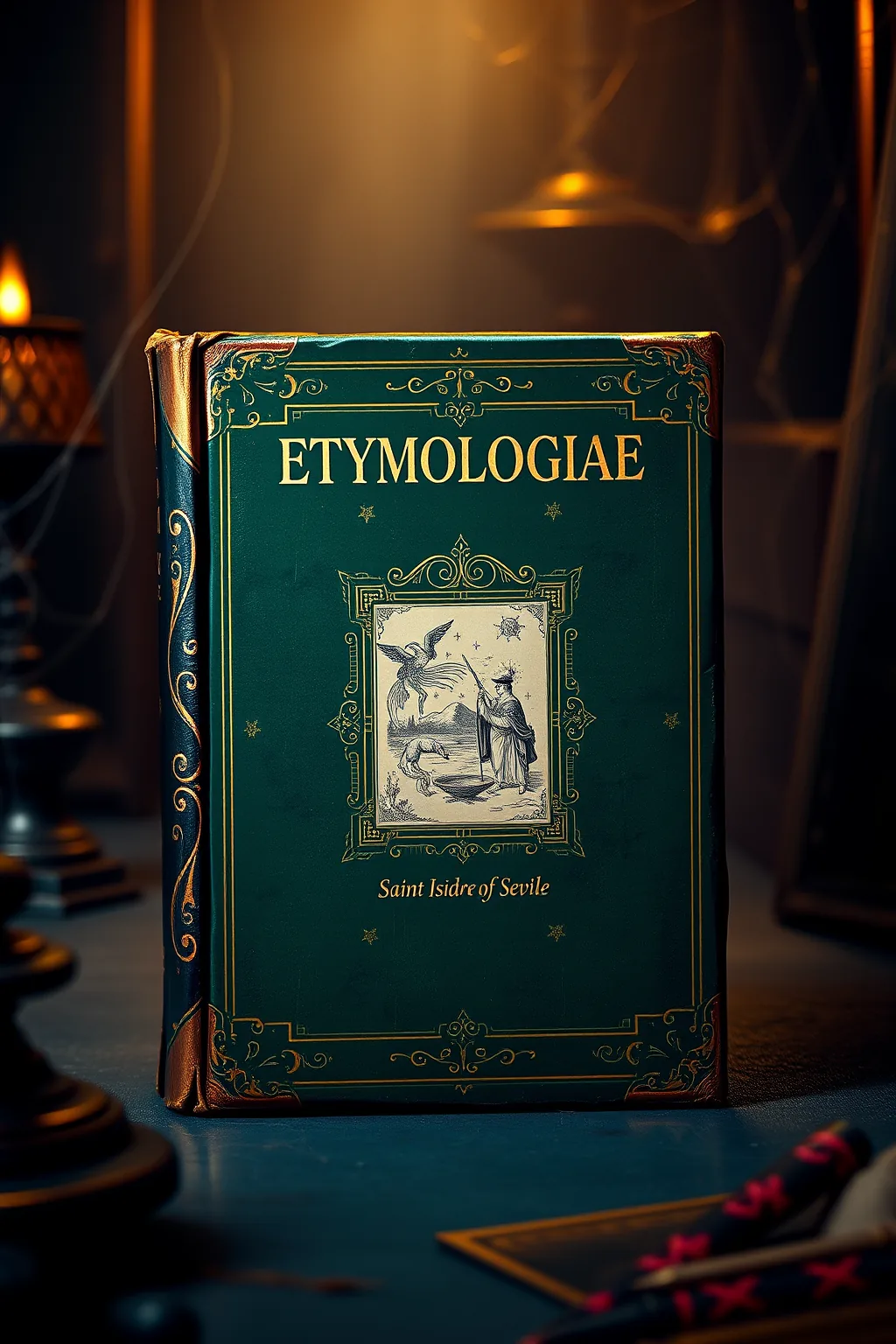
Etymologiae


Review by Celeste Moreau (Divination & Symbolism Reviewer) — 'Etymologiae' by Saint Isidore of Seville is a monumental work that bridges the gap between classical learning and medieval mysticism. Isidore's encyclopedic approach to knowledge is both comprehensive and esoteric, making it an invaluable resource for those delving into the hidden symbolism and divine lore of the late classical world. The work's strengths lie in its meticulous organization and the breadth of topics it covers, from the names of God to the technologies of agriculture. This book is a must-read for scholars of medieval studies, practitioners of divination, and anyone seeking to understand the mystical underpinnings of early Christian thought.
📝 Description
65
Saint Isidore of Seville compiled his Etymologiae between 615 and the early 630s.
This vast encyclopedia, organized by subject, covers thousands of topics drawn from classical learning. Isidore sought to preserve and transmit knowledge, arranging entries on grammar, rhetoric, logic, arithmetic, geometry, music, and astronomy. He also discusses subjects such as the human body, animals, geography, buildings, agriculture, and warfare. The work reflects a worldview where all knowledge is interconnected and reveals underlying divine order.
Isidore's aim was to provide a comprehensive reference for his contemporaries, synthesizing existing texts and ideas. The book touches upon the origins and meanings of words, linking them to philosophical and theological concepts. It is a window into the intellectual preoccupations of the early medieval period, drawing from Greek and Roman sources.
While not strictly a grimoire or occult text, the Etymologiae participated in a broader medieval intellectual current that sought hidden meanings in the natural world and in classical texts. Isidore's work, by cataloging and defining terms across diverse fields, implicitly suggested a unified structure to reality, often interpreted through theological lenses. This approach informed later traditions that looked for symbolic correspondences and divine patterns within creation, a common thread in esoteric thought.
💡 Why Read This Book?
Read 'Etymologiae' to gain access to a wealth of hidden knowledge and symbolism from the late classical world. This book is ideal for seekers of esoteric wisdom, scholars of medieval studies, and practitioners of divination. Its encyclopedic structure and profound insights make it an essential resource for understanding the interconnectedness of all knowledge and the divine wisdom that underpins the natural world.
⭐ Reader Reviews
Honest opinions from readers who have explored this book.
❓ Frequently Asked Questions
What is the significance of 'Etymologiae' in esoteric studies?
'Etymologiae' is significant because it compiles a vast array of mystical and esoteric knowledge from the late classical world, providing insights into divine lore, symbolism, and the interconnectedness of all knowledge.
Who would benefit most from reading this book?
Scholars of medieval studies, practitioners of divination, and spiritual seekers will benefit most from reading 'Etymologiae'.
What topics does 'Etymologiae' cover?
'Etymologiae' covers a wide range of topics, including the Seven Liberal Arts, the names of God, the terminology of the Law, and the technologies of fabrics, ships, and agriculture.
How does 'Etymologiae' contribute to the study of medieval mysticism?
'Etymologiae' contributes by providing a comprehensive encyclopedic approach to medieval thought, revealing the mystical underpinnings of early Christian theology and the interconnectedness of all knowledge.
Is 'Etymologiae' suitable for beginners in esoteric studies?
While 'Etymologiae' is a rich resource, it may be more suited to those with some background in medieval studies or esoteric traditions.
🔮 Key Themes & Symbolism
Divine Lore
Etymologiae studies the divine names and their symbolism, providing a deep understanding of the mystical aspects of the Christian faith. Isidore's work is a valuable collection for those seeking to uncover the hidden knowledge of the divine.
The Seven Liberal Arts
This work covers the Seven Liberal Arts, including Rhetoric, offering insights into the classical education that underpins medieval thought. The emphasis on Rhetoric reveals the power of language and symbolism in esoteric studies.
Technology and Agriculture
Etymologiae explores the technologies of fabrics, ships, and agriculture, revealing the mystical connections between human ingenuity and the natural world. This theme underscores the interconnectedness of all knowledge and the divine wisdom that guides it.
💬 Memorable Quotes
Direct passages from the work, attributed to the author.
“Rhetoric is the art of persuasion and the key to understanding symbolism.”
— This emphasizes the power of language and symbolism in medieval thought and esoteric studies.
“The encyclopedic approach to knowledge reveals the interconnectedness of all wisdom.”
— This highlights the comprehensive nature of Isidore's work and its significance in esoteric studies.
💡 Key Ideas
Editorial paraphrase of the work's core concepts — not direct quotes.
The names of God reveal the divine mysteries.
This quote highlights the esoteric significance of divine names and their role in uncovering mystical truths.
The technologies of agriculture reflect the divine order of the universe.
This quote underscores the mystical connections between human ingenuity and the natural world.
The late classical world is a valuable collection of hidden knowledge.
This quote emphasizes the rich mystical and esoteric heritage of the late classical period.
🌙 Esoteric Significance
Tradition
Etymologiae belongs to the Hermetic tradition, which seeks to uncover the hidden knowledge and symbolism of the divine. This work is a key resource for those examining the mystical aspects of medieval thought and the interconnectedness of all knowledge.
Symbolism
Key symbols in 'Etymologiae' include the names of God, the Seven Liberal Arts, and the technologies of fabrics, ships, and agriculture. These symbols represent the divine mysteries, the power of language and symbolism, and the mystical connections between human ingenuity and the natural world.
Modern Relevance
Etymologiae remains relevant today for modern practitioners of divination, scholars of medieval studies, and spiritual seekers. Its comprehensive approach to knowledge and useful insights into esoteric wisdom make it an invaluable resource for understanding the mystical underpinnings of early Christian thought.
👥 Who Should Read This Book
Beginners in esoteric studies may find 'Etymologiae' challenging due to its depth and breadth of topics. However, it is an essential resource for scholars of medieval studies, practitioners of divination, and spiritual seekers. Advanced practitioners and those with a background in medieval thought will find this work particularly enriching, as it provides useful insights into the mystical and esoteric heritage of the late classical world.
📜 Historical Context
Written between 615 and the early 630s, 'Etymologiae' by Saint Isidore of Seville is an important work that compiles the knowledge of the late classical world into an encyclopedic format. This period was marked by the transition from classical learning to medieval thought, and Isidore's work played a central role in preserving and transmitting esoteric wisdom. 'Etymologiae' was important for its comprehensive approach to knowledge, covering a wide range of topics from the divine to the earthly arts. Its influence can be seen in the development of medieval theology, philosophy, and science, making it an essential resource for understanding the mystical underpinnings of early Christian thought.
📔 Journal Prompts
How do the names of God reveal the divine mysteries in your understanding?
What role does Rhetoric play in uncovering symbolic truths?
In what ways do the technologies of agriculture reflect the divine order of the universe?
How does the encyclopedic approach to knowledge enhance your understanding of esoteric wisdom?
What insights into the late classical world do you gain from studying 'Etymologiae'?
🗂️ Glossary
Divine Lore
The study of the names and symbolism of God, revealing the mystical aspects of the Christian faith.
The Seven Liberal Arts
Classical subjects of study including Grammar, Logic, Rhetoric, Arithmetic, Geometry, Music, and Astronomy.
Rhetoric
The art of persuasion and the key to understanding symbolism and language in medieval thought.
Hermetic Tradition
A mystical and esoteric tradition that seeks to uncover hidden knowledge and symbolism of the divine.
Esoteric Wisdom
Hidden knowledge and symbolism that reveals the mystical underpinnings of the natural world and divine mysteries.
This book appears in 3 collections
🔮 Readers Also Liked
Browse all →








From the “Hermeticism” Collection
View all →







More Free Alchemy & Hermeticism Books
View all →