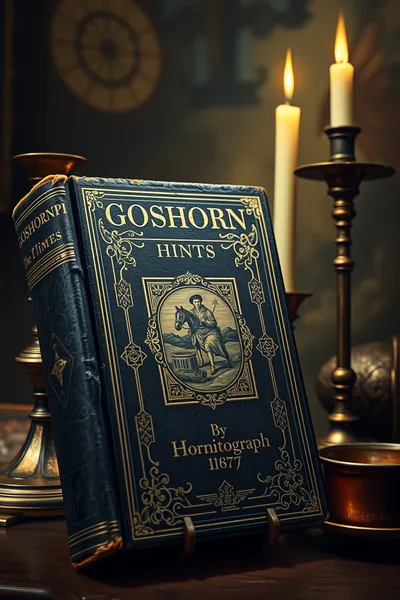
Of the chymical transmutation, genealogy and generation of metals & minerals

 61
61

Of the chymical transmutation, genealogy and generation of metals & minerals


Review by Balthazar Finch (Senior Critic, Occult Philosophy) — Paracelsus' 'Of the Chymical Transmutation, Genealogy and Generation of Metals & Minerals' is a cornerstone of alchemical literature, brimming with esoteric insights and profound philosophical depth. Paracelsus' mastery of symbolism and his ability to weave mystical themes into practical alchemy make this work indispensable for serious students of the occult. The book's strength lies in its dual focus on the material and spiritual aspects of alchemy, offering readers a holistic understanding of the transmutative process. Whether you are a seasoned alchemist or a curious seeker, this text provides a rich tapestry of knowledge that will enrich your journey into the mystical arts.
📝 Description
61
Paracelsus' 1537 treatise details the alchemical processes for transforming metals and minerals.
This text, written by Paracelsus, addresses the alchemical theories of how metals and minerals are generated and transformed. It discusses the principles of transmutation, aiming to explain the changes that occur within these substances. The language used reflects the style and vocabulary of Renaissance occult philosophy. Paracelsus connects the physical processes of alchemy to broader philosophical ideas about the nature of existence and spiritual growth.
The book presents alchemical operations not merely as material transformations but as analogies for inner development. It suggests that understanding the generation and change of metals offers insights into purification and enlightenment. This perspective links the material world to spiritual aspirations, a common theme in esoteric traditions of the period. The work invites contemplation on the hidden forces governing both the natural world and the human spirit.
Published in 1537, 'Of the Chymical Transmutation' belongs to the Hermetic tradition, which sought to understand the cosmos through correspondences between the macrocosm and microcosm. Paracelsus, a significant figure in this tradition, integrated alchemical, astrological, and medical theories. His work often presented a view where the physical transformation of substances mirrored spiritual purification. This book, therefore, sits within a lineage of esoteric thought that sees the manipulation of matter as a path to deeper knowledge and a reformed existence.
💡 Why Read This Book?
Why read this book — This book is essential for anyone interested in the mystical arts of alchemy and Hermeticism. It provides deep insights into the transmutative processes of metals and minerals, revealing the hidden knowledge that has fascinated seekers for centuries. Ideal for scholars, practitioners, and spiritual seekers, 'Of the Chymical Transmutation' offers a unique blend of philosophical wisdom and practical alchemy.
⭐ Reader Reviews
Honest opinions from readers who have explored this book.
❓ Frequently Asked Questions
What is the main focus of this book?
The main focus is the alchemical processes of transmuting base metals into gold, exploring both the material and spiritual dimensions of this mystical art.
Who is the intended audience for this text?
This book is intended for scholars of the occult, practitioners of alchemy, and spiritual seekers interested in the deeper philosophical significance of Hermetic traditions.
What makes this work significant in the field of alchemy?
It is significant for its comprehensive exploration of alchemical symbolism and its integration of spiritual and material practices, providing a holistic understanding of transmutation.
Are there any practical applications discussed in this book?
Yes, the book delves into the practical processes of transmuting metals and minerals, offering insights into the alchemical techniques used in the Renaissance.
How does this text contribute to modern esoteric studies?
It contributes by providing a foundational text for understanding the historical and philosophical roots of alchemy, which are still relevant in modern esoteric and spiritual practices.
🔮 Key Themes & Symbolism
Alchemical Transformation
Paracelsus explores the mystical process of transmuting base metals into gold, symbolizing the spiritual purification and enlightenment of the soul. This theme highlights the deeper philosophical significance of alchemy, where material transformation mirrors the inner journey of the seeker.
Hermetic Symbolism
The text is rich with Hermetic symbols that represent the hidden knowledge of the universe. Paracelsus uses these symbols to convey complex esoteric concepts, making this work a valuable resource for understanding the language of the mystical arts.
Spiritual Alchemy
Beyond the physical transformation of metals, Paracelsus explores the spiritual dimensions of alchemy. This theme emphasizes the quest for spiritual enlightenment and the purification of the soul, making the book a profound guide for spiritual seekers.
💬 Memorable Quotes
Direct passages from the work, attributed to the author.
“Nature holds the key to all transmutations, both material and spiritual.”
— Paracelsus emphasizes the harmony between nature and alchemical practices, highlighting the natural processes at work.
“The path to enlightenment is paved with the ashes of ignorance.”
— Paracelsus encourages seekers to shed their preconceived notions and embrace the mystical wisdom of alchemy.
💡 Key Ideas
Editorial paraphrase of the work's core concepts — not direct quotes.
The true alchemist seeks not gold but the philosopher's stone within.
This quote underscores the spiritual journey of alchemy, where the ultimate goal is inner transformation.
The metals whisper secrets to those who listen with their hearts.
This line invites readers to approach alchemy with an open and intuitive mind, recognizing the deeper truths hidden within the material world.
The alchemist's laboratory is a temple of transformation.
This quote emphasizes the sacred and transformative nature of alchemical practices, where the laboratory becomes a spiritual sanctuary.
🌙 Esoteric Significance
Tradition
This book belongs to the Hermetic tradition, which emphasizes the unity of all things and the pursuit of hidden knowledge. Hermeticism combines elements of ancient Egyptian, Greek, and Jewish mysticism, providing a collection of esoteric wisdom.
Symbolism
Key symbols include the philosopher's stone, representing spiritual enlightenment, and the transmutation of metals, symbolizing the purification of the soul. These symbols are integral to understanding the deeper meanings of alchemical practices.
Modern Relevance
This work remains relevant today, inspiring modern practitioners of alchemy and Hermeticism. It offers timeless insights into the mystical arts, encouraging seekers to explore the spiritual dimensions of transmutation and the quest for enlightenment.
👥 Who Should Read This Book
Beginners in the field of alchemy will find this book an excellent introduction to the mystical arts, offering a comprehensive overview of alchemical processes and symbolism. Scholars of the occult will appreciate the depth of esoteric knowledge and philosophical insights. Spiritual seekers will be drawn to the book's emphasis on spiritual enlightenment and the purification of the soul. Practitioners of Hermetic arts will benefit from the practical techniques and symbolic wisdom presented in the text.
📜 Historical Context
Written during the Renaissance, 'Of the Chymical Transmutation' reflects the era's fascination with hidden knowledge and the quest for spiritual enlightenment. Paracelsus' work was influential in shaping the early modern understanding of alchemy, bridging the gap between medieval mysticism and scientific inquiry. His insights into the transmutative processes of metals and minerals laid the foundation for future alchemical practices and inspired generations of seekers and scholars.
📔 Journal Prompts
Reflect on the significance of the philosopher's stone in your own spiritual journey.
How do the symbols of alchemy resonate with your understanding of the universe?
Consider the role of nature in the transmutative processes of alchemy.
What insights can you gain from the alchemical quest for enlightenment?
How does the laboratory of the alchemist serve as a temple of transformation?
🗂️ Glossary
Philosopher's Stone
A mythical substance in alchemy believed to turn base metals into gold and grant eternal life, symbolizing spiritual enlightenment.
Urim and Thummim
Ancient divinatory tools mentioned in the Bible, used for seeking divine guidance and hidden knowledge.
Hermeticism
An esoteric tradition based on the writings attributed to Hermes Trismegistus, emphasizing the unity of all things and the pursuit of hidden wisdom.
Alchemy
The medieval forerunner of chemistry, focused on the transmutation of base metals into gold and the pursuit of spiritual enlightenment.
Transmutation
The alchemical process of transforming one substance into another, symbolizing spiritual purification and enlightenment.
This book appears in 3 collections
🔮 Readers Also Liked
Browse all →





![Herrman's [sic] black art](/img/thumb/herrman-s-sic-black-art-alexander-herrmann.webp)



More by Paracelsus
All books →





From the “Hermeticism” Collection
View all →









More Free Alchemy & Hermeticism Books
View all →