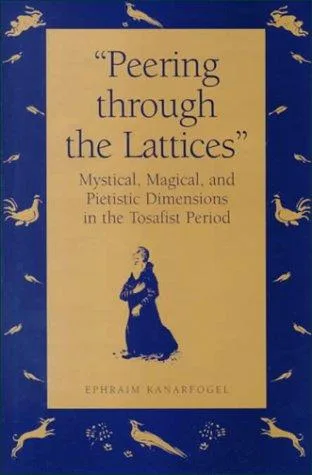
Mystery of God
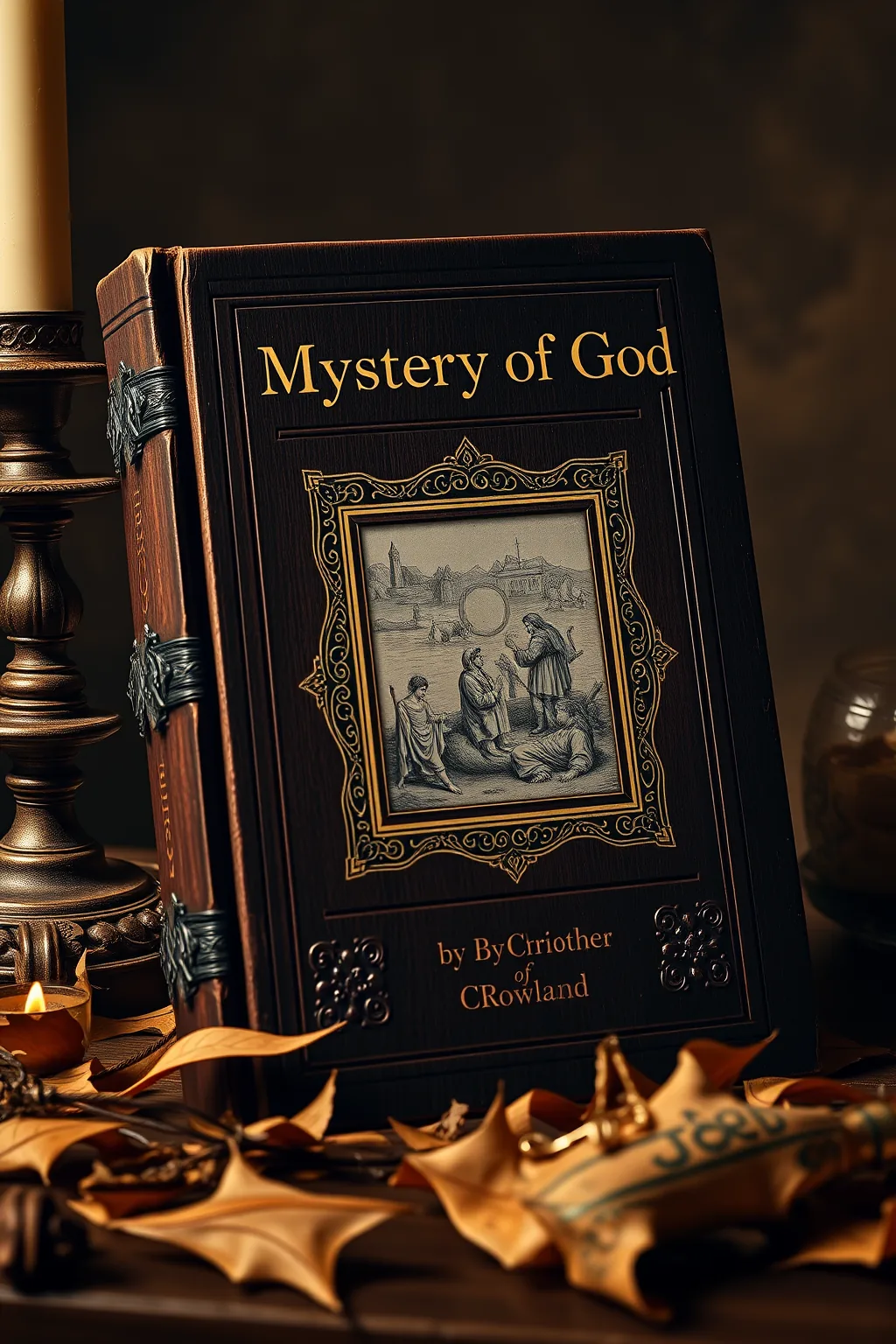
 61
61

Mystery of God

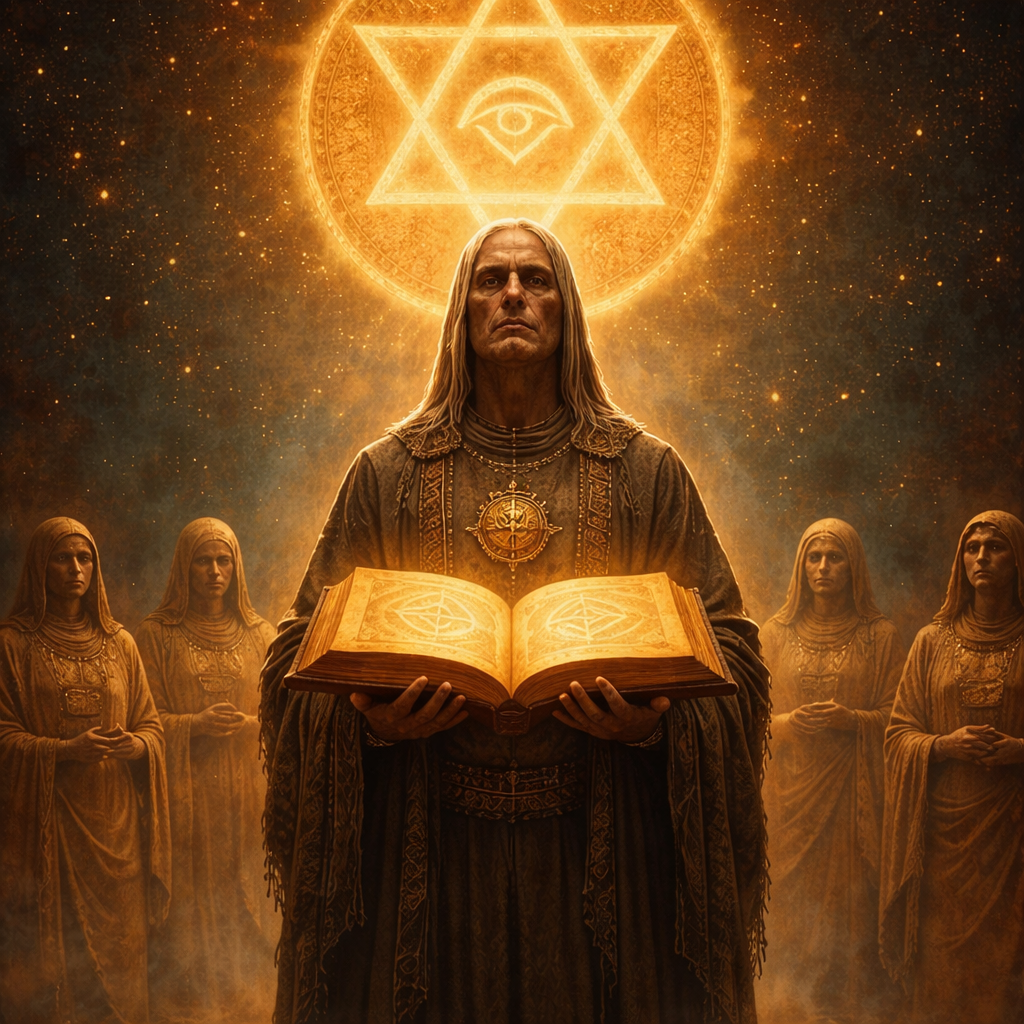

Silas Hawthorne, Hermetic Studies Editor, writes: Christopher Rowland's 'Mystery of God' is an indispensable key for unlocking the esoteric depths of Kabbalah. Rowland navigates the complex symbolism of Jewish mysticism with scholarly precision and profound spiritual insight. He demystifies concepts such as the Sephirot and the divine Name, presenting them not as mere intellectual constructs, but as living pathways to gnosis. This book excels in its ability to synthesize dense theological ideas into accessible, yet deeply resonant, prose. It is a treasure for seasoned practitioners and earnest seekers alike, offering a powerful lens through which to view the intricate relationship between the finite and the Infinite.
📝 Description
61
Christopher Rowland's 1997 book examines the Kabbalistic concept of God.
In "Mystery of God," Christopher Rowland addresses the Kabbalistic understanding of the divine. He moves through the core ideas of Jewish mysticism, focusing on concepts like divine emanations and the power of sacred names. The book aims to clarify these often abstract notions, using symbolism and philosophical discussion to make them accessible. Rowland's approach encourages a more personal engagement with the divine, moving beyond a purely intellectual grasp to an experience of presence.
This work is intended for readers who wish to deepen their study of metaphysics and mysticism. It provides a look into aspects of existence that are not commonly understood. Rowland's writing style seeks to connect the reader with the underlying structure of the cosmos as understood within these traditions.
This book is situated within the tradition of Kabbalah, a mystical interpretation of Judaism that emerged in the medieval period. It focuses on the concept of Ein Sof, the infinite and unknowable divine essence, and its manifestation through the Sefirot, or divine emanations. Rowland's work likely connects these concepts to broader esoteric inquiries into the nature of reality and consciousness, drawing parallels with other mystical traditions that seek to understand the relationship between the material and the spiritual.
💡 Why Read This Book?
Embark on a profound spiritual pilgrimage with 'Mystery of God'. This book offers a direct conduit to the heart of Kabbalistic wisdom, revealing the hidden architecture of the divine. Ideal for seekers of esoteric knowledge, scholars of comparative religion, and practitioners of mystical traditions who wish to deepen their understanding of God's multifaceted nature and its manifestation in the cosmos.
⭐ Reader Reviews
Honest opinions from readers who have explored this book.
❓ Frequently Asked Questions
What is Kabbalah?
Kabbalah is a system of Jewish mysticism that explores the nature of God and the universe, often through symbolic interpretations of religious texts and concepts like the Sephirot.
Is this book suitable for beginners?
While it delves into complex themes, Rowland's clear prose makes it accessible to dedicated beginners eager to explore Kabbalistic thought.
What are the Sephirot?
The Sephirot are ten divine emanations or attributes of God described in Kabbalistic cosmology, representing stages of creation and divine manifestation.
How does this book relate to other mystical traditions?
It offers a unique Jewish perspective that shares common ground with other esoteric traditions in its exploration of divine unity and cosmic interconnectedness.
Can this book be used for meditation or contemplative practice?
Absolutely. The rich symbolism and philosophical depth provide fertile ground for personal contemplation and spiritual growth.
🔮 Key Themes & Symbolism
The Divine Emanations (Sephirot)
This theme explores the ten Sephirot, the luminous attributes or vessels through which the Infinite God manifests in the created universe. Rowland meticulously details their interconnectedness, their symbolic representation on the Tree of Life, and their role in the process of creation, revelation, and human ascent. Understanding the Sephirot is crucial for grasping the Kabbalistic model of divine presence and its interaction with the material realm, offering a framework for spiritual experience and ethical conduct.
Sacred Names and Divine Consciousness
The book explores the potent significance of the divine names within Kabbalah, positing that these names are not mere labels but are imbued with the very essence of God's power and consciousness. Rowland illuminates how the contemplation and invocation of these sacred appellations serve as a direct means to connect with the divine, fostering a deeper understanding of God's immanence and transcendence. This exploration highlights the power of language and intention in spiritual practice.
The Ascent of the Soul
Central to Rowland's exposition is the concept of the soul's journey towards divine reunion. The 'Mystery of God' guides the reader through the Kabbalistic understanding of the soul's origins, its descent into materiality, and its potential for spiritual ascent. This theme emphasizes the inner work required to shed worldly illusions, purify the self, and ultimately achieve a state of mystical union or gnosis, transforming the individual through divine knowledge and experience.
💬 Memorable Quotes
Direct passages from the work, attributed to the author.
“Through the Sephirot, the infinite pours into the finite.”
— Highlights the Kabbalistic concept of divine emanations acting as conduits, bridging the gap between the boundless divine and the limited material world.
“Sacred names are keys to unlock the chambers of the divine.”
— Emphasizes the power attributed to divine names in Kabbalah, seen as potent tools for spiritual access and connection with the ultimate reality.
“The Tree of Life is a map of the soul's journey.”
— Presents the Kabbalistic Tree of Life as a symbolic representation of spiritual development and the pathways the soul traverses.
“In the silence, the divine whispers its secrets.”
— Suggests that profound spiritual truths are revealed through inner stillness and contemplative practice, rather than external pronouncements.
💡 Key Ideas
Editorial paraphrase of the work's core concepts — not direct quotes.
The divine is not a distant king, but the very breath of existence.
This quote expresses the immanent nature of God in Kabbalah, suggesting divinity is not external but deeply interwoven with all things.
🌙 Esoteric Significance
Tradition
This work is deeply rooted in Kabbalah, a profoundly esoteric and mystical tradition within Judaism. It explores the intricate symbolic language and philosophical underpinnings of divine emanations, cosmic order, and the path of spiritual ascent as understood through Jewish mystical thought. It offers a unique lens on the nature of God, creation, and the human soul's relationship with the divine.
Symbolism
The book unpacks core Kabbalistic symbols such as the Tree of Life (Etz Chaim), the ten Sephirot, divine names (Shemot), and Hebrew letters. These symbols are not mere decorative elements but are presented as potent keys to understanding the divine architecture of reality, the mechanics of creation, and the pathways for spiritual transformation and gnosis.
Modern Relevance
In a world often characterized by material pursuits and spiritual disconnection, 'Mystery of God' offers a timeless reminder of the transcendent dimension of existence. Its exploration of divine immanence, the interconnectedness of all things, and the potential for personal spiritual growth resonates deeply with contemporary seekers looking for meaning, purpose, and a deeper connection to the sacred.
👥 Who Should Read This Book
This book is an essential read for anyone drawn to the profound depths of Jewish mysticism and Kabbalah. Scholars of religion and philosophy will find Rowland's scholarly yet accessible exposition invaluable. Spiritual seekers yearning for a deeper, more nuanced understanding of the divine and its manifestation will discover a rich source of contemplation. Practitioners of meditation and contemplative arts can utilize its symbolic frameworks for their inner work. Even those new to mysticism will find a compelling entry point into these ancient, transformative teachings.
📜 Historical Context
Christopher Rowland's "Mystery of God" emerges from the rich, centuries-old tradition of Kabbalah, a mystical interpretation of Judaism that flourished most prominently in medieval Spain and Safed. The 13th century saw the key work, the Zohar, consolidating many of these esoteric teachings. During periods of both persecution and intellectual flourishing, Kabbalah offered a profound spiritual framework, a path to direct experience of the divine amidst existential uncertainty. Rowland draws upon this lineage, connecting ancient wisdom to contemporary seekers. The book reflects a broader esoteric revival that began in the late 19th and early 20th centuries, making these complex spiritual systems more accessible to a wider audience, bridging the gap between academic study and personal spiritual practice.
📔 Journal Prompts
Reflect on the concept of divine immanence as described in the text. How does this differ from your previous understanding of God?
Choose one of the Sephirot discussed and meditate on its qualities. How might these qualities be expressed in your own life?
Consider the power attributed to divine names. What personal 'names' or qualities of the divine resonate most strongly with you today?
Explore the idea of the soul's ascent. What are the perceived obstacles to your own spiritual growth, and how might they be overcome?
How can the symbolic language of Kabbalah enhance your personal spiritual practice or understanding of the world?
🗂️ Glossary
Kabbalah
A system of Jewish mysticism that explores the nature of God, the universe, and the relationship between the divine and creation, often through symbolic interpretation and contemplative practice.
Sephirot
Ten divine emanations or attributes of God in Kabbalistic cosmology, forming the structure of the Tree of Life and representing stages of divine manifestation and creation.
Tree of Life (Etz Chaim)
A central diagram in Kabbalah, depicting the ten Sephirot and their interconnections, serving as a map of creation, consciousness, and the pathways to spiritual attainment.
Gnosis
Spiritual knowledge or insight, particularly direct, intuitive understanding of divine truths, often associated with mystical traditions.
Immanence
The belief that God is present within the universe and all of creation, as opposed to transcendence, where God is seen as existing beyond the material world.
This book appears in 1 collection
🔮 Readers Also Liked
Browse all →







More by Christopher Rowland
All books →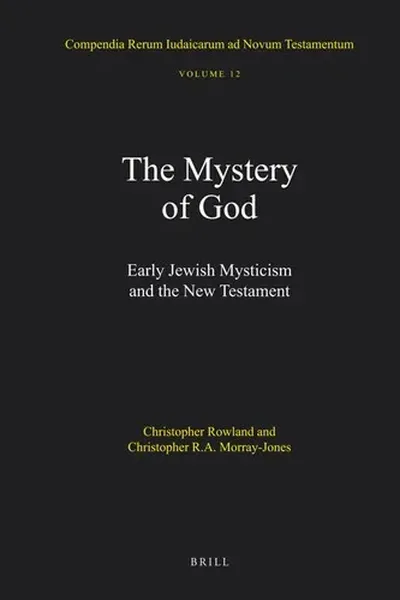

From the “Kabbalah” Collection
View all →







More Free Kabbalah & Jewish Mysticism Books
View all →



![Beginning of Kabbalah Wisdoms - 226 Rules & Statements in Kabbalah [Hebrew & English]](/img/thumb/beginning-of-kabbalah-wisdoms-226-rules-statements-in-kabbalah-hebrew-english-kabbalist-kolomous-kalman-altessler.webp)