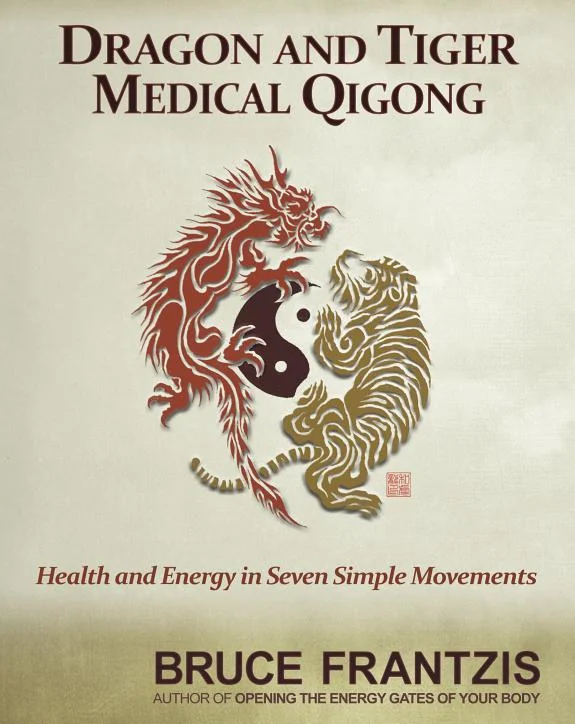
Dragon and Tiger Medical Qigong, Volume 1
 84
84

Dragon and Tiger Medical Qigong, Volume 1
Bruce Frantzis’s Dragon and Tiger Medical Qigong, Volume 1, offers a clear entry point into a sophisticated energy cultivation system. The book’s strength lies in its direct, no-nonsense approach to detailing the movements, clearly outlining how each posture targets specific energetic functions. Frantzis emphasizes the direct correlation between physical posture and internal energetic states, a concept central to Taoist alchemy. A limitation, however, is the inherent challenge of fully conveying the energetic nuances of Qigong through text alone; the 2010 publication year means some visual aids might feel dated compared to modern multimedia resources. One particularly striking passage discusses how the 'Tiger' posture specifically stimulates the liver meridian, aligning physical form with internal organ health, a core tenet of Chinese medicine. The book provides a solid, practical foundation for personal practice.
📝 Description
84
Bruce Frantzis's 2010 book details a potent Chinese Qigong system for health cultivation.
Dragon and Tiger Medical Qigong, Volume 1, outlines a specific sequence of physical movements designed to cultivate vital energy. The practice aims to harmonize 'chi' and balance the body's energetic pathways, or meridians. This internal approach seeks to promote well-being without external intervention. The system is structured for individuals interested in practical stress reduction and improved physical health. It also serves those looking into preventative care or complementary methods for illness. Enthusiasts of traditional Chinese medicine, martial arts, and systematic energy work will find this text useful. The movements are presented as accessible across various ages and fitness levels.
Frantzis's work makes these specific methods available to a global audience. The book addresses the dynamic interplay between 'Dragon' and 'Tiger' energies within the body. The Tiger aspect relates to physical health, particularly the liver and musculature, while the Dragon represents a subtler, expansive vital force. The exercises are intended to stimulate multiple meridians at once, creating a strong energetic effect.
This practice draws from ancient Chinese medical principles and Taoist energy cultivation. For centuries, similar forms have been practiced in China to support health and longevity. Frantzis's approach makes these specific techniques accessible outside of traditional, often exclusive, lineages. The book situates itself within a broader contemporary interest in Qigong, distinguishing its practical health applications from purely academic or obscure traditions.
💡 Why Read This Book?
• Learn specific movements that directly stimulate multiple meridians, offering a unique approach to energetic balancing not found in simpler Qigong forms, as detailed in the Dragon and Tiger sequence. • Understand the symbolic representation of the Tiger and Dragon within Taoist energetics, gaining insight into how these archetypes relate to physical health and vital force cultivation as described by Frantzis. • Discover how to use these simple body movements to achieve potent chi balancing, mirroring acupuncture's effects without needles, a core principle explained in the book's early chapters.
⭐ Reader Reviews
Honest opinions from readers who have explored this book.
❓ Frequently Asked Questions
What is the primary goal of Dragon and Tiger Medical Qigong?
The primary goal is to harmonize the body's vital energy (chi) through specific movements, promoting robust health, stress release, and potentially aiding in the prevention and healing of illness.
How does Dragon and Tiger Qigong differ from acupuncture?
It achieves similar chi balancing effects to acupuncture by using precise body movements to stimulate meridian groups, rather than relying on external needle insertion.
Is Dragon and Tiger Medical Qigong suitable for beginners?
Yes, the book emphasizes simple body movements that are designed to be accessible, making it suitable for individuals new to Qigong practices.
What do the 'Dragon' and 'Tiger' symbolize in this practice?
In Chinese medicine, the Tiger represents strong physical health, particularly the liver and muscles, while the Dragon symbolizes a powerful, refined, and expansive vital energy.
When was Bruce Frantzis's Dragon and Tiger Medical Qigong, Volume 1, first published?
Bruce Frantzis's Dragon and Tiger Medical Qigong, Volume 1, was first published in 2010.
Can this Qigong practice help with serious health conditions like cancer?
The book suggests that Dragon and Tiger Qigong is used to help prevent and heal cancer and to mitigate the effects of radiation and chemotherapy, as practiced by millions in China.
🔮 Key Themes & Symbolism
Meridian Stimulation
This volume details how each movement in Dragon and Tiger Qigong is specifically engineered to activate not just one, but multiple energy pathways (meridians) simultaneously. This is a core differentiator from simpler Qigong forms. By stimulating groups of meridians, the practice aims to create a more profound and comprehensive energetic flow, clearing blockages and fortifying the body's internal systems. The book explains the energetic map and how specific postures target these pathways for optimal health outcomes.
Internal Alchemy Symbolism
The 'Dragon' and 'Tiger' are not mere names but potent symbols within Taoist internal alchemy. The Tiger represents the potent, grounding physical energy, linked to the liver and musculature, while the Dragon signifies the more subtle, expansive, and potent vital force. Frantzis’s work decodes this symbolism, showing how practitioners can cultivate both strength and refined energetic power through the specific sequences, aiming for a balanced and potent internal state.
Chi Balancing for Health
At its heart, the practice is about balancing 'chi,' or vital energy. The book explains how disruptions in chi flow are the root of illness and stress. Dragon and Tiger Qigong provides a practical, physical method to restore this balance, mirroring the effects of acupuncture by addressing the energetic body. This approach is presented as a powerful tool for maintaining robust health and even as a complementary therapy for serious conditions.
Taoist Health Cultivation
This Qigong system is deeply rooted in Taoist principles of health cultivation, emphasizing longevity and vitality through natural methods. The practice aligns with the Taoist understanding of the body as an energetic system interconnected with the environment. Frantzis's exposition provides a direct lineage to these ancient practices, offering readers a tangible way to engage with Taoist energetic arts for tangible physical and mental benefits.
💬 Memorable Quotes
Direct passages from the work, attributed to the author.
“Each movement is designed to stimulate not just a single meridian but groups of meridians.”
— This highlights the sophisticated design of the Qigong form, differentiating it by its multi-meridian activation, aiming for a more comprehensive energetic effect than single-channel practices.
“In Chinese medicine, the tiger is a metaphor for a strong, healthy liver and powerful muscles.”
— This explains the symbolic root of the 'Tiger' aspect of the practice, directly linking physical attributes like muscular strength and liver health to the energetic principles being cultivated.
“the dragon is a metaph”
— This incomplete statement likely refers to the Dragon symbolizing a potent, refined, or expansive vital energy, contrasting with the Tiger's more grounded physical strength.
“Practiced by millions in China to release stress and maintain robust health.”
— This speaks to the widespread traditional application and efficacy of Dragon and Tiger Qigong within its culture of origin, underscoring its long history of use for well-being.
“It uses simple body movements to accomplish the same chi balancing as acupuncture.”
— This concisely explains the core mechanism of the practice: achieving the energetic results of acupuncture through accessible physical actions, making potent healing effects available without needles.
🌙 Esoteric Significance
Tradition
This work belongs to the Taoist tradition of internal alchemy and energy cultivation (Neidan). It draws heavily from the principles of balancing Yin and Yang energies within the body, a core tenet. Unlike some Hermetic or Kabbalistic systems that focus on cosmic correspondences, Dragon and Tiger Qigong is primarily concerned with the practical cultivation of vital energy (Qi) for physical health, longevity, and spiritual development, as understood through Taoist cosmology.
Symbolism
The central symbols are the 'Dragon' and 'Tiger.' The Tiger represents the potent, grounding physical energy, associated with the Liver organ and powerful musculature, embodying the more Yang aspects of physical vitality. The Dragon symbolizes the more subtle, expansive, and refined vital force, often linked to the Kidney energy and the more Yin, flowing aspects of consciousness and power. Their interplay represents the dynamic balance of forces necessary for optimal health and energetic potency.
Modern Relevance
Contemporary practitioners of Taoist arts, somatic therapists, and those exploring integrated health modalities often reference Frantzis’s work. His clear articulation of these complex energetic principles makes them accessible to modern students seeking somatic and energetic healing. Schools focused on Qigong, Tai Chi, and Taoist internal arts frequently utilize this text as a foundational resource for understanding specific movement-based energy cultivation techniques.
👥 Who Should Read This Book
• Individuals seeking a structured, movement-based system for enhancing physical vitality and reducing stress, particularly those interested in the energetic principles of traditional Chinese medicine. • Practitioners of martial arts or other mind-body disciplines who wish to deepen their understanding of internal energy cultivation and its application to physical power and health. • Students of Taoist philosophy and energetic arts looking for a practical, lineage-based Qigong method that translates ancient principles into tangible daily practice.
📜 Historical Context
Published in 2010, Bruce Frantzis's Dragon and Tiger Medical Qigong, Volume 1, arrived during a period of burgeoning global interest in Eastern health practices. While Qigong forms like Tai Chi had gained some Western traction, specific Taoist internal alchemy systems remained less accessible. Frantzis’s work aimed to bridge this gap, presenting a potent system rooted in ancient Chinese medicine and Taoist energetics. This period saw a growing number of Western practitioners and scholars, like those associated with the Journal of Chinese Medicine, exploring the physiological benefits of practices like acupuncture and Qigong, moving beyond purely academic discourse. Frantzis’s approach, while drawing from centuries-old traditions, offered a structured method for contemporary individuals, distinguishing it from more esoteric or lineage-bound teachings prevalent at the time.
📔 Journal Prompts
The symbolic representation of the Tiger and Dragon and their connection to physical and vital energies.
How the concept of stimulating multiple meridians simultaneously differs from single-channel practices.
The role of simple body movements in achieving chi balancing comparable to acupuncture.
Personal reflections on cultivating robust health through internal energy work.
The metaphorical significance of the Tiger in relation to liver health and musculature.
🗂️ Glossary
Qigong
An ancient Chinese system of coordinated body posture, movement, breathing, and meditation used for health, spirituality, and martial arts training. It involves cultivating and balancing vital energy (Qi).
Chi (Qi)
The fundamental concept of vital life force or energy that flows through all living beings according to traditional Chinese medicine and philosophy.
Meridian
In traditional Chinese medicine, a pathway or channel through which Qi flows within the body. There are twelve primary meridians associated with specific organs.
Taoism
A philosophical and religious tradition of Chinese origin that emphasizes living in harmony with the Tao (the 'Way'), the fundamental principle that underlies all reality.
Internal Alchemy (Neidan)
A Taoist practice focused on cultivating the body's internal energy, essence, and spirit to achieve health, longevity, and spiritual enlightenment.
Yin and Yang
The Taoist concept of dual, complementary, and opposing forces that are interconnected and interdependent in the natural world, representing balance and harmony.
Vitality
The state of being strong, energetic, and healthy; often associated with the concept of Qi or life force.
This book appears in 1 collection
🔮 Readers Also Liked
Browse all →








From the “Qi Gong” Collection
View all →

More Free Occult Philosophy Books
View all →