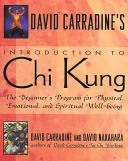
David Carradine's Introduction to Chi Kung
 79
79

David Carradine's Introduction to Chi Kung
David Carradine's *Introduction to Chi Kung* succeeds admirably in its stated goal: to make the practice accessible to novices. The strength lies in its direct, unpretentious approach, avoiding the dense jargon that often encumbers esoteric texts. Carradine, through David Nakahara's collaboration, presents a program that feels both ancient and immediately applicable. A particularly effective section details simple standing postures, illustrating how subtle shifts can influence energy flow. However, the book's primary limitation is its very accessibility; those with prior experience in Qigong or related energy arts might find the program overly basic. It offers a gateway, not a deep immersion. Ultimately, Carradine's manual serves as a clear, encouraging first step into the world of Chi cultivation.
📝 Description
79
David Carradine and David Nakahara's 1997 book distills Chi Kung for beginners.
David Carradine's Introduction to Chi Kung, co-authored with David Nakahara, serves as a guide for those new to the Chinese practice of cultivating vital energy. The book breaks down complex principles into simple exercises, favoring a gentle, low-impact method suitable for various physical conditions. It is designed for anyone interested in improving their physical, emotional, or spiritual state through movement. The work offers a clear entry point, whether the reader is an experienced martial artist seeking deeper internal practice, someone looking for gentle exercise, or simply curious about energy work. The authors focus on practical application, making Chi Kung accessible without requiring extensive theoretical background. This approach aims to demystify the practice for a broad audience, leveraging Carradine's public recognition.
Published in 1997, this book entered a period of growing Western interest in Eastern spiritual and health practices. It addresses the core concepts of Chi Kung, a tradition rooted in Taoism and Traditional Chinese Medicine. The practice centers on the belief in 'Chi,' a vital life force, and utilizes specific postures, breath control, and focused intention to harmonize its flow within the body. This work aims to make these principles of internal energy cultivation and well-being accessible to a general audience.
💡 Why Read This Book?
• You will learn foundational Qigong movements and breathing techniques directly from David Carradine's accessible program, providing a clear entry into energy cultivation that is not found in more academic texts. • You will understand the core concept of 'Chi' and how simple, low-impact exercises, as demonstrated with beautiful photos, can positively influence your physical and emotional state, a benefit emphasized since its 1997 publication. • You will gain practical methods for enhancing well-being suitable for any age or fitness level, offering a tangible starting point for personal energy work beyond generic wellness advice.
⭐ Reader Reviews
Honest opinions from readers who have explored this book.
❓ Frequently Asked Questions
Is David Carradine's Introduction to Chi Kung suitable for someone with no prior experience?
Absolutely. The book is designed specifically for novices. It presents a simple, step-by-step program with clear instructions and photographs, making it easy for beginners to understand and practice the fundamental principles of Chi Kung.
What kind of exercises does the book focus on?
It emphasizes low-impact exercises that are gentle on the body. The focus is on cultivating vital energy ('Chi') through mindful movements, specific postures, and controlled breathing techniques rather than strenuous physical exertion.
How does this book differ from other Qigong resources?
Carradine's approach is noted for its directness and practicality, stemming from his personal practice. It aims to provide immediate benefits for physical, emotional, and spiritual well-being without overwhelming the reader with complex philosophy or history.
What benefits can one expect from practicing the exercises in this book?
Practitioners can expect increased physical vitality, improved emotional balance, and a greater sense of spiritual connection. The exercises are designed to enhance overall health and well-being by promoting the smooth flow of vital energy.
Who collaborated with David Carradine on this book?
David Carradine collaborated with David Nakahara on this book, which was first published on October 15, 1997. Nakahara's contribution likely focused on structuring the content and ensuring clarity for the reader.
Is this book more about martial arts or general health?
While martial artists can benefit from the internal energy cultivation aspects, the book is designed for a broad audience. It focuses on general health and spiritual well-being, making it suitable for anyone interested in self-improvement, regardless of their background.
🔮 Key Themes & Symbolism
Accessible Energy Cultivation
The core theme is clarifying the practice of Chi Kung for Western audiences unfamiliar with its intricacies. Carradine and Nakahara present 'Chi' not as an abstract concept but as a tangible life force that can be consciously influenced. The book breaks down the practice into manageable, low-impact exercises, emphasizing that mastery is achievable through consistent, gentle effort. This accessibility is crucial, positioning Chi Kung as a practical tool for everyday well-being rather than an exclusive discipline.
Holistic Well-being Integration
This introduction posits that physical health, emotional balance, and spiritual awareness are interconnected and can be enhanced through Qigong. The exercises are designed to harmonize these aspects, promoting a sense of wholeness. By focusing on breath and movement, the book suggests a pathway to not only physical vitality but also mental clarity and a deeper connection to oneself and the surrounding environment.
Beginner-Focused Program Design
The book's structure is a significant theme, meticulously crafted for the novice. It avoids overwhelming the reader with extensive historical or philosophical discourse, instead prioritizing a clear, interactive learning experience. The inclusion of beautiful photographs alongside concise text serves to guide the user through each posture and movement, making the learning curve gentle and encouraging consistent practice from the outset.
The Actor's Path to Practice
Leveraging David Carradine's public persona as a martial arts enthusiast and actor, the book offers a unique entry point. It presents Qigong through the lens of someone who has explored physical disciplines extensively. This narrative framing makes the practice relatable and less intimidating, suggesting that the benefits of energy cultivation are within reach for anyone, even those not professionally trained in martial arts.
💬 Memorable Quotes
Direct passages from the work, attributed to the author.
“Designed specifically for the novice, this book presents a simple yet complete beginner's program for understanding and mastering this low-impact exercise.”
— This statement clearly outlines the book's primary objective: to serve as an introductory manual for Chi Kung, emphasizing ease of use and comprehensiveness for those new to the practice.
“An interactive approach is enhanced by beautiful photos and clear, concise text...”
— This highlights the pedagogical method employed, suggesting that the visual and textual elements work together to create an engaging and effective learning experience for the reader.
“...making this the perfect volume for anyone--from the martial artist to the elderly--interested in increasing physical, emotional and spiritual well-being.”
— This broadens the intended audience significantly, indicating that the gentle nature of the exercises makes them suitable for a diverse range of individuals seeking holistic health improvements.
“understanding and mastering this low-impact exercise.”
— This phrase underscores the book's focus on practical application and achievable results, assuring readers that the program is designed for genuine learning and skill development without undue physical strain.
“increasing physical, emotional and spiritual well-being.”
— This succinctly captures the holistic benefits promised by the practice, framing Chi Kung as a means to achieve a balanced state across multiple dimensions of human experience.
🌙 Esoteric Significance
Tradition
While Chi Kung is rooted in Traditional Chinese Medicine and Taoist philosophy, Carradine's presentation aligns with a broader Western esoteric interest in energy work and vitalism. It draws from a lineage concerned with cultivating the 'life force' (Qi), a concept mirrored in Western Hermetic ideas of 'anima mundi' or the world soul. The book bridges these traditions by offering a practical, embodied method for accessing this universal energy, making it relevant to practitioners exploring diverse paths of spiritual development.
Symbolism
A primary symbol is 'Chi' itself, representing the invisible, vital energy that animates all existence. The book also implicitly uses the symbolism of balance and flow, central to Taoist thought, advocating for harmonious movement and breath to prevent stagnation. Postures often symbolize grounding and connection to the earth, while the focus on breath can represent the connection to the cosmos or the divine breath. The act of gentle, repetitive movement symbolizes the cyclical nature of life and the process of refinement.
Modern Relevance
Contemporary practices in mindfulness, somatic experiencing, and integrated wellness programs often echo the principles presented in Carradine's work. Thinkers and practitioners in fields like embodied cognition and movement therapy can find the book's emphasis on low-impact, mindful exercise a precursor to modern therapeutic approaches. Its accessibility continues to make it a valuable resource for individuals exploring energy cultivation, complementing more complex systems by offering a clear and direct entry point.
👥 Who Should Read This Book
• **Absolute beginners to Qigong:** Individuals with no prior knowledge of Chi Kung will find a clear, step-by-step introduction to foundational concepts and exercises. • **Those seeking gentle, low-impact exercise:** People looking for ways to improve physical health, mobility, and energy levels without strenuous activity will benefit from the program's design. • **Fans of David Carradine interested in holistic practices:** Individuals familiar with Carradine's work who are curious about his personal practices and seeking an accessible entry into energy cultivation.
📜 Historical Context
Published in 1997, *David Carradine's Introduction to Chi Kung* arrived during a period of heightened Western interest in holistic health and Eastern spiritual practices. Qigong, alongside disciplines like Tai Chi and Yoga, was gaining broader recognition beyond its traditional Asian roots. This era saw a surge in books and workshops aimed at making these practices accessible to a global audience. Carradine's involvement, a well-known figure associated with martial arts in popular culture, provided a unique celebrity endorsement that could draw in individuals who might otherwise have been hesitant to explore Qigong. The book’s accessible, beginner-focused approach contrasted with more academically dense or tradition-bound texts, reflecting a broader cultural trend towards integrating mind-body disciplines into everyday life for general wellness. Its release predated the widespread internet accessibility of video tutorials, making well-illustrated books crucial resources for learning such physical arts.
📔 Journal Prompts
The concept of 'Chi' as presented in the book: how does it relate to your own sense of vitality?
Reflect on the 'low-impact exercise' approach: what makes this method appealing for consistent practice?
Consider the connection between physical movement and emotional well-being described in the text.
Analyze the role of 'beautiful photos and clear, concise text' in learning the exercises.
Explore your personal definition of 'spiritual well-being' and how Qigong might contribute to it.
🗂️ Glossary
Chi Kung (Qigong)
An ancient Chinese practice involving coordinated body posture, movement, breathing, and meditation for health, spirituality, and martial arts training. It aims to cultivate and balance the body's vital life force, known as 'Chi'.
Chi (Qi)
The fundamental concept of vital life force or energy believed to flow through all living things and the universe. In Chi Kung, practices are designed to cultivate, balance, and direct this energy for health and vitality.
Low-impact exercise
Physical activity that does not place excessive stress on the joints or body. Chi Kung exercises are often low-impact, making them suitable for a wide range of ages and fitness levels.
Novice
A person new to or inexperienced in a field or situation. This book is specifically tailored for novices interested in learning Chi Kung.
Spiritual well-being
A sense of purpose, meaning, and connection in life. Chi Kung practices aim to enhance this aspect by fostering inner peace, self-awareness, and a connection to something larger than oneself.
Physical well-being
The state of good health and physical fitness. Chi Kung contributes to this through improved circulation, flexibility, strength, and energy levels.
Emotional well-being
The ability to understand, manage, and express one's emotions healthily. Qigong is believed to help regulate emotions and reduce stress.
This book appears in 1 collection
🔮 Readers Also Liked
Browse all →








From the “Qi Gong” Collection
View all →




More Free Occult Philosophy Books
View all →